
Burnout Can Leave You Running on Empty
Many of us have been pulled into hustle culture at some point. Constantly working, skipping meals, sleeping too little, and staying under nonstop stress can feel normal for a while. But if that sounds familiar, burnout may already be affecting you, or you may be heading toward it quickly.
Pushing your body past its limits comes with many drawbacks and very few benefits. Over time, that kind of lifestyle catches up with you. You feel drained, overwhelmed, and eventually unable to keep up the way you once did.
What Burnout Syndrome Really Means
Burnout is often mistaken for simple tiredness, but it goes much deeper than that. It is a lasting state of emotional and physical exhaustion, not just a rough day or a bad week. It usually develops slowly from chronic work stress, keeping your body stuck in a constant fight-or-flight state.
There are three main stages of burnout:
- Extreme exhaustion
- Cynicism and negativity about work
- Reduced performance
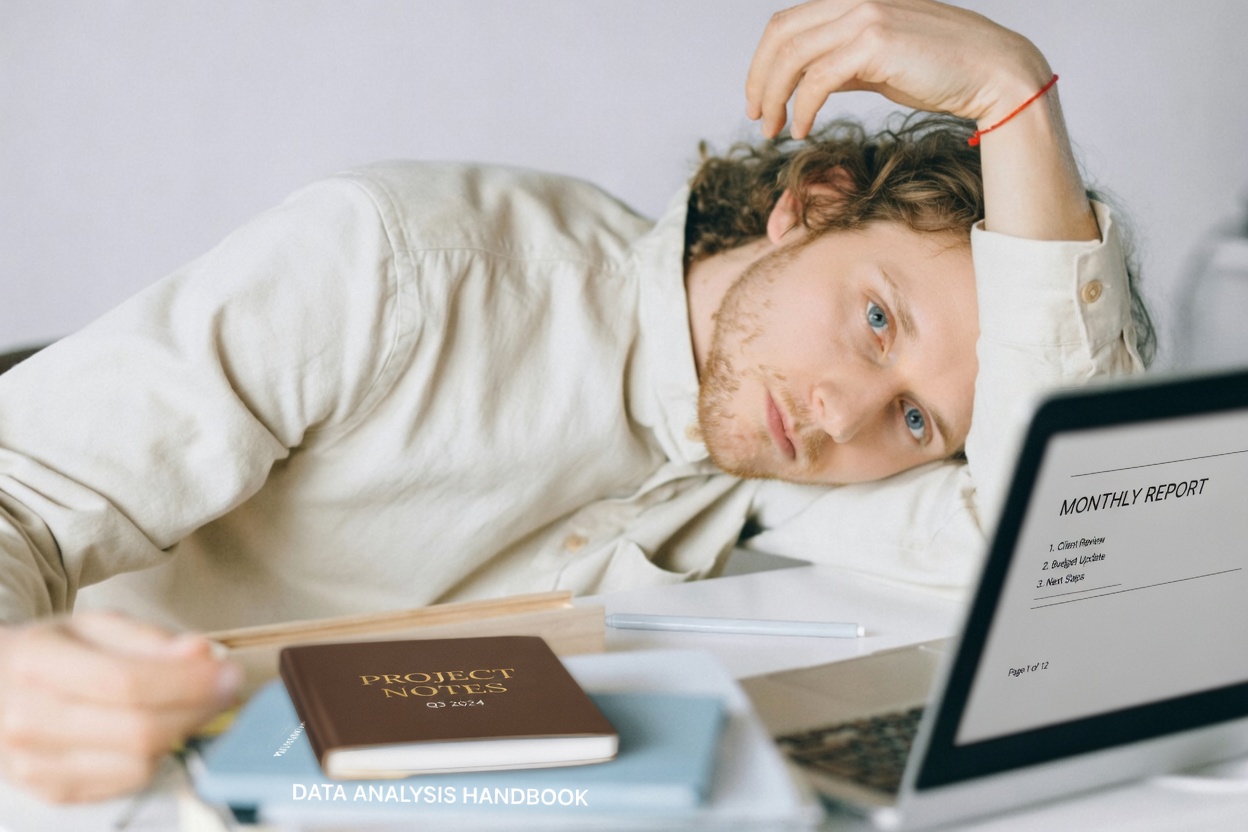
When these signs are ignored, burnout can show up as ongoing irritability and even make it feel impossible to work at all. Burnout is not laziness. It is a biological overload caused by stress.
Why Burnout Affects More Than Your Energy
Burnout does not only wear down your mood and motivation. It can also affect major systems in the body, including your immune system, sleep, inflammation levels, and gut health.
Chronic Stress Can Weaken Immune Function
When burnout turns into chronic stress, the effects reach beyond your mind. Your immune system, which helps protect you from viruses and illness and repairs damaged cells, can begin to struggle. Under constant stress, your body’s defenses weaken, and immune cells may respond more slowly.
Stress can also interfere with normal cellular function. When those cells are not working as they should, the risk of infection can rise. That means even a simple cold or allergies may feel harder to handle when you are already exhausted. Your body also has a harder time repairing itself effectively.
Lack of Sleep Makes Burnout Worse
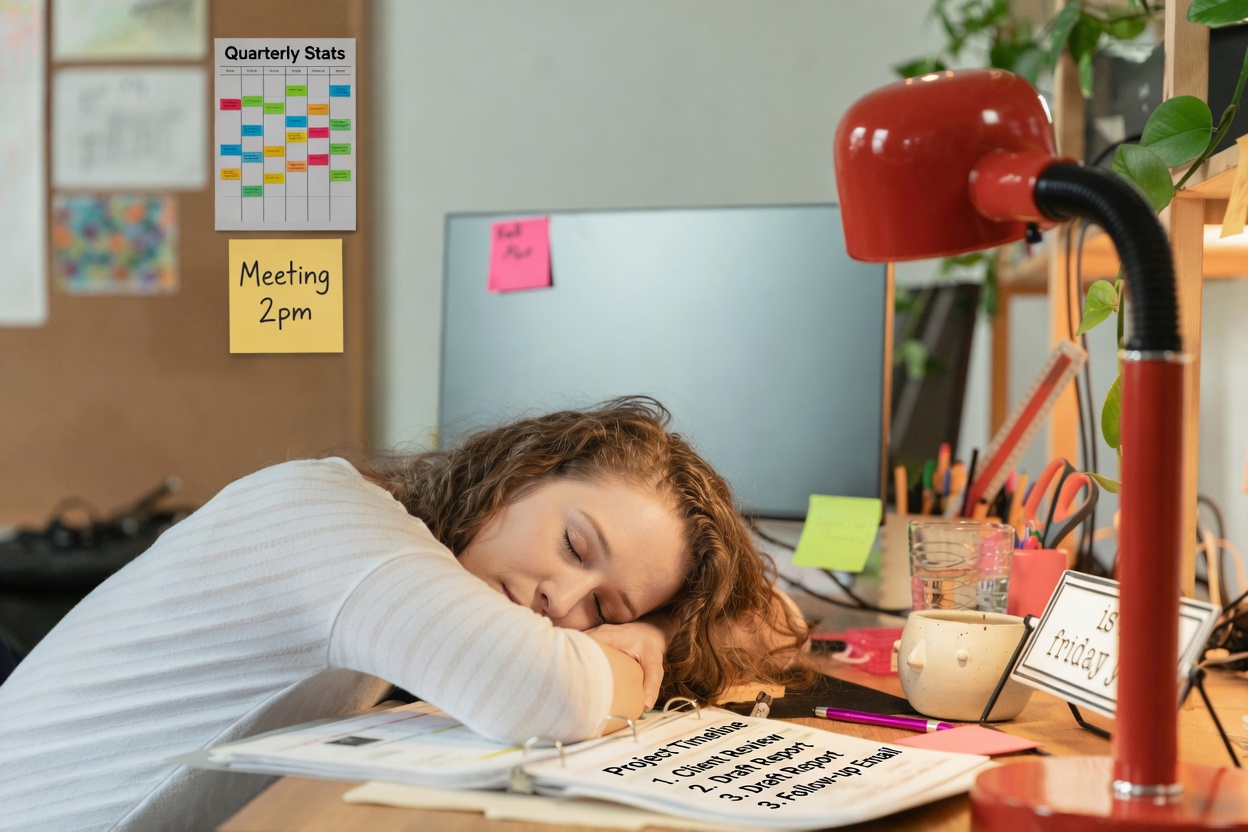
Sleep is often overlooked, but it is essential for recovery. It is not only about rest. It is also when the body repairs itself. Unfortunately, sleep is often one of the first things neglected during burnout, even though that is when the body may need it most.
During sleep, immune cells communicate and support repair throughout the body. Deep sleep strengthens immune memory. Over the years, poor sleep can take a toll. Sleep deprivation can make burnout symptoms worse by increasing inflammation and raising stress hormone levels even more.
Burnout Can Increase Inflammation
Inflammation is part of the body’s natural defense system. In the short term, it can help healing. But when your body remains in a constant stress response, inflammation can stay elevated for too long. Burnout can raise inflammatory chemicals in the body and keep your system in an ongoing defensive state.
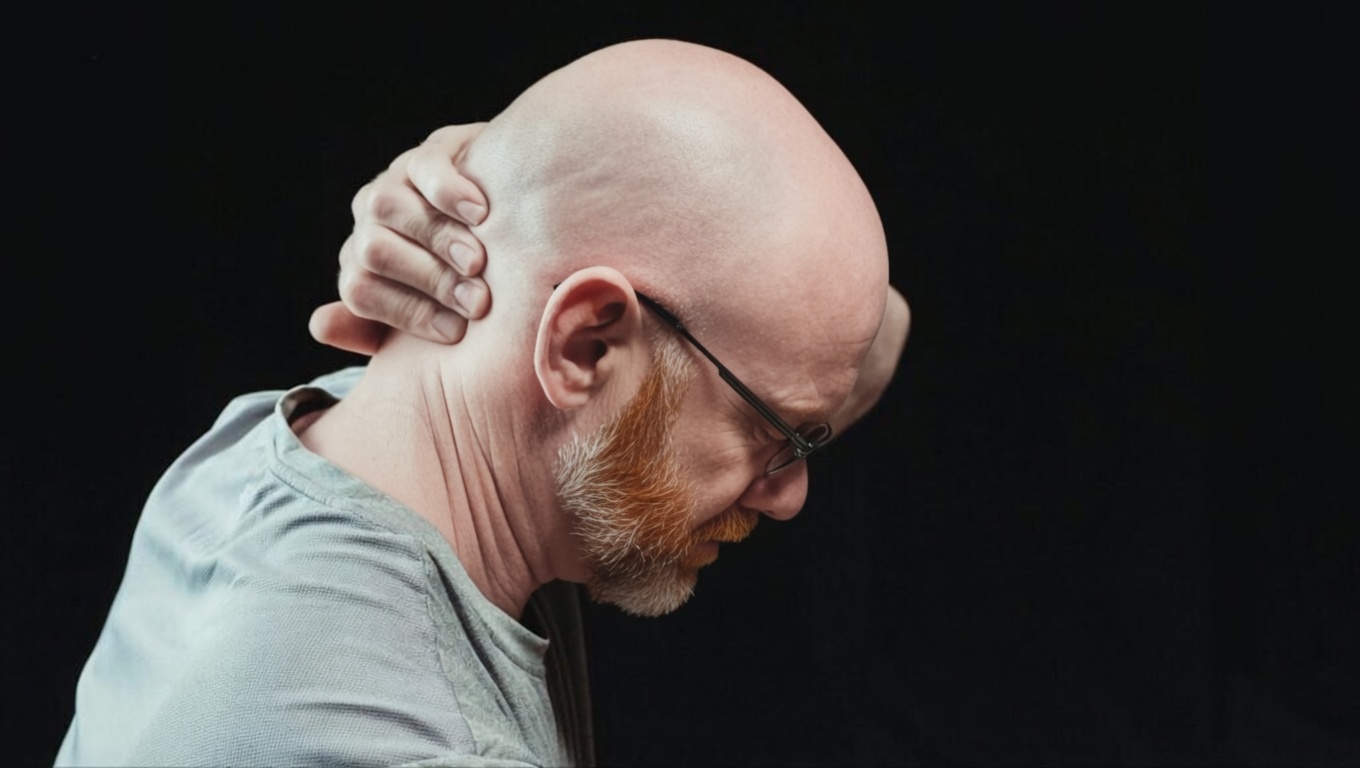
This chronic inflammation can affect many areas of the body, including the joints. When that happens, muscle pain may increase and headaches may become worse. These problems can also raise the risk of heart disease and contribute to insulin resistance. High inflammation is also strongly linked to depression, which can affect brain function. When you are already burned out, these added health challenges can make recovery feel even harder.
The Gut, Stress, and Immunity Are Closely Connected
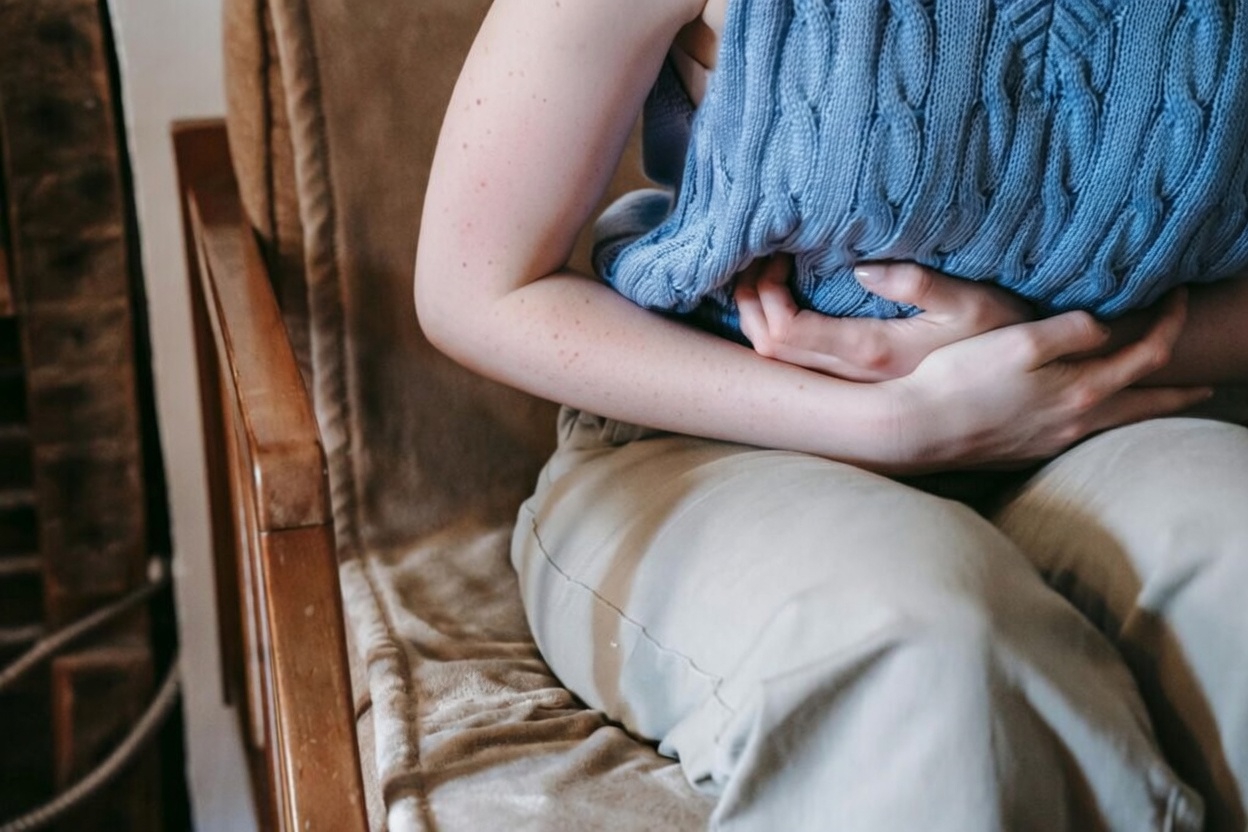
Burnout affects both the body and the mind, and those effects can reach the gut as well. About 70% of your immune cells live in the gut. Stress and sleep deprivation can disrupt the balance of gut bacteria, and poor gut balance can weaken immunity. A disrupted gut may also allow toxins to enter the bloodstream.
Because immunity may be weakened, some people may end up using antibiotics more often. However, that can further worsen gut imbalance. Gut health also plays a role in mood. The gut produces serotonin, and when serotonin levels are low, falling asleep can become even more difficult.
How to Break the Burnout Cycle
The good news is that burnout is not permanent. Recovery is possible. A big part of healing is choosing to put your well-being ahead of work during this time. Many people try to push through burnout by keeping the same pace, but that often makes things worse.
To start breaking the cycle:
- Set clear boundaries so you do not overextend yourself
- Manage your workload realistically
- Take short breaks throughout the day
- Prioritize sleep
- Make lifestyle changes that support recovery
- Be kind to yourself
Your health should not be sacrificed for work, even when responsibilities feel heavy.
Final Thoughts
Burnout can be incredibly difficult, but it is a sign that your body and mind need care. Healthy eating, exercise, rest, and recovery can help keep burnout from getting worse. Focusing on anti-inflammatory foods, lowering stress, and supporting gut health may also help your body move toward recovery.
Caring for yourself helps shift your body into recovery mode. Rest and recovery are not extras; they are necessary parts of life. Burnout often develops when those needs are ignored. Feeling burned out is not the end of the world, but ignoring it can have serious consequences.
Consult a healthcare professional before making changes.