Introduction
When people work toward fitness goals, they usually pay attention to workout programs, protein targets, and supplements. Yet one major factor is often ignored: gut health. Your gut microbiome plays a vital role in recovery, muscle development, and daily energy. That is because it supports several essential processes in the body, including digestion, nutrient absorption, and vitamin production.
A healthy gut can help improve training energy, lower inflammation, and support immune function. In contrast, an unbalanced gut may reduce nutrient uptake, increase tiredness, and interfere with proper recovery.
Below are five practical gut health strategies that can positively influence fitness performance and long-term progress.
1. Choose More Fiber-Rich Foods to Support a Healthy Gut
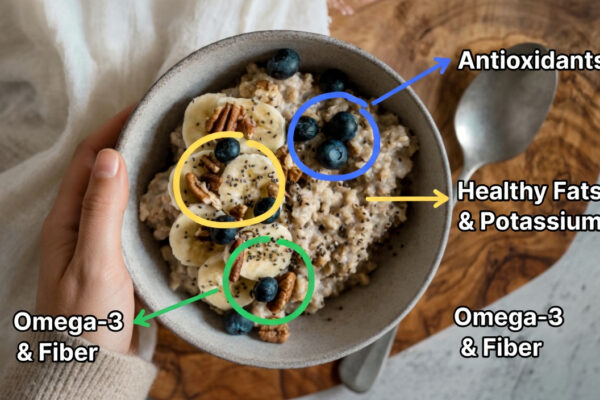
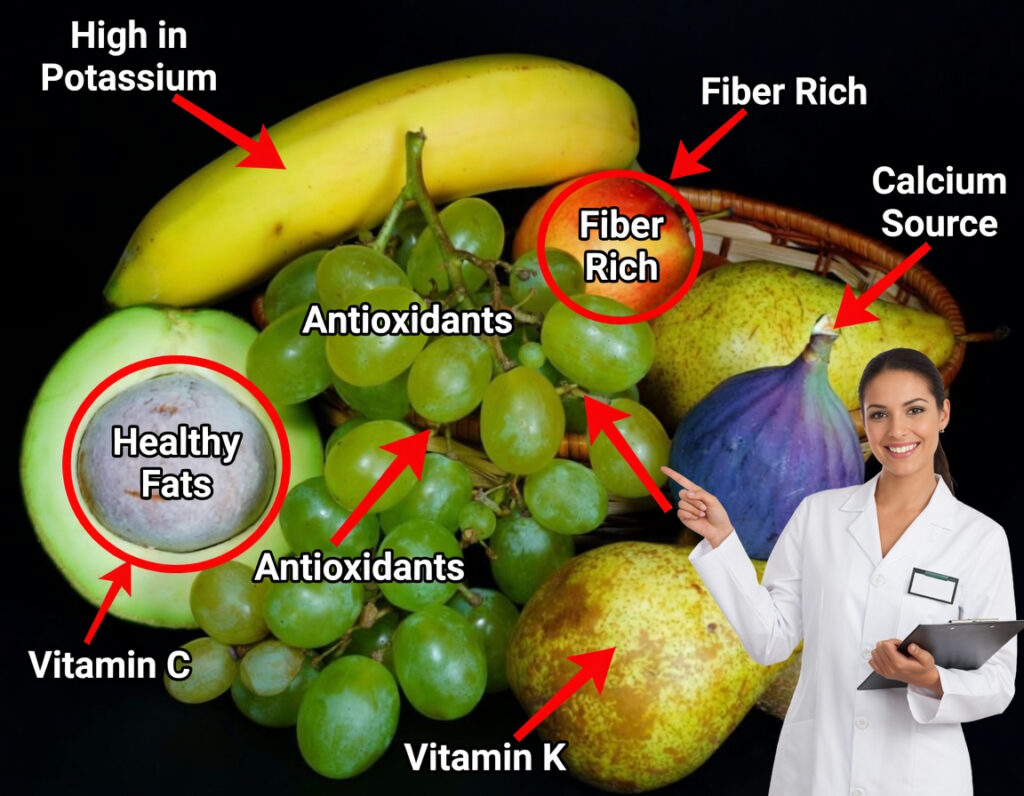
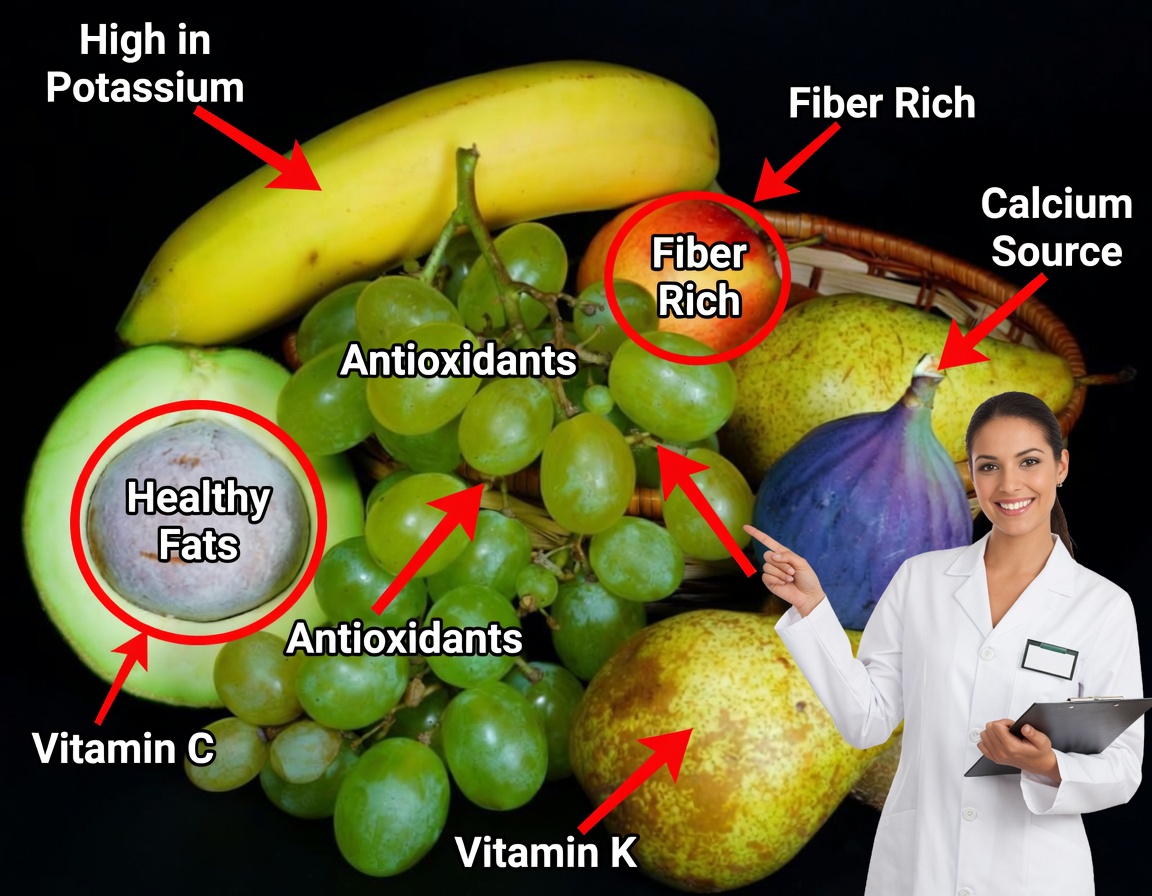
Foods high in fiber are one of the most important parts of good gut health. Fiber is found in plant foods such as whole grains, beans, seeds, fruits, and vegetables. These foods feed beneficial gut bacteria, helping them grow and produce compounds that support digestion and help control inflammation.
Fiber also offers a valuable advantage for active people. It helps regulate blood sugar by slowing the release of glucose into the bloodstream, which can lead to steadier energy and fewer crashes during the day.
Including more fiber in your meals can be simple. Easy options include:
- Oats with berries for breakfast
- Brown rice or quinoa instead of refined grains
- Lentils, beans, and chickpeas in lunches or dinners
- Extra fruit and vegetables as snacks or side dishes

2. Include Probiotics and Fermented Foods in Your Routine
Probiotics are live microorganisms found mainly in fermented foods such as yogurt and kimchi. While the idea of microorganisms may sound unpleasant, probiotics are actually the beneficial bacteria that help keep the gut microbiome balanced and support the immune system.
One of their key benefits is helping the body process food more effectively and absorb nutrients more efficiently. For people focused on fitness, that can make a real difference in meeting nutritional needs, including protein intake.
Good probiotic-rich foods include:
- Yogurt
- Kefir
- Sauerkraut
- Kimchi
- Miso
If fermented foods are new to you, start with small amounts and test a few options to find what suits your taste. For example, you could add sauerkraut to a sandwich, drink kefir in the morning, or enjoy miso soup with dinner.
3. Stay Hydrated for Better Digestion and Recovery
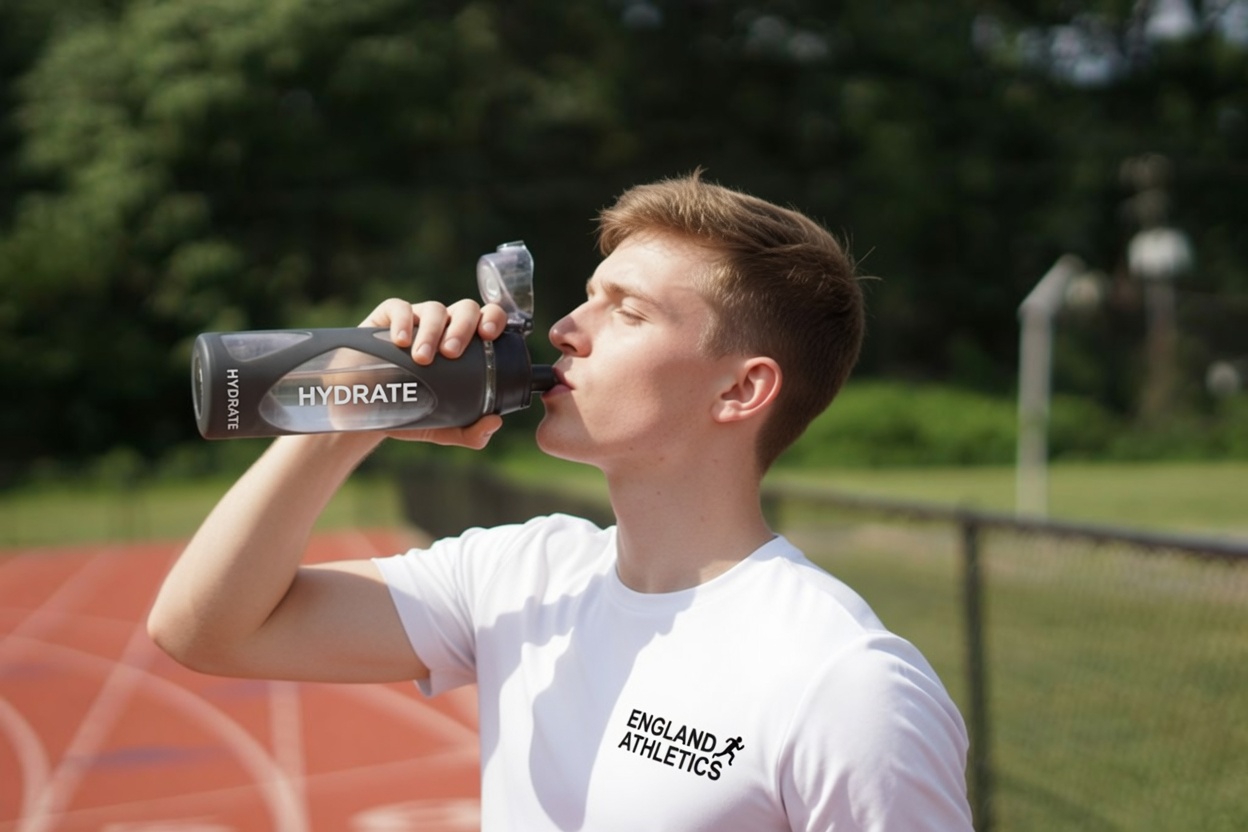
Hydration is one of the most important foundations of overall health and physical performance. For gut health, water does far more than relieve thirst. It helps the body break down food, move it through the digestive tract, and absorb the nutrients needed for recovery and energy.
For anyone who trains regularly, even mild dehydration can hurt performance. It can make exercise feel more difficult, reduce endurance, and slow post-workout recovery. Since the gut helps deliver nutrients to the muscles, proper hydration supports the entire system.
Water needs vary depending on the person and their activity level, but a general guideline is to drink 8 to 10 glasses of water per day. During intense training sessions or long workouts, fluid losses increase through sweat, so it is especially important to replace that water.
4. Cut Back on Processed Foods and Added Sugar
Highly processed foods and sugary drinks are common in modern diets, but they can be harmful to the gut. While convenience foods and late-night fast food may feel satisfying in the moment, regular intake can encourage the growth of harmful bacteria in the digestive system.
When processed foods dominate the diet, the gut microbiome can become imbalanced. This may lead to:
- Bloating
- Inflammation
- Low energy
- Poorer recovery
- Reduced athletic performance
The goal is not to eliminate all treats forever. Instead, focus on realistic improvements that are easier to maintain over time. Helpful swaps include:
- Sparkling water with lemon instead of soda
- Fruit or nuts instead of packaged snacks
- More whole foods in place of heavily processed meals
Small changes are often more sustainable than extreme diet overhauls.

5. Manage Stress and Improve Sleep to Protect Gut Health
Gut health is influenced by much more than food and water. Stress and poor sleep can also disturb the balance of gut bacteria, leading to increased inflammation and slower digestion. Over time, that imbalance can make recovery harder and consistency in training more difficult.
When stress levels rise, the body releases hormones such as cortisol, which can affect both digestion and energy. Lack of sleep creates similar problems, often leaving you more tired, more likely to crave unhealthy foods, and less motivated to exercise. Together, stress and poor rest can quietly weaken the results of your efforts in the gym.
To support both gut health and fitness recovery, aim for:
- 7 to 9 hours of sleep each night
- Stress-reducing habits like deep breathing
- Light stretching
- Short walks
- Simple routines that support mental well-being

Final Thoughts
Whether you are a dedicated athlete or a casual gym-goer, gut health should be a priority. It is one of the hidden drivers behind energy, strength, recovery, and long-term wellness.
The good news is that improving gut health does not require drastic changes. Consistent habits such as eating more fiber, adding probiotics, drinking enough water, reducing processed foods, and managing stress can make a meaningful difference over time. These small but intentional lifestyle changes may not produce instant visible results, but they create a stronger foundation for lasting fitness success.