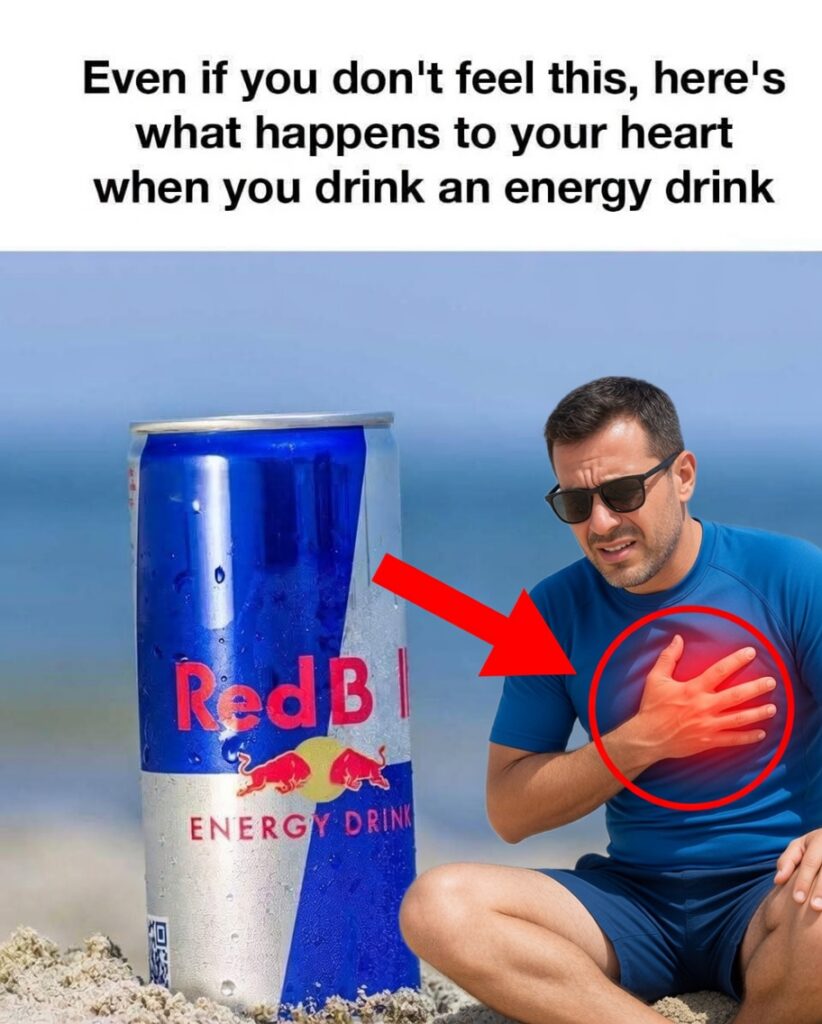
Energy Drinks in Today’s High-Speed Lifestyle
Energy drinks have become a common choice for people trying to keep up with busy schedules. Promoted as products that increase energy, sharpen focus, and support physical performance, these beverages are especially popular with young adults, athletes, and working professionals. Over the last few decades, the global energy drink market has expanded rapidly, fueled by strong advertising and growing demand for fast, convenient energy.
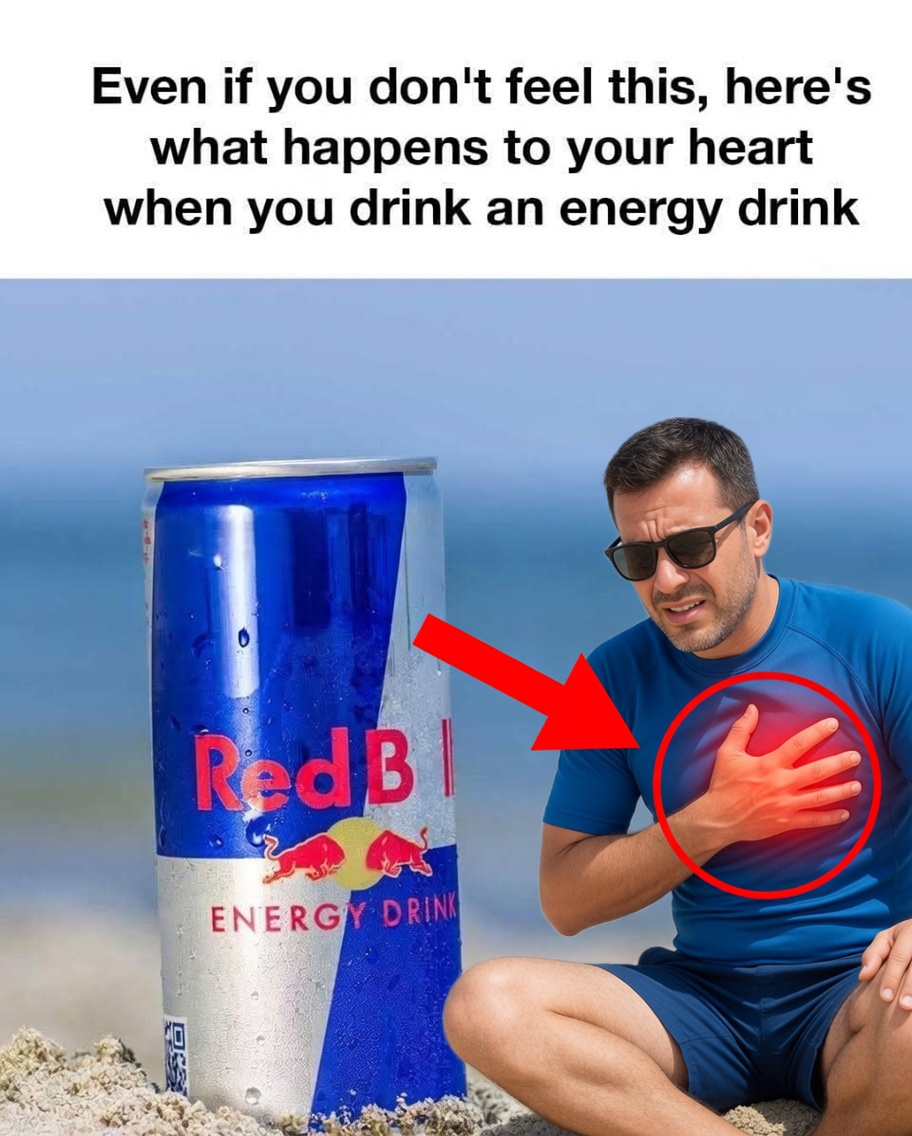
At the same time, higher consumption has raised serious questions about energy drink safety, particularly their potential effects on heart health and the cardiovascular system.
What’s Inside an Energy Drink?
Most energy drinks contain a mix of stimulants and additives designed to create a “boost” effect. While formulas vary by brand, the most common ingredients include:
- Caffeine (usually the main active stimulant, often in high amounts)
- Sugar (sometimes very high per serving)
- B vitamins
- Amino acids and herbal compounds such as:
- Taurine
- Guarana
- Ginseng
These ingredients are often marketed as working together to improve alertness and performance. However, combining multiple stimulants—especially at higher doses—can affect the body in unpredictable ways, with the heart being one of the most sensitive organs.
How Energy Drinks Impact the Cardiovascular System
The cardiovascular system reacts strongly to stimulants like caffeine. After drinking an energy drink, common short-term effects may include:
- Faster heart rate
- Higher blood pressure
Because of these changes, the heart may need to pump harder than usual. This can be more stressful when energy drinks are consumed frequently, in large quantities, or by people with underlying medical issues.
Short-Term Changes: Heart Rate and Blood Pressure Spikes
Many people feel the effects soon after consumption. Caffeine can stimulate the body to release adrenaline and other stress-related hormones, which may lead to noticeable increases in pulse and blood pressure.
These responses tend to be stronger in people who:
- Are sensitive to caffeine
- Drink multiple cans in a short time
- Combine energy drinks with other sources of caffeine
Long-Term Effects of Regular Energy Drink Use
Frequent energy drink consumption may contribute to longer-term cardiovascular problems, such as:
- Hypertension (high blood pressure)
- Arrhythmias (irregular heart rhythm)
- Greater risk of heart disease
In addition, many energy drinks contain large amounts of sugar. High sugar intake is linked to weight gain and type 2 diabetes, both of which significantly increase the risk of cardiovascular disease.
Higher Risk for People with Existing Heart Conditions
Energy drinks can be especially dangerous for individuals who already have heart or circulation problems, including:
- Hypertension
- Arrhythmias
- Coronary artery disease
In these cases, stimulant-driven increases in heart rate and blood pressure may worsen symptoms and could trigger serious events such as heart attack or stroke.
Energy Drinks vs. Coffee and Other Caffeinated Beverages
Although coffee and tea also contain caffeine, energy drinks often differ in important ways:
- Many energy drinks have higher caffeine concentrations per serving
- Extra stimulants (like guarana) and added sugars may intensify their effects
- Energy drinks are often consumed quickly, which can cause a rapid rise in blood caffeine levels compared with sipping coffee over time
The Hidden Impact of Sugar and Artificial Additives
Beyond stimulants, energy drinks commonly include sweeteners, preservatives, and artificial additives. High sugar and certain additives may contribute to issues that affect heart health, including:
- Obesity
- Insulin resistance
- Inflammation
All of these are strongly associated with cardiovascular disease. Some artificial ingredients may also have unclear long-term effects, especially with regular use.
What Research Says About Energy Drinks and Heart Health
Scientific studies consistently report that energy drinks can cause measurable cardiovascular changes, including:
- Increased heart rate
- Elevated blood pressure
- A possible higher likelihood of arrhythmias and related complications
Researchers continue to investigate long-term outcomes and to help define safer limits for consumption.
Safer Energy Drink Use: Practical Guidelines
Health professionals generally advise moderation. Common recommendations include:
- Limit intake to one can per day
- Do not mix energy drinks with alcohol or other stimulants
- If you have a heart condition—or react strongly to caffeine—talk to a healthcare professional before using energy drinks
Reading labels and understanding ingredient amounts can help you make safer, more informed decisions.
Conclusion: Getting an Energy Boost Without Sacrificing Heart Health
Energy drinks may offer a quick lift in energy and alertness, but they can also place strain on the cardiovascular system—especially when used frequently or by people with existing health concerns. Knowing what’s in these drinks and how they affect heart rate, blood pressure, and long-term heart health is essential. With awareness and moderation, it’s possible to reduce risk while making smarter choices about energy-boosting beverages.