Purslane (Portulaca oleracea): Health Benefits, Nutrition, and Easy Ways to Eat It
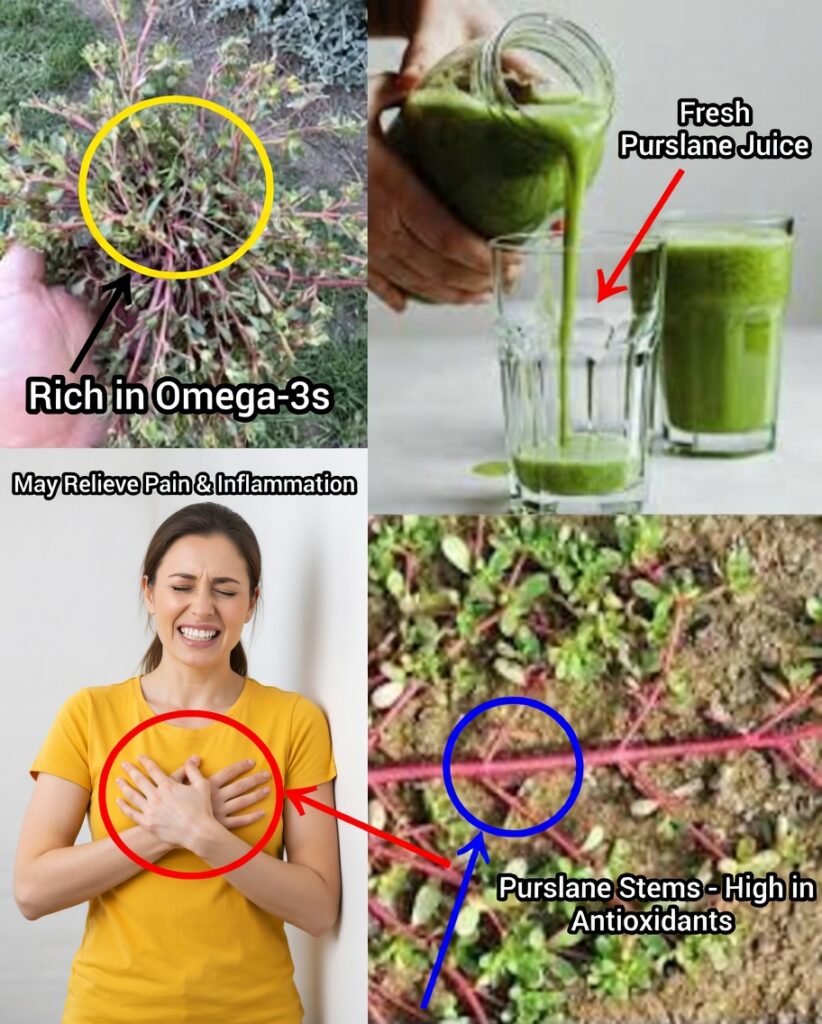
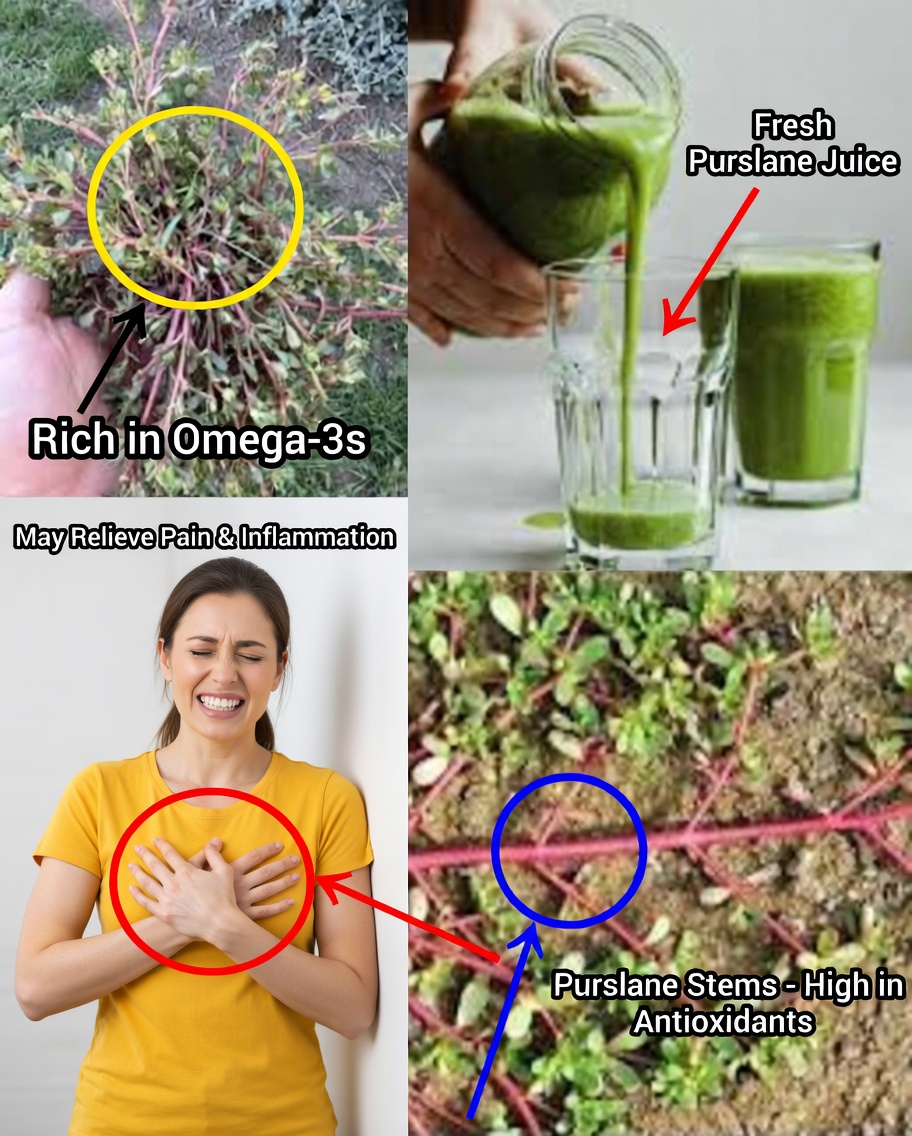
Portulaca oleracea—better known as purslane—is an edible plant celebrated for its impressive nutrient profile and long history in traditional medicine. Often described as a natural superfood, purslane stands out for its omega-3 fatty acids, antioxidants, vitamins, and minerals. If you’re looking for a simple way to upgrade your diet, purslane is a smart place to start.
1) Rich in Plant-Based Omega-3 Fatty Acids
Purslane is one of the best plant sources of alpha-linolenic acid (ALA), a key omega-3 that the body needs for many vital functions. Regular intake may support:
- Cardiovascular health and lower inflammation
- Brain function, focus, and memory
- Joint comfort, including inflammation-related stiffness
How to use it: Add fresh purslane to salads or blend it into smoothies for an easy omega-3 boost.
2) Antioxidant Support for Immunity and Healthy Aging
This plant contains notable levels of vitamins A, C, and E, along with antioxidants such as glutathione and beta-carotene. These compounds can help:
- Protect cells by reducing oxidative stress
- Support skin elasticity and minimize early signs of aging
- Strengthen immune defenses against everyday health challenges
How to use it: Sip purslane tea as a daily antioxidant-friendly option.
3) Helps Support Heart Health and Healthy Cholesterol
Thanks to its combination of omega-3s, potassium, and magnesium, purslane may contribute to better cardiovascular balance by helping:
- Maintain healthy blood pressure
- Support healthier LDL (“bad”) and HDL (“good”) cholesterol levels
- Promote smoother circulation and overall heart function
How to use it: Include purslane regularly in meals to naturally support heart wellness.
4) Traditional Support for Blood Sugar Balance
Purslane contains compounds often described as insulin-like, which may help the body manage glucose more efficiently. It is traditionally used to:
- Support healthier fasting blood sugar
- Improve insulin sensitivity
- Lower risk factors associated with type 2 diabetes
How to use it: Some people drink purslane juice in the morning as part of a balanced routine.
5) Promotes Digestive Comfort and Regularity
With its fiber and soothing plant compounds (including mucilage), purslane can be helpful for digestive wellness by supporting:
- Smoother digestion and a calmer stomach
- Relief from constipation
- A healthier environment for beneficial gut bacteria
How to use it: Eat it fresh in a salad or blend it into a green smoothie.
6) Weight Management-Friendly: Low Calories, High Nutrients
Purslane is naturally low in calories but offers fiber and micronutrients that may assist with weight goals by helping to:
- Reduce cravings by promoting fullness
- Support healthy metabolism
- Encourage gentle detox support as part of a balanced diet
How to use it: Try purslane in soups or quick stir-fries for a satisfying, lighter meal.
7) Supports Bone Strength and Long-Term Skeletal Health
This edible green provides minerals and vitamins important for bones, including calcium, magnesium, and vitamin K. These nutrients help:
- Maintain strong bones and teeth
- Reduce risk factors linked to osteoporosis
- Support recovery and bone maintenance over time
How to use it: Add purslane to meals consistently for steady nutritional support.
8) Skin-Soothing and Wound Care in Traditional Use
Purslane has a long reputation as a natural topical helper due to its anti-inflammatory and antioxidant compounds. Traditionally, it has been used to:
- Encourage faster wound recovery
- Calm irritation related to eczema or breakouts
- Reduce visible redness and swelling
How to use it: Crush fresh leaves and apply the juice to minor skin irritation (as commonly done in traditional practice).
9) Kidney and Liver Support Through Natural Diuretic Action
Purslane is often described as a natural diuretic, meaning it may help the body eliminate excess water and support natural cleansing processes. Traditionally, it’s used to:
- Support kidney function and help reduce kidney stone risk
- Assist the liver’s role in detoxification
- Soothe inflammation in the urinary tract
How to use it: Drink purslane tea to support hydration and cleansing routines.
10) Eye Health and Vision Support
Purslane contains beta-carotene, vitamin A, and lutein, nutrients commonly linked to eye protection. These may help:
- Reduce risk factors tied to cataracts and macular degeneration
- Support night vision and overall eye function
- Ease dryness and eye strain caused by daily screen time
How to use it: Combine purslane with carrots and leafy greens to amplify eye-supporting nutrients.
Final Thoughts: Why Purslane Deserves a Place in Your Diet
Purslane (Portulaca oleracea) is a nutrient-dense edible plant with wide-ranging benefits—from supporting heart and brain health to promoting digestion, skin comfort, and detox support. Simple to prepare and easy to add to everyday meals, this humble green can be a powerful addition to a health-focused lifestyle.
Have you tried purslane yet, and what’s your favorite way to eat it?