One Punch Man Workout Challenge: How It Works, Benefits, Risks, and Safe Progression
If you follow anime, manga, or fitness trends on TikTok and Instagram, you have probably come across the One Punch Man workout challenge.
For anyone new to it, this is a 30-day workout plan inspired by Saitama, the main character from the popular anime One Punch Man. In the story, Saitama begins as an ordinary aspiring hero. After rescuing a child from the monster Crablante, he realizes he still is not strong enough.
So he commits to a simple but brutal idea: daily endurance training for three years. Eventually, he becomes so powerful that he can defeat almost any opponent with a single punch, which is how he earns the name One Punch Man.
That fictional training routine has pushed many people to test it in real life. It has become one of the most talked-about anime-inspired fitness challenges online.
But is a superhero-style workout actually safe? Is it realistic for the average person? And how should you begin without overdoing it?
This guide covers everything you need to know about the One Punch Man exercise routine, including what it includes, how effective it is, the potential risks, and how to approach it more safely.
What Is the One Punch Man Workout?
The One Punch Man workout combines bodyweight strength training and cardio endurance. It is designed to target the upper body, lower body, core, and aerobic fitness at the same time.
One reason the routine is so popular is that it is extremely simple. You do not need expensive equipment or even a gym membership. However, simple does not mean easy. The challenge demands consistency, discipline, and a lot of mental toughness.
The classic version of the workout includes:
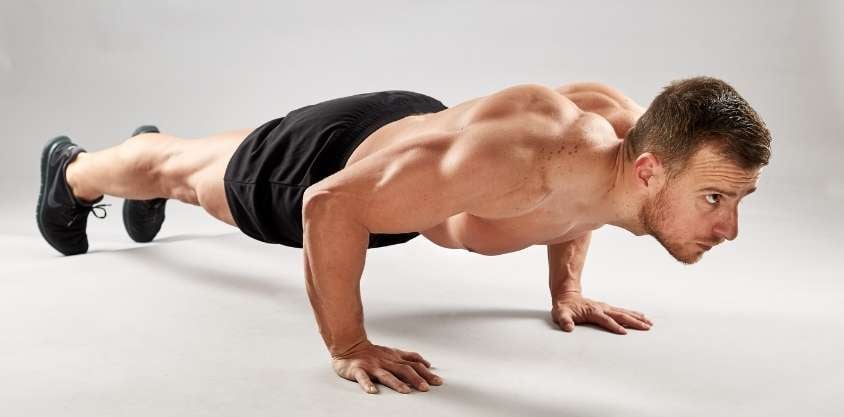
- 100 push-ups
- 100 sit-ups
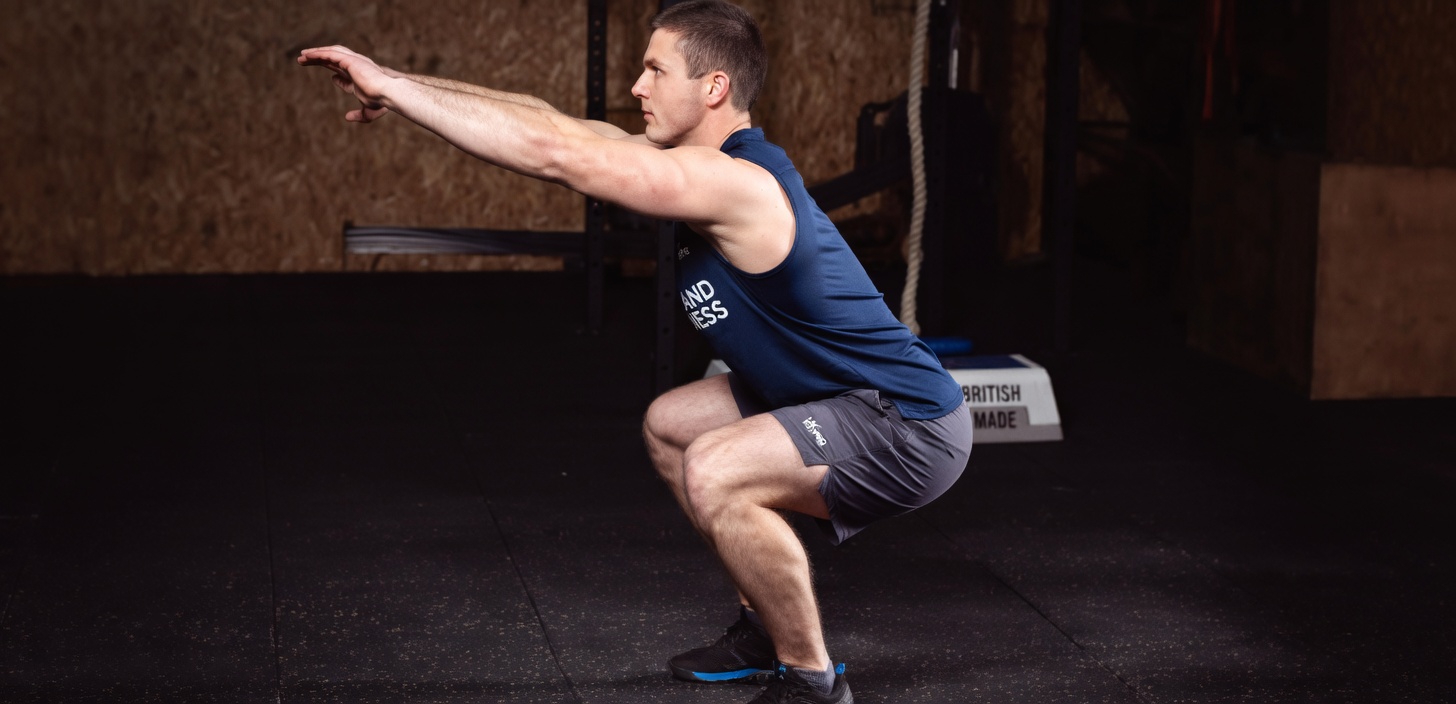
- 100 squats
- 10-kilometer run
These exercises are meant to be done regularly, making the routine a serious test of endurance and recovery.
The 10 Levels of the One Punch Man Workout Challenge
Jumping straight into the full Saitama workout is too difficult for most people. A smarter way to approach it is to build up in stages. The progression below breaks the challenge into 10 levels.
-
Level 1
- 10 push-ups
- 10 sit-ups
- 10 squats
- 1-kilometer run
-
Level 2
- 20 push-ups
- 20 sit-ups
- 20 squats
- 2-kilometer run
-
Level 3
- 30 push-ups
- 30 sit-ups
- 30 squats
- 3-kilometer run
-
Level 4
- 40 push-ups
- 40 sit-ups
- 40 squats
- 4-kilometer run
-
Level 5
- 50 push-ups
- 50 sit-ups
- 50 squats
- 5-kilometer run
-
Level 6
- 60 push-ups
- 60 sit-ups
- 60 squats
- 6-kilometer run
-
Level 7
- 70 push-ups
- 60 sit-ups
- 60 squats
- 6-kilometer run
-
Level 8
- 80 push-ups
- 80 sit-ups
- 80 squats
- 8-kilometer run
-
Level 9
- 90 push-ups
- 90 sit-ups
- 90 squats
- 9-kilometer run
-
Level 10
- 100 push-ups
- 100 sit-ups
- 100 squats
- 10-kilometer run
Depending on your current fitness level, you may be able to start at Level 2 or Level 3 instead of Level 1. The key is to begin at a point that challenges you without making the workout feel impossible or painfully easy.
The original challenge suggests doing the full routine seven days a week for 30 days, with the goal of reaching Level 10 by the end. If you do not get there within a month, that does not mean you have failed. This is a demanding program, and progress takes time.

How Effective Is the One Punch Man Workout?
Before starting the Saitama workout, it is important to look at it realistically.
A daily check-in with yourself matters. Ask simple questions after each session:
- How does your body feel?
- Can you maintain proper form?
- Are the reps manageable, or are you pushing into pain?
The original workout comes from an anime, which means it is based on fantasy rather than exercise science. Expecting dramatic results in only 30 days, especially with no scheduled recovery, is not realistic for most people.
For improvements in cardio fitness, muscular endurance, and body composition, a more practical timeline is usually six to eight weeks or more, depending on your starting point.
There is also the issue of exercise selection. While some parts of the routine can help burn calories and improve endurance, doing very high volumes every day may not produce the best results. In some cases, it can simply lead to exhaustion, poor recovery, or injury.
Important limitations of the workout
- Too much volume can cause fatigue and reduce workout quality.
- Sit-ups are often debated because they are not always the safest or most effective core exercise, especially if performed with poor technique.
- Push-ups mainly train the chest, shoulders, and triceps, but they do not balance the body on their own. Many people would benefit from adding pulling movements, such as horizontal rows, to better train the back and shoulders.
So yes, the One Punch Man workout can improve conditioning and consistency, but it is not necessarily the ideal all-in-one fitness plan.
Is the One Punch Man Workout Safe?
The routine is inspiring, but that does not automatically make it safe.
Because it includes a large amount of repeated movement, there is a real risk of acute injury or musculoskeletal strain, especially if your form breaks down. Repeating push-ups, squats, sit-ups, and running every day without proper technique can overload joints, muscles, and connective tissue.
One of the biggest concerns is the lack of rest days.
After exercise, your body needs time to recover, rebuild, and adapt. That recovery process is what allows muscles to become stronger and endurance to improve. A training plan with no built-in rest can work against progress instead of helping it.
A more balanced approach would include:
- Harder training days
- Easier days with fewer reps
- At least one lighter recovery day each week
- Walking or mobility work instead of intense exercise when needed
If your body feels very sore, taking 48 to 72 hours of recovery may be the smarter choice. Training hard on muscles that have not fully recovered can slow progress and increase the chance of injury.
How to Progress Safely With the Saitama Workout
If you want to try the One Punch Man fitness challenge, the most important rule is to stay realistic.
1. Start with your actual fitness level
Do not choose a starting point based on ego. Pick a level that matches your current strength, endurance, and running ability. A smart starting point helps you stay consistent and reduces injury risk.
2. Check with a doctor if needed
If you have any medical condition, past injury, or ongoing physical issue, speak with a healthcare professional before attempting this type of high-volume training.
3. Use it as part of a bigger fitness plan
The routine can be a strong bodyweight workout, but it should not be the only thing you focus on. Your results also depend on:
- Nutrition
- Sleep
- Hydration
- Recovery
- Mobility and flexibility
4. Expect plateaus and setbacks
Progress is not always smooth. Overtraining can eventually cause a plateau, especially once you are no longer a beginner. Everyone experiences this differently.
Factors that affect recovery and performance include:
- Age
- Sleep quality
- Training history
- Previous injuries
- Overall stress levels
5. Modify the workout to fit your body
The challenge should be adjusted to the person doing it. You may need to change the volume, pace, or exercise variations based on:
- Your experience level
- Confidence with each movement
- Stability and coordination
- Running ability
- Recovery capacity
For example, some people may benefit from knee push-ups at first, shorter runs, or replacing sit-ups with safer core exercises.
A Smarter Way to Follow the One Punch Man Routine
The original Saitama workout follows a strict formula, and that structure is part of its appeal. It has a clear purpose and can be motivating for the right person. Still, most people will do better with a modified version rather than trying to copy the anime routine exactly.
A practical version might include:
- Gradual progression through the 10 levels
- One or two rest days each week
- Better exercise balance, including pulling exercises
- Core work that feels safer and more effective
- Realistic expectations about results
The challenge can absolutely build discipline and endurance, but proper form and consistency matter more than blindly chasing the full numbers.
Final Thoughts on the One Punch Man Workout Challenge
The One Punch Man workout challenge is popular because it is simple, intense, and tied to a powerful anime story. It can be a fun and motivating way to improve your fitness, especially if you enjoy bodyweight training and endurance work.
However, it is not magic, and it is not ideal for everyone in its original form. Daily high-volume training without enough rest can create more problems than progress.
If you decide to try it, focus on:
- Good technique
- Gradual progression
- Adequate recovery
- Proper nutrition and sleep
- Patience with your results
Most importantly, do not compare your progress to anyone else. Everybody starts from a different place, and your best results will come from training in a way that fits your body, your experience, and your goals.