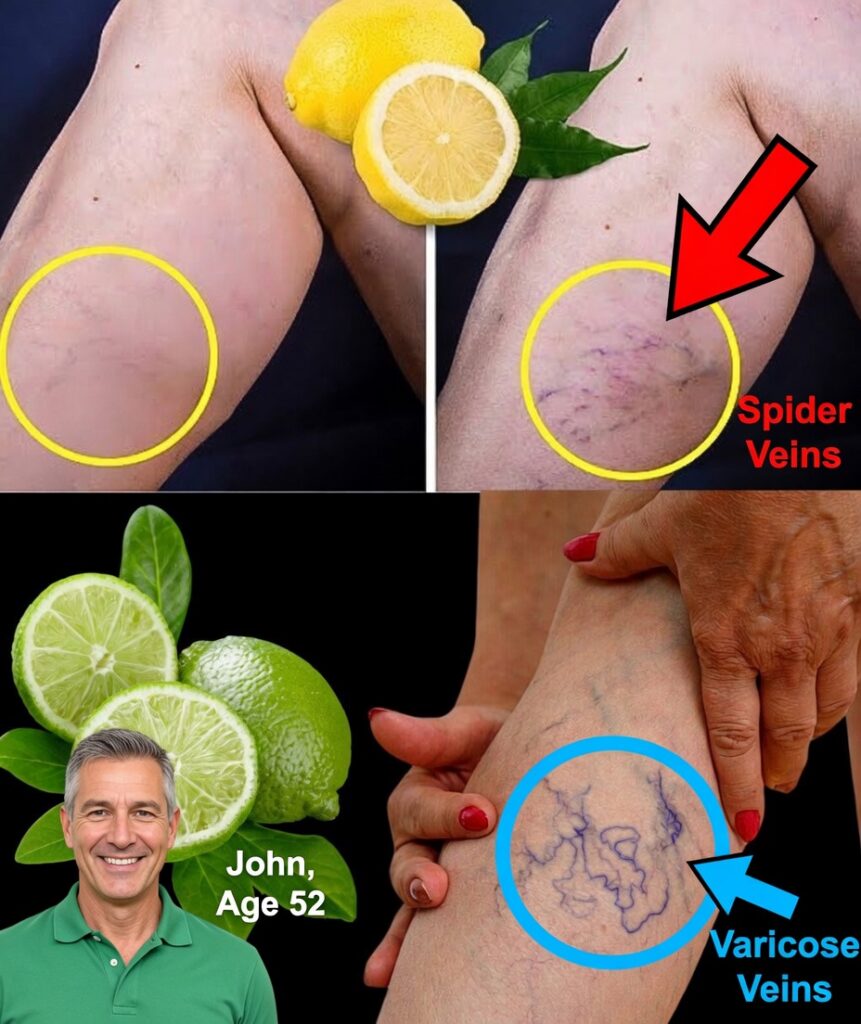
Lemons for Varicose Veins: A Natural Way to Support Circulation and Vein Health
Varicose veins can be uncomfortable and frustrating to look at. They often develop when blood flow is poor, vein valves weaken, or you spend long hours standing or sitting. Although clinical treatments are available, many people also look for natural remedies that fit into a holistic lifestyle. Lemons are a simple, budget-friendly option that may help support circulation and improve the look of tired, swollen veins.
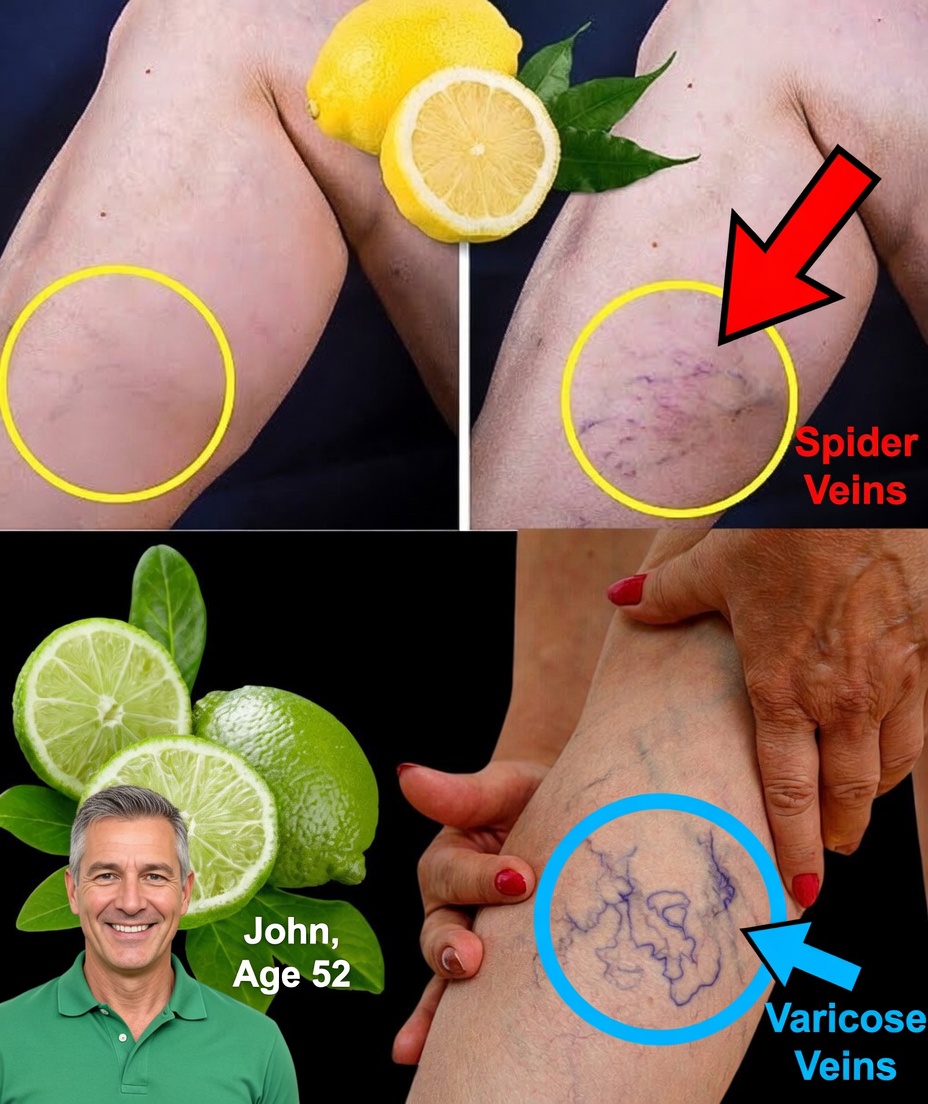
Why Lemons May Help with Varicose Veins
Lemons aren’t only useful in cooking—they also contain nutrients that can support blood vessel function and overall vein wellness.
-
High in vitamin C
- Vitamin C contributes to stronger, more elastic blood vessel walls, which may help reduce ongoing strain on weakened veins.
-
Packed with antioxidants
- Lemon antioxidants help defend the body from oxidative stress and may support a healthier inflammatory response—two factors often linked with vascular discomfort.
-
Supports healthier circulation
- Regular use of lemon-based remedies (topical or dietary) may encourage better blood flow, helping ease heaviness and pressure in the legs.
How to Make Homemade Lemon Oil for Varicose Veins
Making lemon-infused oil at home is a practical way to create a massage oil for daily leg care.
Ingredients
- 2 fresh organic lemons
- 1/4 cup olive oil or coconut oil
- A small clean jar with a lid
- Optional: A few drops of lavender essential oil for a calming scent
Step-by-step instructions
- Zest the lemons
- Grate only the bright yellow skin. Avoid the white layer underneath (pith), which can be bitter and irritating for some skin types.
- Warm and infuse the oil
- Add the zest and oil to a double boiler. Heat gently for 10–15 minutes—warm, not boiling.
- Strain and store
- Strain out the zest into a clean jar. Let the oil cool fully, then store it in a cool, dark place.
How to Use Lemon Oil on Varicose Veins
Daily upward massage
- Apply a small amount of lemon oil to the area.
- Massage gently upward toward the heart for 5–10 minutes, which can help encourage circulation and reduce the feeling of pressure.
Stick with it
- For best results, repeat daily, ideally in the evening before bed.
Other Lemon Remedies to Support Vein Health
1. Warm lemon water for daily hydration and circulation support
Drinking warm lemon water may help hydration and circulation while supporting the body’s natural cleansing processes.
- Squeeze half a lemon into a glass of warm water and drink once a day.
2. Lemon compress for fast, temporary comfort
- Combine fresh lemon juice with warm water.
- Soak a clean cloth in the mixture and apply to the area for 10–15 minutes.
- This can help with temporary relief and may reduce swelling for some people.
Tips to Improve Results Naturally
Pair lemon remedies with habits that support healthy blood flow:
- Elevate your legs: Raise legs for 15–20 minutes daily to help reduce pooling.
- Wear compression socks: Added support can help limit swelling and discomfort.
- Move more often: Low-impact options like walking, swimming, and yoga can improve circulation.
- Eat for vein support: Focus on antioxidant-rich foods such as berries, spinach, and nuts to promote vascular health.
Final Thoughts
Lemons can be a helpful, natural addition to a varicose vein care routine—especially through lemon oil massage, lemon water, and soothing compresses. These home approaches won’t replace professional medical care, but they may complement a broader plan focused on circulation, inflammation control, and leg comfort. With consistent use and healthy lifestyle habits, many people notice better-feeling, more supported legs over time.
Explore More Health Tips
- Top 10 Multivitamins for Boosting Immunity
- 7 Best Essential Oils for Stress Relief
- How to Choose the Best Probiotic Supplement
- The Top 5 Home Blood Pressure Monitors
- Best Anti-Inflammatory Foods for a Healthy Diet
- 8 Tips to Improve Sleep Naturally
By staying consistent with these natural strategies, you may support healthier circulation, reduce discomfort, and improve overall leg wellness—starting with something as simple as adding lemons to your daily routine.