Why Losing Weight After 40 Feels More Difficult
Weight loss after 40 can feel frustrating, especially if staying slim used to seem much easier in your 20s. Many adults notice the number on the scale slowly rising during middle age, even when their habits have not changed dramatically.
If this sounds familiar, you are not alone.
Carrying extra weight can affect confidence, drain energy, and raise the risk of long-term health conditions. The good news is that understanding the reasons behind midlife weight gain can help you make smarter choices and get better results.
Why Weight Gain Happens After 40
As the body gets older, metabolism tends to slow down. But a sluggish metabolism is only one part of the story. Several factors often work together to make weight gain more common after 40.
The most common reasons include:
- Lower physical activity
- Hormonal changes
- Genetics
These factors can reduce your metabolic rate, which is the number of calories your body burns at rest. When your metabolism slows, it becomes easier to consume more calories than you use, even without realizing it.
1. Lower Activity Levels
A drop in daily movement is one of the biggest reasons people gain weight in midlife.
This can happen for many reasons:
- Sitting more at work
- Busy schedules
- Joint discomfort
- Less time for exercise
When you move less, you gradually lose muscle mass. This matters because muscle helps your body burn more calories, even while resting. The less muscle you have, the fewer calories you burn, which makes fat gain easier over time.
Adding light movement and strength training can make a major difference when you are trying to lose weight after 40 or maintain a healthy body weight.
2. Hormonal Changes
Hormones also influence body weight, especially around the abdomen.
As people age:
- Women produce less estrogen
- Men produce less testosterone
Both hormones play an important role in metabolism and body composition. Testosterone supports muscle development in both men and women, while estrogen helps regulate body weight. When these hormone levels decline, body fat tends to increase more easily.
For women, menopause is a common time for weight gain or increased difficulty losing weight. Many people refer to this as a “hormonal belly,” since extra weight often settles around the midsection.
Still, hormonal weight gain is not guaranteed. It may make weight management harder, but lifestyle habits continue to play a powerful role.
3. Genetics
Genetics can also affect how likely someone is to gain weight in middle age. Research suggests that both inherited traits and everyday habits influence the chances of putting on extra pounds after 40.
Even if your family history makes weight gain more likely, it does not mean it is unavoidable. Healthy eating, regular exercise, and consistent habits can significantly reduce your risk of becoming overweight and can improve your overall quality of life.
5+ Smart Tips for Losing Weight After 40
1. Focus on Your Diet First
No matter your age, nutrition is the foundation of weight loss.
To lose weight, you need to create a calorie deficit, which means burning more calories than you consume. One simple way to do this is by reducing portion sizes.
That said, eating less can leave you feeling hungry if your meals are not satisfying. To make weight loss easier, choose foods that keep you full.
For example, 100 calories from refined carbs are usually less filling than 100 calories from protein or healthy fats. Building meals around satisfying foods can help reduce hunger and make smaller portions feel manageable.
A balanced plate is a great place to start.
Build a Balanced Plate
Following general healthy eating guidelines, try to include:
Protein
Fill one-quarter of your plate with lean protein, such as:
- Chicken
- Turkey
- Fish
- Tofu
- Lean beef
- Lean pork
Protein helps you feel full faster and stay satisfied longer. It may also reduce the urge to snack between meals.
Fruits and Vegetables
Aim to make half your plate fruits and vegetables.
Choose produce you actually enjoy. Healthy eating is much easier to maintain when your meals are appealing. Fruits and vegetables are naturally high in fiber and low in calories, making them ideal for fullness and weight control.
Whole Grains
Use the remaining quarter of your plate for whole grains, such as:
- Brown rice
- Quinoa
- Whole grain bread
- Whole wheat pasta
Whole grains add fiber, which can help keep you satisfied for longer.
Healthy Fats
Include small portions of healthy fats to improve flavor and satiety, such as:
- Avocado
- Olive oil
- Nuts
- Nut butter
For snacks, try options like mixed nuts or apple slices with peanut butter. Nutritious snacks can still be enjoyable and help control cravings.
2. Reduce Processed Foods
Processed foods, especially refined carbohydrates, are easy to overeat and often low in nutritional value. Limiting them can make weight loss after 40 much more manageable.
Instead of reaching for chips or crackers, choose more filling options like:
- Fresh fruit
- Greek yogurt
- Nuts
- High-protein snacks
Keeping a food diary can also help. Writing down what you eat makes it easier to spot patterns, practice moderation, and stay accountable. You can use a notebook or a mobile app, whichever feels easier to maintain.
If you need more guidance, consider speaking with a registered dietitian or nutrition professional for personalized support.
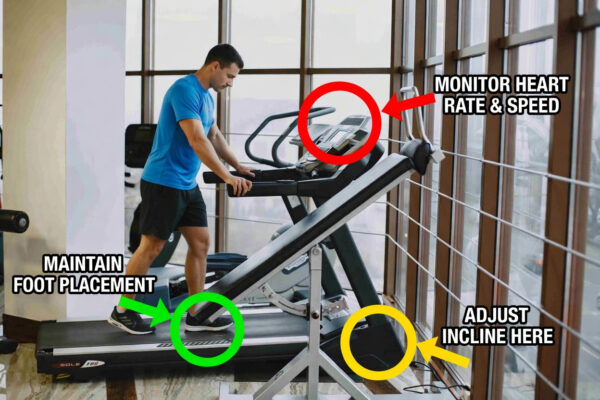
3. Keep Moving
Regular movement becomes even more important with age.
Your workouts may not look the same as they did in your 20s, and that is completely normal. What matters most is staying active in a way that supports your health and feels realistic.
A good weekly routine might include:
- Brisk walking
- Resistance training
- Low-impact cardio
- Flexibility or mobility work
Exercise helps:
- Support a healthier metabolism
- Preserve muscle mass
- Improve mood
- Lower the risk of chronic diseases such as heart disease and diabetes
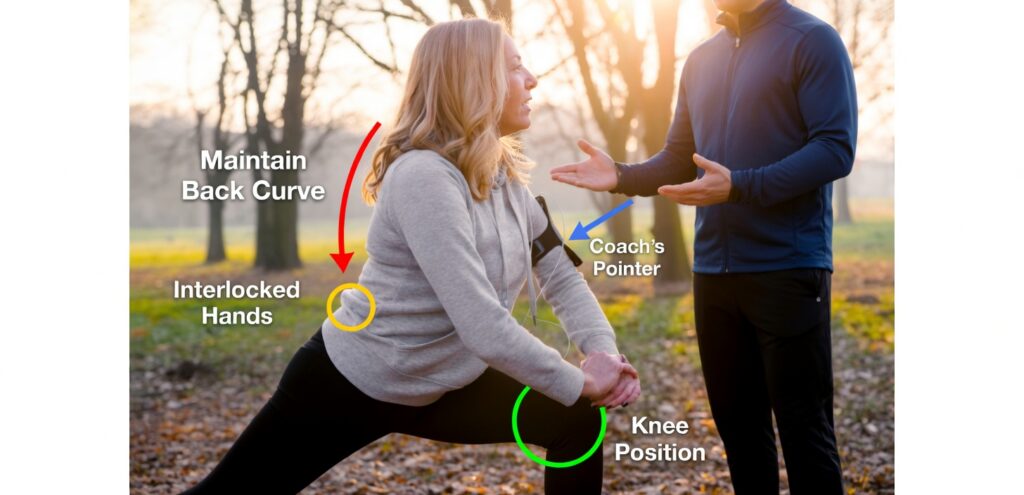
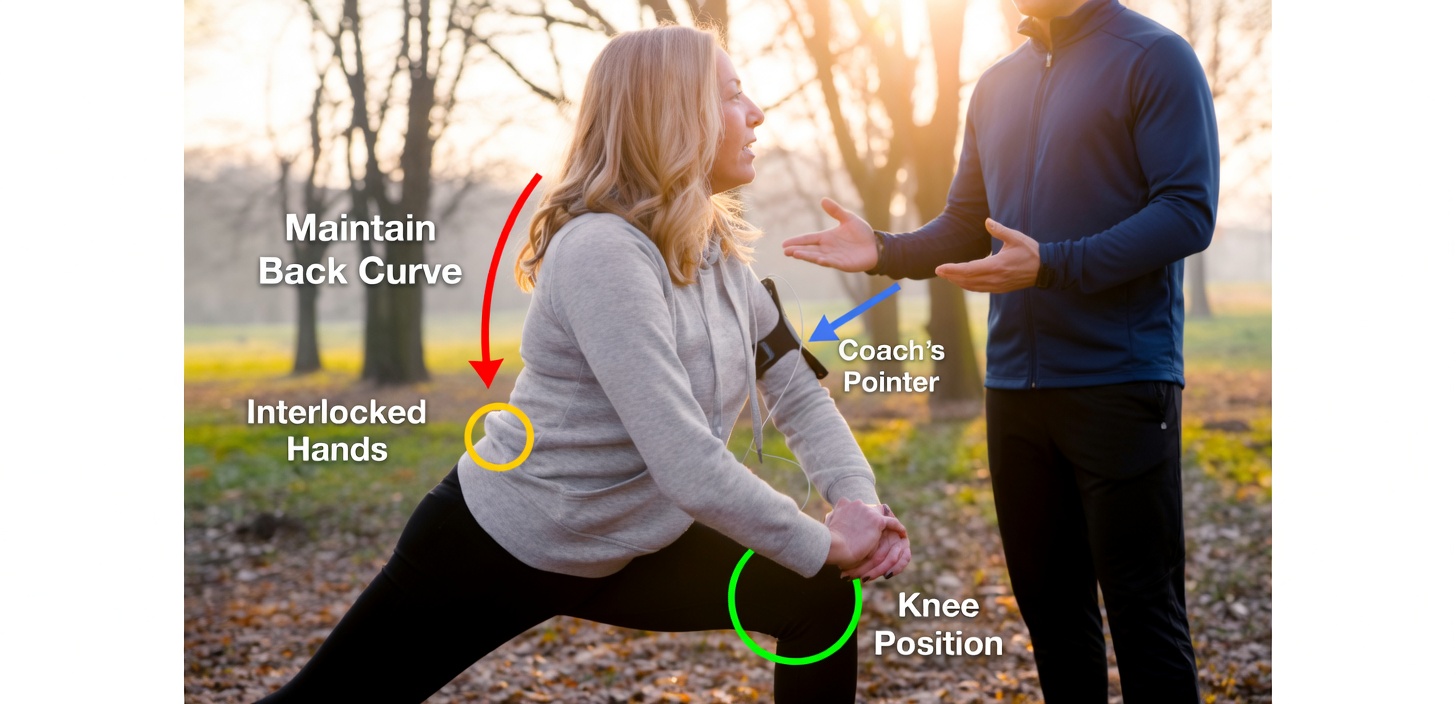
If strength training feels intimidating, working with a personal trainer can help you learn proper form and build confidence while reducing the risk of injury.
Most importantly, choose activities you enjoy. If you dislike running but love dancing, dancing is a great workout. Enjoyment makes consistency much easier.
4. Stay Consistent
Consistency is one of the most important parts of successful weight loss.
Healthy meals once in a while and occasional exercise are not enough to create lasting change. Results come from repeating healthy habits over time.
The best way to build consistency is to start small.
Choose one simple change and stick with it until it feels natural. Once that habit becomes part of your routine, add another. Gradual improvement is often more effective than trying to change everything at once.
Small actions, repeated regularly, lead to long-term success.
5. Lower Stress
Stress can make weight loss more difficult, especially during middle age. High stress levels can affect eating habits, energy, sleep, and motivation to exercise.
When stress builds up, many people are more likely to:
- Overeat
- Crave comfort foods
- Skip workouts
- Sleep poorly
Managing stress can support better weight control and improve overall well-being. Helpful strategies may include:
- Daily walks
- Deep breathing
- Meditation
- Journaling
- Better sleep habits
- Setting aside time for rest
Reducing stress may not seem like a traditional weight loss tip, but it can have a big impact.
Final Thoughts on Weight Loss After 40
Gaining weight after 40 is common, but it is not something you have to accept without a plan. A slower metabolism, reduced activity, hormonal changes, and genetics can all contribute to midlife weight gain, yet your daily habits still matter most.
If you want to lose weight after 40, focus on the basics:
- Eat a balanced, satisfying diet
- Limit processed foods
- Stay physically active
- Build consistency
- Manage stress
Healthy weight loss in middle age is possible. With realistic habits and a long-term mindset, you can feel stronger, healthier, and more confident at any age.