Thinking About Doing Squats Every Day for 30 Days?
Squats are one of the most popular exercises in the gym for a reason. Beginners and experienced athletes both rely on them to shape the glutes, strengthen the core, and support a stronger lower body.
If squats are already part of your workouts, you may wonder what could happen if you do them every day for a month. The answer is not the same for everyone. Your results can depend on your fitness level, your form, and how hard you push each session.
The Problem: Daily Squats Can Help — but They Can Also Challenge Your Body
Doing squats every day for 30 days can feel powerful, especially if you want to build strength and stay consistent. But this approach is not always simple.
If you are new to exercise or coming from a sedentary lifestyle, daily squats may feel especially tough at first. Muscle soreness and fatigue are common in the beginning. While your body can adapt over time, jumping in too fast may make the experience harder than expected.
The Cause: Why Daily Squats Feel So Effective
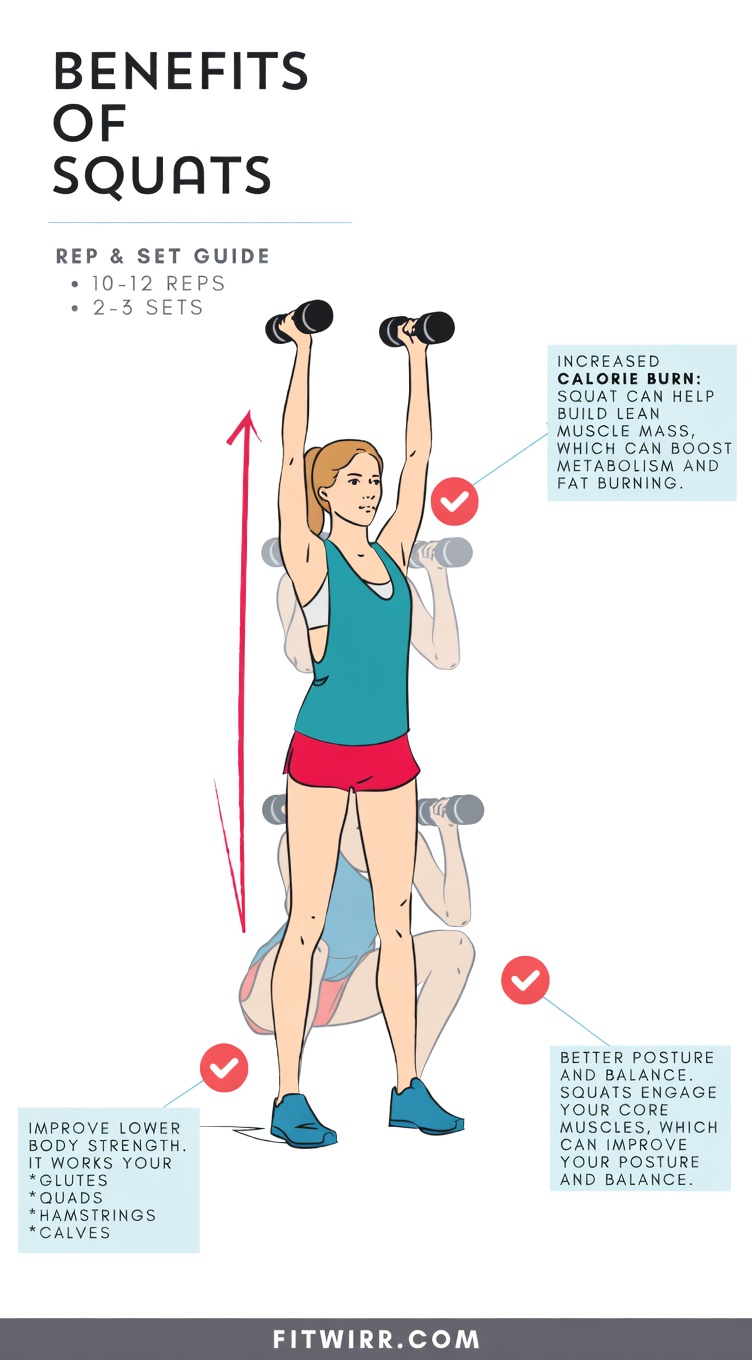
Squats are a compound exercise, which means they train several muscle groups at once. They work the glutes, quads, hamstrings, and calves, which is why they can improve lower-body strength and make everyday movement feel easier.
They also activate the core, which plays an important role in stability, posture, and balance. On top of that, squats are a high-intensity movement that can increase calorie burn throughout the day. Because they help build lean muscle mass, they may also support a higher metabolism, even while resting.
Still, doing them every day can create problems if your body does not get enough recovery or if your technique is off.
Possible Benefits of Daily Squats
- More lower-body strength: Squats train multiple muscles at the same time, helping strengthen the glutes, quads, hamstrings, and calves.
- Better posture and balance: Because your core stays engaged during the movement, regular squatting can improve stability and body alignment.
- Higher calorie burn: Squats are intense and can help you burn more calories, while also supporting lean muscle mass.
The Cause of Potential Problems: Too Much, Too Soon, or Poor Form
Even though squats offer plenty of benefits, doing them every day without a smart plan can create setbacks.
Risks to Watch For
- Overtraining: Squatting daily without enough recovery can increase the risk of injury.
- Poor technique: Bad form can place extra stress on the joints and raise injury risk.
- Muscle imbalance: Repeating the same squat pattern every day without variation may overwork some muscles while leaving others undertrained, which can lead to pain or injury later.
The Solution: Squat Smarter, Not Just More Often
If you want to try a 30-day squat habit, focus on doing it safely and with control.
How to Do a Basic Squat
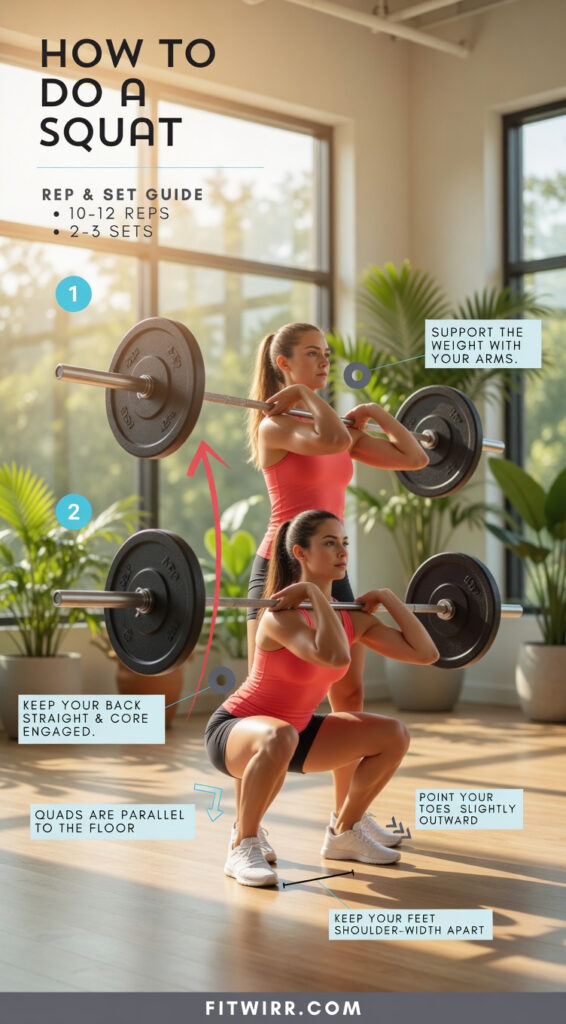
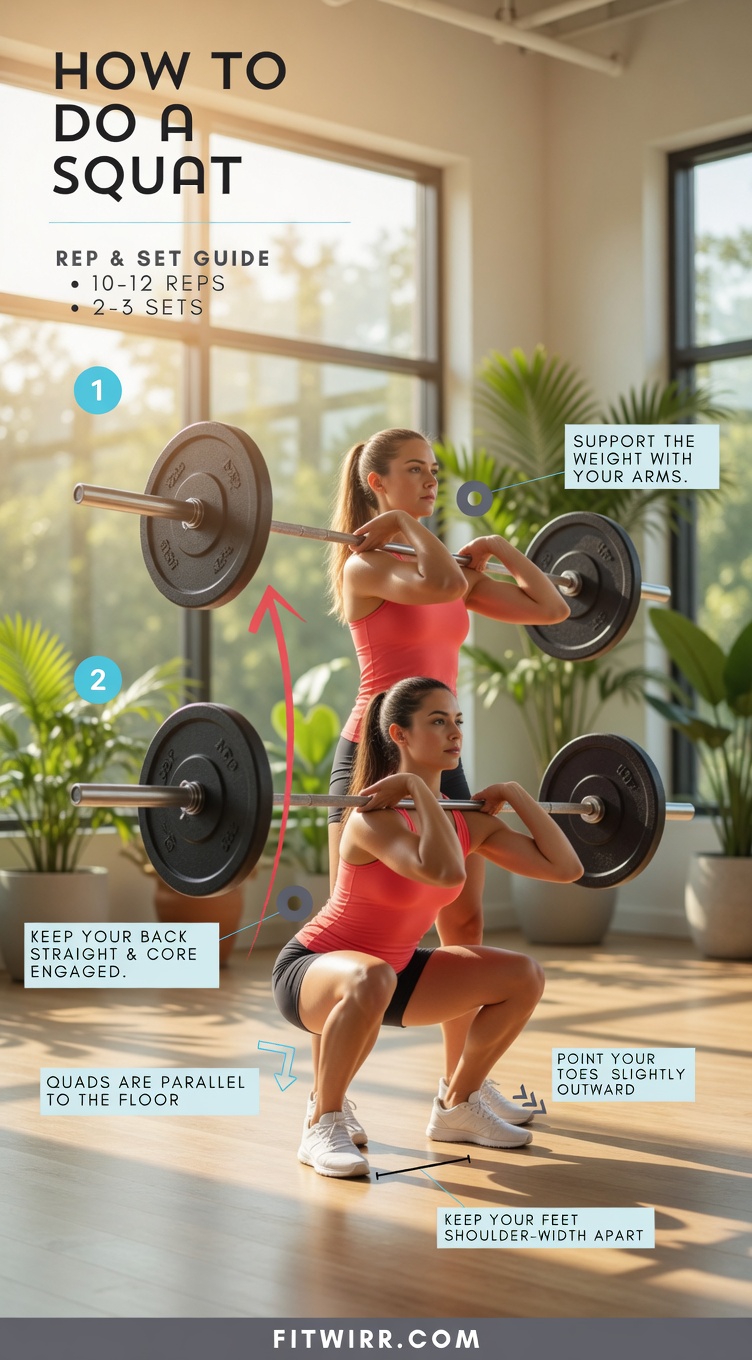
- Stand with your feet shoulder-width apart and your toes slightly turned out.
- Keep your chest lifted and your core engaged during the movement.
- Push your hips back like you are sitting into a chair, while keeping your knees behind your toes.
- Lower until your thighs are parallel to the floor, or as far as your mobility allows.
- Press through your heels and squeeze your glutes as you return to standing.
- Repeat for your chosen number of reps, always paying attention to control and form.
Tips for a Better 30-Day Squat Challenge
- Start slowly if you are new to squats.
- Build intensity and frequency gradually instead of doing too much right away.
- Protect your form rather than rushing through repetitions.
- Listen to your body and take rest days when needed.
- Ask a trainer for help if you are unsure about technique.
The Bottom Line
Daily squats for 30 days can lead to noticeable improvements in strength, endurance, posture, and balance. Over time, your muscles can adapt, and you may feel stronger and more capable in everyday activities like walking, running, and jumping.
But more is not always better. Recovery matters, technique matters, and your body’s signals matter. If you decide to take on a daily squat challenge, approach it with patience and proper form so you can enjoy the benefits while lowering your risk of injury.
Consult a healthcare professional before making changes.