Is Aluminum Foil Safe? The Hidden Health Risks in Your Kitchen
That shiny roll of aluminum foil in your drawer seems harmless. You use it to line baking trays, wrap leftovers, or cook fish and vegetables in tidy packets. It’s cheap, convenient, and something many households rely on almost daily.
But growing research suggests that this everyday kitchen staple may be quietly exposing you to a toxic heavy metal. Aluminum foil is not an inert material; under certain conditions, it can release aluminum into the food you eat and the air you breathe. Over time, that exposure can add up.
You may already be trying to live healthier—choosing organic produce, cutting back on sugar, avoiding ultra-processed food. Yet some habits, like cooking with foil, feel so routine that it’s easy to assume they’re safe.
Evidence now indicates that convenience comes with a cost. Aluminum is a recognized neurotoxin with no beneficial role in the human body. Once absorbed, it can accumulate in the brain, bones, and lungs and may contribute to serious long-term health issues.
This guide breaks down what current science is telling us about aluminum foil, the main health risks, how aluminum gets into your food, and what you can do instead.
Key Takeaways: Aluminum Foil and Your Health
-
Brain Health: Aluminum is a scientifically documented neurotoxin. Elevated aluminum levels in the body have been associated with a higher risk of neurodegenerative diseases such as Alzheimer’s disease.
-
Bone Density: Long-term aluminum exposure can interfere with normal bone formation and remodeling, contributing to aluminum-related bone disease and potentially increasing the risk of osteoporosis and fractures.
-
Lung Health: The greatest lung risk is seen in occupational settings, but inhaling aluminum particles from heated foil may contribute to inflammation and, in severe or prolonged exposure, to lung conditions like pulmonary fibrosis.
-
Food Contamination: Aluminum foil can leach metal into food, especially when exposed to high temperatures, acidic ingredients (such as tomatoes, citrus, or vinegar), salt, and spices.
1. Aluminum Is a Neurotoxin Linked to Brain Health Problems
Aluminum has no natural function in the human body. Unlike essential minerals such as iron, magnesium, or zinc, your physiology does not need aluminum for any process. When it enters your system, your body treats it as a toxic intruder.
Researchers have been concerned for decades about aluminum’s potential to damage the nervous system. A neurotoxin is any substance that can injure nerve cells or interfere with brain and nervous system function, and aluminum fits this description.
One of the most troubling associations is between aluminum exposure and Alzheimer’s disease:
- A 2014 case report in the Journal of Medical Case Reports described a 66-year-old man who died with Alzheimer’s disease.
- Post-mortem analysis showed markedly elevated aluminum levels in his brain tissue.
- His exposure came from eight years of working with aluminum dust, demonstrating that heavy, chronic aluminum exposure can lead to substantial accumulation in the brain.
While this is an occupational case, it confirms that aluminum can build up in brain tissue and is present at higher levels in many Alzheimer’s patients than in healthy individuals. Many studies have observed this pattern, even though scientists are still working to fully understand the cause-and-effect relationship.
So where does kitchen foil come in?
Aluminum foil is chemically reactive, not a completely stable barrier. Research comparing cooking methods has found that foods prepared in aluminum foil often contain significantly more aluminum than the same foods cooked in other types of cookware.
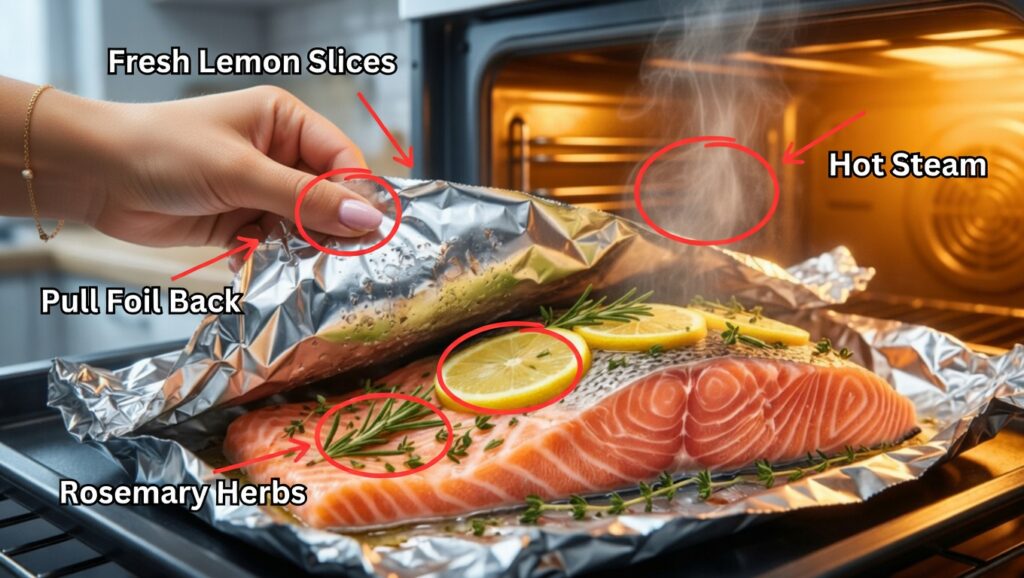
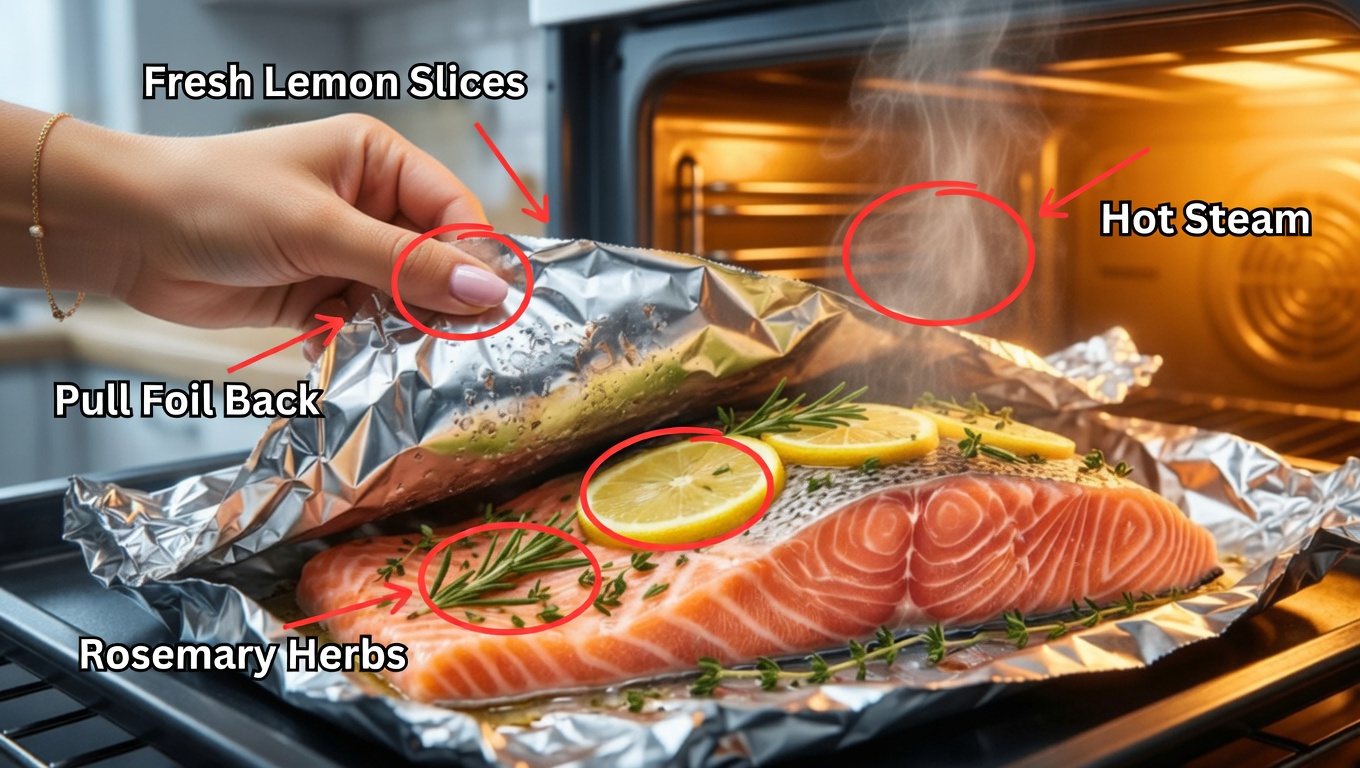
Consider a common example: fish baked in foil with lemon slices and herbs. The combination of:
- Heat from the oven
- Acid from the lemon juice
- Moisture and seasonings
creates an ideal environment for aluminum to dissolve from the foil and enter the food. When you eat that meal, some of the aluminum is excreted, but a portion can be absorbed into your bloodstream. Over time, repeated exposure may allow small amounts to cross the blood–brain barrier, where they can gradually accumulate.
The core message: frequent use of aluminum foil can increase your intake of a known neurotoxin, potentially raising your long-term risk of brain-related health issues.
2. Aluminum Exposure Can Weaken Your Bones
The impact of aluminum is not limited to the brain. It can also silently affect your skeletal system.
Your bones are constantly renewing themselves through a process called remodeling:
- Osteoblasts build new bone.
- Osteoclasts break down old or damaged bone.
This balance maintains bone density and strength. Research shows that aluminum can disrupt this delicate process.
A striking example comes from patients with kidney failure who require hemodialysis:
- Because their kidneys cannot effectively filter toxins, substances like aluminum can build up in their bodies.
- In a landmark study of dialysis patients, about 37% were found to have aluminum-associated bone disease.
- Long-term oral aluminum intake was identified as a major factor in this bone pathology.
Scientists believe aluminum can directly damage osteoblasts, slowing new bone formation. When the production of fresh bone cannot keep up with breakdown, bone mass declines. The result is weaker, more brittle bones that are more likely to fracture.
You might assume the aluminum you get from foil is negligible compared with that of dialysis patients. However, the key idea from this research is “chronic oral aluminum intake.”
If you:
- Cook in foil regularly
- Grill or bake foods wrapped in foil
- Store hot or acidic foods in foil for hours or days
you may be adding small doses of aluminum to your diet over many years. Each exposure adds to your total body burden. Over time, this accumulation could contribute to bone weakening mechanisms similar to those observed in medical settings, increasing your susceptibility to:
- Low bone density (osteopenia)
- Osteoporosis
- Fractures and other bone-related disorders
3. Heated Aluminum Foil May Harm Your Lungs
Most people associate aluminum foil risk with what they eat, but inhalation is another potential route of exposure.
When aluminum is heated to high temperatures—such as on a grill, in a very hot oven, or directly over an open flame—tiny particles and fumes can be released into the air. You may then breathe in these particles without realizing it.
Evidence from industrial environments provides an important warning:
- Studies on workers in aluminum-related industries have shown that long-term inhalation of aluminum dust and fumes can lead to serious lung conditions.
- In one investigation of employees at a filter manufacturing plant, individuals who developed pulmonary fibrosis—a severe disease characterized by scarring of lung tissue—were found, upon examination, to have high concentrations of aluminum in their lungs.
Pulmonary fibrosis results in thickened, stiff lung tissue, making it difficult to breathe and potentially leading to respiratory failure.
Obviously, grilling a foil-wrapped potato in your backyard is not the same as working in a factory with constant aluminum dust exposure. Still, the underlying principle is similar: heating aluminum can release particles that can be inhaled.
Consider scenarios such as:
- Leaning over a barbecue as steam and smoke rise from foil-wrapped food
- Opening a very hot foil packet directly in front of your face in the kitchen
- Using foil repeatedly at high temperatures in poorly ventilated spaces
These situations may create low-level, repeated exposure. While the risk is much lower than in industrial settings, it is not zero. Over many years, particularly in people with sensitive lungs or pre-existing respiratory conditions, this could contribute to inflammation and potentially to chronic lung issues.
Why Aluminum Leaches Into Your Food
To make informed decisions about using aluminum foil, it helps to understand why the metal migrates into food.
A pivotal 2012 study from Ain Shams University in Cairo investigated how aluminum foil and cookware interact with different types of foods under various cooking conditions. The results were revealing:
- Aluminum migration was highest with acidic foods, such as:
- Tomatoes and tomato-based sauces
- Citrus juices (lemon, lime, orange)
- Vinegar and vinegar-based marinades
- The presence of salt and spices further increased the amount of aluminum that leached into the food.
- High temperatures and longer cooking times significantly boosted aluminum release.
- Thin foil and direct contact between foil and food also promoted higher levels of metal transfer.
What does this mean in practice?
- A tomato-based pasta bake covered tightly with foil
- Fish or chicken cooked in lemon juice and herbs in foil packets
- Vegetables marinated in vinegar, salt, and spices, then roasted in foil
are all examples of dishes where aluminum migration can be substantial.
The researchers concluded that aluminum foil should not be considered inert and recommended limiting its use, especially for cooking or storing acidic and salty foods at high heat.
Over months and years, regularly consuming meals prepared this way can significantly increase your dietary aluminum exposure.
Safer Alternatives to Aluminum Foil in the Kitchen
You do not need to eliminate convenience to reduce your aluminum exposure. A few practical swaps can dramatically cut down how much aluminum ends up in your food and air.
Consider using:
-
Glass or Ceramic Bakeware
- Ideal for roasting, baking, and reheating.
- Use lids or reusable silicone covers instead of foil.
-
Stainless Steel Pans and Trays
- Durable, non-reactive, and suitable for high-heat cooking.
- Line with unbleached parchment paper for easy cleanup instead of foil.
-
Parchment Paper for Oven Cooking
- Use parchment sheets to line baking trays or wrap “en papillote” style packets for fish and vegetables.
-
Reusable Silicone Baking Mats and Lids
- Great for lining baking sheets and covering dishes without metal contact.
-
Safer Food Storage Options
- Store leftovers in glass containers with BPA-free lids.
- If you must use foil, avoid direct contact with acidic or salty foods and do not store food in foil for long periods.
Final Thoughts
Aluminum foil has become a kitchen staple because it is practical, cheap, and easy to use. Yet the growing body of research suggests that it comes with hidden health risks—from potential impacts on brain function and bone density to possible effects on lung health.
The core issues are:
- Aluminum is a neurotoxic metal with no beneficial role in the body.
- Foil can leach aluminum into food, especially under high heat and in contact with acidic, salty, or heavily spiced ingredients.
- Long-term, low-level exposure adds up and may contribute to serious health problems over time.
You do not need to panic or throw away every piece of foil immediately. But it is wise to rethink how often and how you use it—especially for cooking at high temperatures and with acidic foods.
By gradually shifting to safer alternatives like glass, stainless steel, parchment paper, and silicone, you can significantly reduce your exposure to aluminum while keeping your cooking routine simple and efficient.