Easy Blueberry Smoothie Recipe
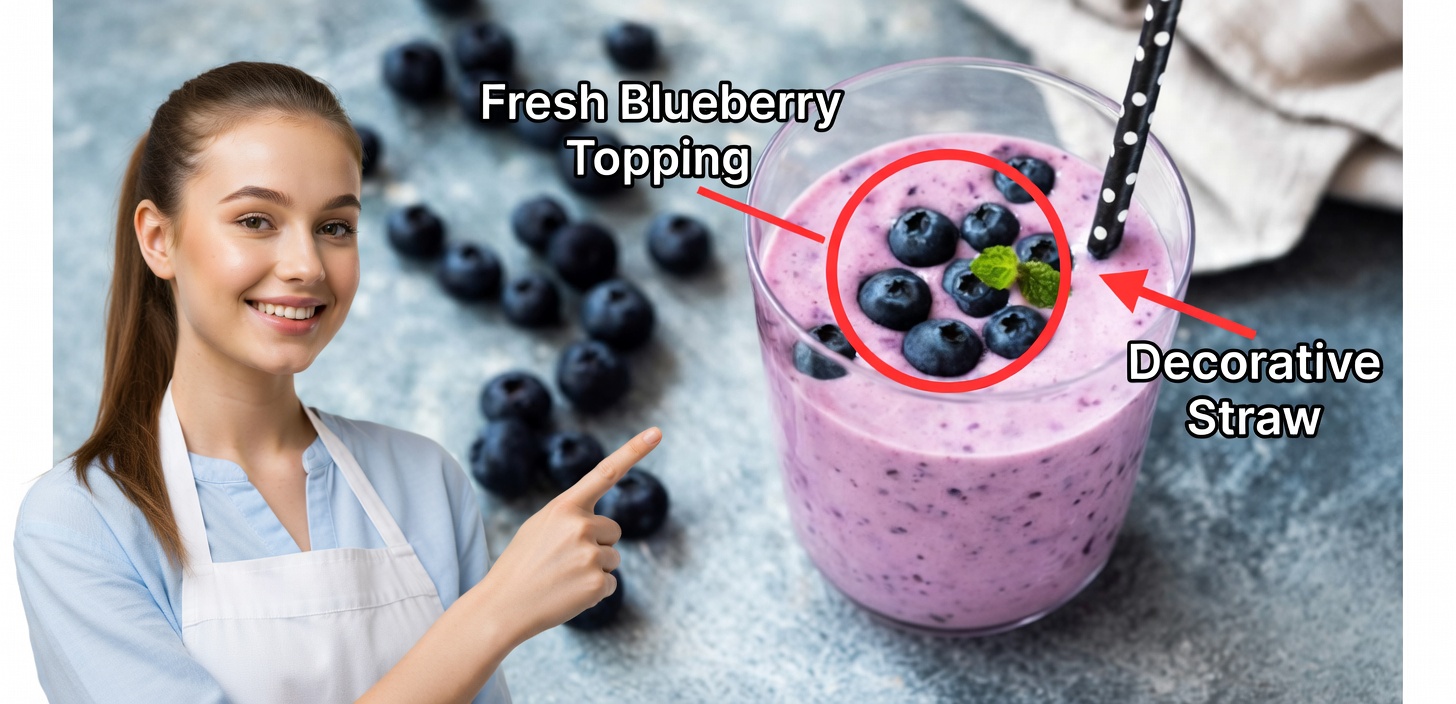
This blueberry smoothie recipe is incredibly simple to prepare and tastes fantastic.
It is a healthy blueberry smoothie that is naturally sweet, satisfying, and helpful for managing cravings. It also delivers a wide range of vitamins and minerals that support a balanced diet.
Each serving offers plenty of nutrients and antioxidants to help keep your body feeling its best. Among the key nutrients in this smoothie are protein, fiber, potassium, calcium depending on the milk you use, and vitamin C.
This cool, fruity drink is an excellent way to start your morning.
You May Also Enjoy
- Banana Turmeric Smoothie to Fight Inflammation
- The Best Anti-Inflammatory Green Smoothie Recipe
Why Make a Blueberry Smoothie at Home?
Store-bought smoothies may be convenient, but it is always smart to check the ingredient list. Many packaged smoothies are less nutritious than they appear and can contain more sugar, fat, and calories than expected.
Having those drinks once in a while is usually fine, but they are not always the best choice for everyday use.
This homemade smoothie, on the other hand, is made with wholesome ingredients, contains no added sugar, and provides a solid amount of fiber and vitamins.
One of the best things about smoothies is how easy they are to customize. You can adjust the flavor, add variety, and boost the nutrition with just a few extra ingredients.
And this recipe really is as easy as it sounds. Just add everything to a blender in the morning, or prep it the night before, and in minutes you have a delicious breakfast or snack.
To make busy weekdays easier, portion the fruits and greens into individual containers or freezer bags over the weekend. Store them in the freezer, then simply grab one and blend when you are ready.
This is one of the easiest blueberry smoothie recipes you can make. It uses only 5 basic ingredients, and it is a smoothie the whole family may actually enjoy.
5 Simple Ingredients for a Blueberry Smoothie
1. Blueberries
Fresh or frozen blueberries are the star of this smoothie.
Although they are small, blueberries are packed with nutrition and are often called a superfood. They are rich in antioxidants, including vitamin C and anthocyanins.
Anthocyanins are the compounds that give blueberries their deep blue color. They may also support heart health when eaten regularly.
Blueberries also contain fiber, along with nutrients such as potassium and vitamin B6. Some research suggests that the plant compounds in blueberries may help support brain health and insulin sensitivity, although more studies are still needed.
Fresh blueberries are not always in season and can be expensive, so frozen blueberries are a great alternative and work just as well in smoothies.
2. Banana
Banana adds natural sweetness and gives the smoothie a creamy, smooth texture.
A medium banana provides more than 400 mg of potassium, along with about 3 grams of fiber. Fiber is important because it supports digestion and helps you stay full longer, which can reduce the urge to snack soon after breakfast.
Bananas also contain prebiotic fiber, which helps nourish the beneficial bacteria in your gut.
Because bananas are naturally sweet and flavorful, they are an easy way to improve the taste of your smoothie without needing extra sugar or syrup.
3. Milk
Milk is one of the most common liquid bases for smoothies, and today there are many options to choose from. You can use:
- Cow’s milk
- Almond milk
- Soy milk
- Coconut milk
- Oat milk
- Macadamia milk
The best choice depends on your nutritional needs and your taste preferences.
Some top options for smoothies include:
- Cow’s milk: naturally provides protein, calcium, and vitamin D
- Soy milk: a good dairy-free choice with protein, calcium, and healthy fats
- Almond milk: lower in calories, with a light nutty flavor and some vitamin E
If you are lactose intolerant, lactose-free milk can still give you the benefits of dairy. If you use cow’s milk, skim or 1% milk is lower in fat than whole or 2% milk.
If you choose plant-based milk, look for unsweetened versions to avoid unnecessary added sugar. Unsweetened vanilla almond or soy milk can also add extra flavor.
It is best not to use fruit juice as the main liquid base. Juices such as orange, pineapple, or apple juice are often high in sugar and do not offer the same benefits as whole fruit, especially fiber.
4. Yogurt
Yogurt makes a smoothie richer and creamier while also adding valuable nutrition.
It contains:
- Calcium for bone health
- Protein
- Probiotics to support gut health
Greek yogurt is especially good for smoothies because it is higher in protein than many regular yogurts and has a thick, silky texture. It can make your smoothie feel almost like a milkshake.
For the healthiest option, choose:
- Plain yogurt
- Low-fat or fat-free yogurt
- Low-sugar Greek yogurt
Low-sugar vanilla Greek yogurt is a great option if you want extra flavor and a creamy consistency.
5. Greens
Adding leafy greens to a smoothie is one of the easiest ways to increase your daily vegetable intake.
Vegetables provide fiber and many essential nutrients. Some of the best greens for smoothies include:
- Spinach
- Kale
These greens offer nutrients such as:
- Vitamin C
- Vitamin A
- Vitamin K
- Iron
- Folate
- Calcium
The good news is that the blueberries give this smoothie such a beautiful color that the greens blend right in. You can enjoy the nutrition of vegetables without strongly tasting them.
Optional Blueberry Smoothie Add-Ins
This smoothie is delicious exactly as written, but it is also easy to customize. If you want to change the flavor or add more nutrients, try one of these options.
Other Fruits and Berries
To give your smoothie a different twist, add extra fruit such as:
- Peach
- Mango
- Pineapple
If you want a mixed berry smoothie, try adding:
- Strawberries
- Raspberries
- Blackberries
Frozen fruit works just as well as fresh fruit, although it may make the smoothie thicker, so you may need to add a little more milk.
Avocado
Avocado can be used instead of banana or yogurt to create a smooth, creamy texture. It also provides healthy fats, including omega fatty acids.
Coconut Water
If you prefer a non-dairy base, coconut water is a refreshing option. It contains electrolytes, which makes it a good choice for a post-workout smoothie.
Protein Powder
If you need extra protein, you can add protein powder or collagen.
That said, not everyone needs the large amount of protein some powders provide, especially if they already get enough protein from meals and snacks throughout the day.
If you decide to use protein powder, choose carefully. Quality varies a lot between brands, so it may be helpful to ask a dietitian or healthcare provider for recommendations.
Oats
Oats are an easy way to turn this drink into a more filling breakfast, almost like a blueberry muffin smoothie. They can add extra fiber, improve texture, and help keep you satisfied for longer.

Final Thoughts
This healthy blueberry smoothie is quick, nourishing, and perfect for busy mornings. With just a few everyday ingredients, you can make a smoothie that is naturally sweet, rich in antioxidants, and full of important nutrients.
Whether you enjoy it as a fast breakfast, a light snack, or a post-workout drink, this easy smoothie is a great homemade alternative to many store-bought options.