How to Make Pickles at Home: Easy, Crunchy, and Full of Flavor
Making homemade pickles is simple, rewarding, and incredibly tasty. You can snack on them straight from the jar, layer them into sandwiches and burgers, or serve them with rich foods to bring a bright, tangy contrast.
Although cucumbers are the classic choice, many other fruits and vegetables can be pickled too. Popular options include beets, cauliflower, carrots, onions, fennel, rhubarb, and even strawberries.
Best Produce for Homemade Pickling
There are two main types of homemade pickles: fermented pickles and quick pickles. No matter which method you choose, always start with fresh, high-quality produce for the best flavor and texture.
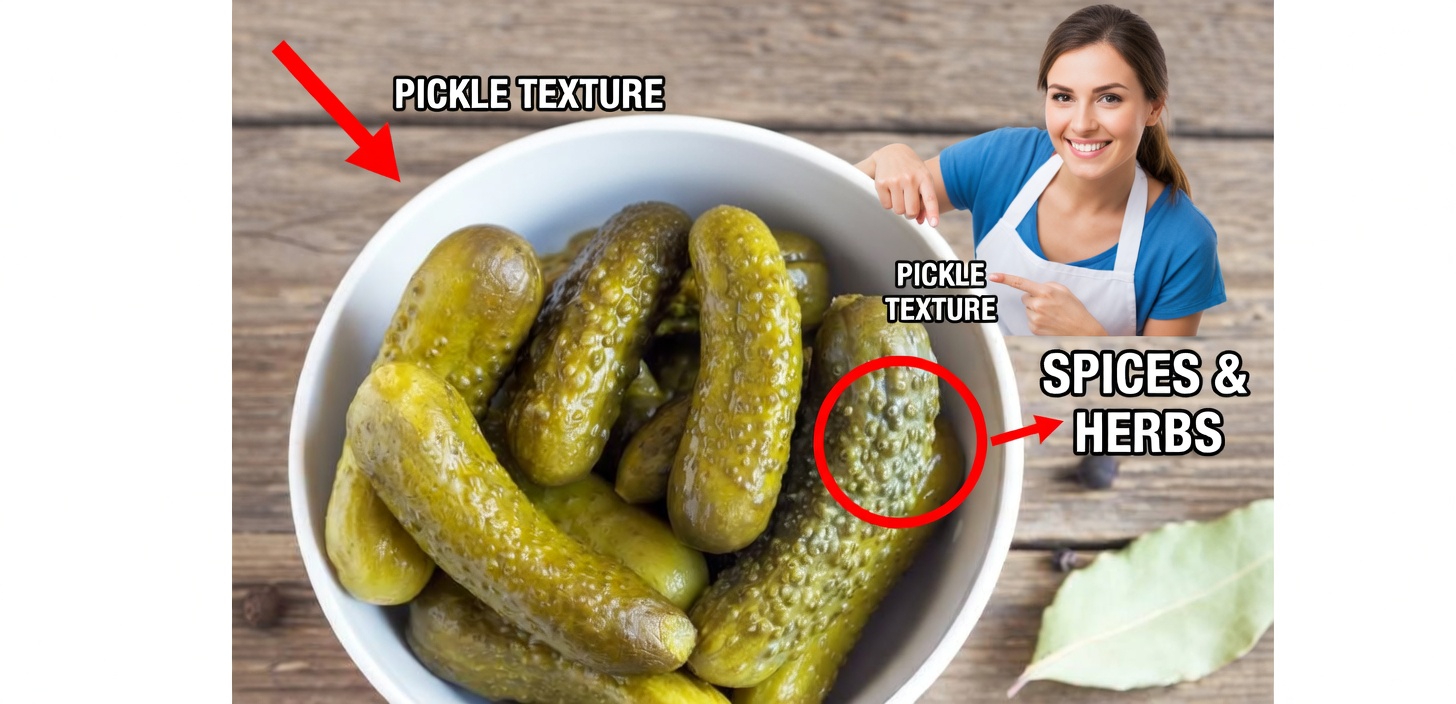
If you are pickling cucumbers, selecting the right variety matters. Kirby cucumbers are one of the best options, especially if you are shopping at a grocery store. They are small to medium in size and have the ideal texture for pickling.
Kirby cucumbers also have thicker skin than standard salad cucumbers, which helps them stay crisp. Another advantage is that they are usually unwaxed, which is important when choosing cucumbers for pickling.
By contrast, slicing cucumbers—the kind commonly used in salads—tend to make softer pickles. They can work for quick pickling, but they are not the best choice for fermentation.
Quick Pickles vs. Fermented Pickles
As mentioned above, there are two basic ways to make pickles at home. In both cases, the food is preserved in a brine, but the process is very different.
Fermented Pickles
Fermented pickles rely on lacto-fermentation, a natural process that creates lactic acid to preserve the cucumbers. To begin fermentation, you only need water and salt. The process usually takes about 3 to 4 weeks at room temperature.
During fermentation, the natural sugars and carbohydrates in the cucumber are converted into lactic acid. This not only preserves the vegetable but also develops a deeper, more complex flavor.
One of the biggest advantages of fermented foods is the beneficial bacteria they contain. These probiotics can support gut health and digestion.
Other common lacto-fermented foods include:
- Kimchi
- Sauerkraut
- Kombucha
Quick Pickles
Quick pickles are made with a brine of vinegar, salt, sugar, and spices. In this method, the vinegar is what preserves and flavors the cucumbers.
Unlike fermented pickles, quick pickles do not go through a fermentation process. They are much faster to prepare and can be ready to eat in just a few hours, though the flavor improves after a day in the refrigerator.
Pickle Variations to Try
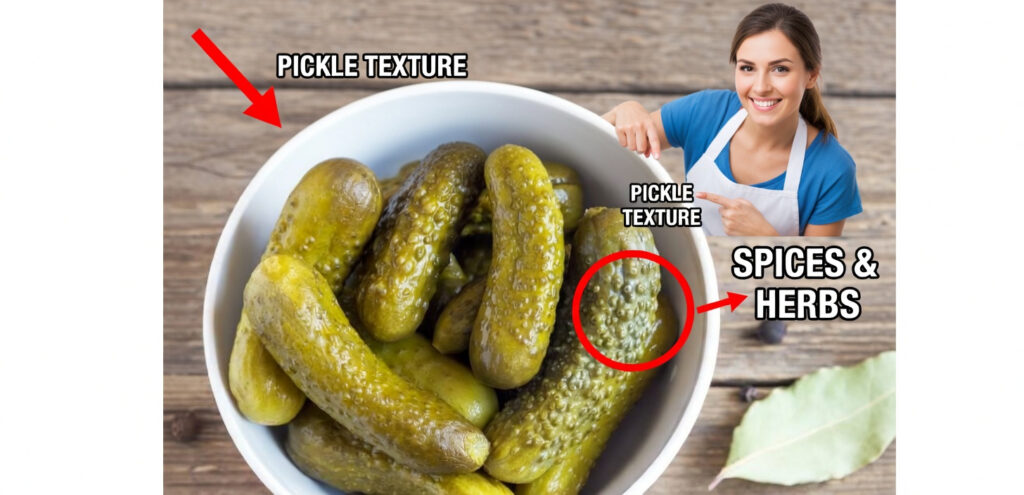
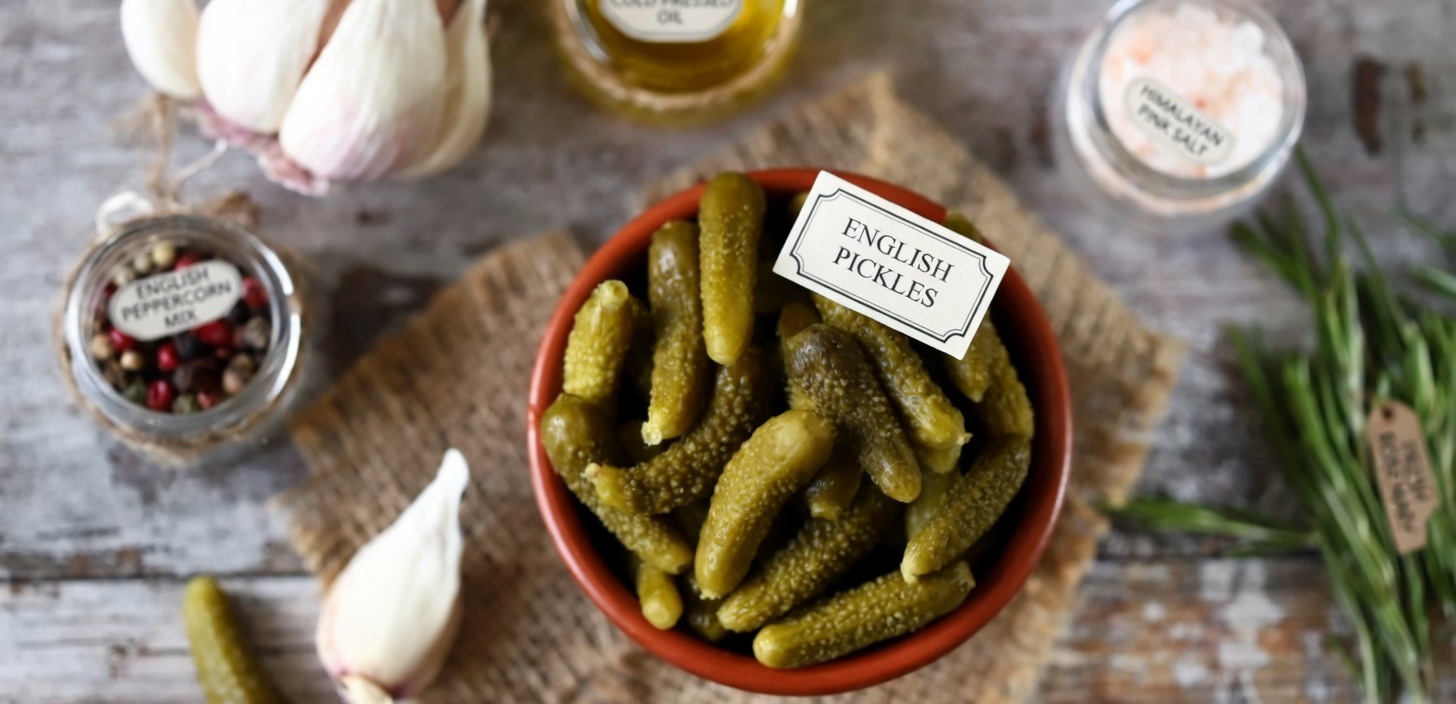
One of the best things about making pickles at home is how easy they are to customize. You can adjust the herbs, spices, sweetness, and heat to create your ideal flavor.
The way you cut your cucumbers also affects both texture and appearance. Spears and chips create different levels of crunch and work better for different dishes.
You can experiment with additions such as:
- Fresh dill
- Garlic
- Peppercorns
- Bay leaves
- Mustard seeds
- Coriander seeds
If you enjoy bold, savory flavors, try combining dill, garlic, salt, peppercorns, bay leaves, and mustard seeds for a garlicky half-sour style pickle.
For extra heat, add:
- Red pepper flakes
- Dried chilies
If you prefer a sweeter pickle, simply increase the sugar in the brine.
Pickling Tips for Better Results
Keep these important pickling tips in mind for safe, flavorful homemade pickles:
- Use whole spices instead of ground spices. Ground spices can cloud the brine and darken the pickles.
- Choose vinegar with at least 5% acidity. Weak or diluted vinegar may lead to unsafe results.
- Soft water is better than hard water, which can discolor pickles and cause other issues.
- Follow a tested recipe, especially for fermented pickles, since incorrect ratios can allow harmful bacteria to grow.
- Use pickling salt or canning salt to help keep the brine clear.
- Always use the freshest produce possible. Pickling cannot fix spoiled vegetables.
Easy Refrigerator Pickles Recipe
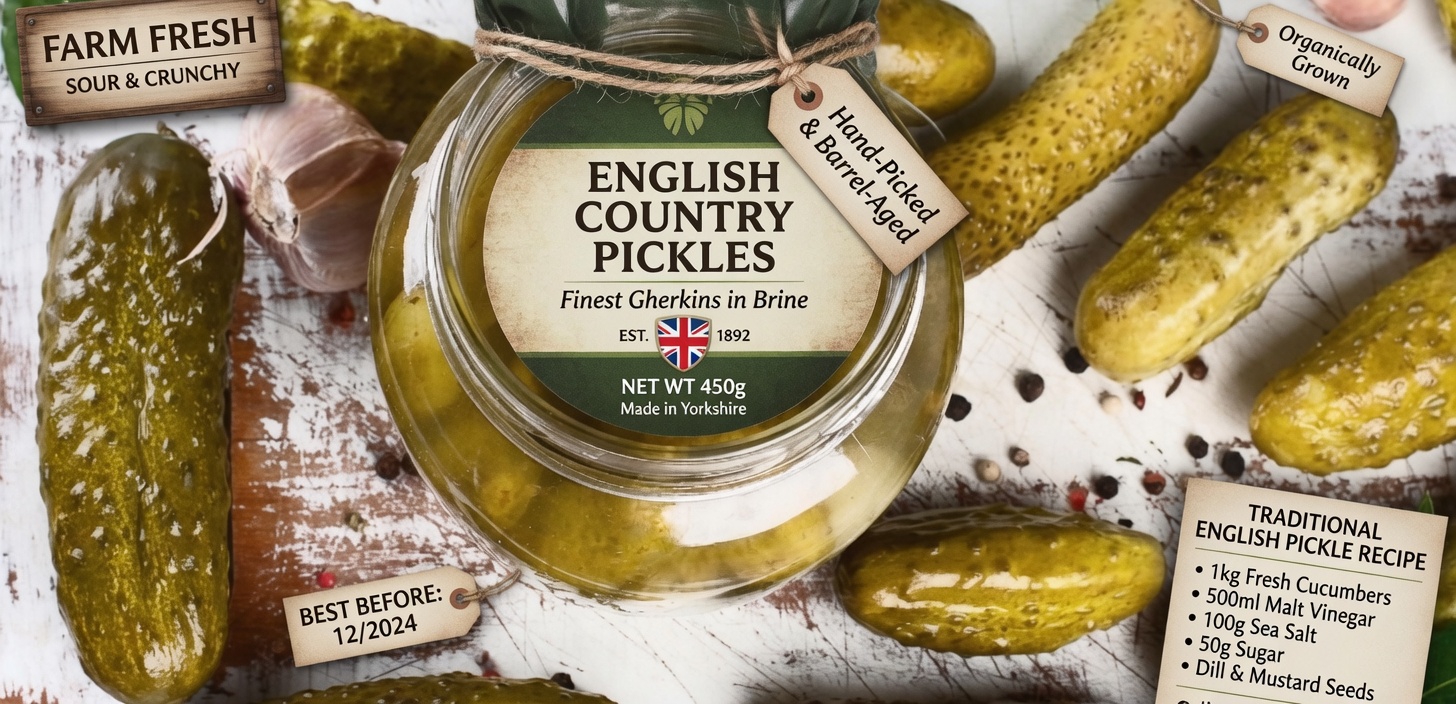
This quick pickle recipe is perfect if you want crisp, flavorful cucumbers without waiting weeks for fermentation.
Prep Time
- 5 minutes
Cook Time
- 1 day
Total Time
- 1 day 5 minutes
Ingredients
- 1 1/4 cups distilled white vinegar, at least 5% acidity
- 3 tablespoons kosher salt
- 2 tablespoons sugar
- 2 cups cold water
- 1 3/4 to 2 pounds Kirby cucumbers, halved or cut into spears
- 2 tablespoons coriander seeds
- 6 large garlic cloves, peeled and halved
- 1 teaspoon mustard seeds
- 1/4 teaspoon red pepper flakes
- 16 dill sprigs
How to Make Pickles at Home
1. Prepare the brine
In a small saucepan, combine the vinegar, salt, and sugar over medium heat. Whisk until the salt and sugar have fully dissolved. Stir in the cold water, then remove the pan from the heat.
2. Wash the produce
Thoroughly wash the cucumbers and fresh herbs before using them.
3. Fill the jars
Place the cucumbers into two 1-quart jars, making sure the lids will fit properly. If any cucumber is too large, trim it so it can stay completely submerged in the brine.
4. Add spices and herbs
Divide the coriander seeds, garlic, mustard seeds, red pepper flakes, and dill sprigs evenly between the jars.
5. Pour in the brine
Fill each jar with the prepared brine until the cucumbers are fully covered. If needed, top off with a little cold water to keep everything submerged.
6. Refrigerate
Seal the jars and refrigerate for 24 hours before eating. These refrigerator pickles will keep for about 1 month.
Nutrition Information
Yield
- 24 servings
Serving Size
- 1
Amount Per Serving
- Calories: 15
- Total Fat: 0g
- Saturated Fat: 0g
- Trans Fat: 0g
- Unsaturated Fat: 0g
- Cholesterol: 0mg
- Sodium: 474mg
- Carbohydrates: 3g
- Fiber: 0g
- Sugar: 2g
- Protein: 0g
More Recipes to Explore
- 7 Healthy Salty Snacks That’ll Totally Satisfy Your Salt Cravings
- 50 Weight Loss-Friendly Snacks You’ll Actually Enjoy Eating