Healthy Aging Starts on Your Plate
Aging is a natural part of life. Even so, most people want to stay energetic, strong, and vibrant for as long as possible.
Many common habits can support healthy aging, including:
- Wearing sunscreen
- Exercising regularly
- Sleeping well
- Staying hydrated
But there is another major factor that is often overlooked: your diet.
What you eat can influence how quickly your body shows signs of aging. In many cases, nourishing foods may do more for long-term health and appearance than expensive treatments, luxury creams, retinol products, hyaluronic acid lotions, or peptide-based skincare.
A diet centered on whole foods, fiber, and antioxidants may help reduce inflammation, protect cells from free radical damage, support brain health, and promote healthier skin.
While getting older is unavoidable, eating well can help you look and feel your best. If you need personalized advice, speak with a registered dietitian or your doctor.
You may also like: The Longest-Living People in the World Drink These 7 Drinks Every Day for Healthy Aging
Best Anti-Aging Foods to Add to Your Diet
Below are some of the top foods linked to healthy aging and longevity.
1. Blueberries
Blueberries, along with other berries such as cranberries and acai, are often considered superfoods because they are packed with nutrients and protective plant compounds.
They contain antioxidants such as resveratrol, phytonutrients, and especially anthocyanins, the compounds responsible for their deep blue color. These antioxidants help defend the body against harmful free radicals, including those produced by sun exposure. Free radicals can damage the skin and contribute to wrinkles, fine lines, and loss of firmness.
Blueberries are also a great source of:
- Vitamin C
- Fiber
Vitamin C is a powerful antioxidant that helps lower oxidative stress in the body. It also supports collagen production, which is important for skin strength and elasticity.
Collagen is made of amino acids and plays a role in keeping skin firm and resilient. It is also associated with the health of:
- Nails
- Hair
- Joints
- Tendons
- Ligaments
Fiber is equally important because it helps support a healthy gut microbiome, the community of beneficial bacteria in the digestive tract. Research continues to show that gut health is closely connected to overall wellness, including skin appearance and elasticity.
Adults are generally advised to aim for at least 20 grams of fiber daily, and one cup of blueberries provides about 4 grams.
Studies also suggest that blueberries may improve circulation, which can support better blood flow and healthier-looking skin.
Easy ways to eat more blueberries include:
- Enjoying them as a snack
- Blending them into smoothies
- Adding them to overnight oats
- Mixing them into yogurt
- Sprinkling them over salads with protein, olives, and cheese
2. Beans and Legumes
Beans and legumes are among the smartest foods you can include in an anti-aging diet. They are affordable, satisfying, and packed with nutrition.
Popular options include:
- Black beans
- Kidney beans
- Pinto beans
- Chickpeas
- Lima beans
- Red beans
- Navy beans
- Lentils
- Hummus
Legumes are rich in fiber, which supports digestion and helps nourish a balanced gut microbiome. A cup of cooked beans can provide a substantial amount of fiber, making them especially helpful for digestive health and fullness.
They are also loaded with important nutrients such as:
- Folate
- Zinc
- Calcium
- Copper
- Magnesium
- Iron
In addition, beans contain polyphenols, a type of antioxidant that helps protect the body from damage caused by UV rays, pollution, and other environmental stressors. These compounds may help skin stay plump and youthful while also supporting overall health.
Beans are also an excellent source of plant-based protein, which is essential for maintaining muscle mass. This matters even more with age, since muscle loss, known as sarcopenia, becomes more common over time.
Research has also linked regular legume intake with a lower risk of:
- Heart disease
- High LDL cholesterol
- Insulin resistance
- Metabolic problems
High-fiber diets can also improve digestion and reduce the risk of common digestive issues.
Simple ways to eat more beans and legumes:
- Add them to salads
- Stir them into soups, including bone broth-based soups
- Serve them as a side dish
- Use hummus as a spread or dip
For a budget-friendly anti-aging food, beans are hard to beat.
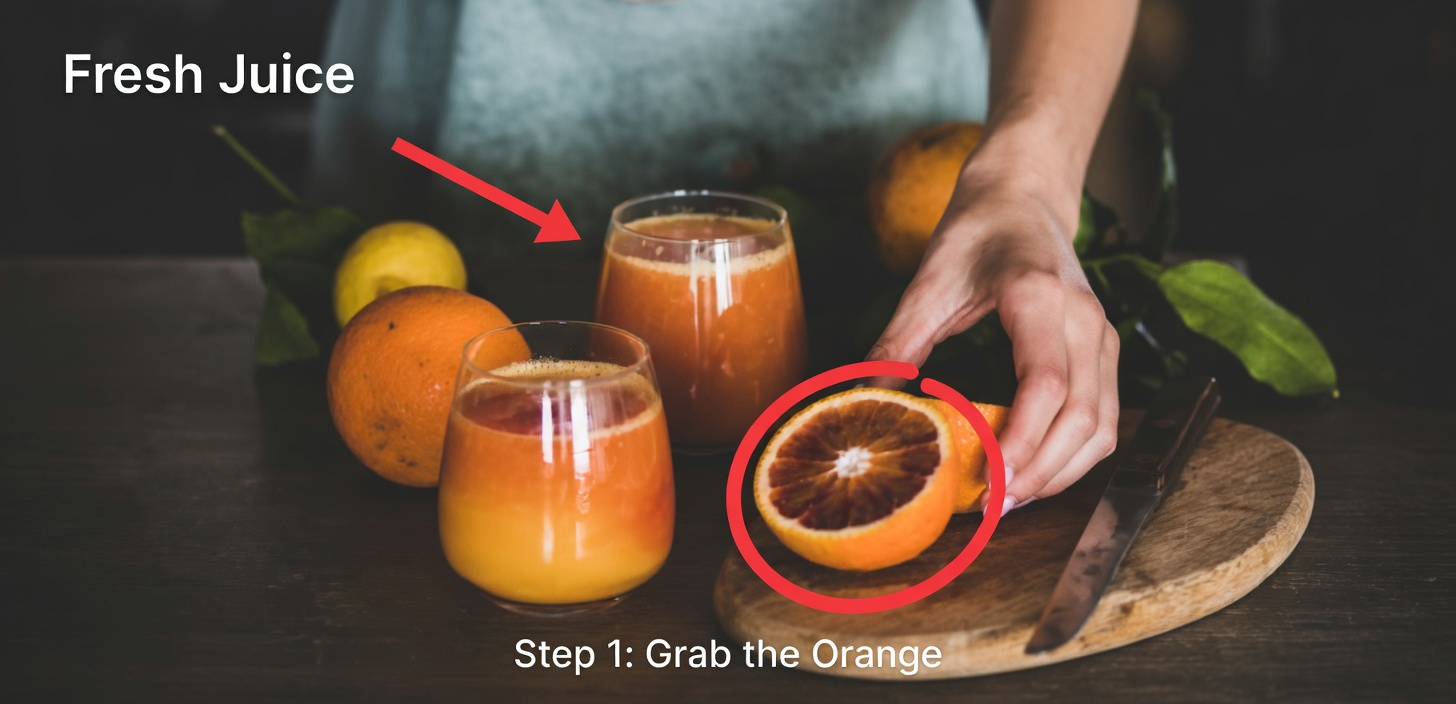
3. Lemons
If you already drink lemon water in the morning or use lemon juice in salad dressings, you are on the right track. If not, citrus fruits are worth adding to your routine.
Lemons are an excellent source of vitamin C, a nutrient that plays a key role in skin health. Because of its antioxidant activity, vitamin C helps protect the skin and supports better elasticity.
One study found that women who consumed more vitamin C had firmer skin and better skin quality.
Vitamin C also supports collagen synthesis, which benefits not only the skin but also the joints. Since collagen production naturally declines with age, regularly eating vitamin C-rich foods may help support this process.
If lemons are too sour for your taste, try:
- Limes
- Oranges
- Other citrus fruits
4. Avocados
Avocados have become incredibly popular, and for good reason. Beyond trendy toast and brunch menus, they offer real nutritional benefits that support healthy aging.
Avocados are rich in monounsaturated fats, one of the healthiest types of fat. Diets higher in these fats have been associated with fewer visible signs of skin aging and less dryness.
They also provide antioxidant compounds such as:
- Lycopene
- Beta-carotene
- Lutein
- Zeaxanthin
These nutrients can help protect the skin from age-related damage. They are also important for eye health, particularly in lowering the risk of macular degeneration and supporting vision as you get older.
Avocado oil is another useful option. While it does not contain fiber, it offers many of the same healthy fat and antioxidant benefits. You can use it for:
- Cooking
- Roasting
- Homemade dressings
- Drizzling over salads
Easy ways to enjoy avocados:
- Make avocado toast with whole wheat bread
- Prepare fresh guacamole
- Add sliced avocado to salads or bowls
5. Salmon
Salmon is a flavorful and highly nutritious fish that stands out as one of the best foods for healthy aging, especially when it comes to brain function.
It is rich in the omega-3 fatty acids EPA and DHA, two fats that are strongly linked to cognitive health. Research suggests that people with lower levels of EPA and DHA may experience more cognitive decline than those with higher levels.
These omega-3 fats are also known for their anti-inflammatory effects. Lower inflammation in the body is important because chronic inflammation has been associated with a higher risk of many age-related conditions.
Salmon may help support:
- Brain health
- Memory
- Reduced inflammation
- Heart health
Including fatty fish like salmon in your diet on a regular basis can be a smart strategy for promoting longevity and protecting both body and mind as you age.
Final Thoughts
Aging is inevitable, but the foods you choose every day can make a meaningful difference in how you feel and function over time.
A diet built around nutrient-dense, antioxidant-rich, high-fiber foods may help support:
- Healthier skin
- Better digestion
- Stronger muscles
- Sharper thinking
- Reduced inflammation
- Overall longevity
Blueberries, beans, lemons, avocados, and salmon are all excellent foods to include more often if your goal is to support healthy aging naturally.