Flaxseed: A Small Seed with Big Health Benefits
Flaxseed is widely recognized as a nutrient-dense superfood, and for good reason. Even a tablespoon or two added to your everyday meals can support digestion, heart health, and overall wellness. If you’re looking for a simple way to upgrade your diet, flaxseed is an easy, affordable option worth keeping on hand.
Key Nutrients in Flaxseed
Flaxseed delivers a unique mix of healthy fats, fiber, antioxidants, and minerals that work together to support the body in multiple ways.
-
Omega-3 fatty acids (ALA)
Flaxseed is one of the best plant-based sources of alpha-linolenic acid (ALA), an essential omega-3 that contributes to cardiovascular health, supports brain function, and may help calm inflammation. -
High in fiber
With both soluble and insoluble fiber, flaxseed can help promote regular digestion, support steady blood sugar levels, and keep you feeling full longer—useful for appetite control and weight management. -
Lignans (antioxidant compounds)
Flaxseed is especially rich in lignans, natural antioxidants that may support hormonal balance and are being studied for their potential role in lowering the risk of certain cancers. -
Plant protein and essential minerals
In addition to protein, flaxseed provides important minerals such as magnesium, phosphorus, and selenium, which contribute to energy, metabolism, and general vitality.
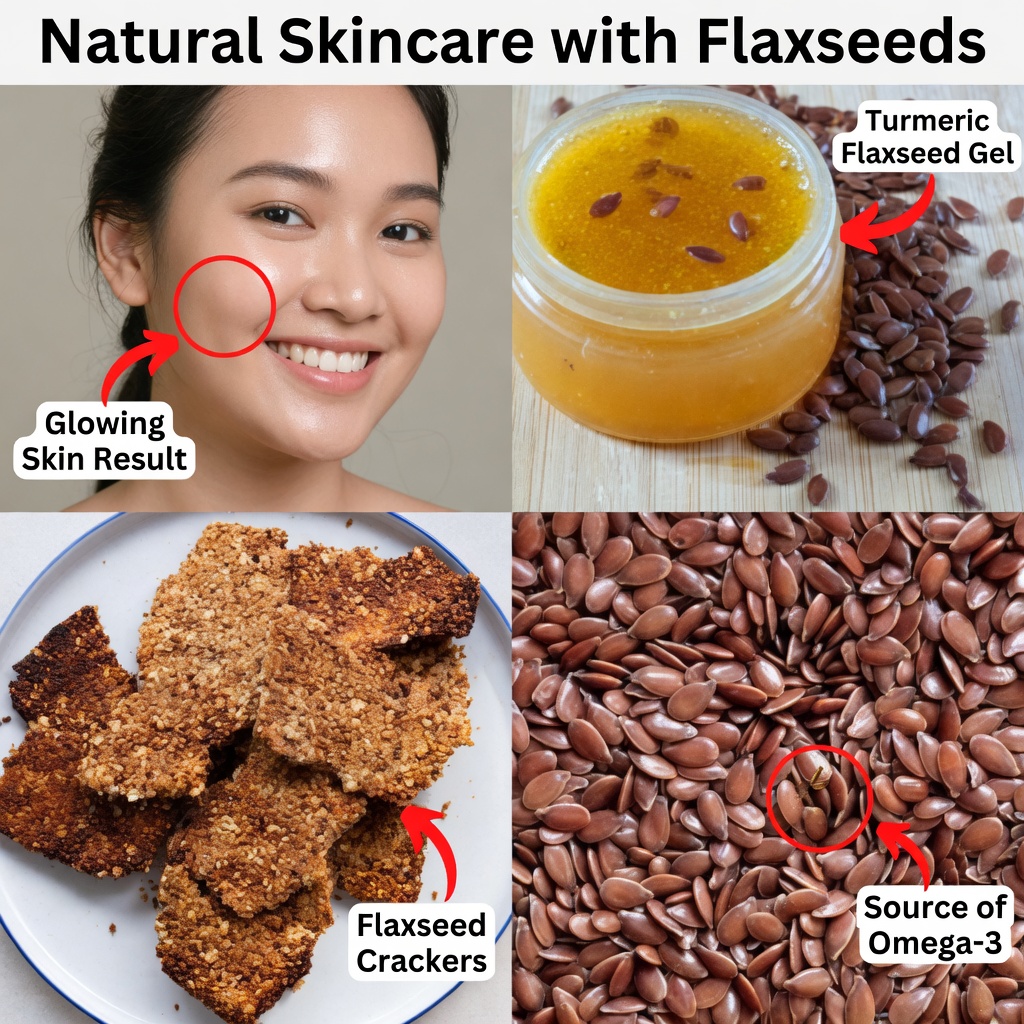
Health Benefits of Eating Flaxseed
Adding flaxseed to your routine can offer several evidence-supported benefits, especially when used consistently.
-
Promotes heart health
Flaxseed may help improve cardiovascular markers by supporting healthier LDL (“bad”) cholesterol levels and aiding in blood pressure management—both important for reducing heart disease risk. -
Improves digestive regularity
The fiber content supports smoother digestion, helps relieve constipation, and can contribute to a healthier gut microbiome. -
Supports hormonal balance and menopause comfort
Because lignans have mild estrogen-like activity, flaxseed may help support hormone balance. Some women report fewer menopausal discomforts when flaxseed is included regularly. -
Helps with blood sugar control
The combination of fiber and healthy fats can slow digestion and support steadier glucose levels, making flaxseed a smart addition for people focused on balanced blood sugar. -
Supports healthy weight management
Fiber, protein, and fats work together to increase satiety, which can help reduce frequent snacking and overall calorie intake.
Easy Ways to Add Flaxseed to Your Diet
Flaxseed has a mild, nutty flavor and blends easily into both sweet and savory meals.
-
Stir ground flaxseed into smoothies, oatmeal, or yogurt
Add 1–2 tablespoons of ground flaxseed to breakfast foods for a quick nutrition boost. -
Use it in baking and everyday cooking
Ground flaxseed can replace eggs in many recipes:- Mix 1 tablespoon ground flaxseed with 3 tablespoons water
- Let it sit for a few minutes to thicken
- Use it as one egg in baking
You can also add it to pancake batter, muffins, or homemade snack bars.
-
Sprinkle it over salads, soups, and vegetables
Use flaxseed as a topping for extra texture and nutrients on salads, soups, and roasted dishes. -
Try flaxseed oil (no high heat)
Drizzle flaxseed oil on salads, cooked vegetables, or grains for a light, nutty taste. Avoid high-temperature cooking, since the oil can become unstable when overheated.
Tips for Best Results
-
Choose ground flaxseed for better absorption
Whole flaxseeds may pass through the digestive system without breaking down. Ground flaxseed helps your body access more of its nutrients. -
Store it the right way
Keep ground flaxseed in an airtight container in the refrigerator to maintain freshness and slow oxidation. -
Start with small amounts
Begin gradually to let your digestive system adjust, and drink plenty of water to support the increased fiber intake.
Conclusion
Flaxseed is a simple ingredient with wide-reaching benefits—from supporting heart health and digestion to helping with blood sugar balance and weight management. By adding it to smoothies, oats, baked goods, or salads, you can enjoy its subtle flavor while tapping into its powerful nutrition—proof that meaningful health gains can come from something very small.