Leg and Foot Swelling: Can Vitamin E Help?
Swollen legs and feet can be a sign that your body is dealing with inflammation or retaining extra fluid. One nutrient often linked to natural swelling support is vitamin E, thanks to its anti-inflammatory and circulation-friendly properties that may help reduce edema over time.
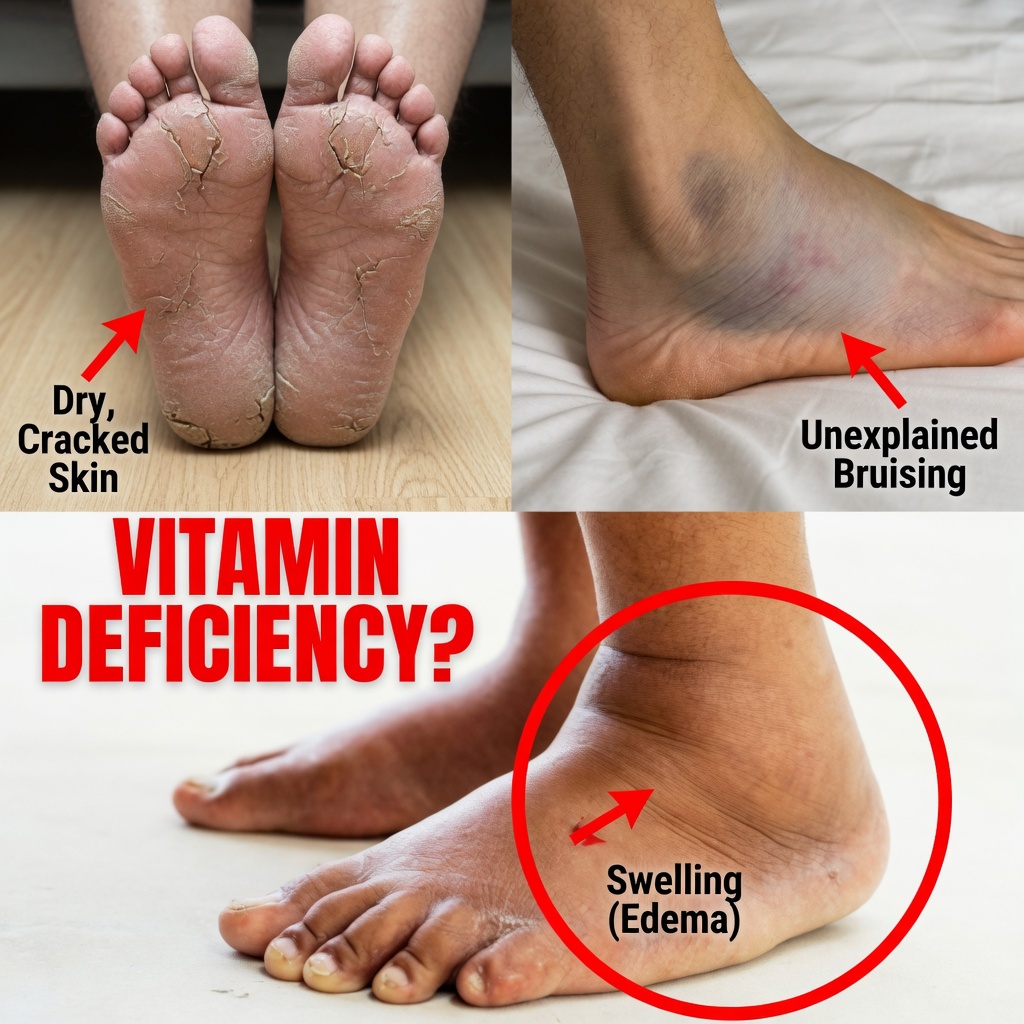
How Vitamin E May Reduce Swelling
Vitamin E supports the body in several ways that can help ease puffiness in the lower limbs:
- Helps calm inflammation: As a natural anti-inflammatory, vitamin E may reduce swelling in tissues and blood vessels when inflammation is contributing to fluid buildup.
- Supports better circulation: Poor blood flow can lead to fluid pooling in the legs and feet. By promoting healthier circulation, vitamin E may help limit this accumulation.
- May reduce fluid retention: Vitamin E plays a role in overall fluid balance, including supporting healthy regulation of minerals such as sodium (salt) and potassium, which can influence water retention.
- Strengthens blood vessel function: Over time, vitamin E may help maintain flexible, healthy vessel walls, making it easier for fluids to move normally and reducing the chance of persistent edema.
Natural Sources of Vitamin E
You can get vitamin E through everyday foods as well as supplements. Common dietary sources include:
- Nuts and seeds: almonds, hazelnuts, sunflower seeds
- Vegetable oils: olive oil, sunflower oil, wheat germ oil
- Leafy green vegetables: spinach, kale, broccoli
- Fruits: kiwi, avocado
How to Use Vitamin E for Swelling Relief
1. Eat more vitamin E-rich foods
Adding vitamin E foods to your daily meals can support long-term wellness and may help manage swelling gradually.
2. Consider vitamin E supplements
If your diet is low in vitamin E, supplements may be an option. Adults commonly take 15–30 mg per day, but you should talk to your doctor to confirm the right dosage for your needs.
3. Try topical vitamin E
Vitamin E oil or creams can be applied directly to swollen areas. Gently massaging the product into the skin may help improve local circulation and reduce localized swelling.
Additional Tips to Reduce Leg and Foot Swelling
- Drink enough water to help prevent fluid retention
- Elevate your legs to encourage blood flow back toward the heart
- Reduce salt intake, since sodium can increase water retention
- Stay active and avoid sitting or standing for long periods
When to See a Doctor
Seek medical advice if swelling doesn’t improve or if it occurs with symptoms such as pain, redness, or shortness of breath, as these may indicate a more serious health condition that needs prompt evaluation.