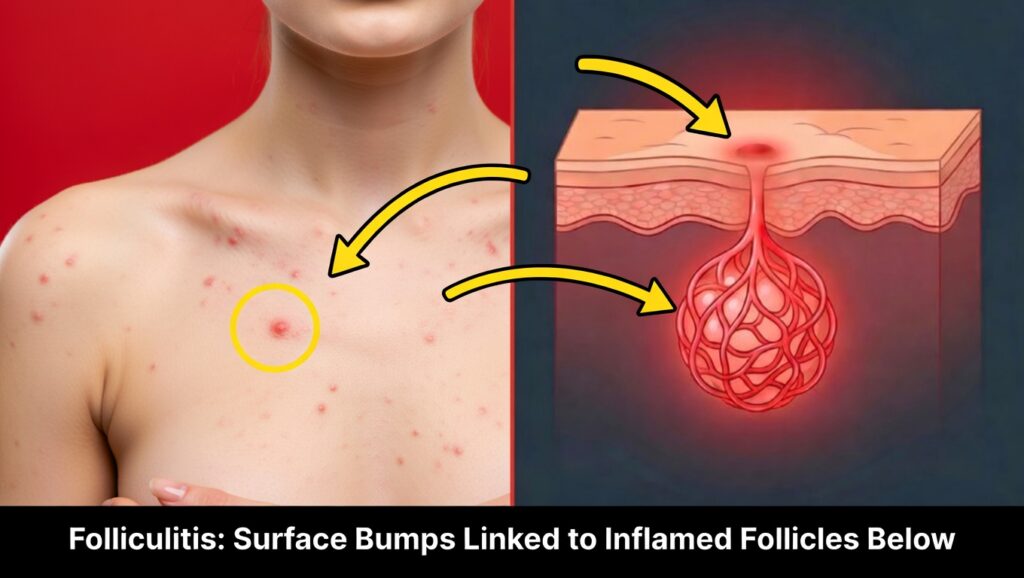
Tiny Red Dots on Your Skin: Should You Worry?
You step out of the shower or change your clothes and suddenly notice a tiny, bright red spot on your skin that you’ve never seen before. It’s small, vivid, and impossible to ignore. Your brain immediately starts asking questions: What is that? Is it dangerous? Do I need to get it checked?
These small red dots are incredibly common, and in many cases they’re completely harmless. But sometimes, they can point to something going on inside your body that deserves attention. Understanding what these spots are—and how to tell the harmless ones from the serious ones—is the key to knowing whether to relax or call your doctor.
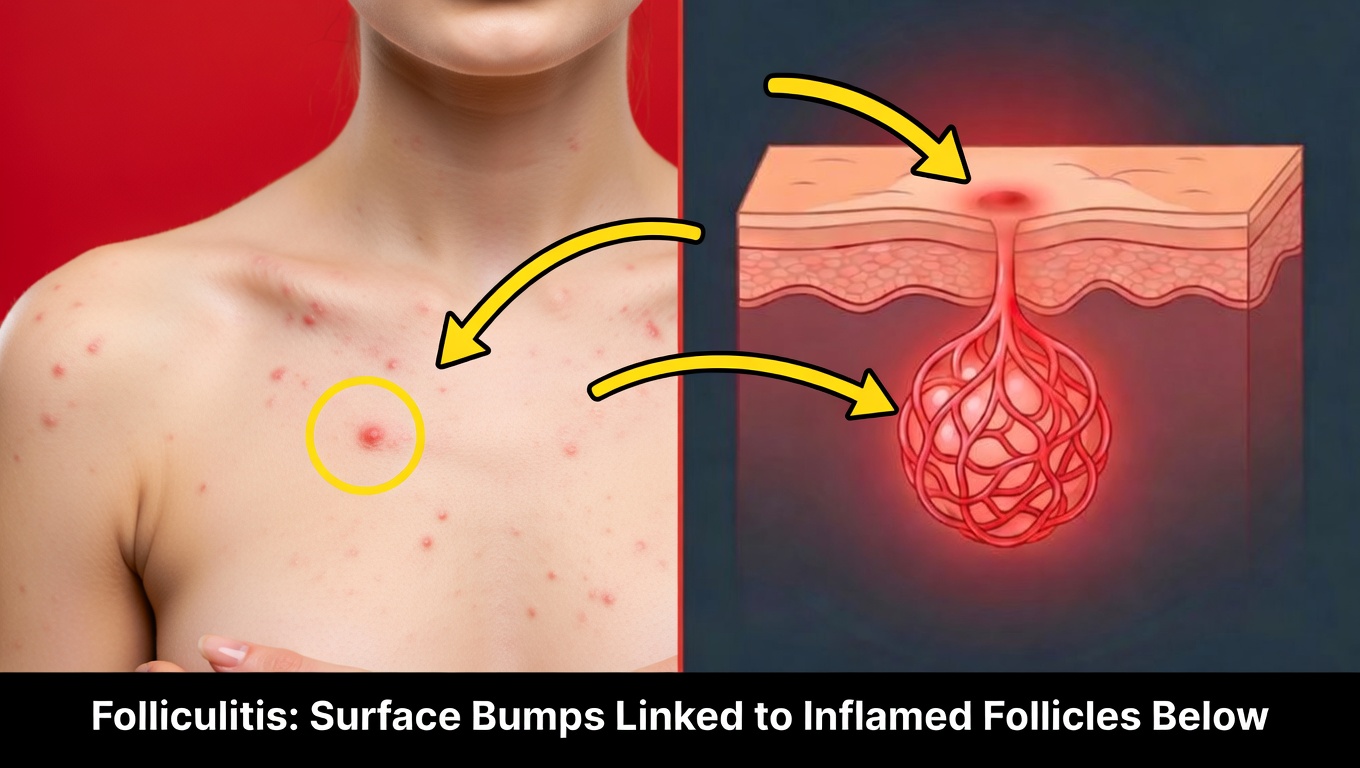
Below, you’ll learn the most frequent reasons for tiny red dots on the skin, from benign cherry angiomas to warning signs like petechiae. You’ll also find out what to watch for and when it’s important to seek medical advice.
Key Takeaways
- Most tiny red dots are cherry angiomas—noncancerous clusters of blood vessels that become more common with age.
- Fine, red, thread-like or spider-shaped lines on sun-exposed skin are often telangiectasias, or broken blood vessels from long-term UV damage.
- Tiny red or purple dots that appear suddenly and do not fade when pressed are called petechiae, and they signal bleeding under the skin.
- Petechiae can result from intense physical strain, infections, medications, autoimmune conditions, or serious blood disorders that affect platelets.
- Any sudden outbreak of red or purple spots—especially with symptoms like fatigue, fever, or unexplained bruising—should be evaluated by a doctor right away.
1. Cherry Angiomas: The Most Common Cause
The leading cause of small, bright red dots on the skin is something called a cherry angioma. These are tiny, round, cherry-colored spots that often appear on the:
- chest and abdomen
- arms
- thighs and legs
They are extremely common, particularly after the age of 30. According to the Cleveland Clinic, around half of adults develop them by middle age. Cherry angiomas are benign (noncancerous) growths formed by clusters of small blood vessels close to the skin’s surface.
Key features of cherry angiomas:
- Bright red or reddish-purple color
- Can be flat or slightly raised
- Usually painless and symptom-free
- Tend to grow slowly over months or years
Most people discover them by chance and have no idea when they first appeared. Because they don’t typically cause discomfort or health problems, they’re considered a cosmetic issue rather than a medical one.
However, you should see a dermatologist if a presumed cherry angioma:
- changes shape, size, or color
- starts bleeding without being scratched or injured
- looks different from your other spots
These changes can be a sign that the spot needs a closer look to rule out other conditions, including skin cancers.
2. Sun Damage and “Spider Veins” on the Skin
If your red marks look more like tiny red lines than dots, or resemble a small web or branching pattern, you may be seeing telangiectasias, often called “spider veins” or “broken capillaries.”
These are dilated, visible small blood vessels that commonly appear on:
- the face (especially around the nose and cheeks)
- the upper chest
- shoulders and upper back
Over many years, ultraviolet (UV) radiation from the sun can weaken and damage the walls of small blood vessels just under the skin. This long-term sun exposure makes them widen and become more noticeable.
People at higher risk include those who:
- have fair or light skin
- spend a lot of time outdoors
- use little or no sun protection over many years
Research published in the Journal of the American Academy of Dermatology shows that cumulative sun exposure is a major contributor, and these red lines tend to become more obvious after age 40.
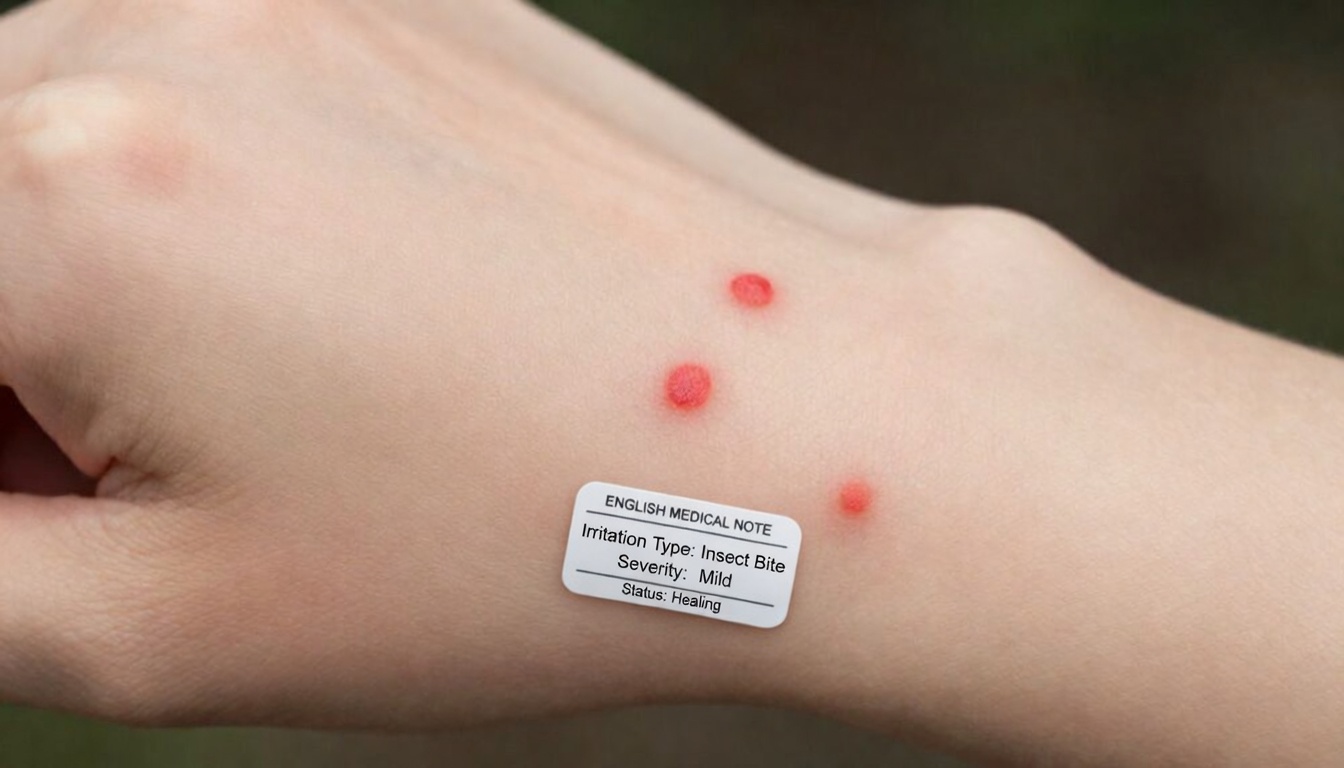
Telangiectasias are usually harmless on their own, but they act as a visible record of sun damage. They’re a reminder that consistent sunscreen use, protective clothing, and avoiding excessive sun exposure are essential for long-term skin health and to reduce your risk of skin cancer.
3. Petechiae: Tiny Red or Purple Dots from Bleeding
Now, let’s look at a type of red spot that deserves more attention: petechiae.
Petechiae are:
- very small (often pinpoint-sized)
- flat, red, purple, or brownish dots
- often appearing in clusters
Unlike cherry angiomas, petechiae are not growths. They are tiny areas of bleeding where capillaries (very small blood vessels) have leaked blood under the skin.
A crucial way to tell them apart is the blanching test:
- Press on a cherry angioma: it usually turns pale (whitens) for a moment and then becomes red again.
- Press on petechiae: they do not turn white because the blood has already escaped the vessel and is trapped in the skin.
Common locations for petechiae include:
- lower legs and ankles
- feet
- areas where pressure is applied or where blood flow is more affected
Because petechiae reflect bleeding under the skin, they can indicate a problem with blood clotting or blood vessels. This is why they are considered a warning sign that something may be happening inside your body.
4. Low Platelets: A Common Reason for Petechiae
One of the most frequent causes of petechiae is a low platelet count, medically known as thrombocytopenia.
Platelets are tiny blood cells that help stop bleeding. When a blood vessel is damaged, platelets rush to the site, clump together, and form a plug so the vessel can seal. If you don’t have enough platelets, even normal everyday pressure on your capillaries may cause them to leak, leading to petechiae.
Reasons for a low platelet count can range from mild and temporary to serious and long term, including:
- Infections: viral illnesses such as influenza, mononucleosis, or other systemic infections
- Medications: some antibiotics, blood thinners, and common pain relievers can affect platelet levels
- Autoimmune diseases: conditions where your immune system mistakenly attacks your own platelets
- Bone marrow problems: diseases that affect the bone marrow—where platelets are produced—such as leukemia or other blood cancers
Because thrombocytopenia can sometimes signal a serious underlying condition, new or unexplained petechiae should never be dismissed, especially if they appear suddenly or are spreading.
5. Intense Physical Strain Can Also Trigger Petechiae
You don’t always need an underlying disease to develop petechiae. They can sometimes appear in otherwise healthy people after episodes of sudden, intense physical strain that dramatically increase pressure in the body.
Examples include:
- severe or prolonged coughing
- forceful or repeated vomiting
- heavy weightlifting or extreme physical exertion
- the strain of childbirth
In these situations, a sharp rise in internal pressure can cause delicate capillaries to burst, producing petechiae, often on the:
- face
- neck
- upper chest
When petechiae are clearly linked to a short-term event like this, they are usually harmless and tend to fade on their own over several days as the body reabsorbs the leaked blood.
The key difference:
- If you can easily connect the appearance of petechiae to a specific intense activity, it’s more likely to be a short-lived issue.
- If they appear without an obvious trigger, or keep recurring, a medical evaluation is important.
6. How to Tell the Difference—and When to See a Doctor
To recap, here’s how the main types of tiny red spots compare:
-
Cherry angiomas
- Bright red, sometimes slightly raised
- Develop slowly over months or years
- Common on the torso, arms, and legs
- Blanch (turn pale) briefly when pressed
- Usually harmless and mainly a cosmetic concern
-
Telangiectasias (spider veins)
- Thin, red or purple, web-like or thread-like lines
- Often on sun-exposed areas: face, chest, shoulders
- Linked to long-term sun damage
- Usually benign but signal past UV exposure
-
Petechiae
- Tiny, flat red or purple dots, often in clusters
- Frequently on the lower legs but can appear anywhere
- Do not blanch when pressed
- Indicate bleeding under the skin and can signal clotting or blood problems
When to Get Medical Help
You should consider seeing a doctor or dermatologist if:
- you notice any new or changing red spot, especially on sun-exposed skin
- a spot you thought was harmless starts to grow, change color, itch, or bleed
Seek urgent medical care if you:
- suddenly develop multiple petechiae or a rash of red/purple dots
- notice petechiae along with:
- unexplained bruising
- frequent nosebleeds or bleeding gums
- fatigue or weakness
- fever or chills
- shortness of breath or dizziness
Your skin often reflects what’s happening inside your body. While many tiny red dots are innocent and simply part of getting older, some are important clues that deserve professional attention. If you’re ever unsure, it’s safer to have a healthcare professional take a look and give you a clear answer.