How to Get Rid of Tonsil Stones for Good
Tonsil stones are undeniably unpleasant. If you’ve ever suddenly coughed up a tiny, smelly lump from the back of your throat, you already know how embarrassing and uncomfortable they can be. People with tonsil stones often feel like there’s something stuck in their throat, battle stubborn bad breath that brushing doesn’t solve, and sometimes have a sore or irritated throat.
The encouraging news: you do not have to live with tonsil stones forever. Many people with frequent tonsil stones have been able to stop them completely—and you can, too.
Before we get into treatments and prevention, it helps to understand what’s actually happening in your throat.
Your tonsils are two small masses of tissue at the back of your throat that play an important role in your immune system. Think of them as part of your body’s defense team. They help produce immune cells (including T‑cells) that identify and attack bacteria, viruses, and other pathogens.
The surface of your tonsils isn’t smooth; it contains small pits and folds called tonsillar crypts. These crypts can trap:
- Tiny bits of food
- Mucus from post-nasal drip
- Dead cells
- Bacteria
Over time, this trapped material can harden and calcify, forming tonsil stones (also called tonsilloliths). These stones are essentially clusters of bacteria and debris, which is why they tend to smell so bad.
(Based on the insights of Dr. Mitch Rice)
Key Takeaways
-
What Tonsil Stones Are:
Tonsil stones are hardened deposits of bacteria, food particles, mucus, and dead cells that get stuck in the crevices of your tonsils. -
Main Causes:
The most common triggers include chronic sinus problems and post-nasal drip, inadequate oral hygiene, naturally deep tonsil crypts, and dehydration. -
How to Remove Them Now:
You can often safely clear existing tonsil stones at home using a water flosser (such as a WaterPik), warm saltwater gargles, or sometimes with a strong cough. -
How to Stop Them Permanently:
Long-term success comes from fixing the underlying issues—supporting sinus health, improving your oral care routine, and staying properly hydrated.
1. Understanding Why You Get Tonsil Stones
To eliminate tonsil stones permanently, you need to understand why they keep forming. They don’t appear “out of nowhere”; they usually signal a deeper contributing problem.
Here are the most frequent causes:
Sinus Problems and Post-Nasal Drip
Chronic sinus congestion and allergies are major drivers of tonsil stones. When your sinuses are irritated, they produce excess mucus. That mucus doesn’t just stay in your nose—it drips down the back of your throat, a condition known as post-nasal drip.
This constant flow of mucus:
- Coats your tonsils
- Feeds the bacteria living in the tonsillar crypts
- Encourages the buildup that eventually hardens into stones
Post-nasal drip is also a leading cause of long-lasting cough. If you deal with both a chronic cough and tonsil stones, your sinuses are very likely a key part of the problem.
Oral Hygiene Habits
Your daily mouth-care routine has a direct impact on whether tonsil stones form.
Brushing alone often isn’t enough. If you are not:
- Flossing every day
- Cleaning your tongue
- Gargling effectively
then you’re leaving behind food debris and bacteria. These bacteria can migrate to your tonsils, settle into the crypts, and contribute to stone formation.
Tonsil Anatomy and Genetics
Some people are simply more prone to tonsil stones because of how their tonsils are shaped.
You may have:
- Larger tonsils
- Deeper or more numerous tonsillar crypts
More crevices mean more places for bacteria and debris to hide. You can’t change the structure you were born with, but you can manage the other factors to compensate.
Dehydration and Dry Mouth
Not drinking enough fluids can also set the stage for tonsil stones.
When you’re dehydrated:
- Your saliva production drops
- Your mouth becomes drier
- Debris and bacteria stick more easily to the tonsils
Saliva is your mouth’s natural cleansing system. It helps wash away food particles and bacteria. A dry mouth allows buildup to cling to your tonsils and collect inside the crypts.
2. Immediate Remedies: How to Remove Tonsil Stones Right Now
If you can see or feel a tonsil stone and want it out as soon as possible, there are a few simple, low-risk methods you can try at home. The aim is to gently dislodge the stone without injuring your throat.
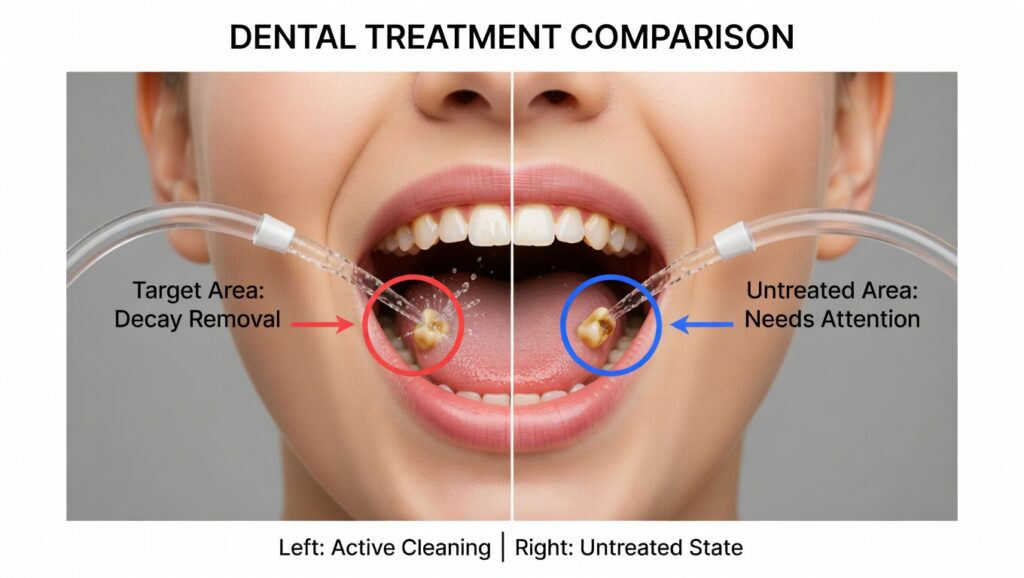
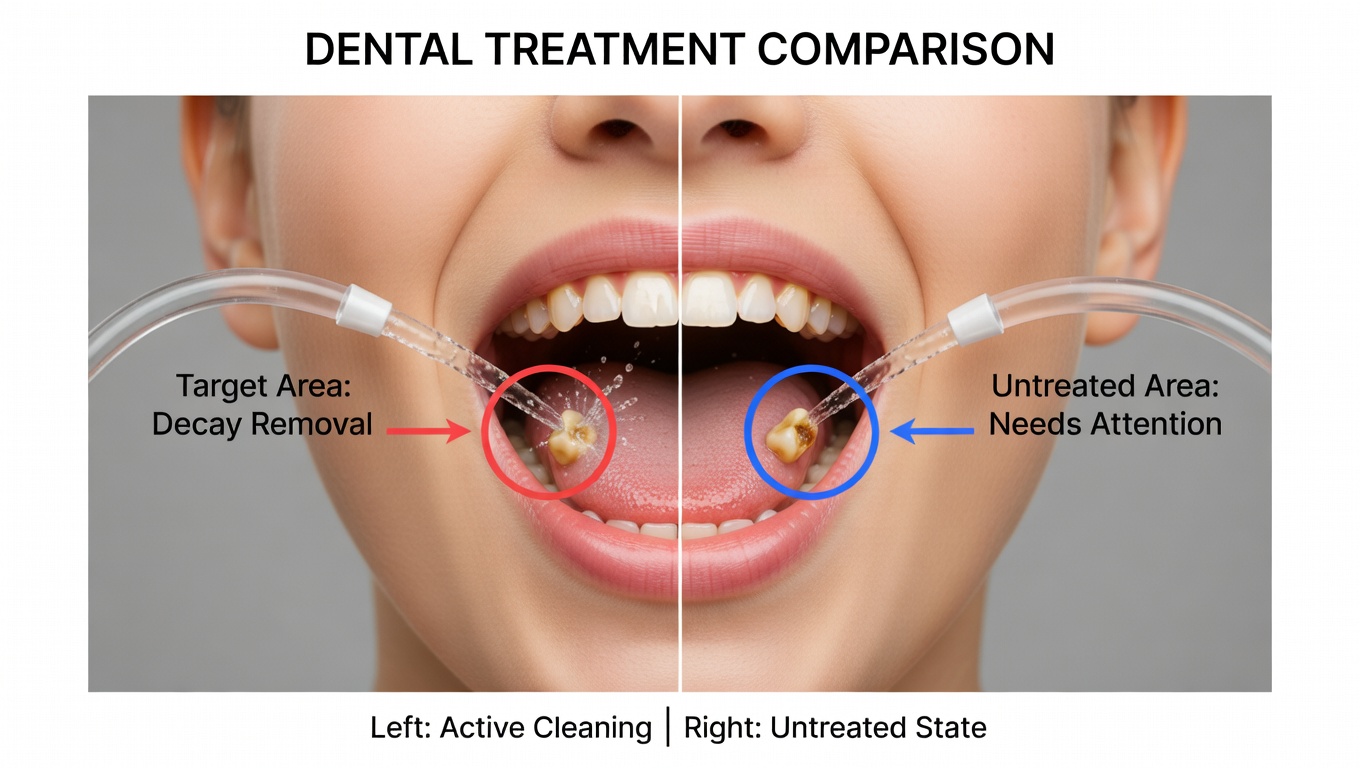
Use a Water Flosser (WaterPik)
A water flosser is often the most effective at-home tool for removing tonsil stones.
How to use it:
- Fill the water flosser with clean, lukewarm water.
- Set it to the lowest pressure to start.
- Stand in front of a mirror and gently aim the stream at the visible stone.
- Flush around the stone until it pops out of the crypt.
If you accidentally swallow the stone, it’s not dangerous. Your stomach acid will break it down, and it will pass normally through your digestive system.
Water flossers are widely available at pharmacies and online.
Gargle with Warm Salt Water
A warm saltwater gargle is a classic, gentle method that can both soothe your throat and help loosen tonsil stones.
Try this:
- Dissolve about ½ teaspoon of salt in a cup of warm (not hot) water.
- Take a sip, lean your head back, and gargle for 30–60 seconds.
- Focus on getting the water as far back as you comfortably can so it covers your tonsils.
- Spit it out and repeat several times if needed.
The salt helps reduce inflammation and may weaken the stone’s attachment so it can fall out.
Use a Strong Cough
Occasionally, a forceful cough is enough to knock a stone loose.
- Take a deep breath and cough firmly, directing the force from your chest and diaphragm.
- Do this only a few times at once and avoid overdoing it.
This method is less reliable and should be used with caution. Extremely forceful or repeated coughing can make you lightheaded, and in rare cases may cause you to faint.
3. Long-Term Strategy: Preventing Tonsil Stones from Coming Back
Removing a stone gives short-term relief, but prevention is where you truly win. To stop tonsil stones from returning, you need a consistent routine that targets the underlying causes.
Get Control of Your Sinus Health
Since post-nasal drip is a major contributor, caring for your sinuses is essential.
One of the best tools is a daily saline sinus rinse, such as those made by NeilMed or similar brands. These rinses:
- Flush out mucus, allergens, and bacteria
- Reduce congestion
- Lower the amount of mucus that drains down your throat
Important safety tips:
- Always use distilled, sterile, or previously boiled and cooled water.
- Follow the instructions on the product carefully.
If you struggle with severe or long-term sinus problems, talk with your primary care provider or an ENT (ear, nose, and throat specialist) for personalized treatment options.
Upgrade Your Oral Hygiene Routine
Strengthening your oral care habits can significantly reduce the debris and bacteria contributing to tonsil stones.
Aim to:
- Brush at least twice daily with a fluoride toothpaste.
- Floss once a day (a water flosser works well here too).
- Clean your tongue with a scraper or your toothbrush to remove bacterial buildup.
- Gargle with mouthwash, not just swish it.
When using mouthwash:
- Swish it around your teeth and gums.
- Then tilt your head back and gargle for about 30 seconds so the liquid reaches your tonsils.
Using an alcohol-free antiseptic mouthwash can help reduce bacteria in the back of the throat without causing extra dryness.
Stay Well Hydrated
Drinking enough water is a simple but powerful preventative step.
Proper hydration:
- Keeps saliva flowing
- Helps wash away food particles and bacteria
- Reduces dryness that allows debris to cling to tonsil crypts
As a general guideline, aim for about eight glasses of water per day, more if you’re very active or live in a hot climate. Adjust based on your body’s needs and any recommendations from your doctor.
Bonus: Consider Grape Seed Extract Nasal Sprays
Some nasal sprays that contain grape seed extract may provide an extra layer of antimicrobial support.
- Early research suggests grape seed extract may have natural antibacterial and antifungal properties.
- Reducing bacterial load in the sinuses and nasal passages may indirectly help limit the bacteria reaching your tonsils.
These sprays are available online and can be used alongside sinus rinses and other preventive measures. If you have allergies, sensitivities, or existing nasal conditions, check with a healthcare professional before adding new products.
An Important Clarification: Tonsil Stones and STIs
Many people worry that tonsil stones might mean they have a sexually transmitted infection (STI). This is a common myth.
Tonsil stones are not a sign of an STI.
They are related to:
- The structure of your tonsils
- Your sinus health and post-nasal drip
- Your oral hygiene habits
- Hydration and dry mouth
They are not caused by sexual activity. If tonsil stones are your only concern and you don’t have other STI symptoms or risk factors, you do not need STI testing because of tonsil stones alone.