Could Your Home or Office Be Making You Sick?
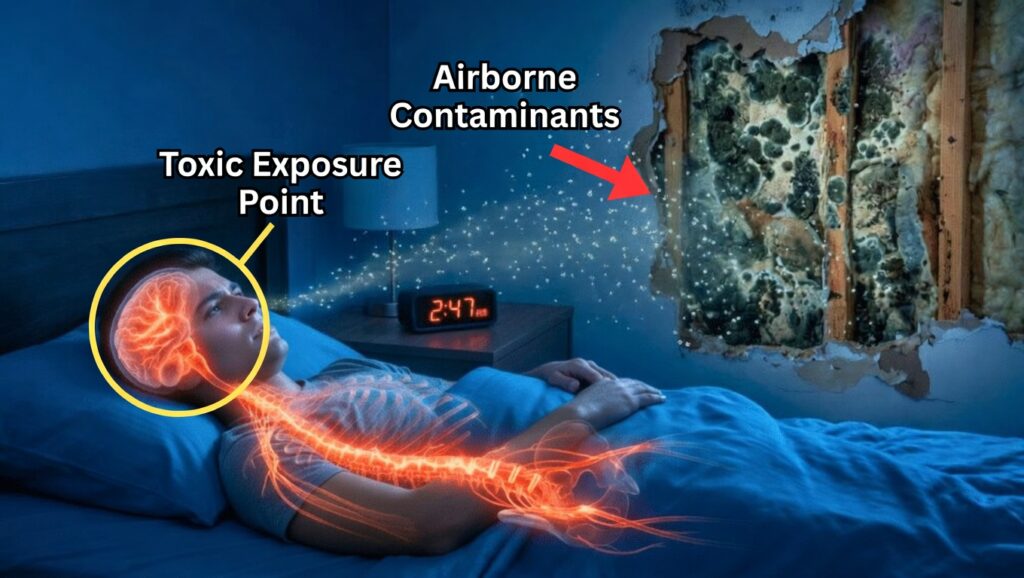
Have you ever wondered whether the place you live or work in could be behind your declining health? Those nagging symptoms—relentless brain fog, overwhelming fatigue, unexplained pain—might not be “all in your head.” For many people, the culprit is a hidden threat: toxic mold growing behind walls, under floors, or in ceilings.
Mold-related illness can be deeply disabling, yet it’s often overlooked in conventional medicine. Many doctors receive little to no training on mycotoxin illness in medical school. As a result, people can go years feeling like a shell of their former selves—unable to work, think clearly, or enjoy life—without realizing that an invisible environmental toxin is sabotaging their health.
If you’ve been searching for answers and getting nowhere, it may be time to step into the role of your own health detective.
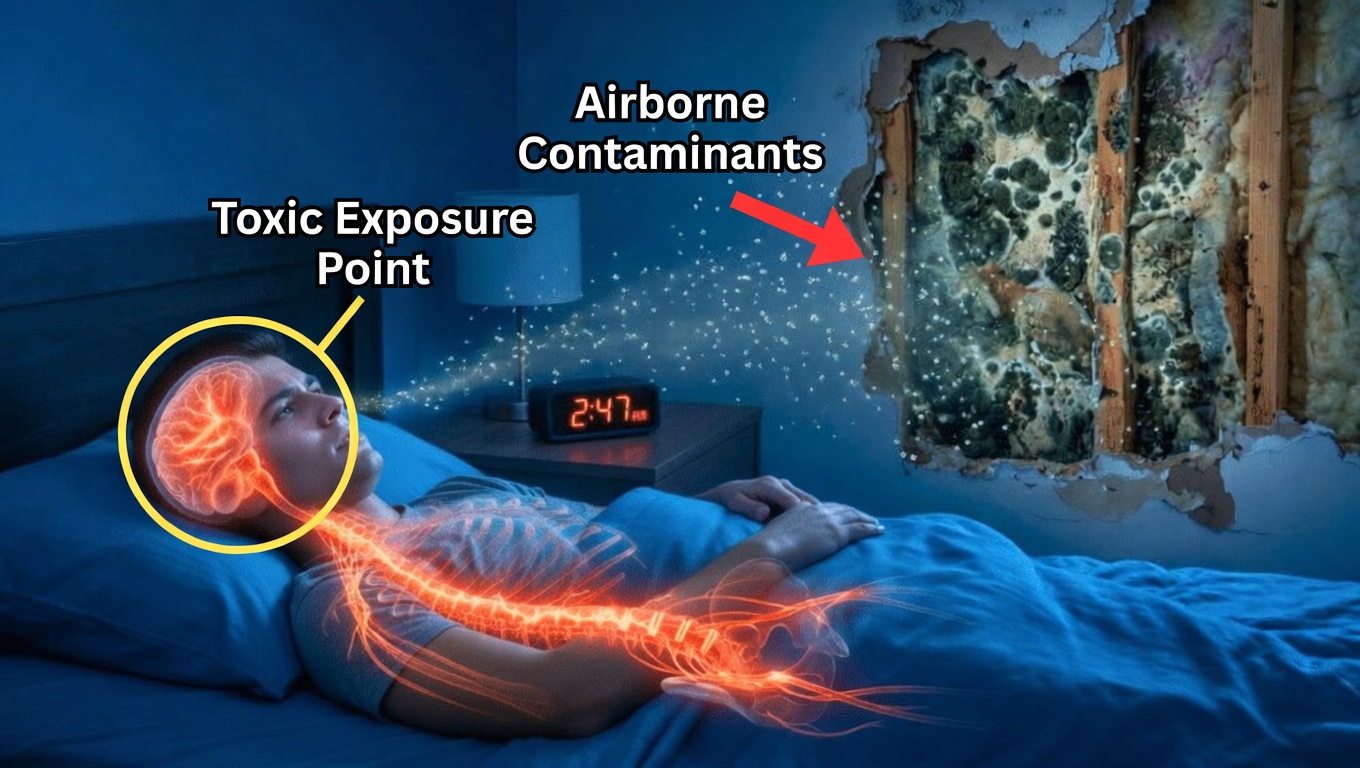
Toxic mold is not just the fuzzy growth you see on spoiled food. In any water-damaged building, mold can flourish out of sight, releasing poisonous substances called mycotoxins into the air. You can breathe these in or absorb them through your skin, triggering widespread inflammation and damaging multiple systems in your body.
Recognizing the signs is the first crucial step toward identifying mold toxicity and taking back your health. Below are key symptoms that should raise your suspicion of mold-related illness, based on the insights of Dr. Micah Yu.
Key Takeaways
- Mold toxicity (mycotoxin illness) can cause a broad spectrum of severe symptoms and is often mistaken for conditions like chronic fatigue syndrome, fibromyalgia, anxiety, or depression.
- Water-damaged buildings are the most common source of exposure; mold frequently hides behind walls, in ceilings, under carpets, or beneath flooring.
- Multiple body systems can be affected at once, including the brain, nervous system, lungs, joints, gut, and skin.
- Standard allergy testing is usually not enough. Specialized urine or blood tests that detect mycotoxins are often needed to confirm exposure.
- Eliminating the mold source is essential for recovery, along with working with a practitioner experienced in diagnosing and treating mold-related illness.
1. Brain Fog and Cognitive Changes
One of the earliest and most alarming signs of mold toxicity is a noticeable decline in mental clarity. Instead of feeling sharp and focused, you may feel like your brain is wrapped in a thick fog.
Common cognitive symptoms include:
- Trouble recalling words or names during conversation
- Short-term memory problems (forgetting tasks, misplacing items, repeating yourself)
- Slower thinking or difficulty processing information
- Heightened sensitivity to light, noise, or sensory overload
Mycotoxins are neurotoxins, meaning they can damage nerve cells and brain tissue. They can cross the blood–brain barrier—a protective shield around your brain—triggering inflammation and disrupting neurotransmitters, the chemical messengers that regulate mood and cognition.
Because of this, mold exposure can also show up as:
- New or worsening anxiety
- Depression that seems to appear out of nowhere
- Feeling “disconnected,” unlike yourself, or emotionally flat
If your mind no longer feels like your own and no one can explain why, mold toxicity should be on your radar.
2. Sleep Disturbances and Nervous System Dysregulation
Do you drag yourself through the day only to feel strangely wired at night? Many people with mold toxicity experience severe sleep disruption:
- Difficulty falling asleep, even when exhausted
- Waking multiple times during the night
- Waking too early and being unable to fall back asleep
- New onset of night sweats, not explained by hormones or menopause
Mycotoxins can interfere with your autonomic nervous system (ANS), which regulates automatic functions such as heart rate, breathing, and the balance between “fight-or-flight” and “rest-and-digest” states.
Under mold-induced stress, your body often gets stuck in a chronic fight-or-flight mode, leading to:
- A racing mind that won’t shut off
- Elevated heart rate or palpitations
- Constant inner tension or anxiety
- Feeling “tired but wired”
This nervous system chaos makes restorative sleep nearly impossible, further compounding fatigue and brain fog.
3. Crushing Fatigue That Never Resolves
The exhaustion linked to mold toxicity goes far beyond normal tiredness. This is not something a weekend of rest, extra sleep, or a strong coffee can fix.
People often describe:
- Deep, whole-body fatigue that feels like moving through quicksand
- Difficulty completing normal daily tasks
- Feeling wiped out for days after mild physical activity
- Being labeled with chronic fatigue syndrome without a clear cause
One reason for this profound fatigue is damage to the mitochondria, the tiny structures inside your cells that produce energy. Mycotoxins can impair mitochondrial function, causing your energy production to plummet.
This “energy crisis” in your cells explains why:
- Exercise tolerance drops dramatically
- Recovery from exertion takes much longer
- You may feel weak, drained, and unrefreshed no matter how much you rest
If your stamina has suddenly collapsed without a clear medical explanation, it may be worth investigating mold exposure.
4. Ongoing Respiratory and Sinus Issues
Because mold and mycotoxins are often inhaled, the respiratory system frequently bears the brunt of exposure.
Common symptoms include:
- Chronic sinus congestion or pressure
- Persistent post-nasal drip
- Recurrent sinus infections or irritation
- A lingering, unexplained cough
- Shortness of breath, even when lung tests look normal
People often see ENT specialists or pulmonologists, only to be told that imaging and standard tests look fine. Yet they continue to struggle.
These symptoms can be driven by inflammation in the airways as your immune system reacts to inhaled mold spores and mycotoxins. Conventional testing often looks for infections or structural issues and may miss environmentally driven inflammation.
If your respiratory symptoms don’t respond to typical treatment—or flare when you’re in certain buildings—mold toxicity could be a missing piece.
5. Unexplained Aches, Pains, and “Fibromyalgia-Type” Symptoms
Widespread pain without obvious cause is another hallmark of mold toxicity. You might experience:
- Diffuse muscle aches
- Soreness or stiffness in multiple joints
- Deep, aching pain without swelling or redness
- A diagnosis of fibromyalgia when labs appear “normal”
Mycotoxins can create systemic inflammation throughout the body. As this inflammation circulates, it can show up as chronic, migrating pain in muscles and joints.
In some people, mold exposure can also act as an environmental trigger for autoimmune diseases, such as:
- Rheumatoid arthritis
- Lupus
- Other inflammatory or rheumatic conditions
If your pain has no clear explanation and you’ve been told to “watch and wait,” it may be worth exploring whether mold exposure is contributing to your symptoms.
6. Skin Rashes and New Sensitivities
Your skin often reflects what is happening internally. With mold toxicity, your skin may begin to react in surprising ways.
Possible signs include:
- Unusual rashes with no obvious cause
- Hives or itchy patches that appear and disappear
- Temporary relief from steroid creams that never fully solve the problem
Mold exposure can also trigger Mast Cell Activation Syndrome (MCAS). In MCAS, mast cells—the immune cells involved in allergic reactions—become overly reactive and release large amounts of histamine and other inflammatory chemicals.
This can lead to:
- Increased skin reactivity, rashes, or hives
- Sudden onset of food sensitivities or intolerances
- New digestive issues such as bloating, cramps, or diarrhea
If you suddenly start reacting to foods or products you have tolerated for years, and no one can explain why, consider whether an environmental trigger like mold might be driving your immune system into overdrive.
Conclusion: Listen to Your Symptoms—and Your Environment
Mold toxicity is often called “the great masquerader” because its symptoms overlap with many other chronic conditions. Brain fog, anxiety, fatigue, pain, skin problems, and respiratory issues are frequently treated in isolation, without anyone asking what might be tying them all together.
If you notice a combination of these symptoms—especially if they worsen in certain buildings or improve when you’re away—it’s important to consider mold exposure as a potential root cause.
Your symptoms are not random; they are signals that something in your environment may be harming you. Pay attention to patterns, trust your intuition, and seek out a healthcare practitioner who is trained in identifying and treating mold and mycotoxin illness.
Addressing the source of exposure and getting proper support can be a crucial turning point on your path back to health.