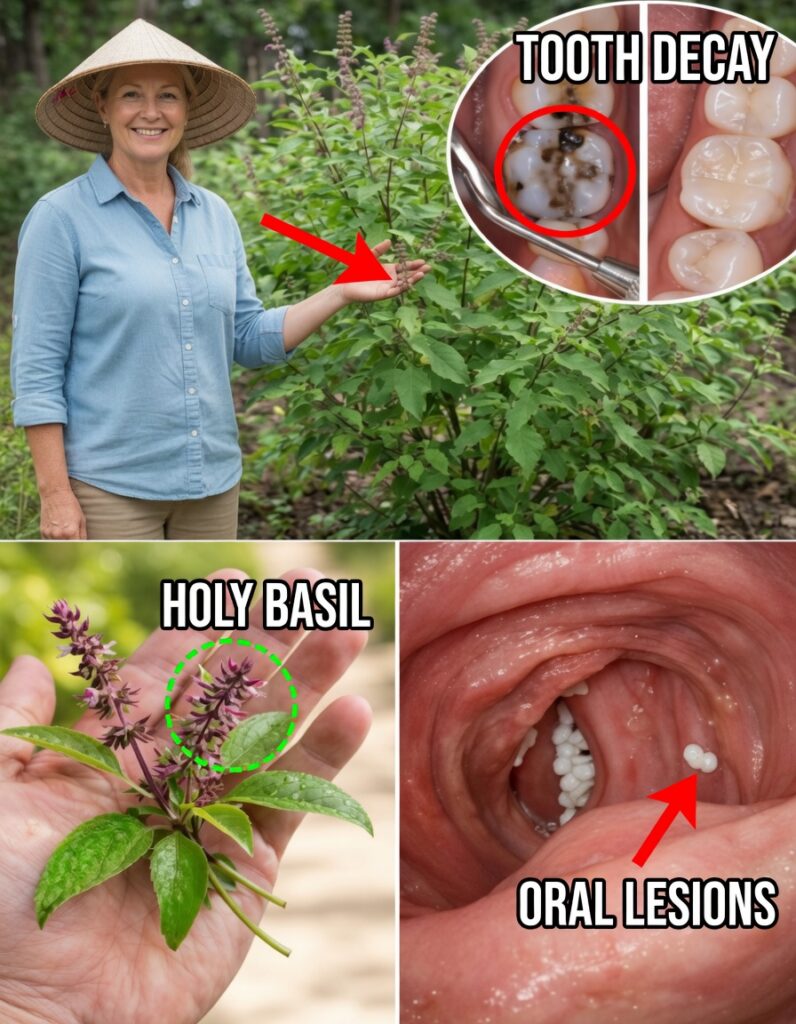
Tulsi (Holy Basil): The Ayurvedic Secret for Strong Teeth and Healthy Gums
Holy Basil, traditionally called Tulsi, is one of the most revered plants in Ayurveda and is often honored as the “Queen of Herbs.” Most people know it for its immunity-boosting and stress-relieving benefits, but Tulsi is also a potent natural remedy for oral health.
Research and long-standing traditional use suggest that Tulsi can support:
- Cavity prevention
- Gum inflammation and bleeding
- Bad breath (halitosis)
- Tooth sensitivity
- Bacterial and fungal infections in the mouth
- Stronger tooth enamel and overall dental health
Below is a complete guide to using Tulsi for a cleaner, healthier mouth.
1. Tulsi Targets Cavity-Causing Bacteria
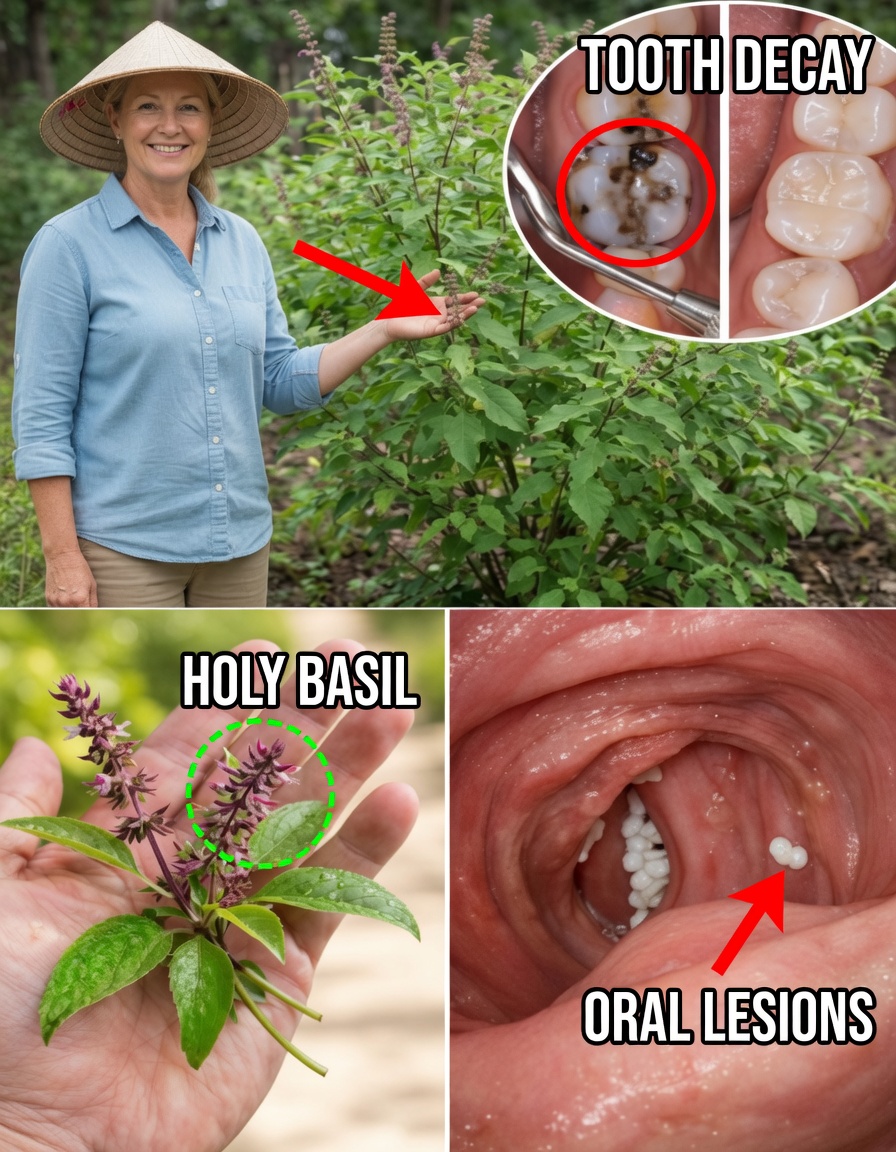
Tulsi is rich in antibacterial, antifungal, and antimicrobial compounds that help protect the mouth from harmful microorganisms.
It has been shown to combat:
- Streptococcus mutans – the primary bacteria responsible for tooth decay
- Candida species – often linked to oral thrush
- Various bacteria associated with gum disease
By reducing these microbes, Tulsi helps to:
- Lower the risk of cavities
- Slow down tooth decay
- Minimize enamel erosion
- Reduce plaque formation
Key active components such as eugenol, ursolic acid, and linalool act like a natural protective barrier in the mouth, making it harder for harmful bacteria to thrive.
2. Supports Strong, Healthy Gums and Fights Gum Disease
Tulsi is especially helpful for people experiencing:
- Gingivitis (gum inflammation)
- Bleeding gums
- Swollen, tender, or painful gums
- Receding gum lines
Its anti-inflammatory properties help:
- Decrease swelling and redness
- Improve blood circulation in gum tissue
- Speed up the healing of irritated or damaged gums
Tulsi also protects gum tissue from oxidative stress, which can contribute to gum deterioration. This protective effect helps keep gums firm, resilient, and healthy over time.
3. Naturally Reduces Bad Breath (Halitosis)
Persistent bad breath is often linked to:
- Bacterial overgrowth in the mouth
- Gum infections
- Digestive imbalances
- Dry mouth (reduced saliva)
Tulsi helps freshen breath by:
- Inhibiting odor-causing bacteria
- Cleansing the mouth and reducing microbial buildup
- Promoting a cleaner oral environment for several hours
Its essential oils also leave a cool, refreshing, mint-like aroma, making it a natural alternative to chemical-laden mouthwashes.
4. Protects Enamel and Strengthens Teeth
Tulsi provides minerals and antioxidants that support strong teeth and protect against everyday damage caused by:
- Acidic foods and drinks
- Excess sugar
- Harmful bacteria in the mouth
Regular use can help:
- Decrease tooth sensitivity
- Support the remineralization and strength of enamel
- Reduce the risk of future decay
With consistent use, Tulsi can contribute to stronger, more resilient teeth.
5. Speeds Healing of Mouth Ulcers and Oral Infections
Thanks to its anti-inflammatory and antiseptic nature, Tulsi is useful for soothing and healing:
- Mouth ulcers
- Sore or irritated gums
- Minor cuts or abrasions in the mouth
- Mild oral infections
It calms inflamed tissue, supports faster recovery, and can help reduce pain and discomfort in the mouth.
How to Use Tulsi for Better Oral Health
There are several simple ways to incorporate Tulsi into your daily oral care routine.
1. Tulsi Mouthwash (Natural Antibacterial Rinse)
A Tulsi mouthwash is an easy and effective way to sanitize the mouth.
Method:
- Boil 10–15 fresh Tulsi leaves (or 1 tablespoon dried Tulsi)
- In 1 cup of water
- Let the mixture cool completely
- Strain if needed and use it as a mouth rinse twice a day
This herbal rinse helps reduce bacteria, freshen breath, and support overall oral hygiene.
2. Tulsi Tooth Powder
Tulsi leaf powder can be used as a natural alternative or supplement to regular toothpaste.
How to prepare and use:
- Dry Tulsi leaves thoroughly
- Grind them into a fine powder
- Use the powder to brush your teeth directly, or mix it with:
- A small amount of coconut oil, or
- A pinch of salt
This combination can help whiten teeth, reduce bacterial growth, and support strong gums.
3. Chewing Fresh Tulsi Leaves
Chewing Tulsi leaves is a traditional practice for oral health.
Chewing 2–3 fresh leaves daily may help:
- Reduce harmful bacteria in the mouth
- Naturally freshen breath
- Strengthen and tone gum tissue
This is a simple way to gain both oral and general health benefits from the plant.
4. Tulsi and Clove Herbal Remedy for Tooth and Gum Issues
Combining Tulsi with clove enhances its oral benefits, especially for pain and infection.
This blend is helpful for:
- Toothache
- Early cavities
- Gum infections and inflammation
How to use:
- Mix Tulsi powder with clove powder
- Add enough coconut oil to form a paste
- Apply the paste gently on the gums or around the affected tooth
Clove’s natural analgesic (pain-relieving) properties, combined with Tulsi’s antimicrobial effects, make this a powerful herbal remedy.
Important Note and Precautions
Tulsi is a strong herb and should be used mindfully.
- Avoid chewing fresh Tulsi leaves every single day for many months in a row, especially if you have very sensitive teeth, as long-term daily chewing might slightly affect tooth enamel in some individuals.
- If you notice discomfort or increased sensitivity, switch to Tulsi mouthwash or Tulsi tooth powder instead of chewing the leaves.
Final Thoughts
Holy Basil (Tulsi) is one of the most overlooked natural solutions for oral care. From fighting cavity-causing bacteria and soothing gums to freshening breath and supporting enamel, Tulsi offers a gentle yet powerful way to improve dental health.
If you want a natural, safe, and effective addition to your oral hygiene routine, Tulsi can be a valuable ally for maintaining a clean, healthy mouth.