Ingredients
Dreaming of thicker, healthier-looking hair? Traditional natural remedies have been used for generations, and bay leaves are one of the most popular options. If you want a simple, low-cost way to support your scalp, this is an easy method to add to your routine.
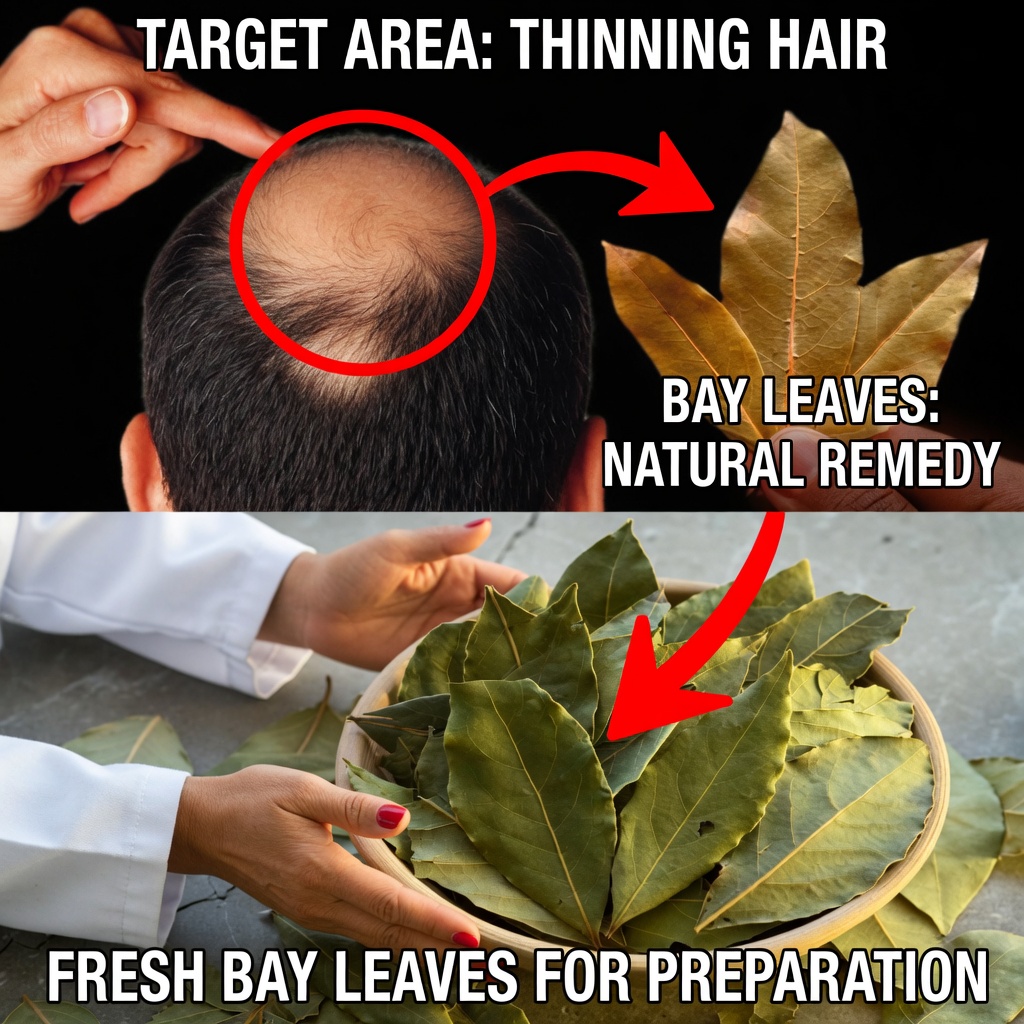
Bay Leaves for Hair Growth: What Makes Them Popular?
Bay leaves contain plant compounds, antioxidants, and aromatic oils that may help nourish the scalp, reduce the look of dandruff, and support a cleaner, more balanced environment where hair can grow well. Many people use bay leaf treatments as a natural approach to encourage hair regrowth, including in areas that appear thinner.
How to Use Bay Leaves in Your Hair Care Routine
If you’d like to try bay leaves for hair growth, here are three straightforward ways to use them at home.
1) Bay Leaf Rinse
- Add a handful of bay leaves to a pot of water and boil for 10–15 minutes.
- Allow the liquid to cool, then strain out the leaves.
- After shampooing, pour the bay leaf water over your scalp and hair as a final rinse.
2) Bay Leaf Scalp Massage Oil
- Crush a few dried bay leaves.
- Mix them into coconut oil or olive oil.
- Let the blend sit for about 24 hours so the oil can infuse.
- Massage into the scalp and leave on for at least 30 minutes, then wash as usual.
3) Bay Leaf Hair Mask
- Combine bay leaf powder with aloe vera gel to form a smooth paste.
- Apply to thinning areas and the scalp.
- Leave on for around 20 minutes, then rinse thoroughly.
Why Bay Leaves May Help the Scalp
Bay leaves are often chosen because they’re known for anti-inflammatory and antimicrobial properties, which may support overall scalp health. And when the scalp feels healthier, hair often looks stronger and more vibrant. Results can differ from person to person, but regular use is commonly linked with improved shine, strength, and manageability.
A Natural, Budget-Friendly Option
Instead of relying only on costly products, many people prefer to start with gentle, accessible ingredients. Bay leaves are inexpensive, widely available, and easy to prepare at home. Use one method consistently for a few weeks and observe how your scalp and hair respond—you may notice a visible difference over time.