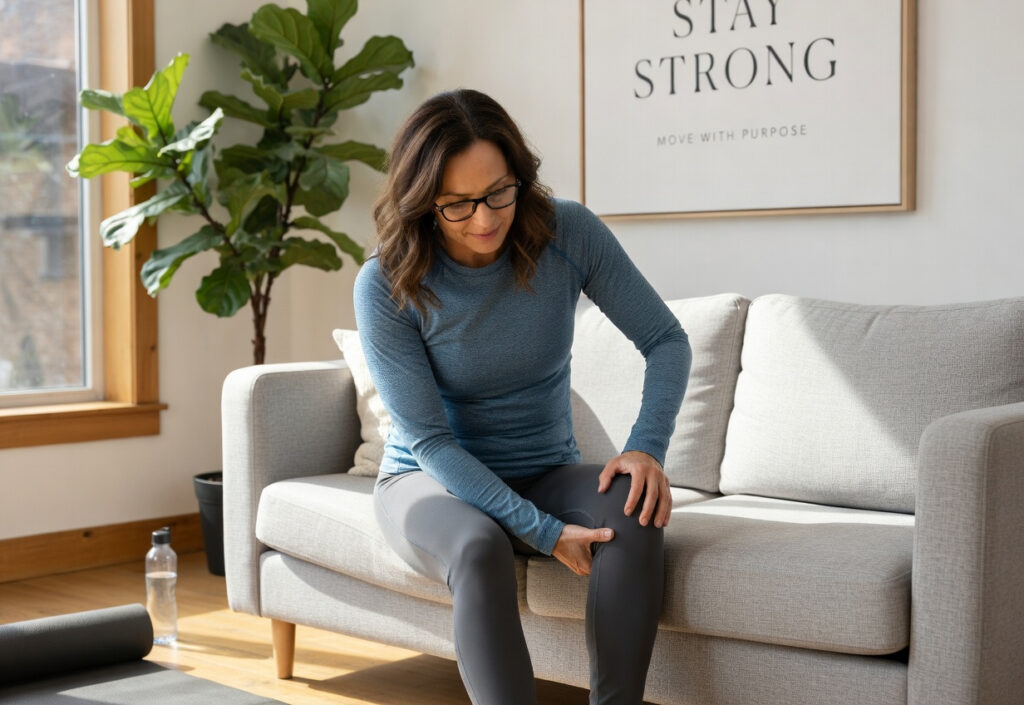
Tired, Heavy Legs at Your Desk?
If you spend most of the day sitting at a computer, you may know the feeling well: by mid-afternoon, your calves feel dull, tight, and strangely heavy. Even standing up for a quick coffee can feel like effort.
You are not the only one dealing with this. Many office workers notice that sluggish, weighed-down sensation after hours in a chair.
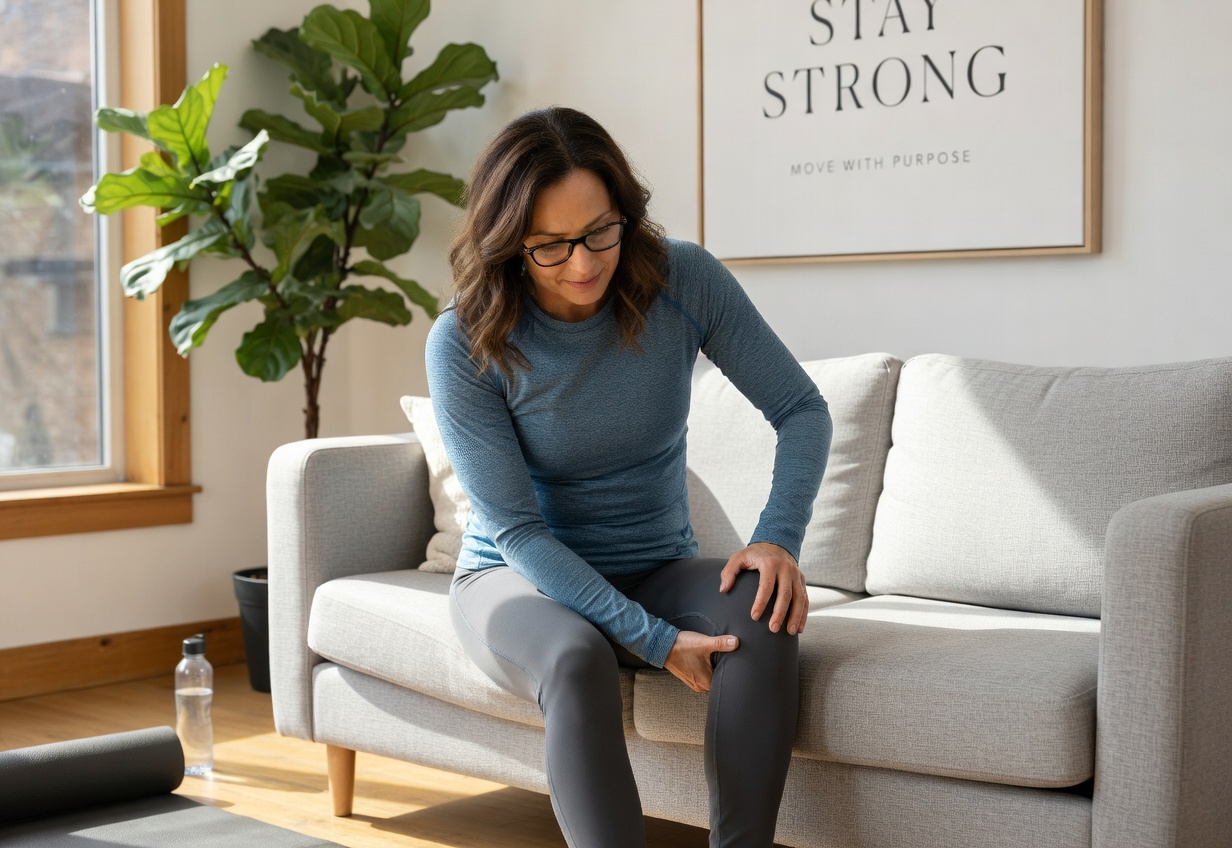
The good news is that you do not have to just put up with it. A few simple movements done right at your desk can help wake your legs back up.
Why Sitting Makes Your Legs Feel Like Lead
Your calves play an important role in moving blood back toward your heart. They are made up of three muscles:
- Gastrocnemius
- Soleus
- Plantaris
These muscles work together like a pump. When you sit for long stretches without much movement, your calves are not getting the action they need to do that job well.
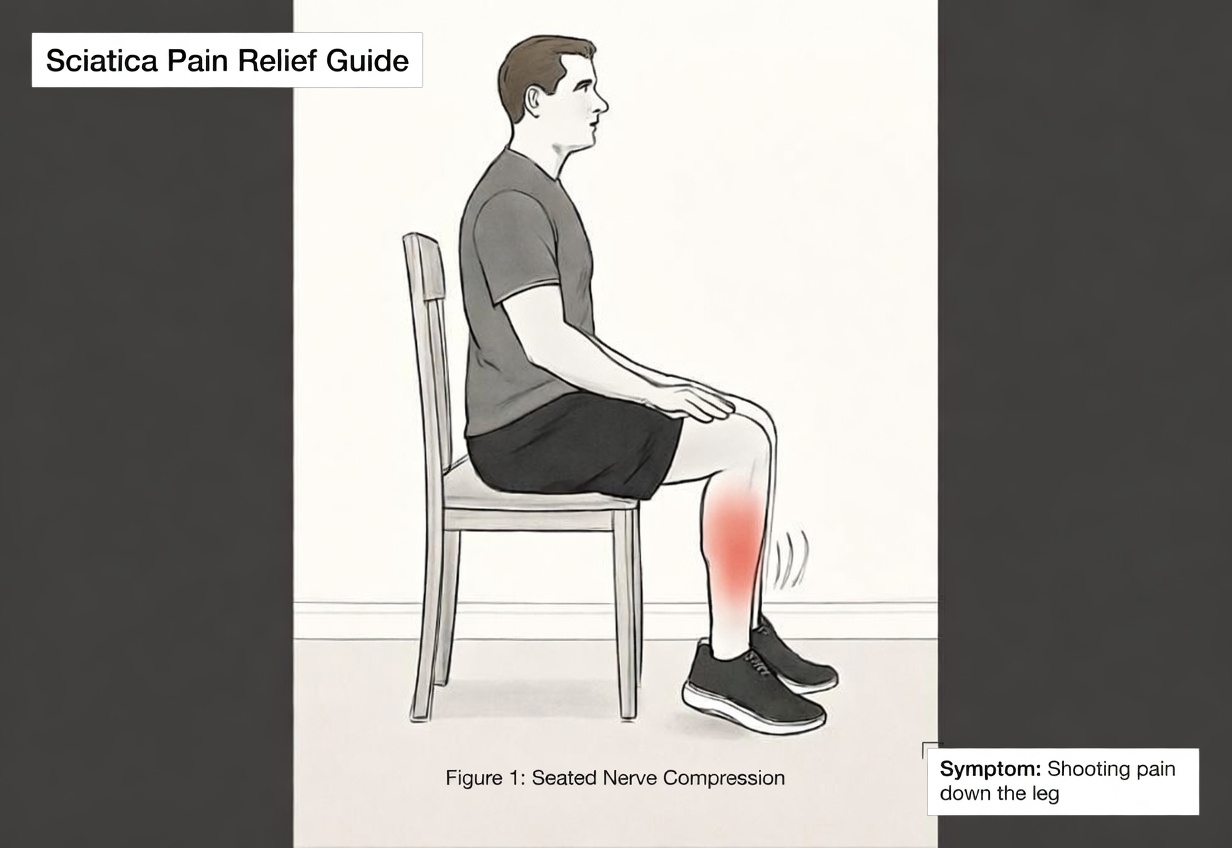
As a result, gravity starts to work against you, and blood can collect in your lower legs. That can leave you with:
- Fatigue
- Stiffness
- A restless feeling
- That “dead weight” sensation in your calves
This is why your legs can feel so drained by the middle of the day.
A Simple Fix: Under-Desk Calf Raises
The easiest way to fight leg fatigue is to get your calves working again. These under-desk calf exercises are easy to fit into the workday, and you can even do some of them while checking emails.
They do not require special equipment, special shoes, or enough effort to make you sweat. That makes them practical for most office workers.
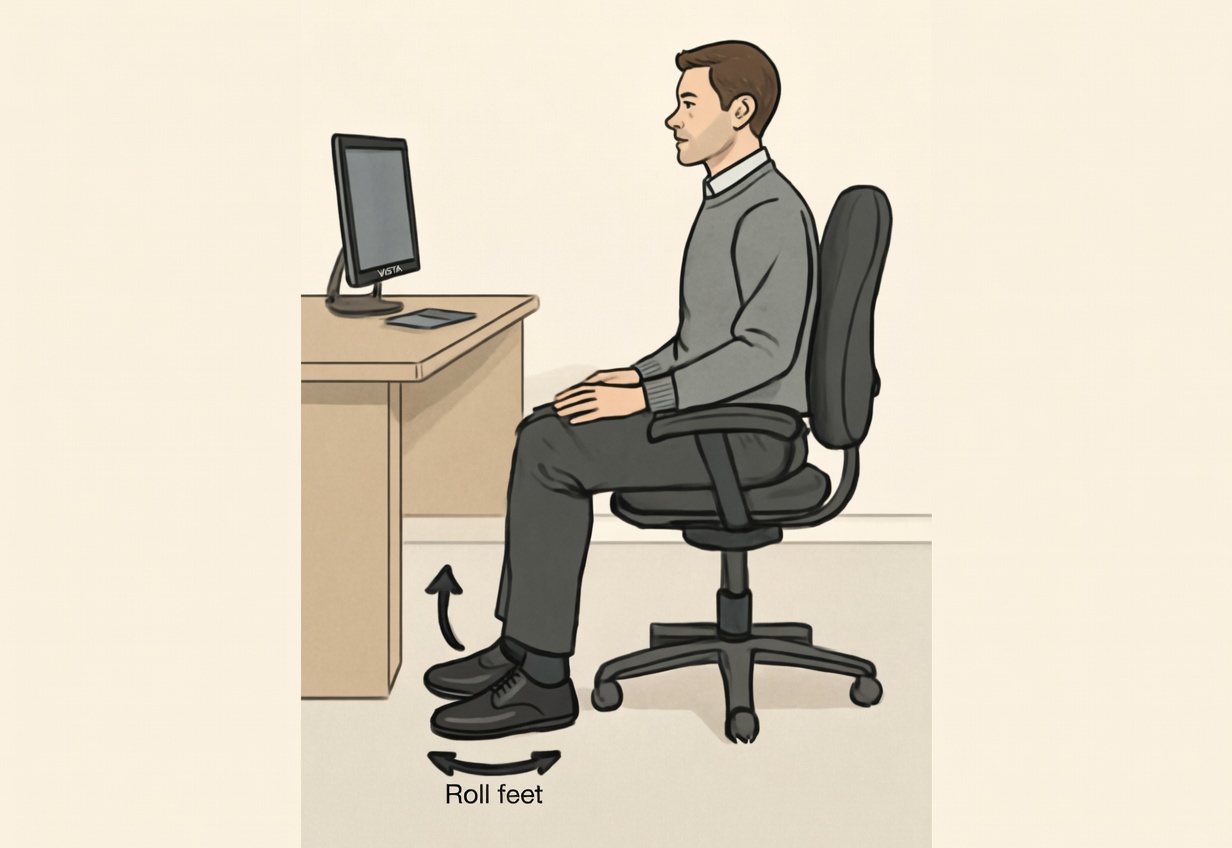
1. Classic Seated Calf Raise
This is the basic move and a great place to begin.
How to do it
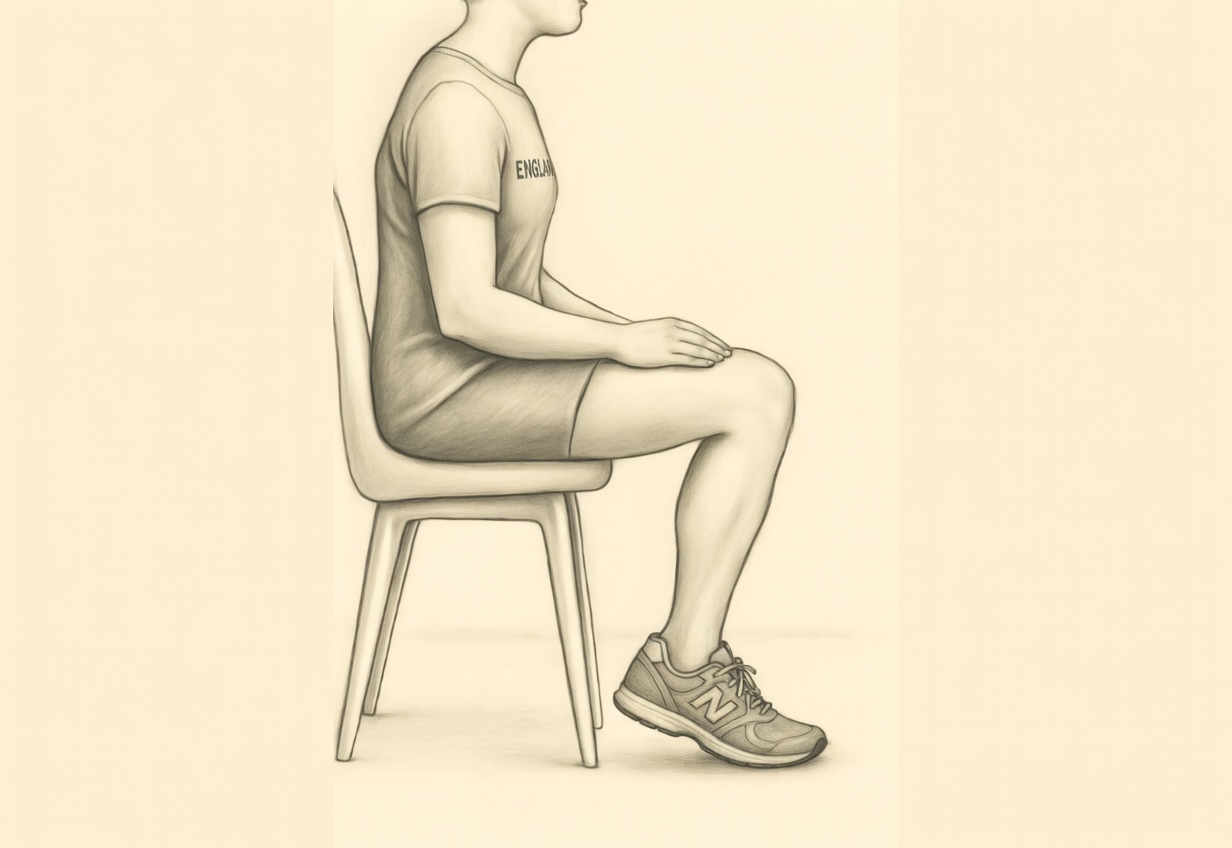
- Sit with your feet flat on the floor.
- Keep them about hip-width apart.
- Slowly raise your heels as high as feels comfortable.
- Hold at the top for 2–3 seconds while tightening your calves.
- Lower your heels back down with control.
- Repeat for 15–20 reps.
This move is subtle, so it is easy to do without drawing attention. It mainly targets the deeper calf muscle, the soleus, which supports blood flow and endurance.
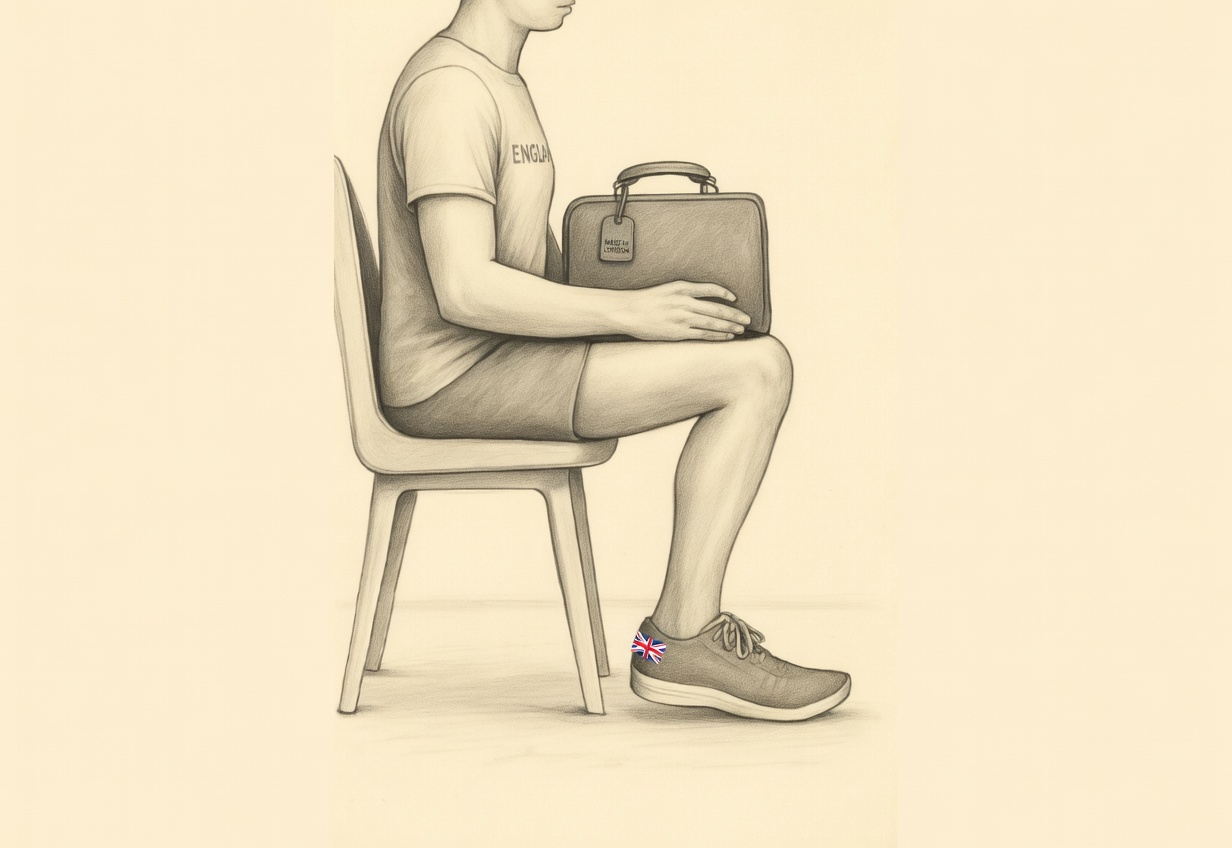
2. Weighted Seated Raise
Once the standard version feels easy, you can add resistance.
How to do it
- Place a weight on your lap, such as:
- a heavy book
- a bag
- a full water bottle
- Perform the same movement as the classic seated calf raise.
The added load makes your calves work harder through the lift. That means more muscle activation, stronger calves, and better circulation.
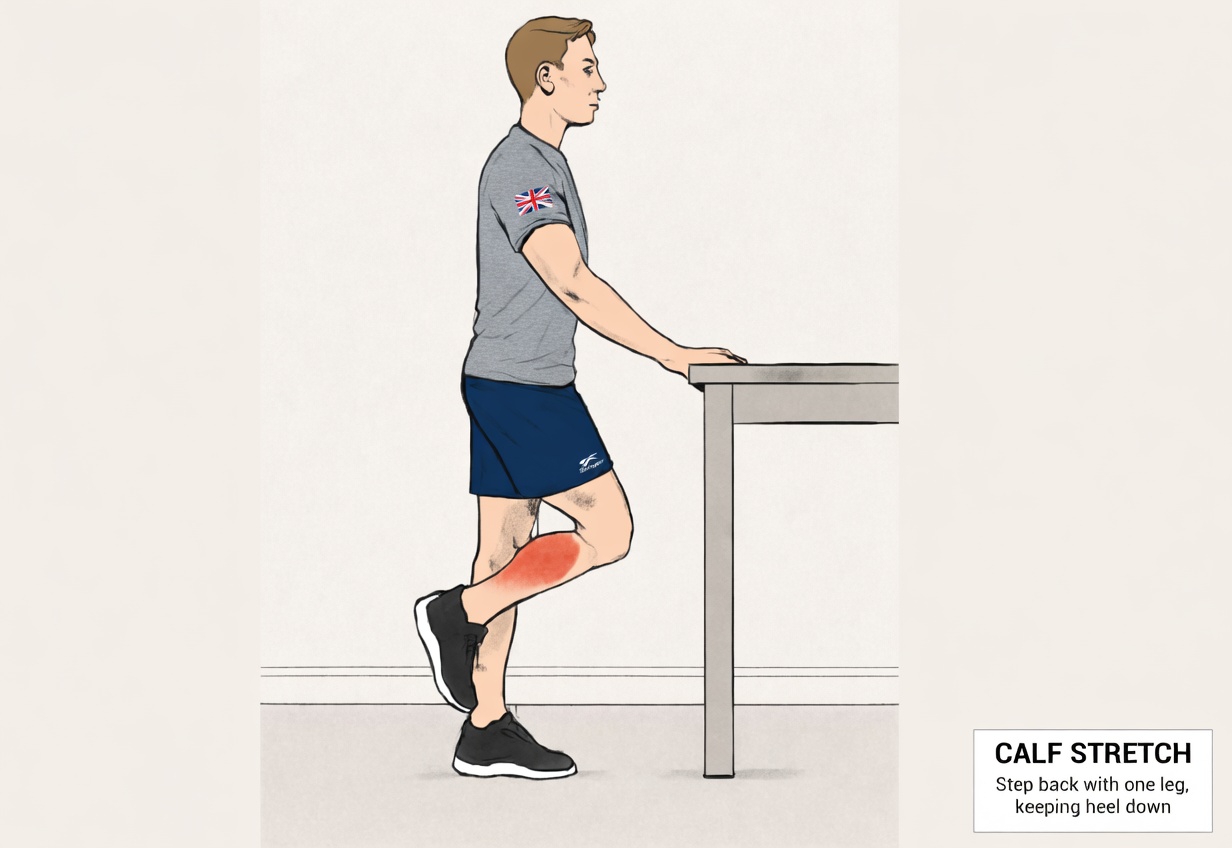
3. Single-Leg Power Move
If you want a standing variation, try this one.
How to do it
- Stand with your feet hip-width apart.
- Lift one foot off the floor.
- Do calf raises using the standing leg.
- Switch legs halfway through the set.
- Complete 8–10 reps per leg.
You can hold onto your desk for balance if needed.
Because this is a unilateral movement, each calf has to work on its own. That can help with muscle imbalances while also giving each side a tougher challenge.
4. Pulse and Hold
This variation changes the feel of the seated raise by adding short pulses.
How to do it
- Sit with your feet flat on the floor.
- Lift your heels.
- At the top, pulse up and down for 5–10 seconds.
- Lower slowly.
- Repeat 3–5 times.
These short pulses can feel very different from a regular hold. The combination of pulsing and holding increases time under tension, which helps improve circulation.
5. Toe-Point Combo
This move adds ankle mobility to your calf work.
How to do it
- Start with a regular calf raise.
- Instead of stopping at the top, keep lifting until your toes point.
- Hold for 3 seconds.
- Release by flexing your feet and returning to the start.
- Repeat for 10 reps.
This exercise works beyond the calves by involving the feet and lower legs. The toe-pointing action also gives a gentle stretch to your shins and the tops of your feet.
Why These Exercises Help
When you squeeze your calf muscles, they act like a pump. That pumping action helps send older blood back toward the heart and supports the drainage of waste products.
According to the original article, these actions may help:
- Reduce the risk of blood clots
- Build stronger calves
- Improve balance
- Reduce ankle injuries
Strong calves also matter for more than desk comfort. They support movement in everyday life and physical activity, whether that is climbing stairs or playing sports. They also contribute to balance and stability.
How to Make Calf Raises a Daily Habit
The real benefit comes from doing these movements consistently. Here are simple ways to stay on track:
- Set hourly reminders. Use your phone or computer to remind you to move each hour.
- Attach them to habits you already have. Do your calf raises while reading emails or talking on the phone.
- Start small. You do not need to jump into ten minutes every hour. Begin with what fits your day.
- Pay attention to your body. Some days involve more walking than others. If you have been sitting for hours, that is your signal to move.
Common Mistakes to Avoid
A few small changes can make these exercises more effective.
- Going too fast. Slow, controlled reps work better than rushing.
- Dropping the heels too quickly. Lowering matters just as much as lifting.
- Holding your breath. Breathe normally the entire time.
- Doing too much at first. It is possible to feel sore in the beginning, so build up gradually.
Final Thoughts
You do not have to accept tired, heavy legs as a normal part of office life. A few minutes of simple calf work during the day can help improve circulation, restore energy, and build stronger calves.
Even five minutes a day can make a noticeable difference.
Consult a healthcare professional before making changes.