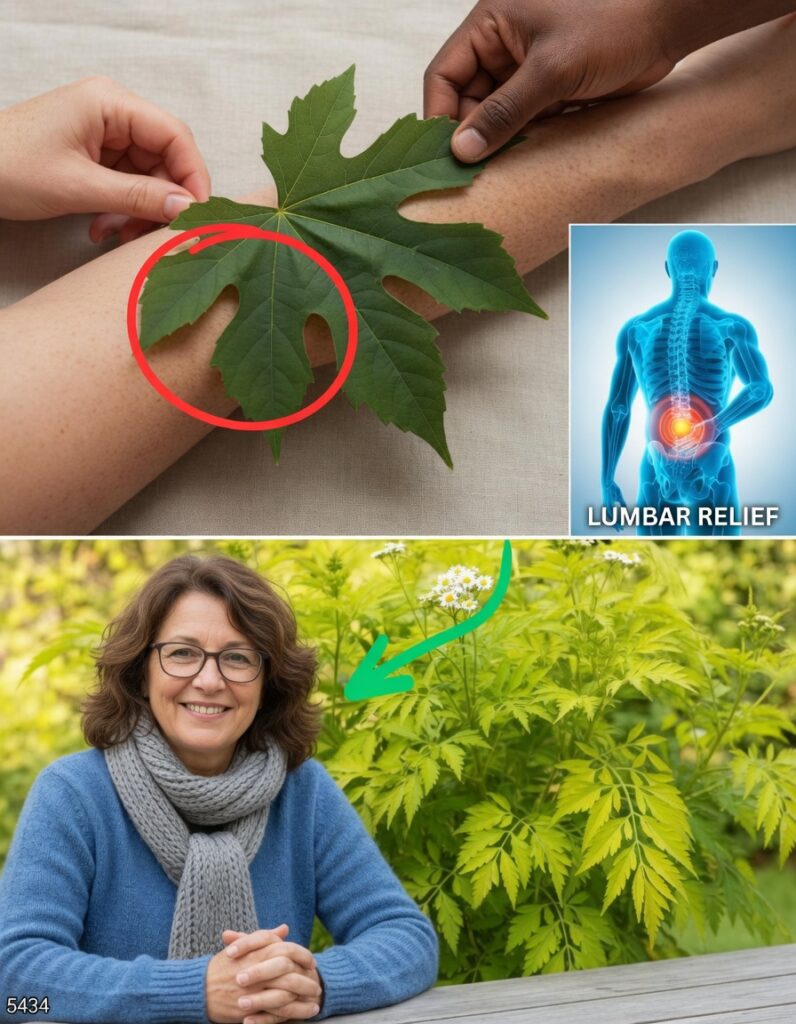
Castor Leaves and Seeds: The Hidden Powerhouses Behind Castor Oil
What if a single plant could support your health, revive your skin, and even encourage hair growth? The castor plant (Ricinus communis) has been used in traditional medicine for generations, yet most people only know it for its oil. In reality, the leaves and seeds of the castor plant are packed with anti-inflammatory, antimicrobial, and deeply nourishing compounds that can enhance your natural wellness routine.
From easing pain and inflammation to boosting hair and skin health, castor leaves and seeds offer a wide range of benefits. Below, you’ll learn the top health benefits of castor leaves and seeds, how to use them safely, and why this plant deserves a permanent place in your natural remedies toolkit.
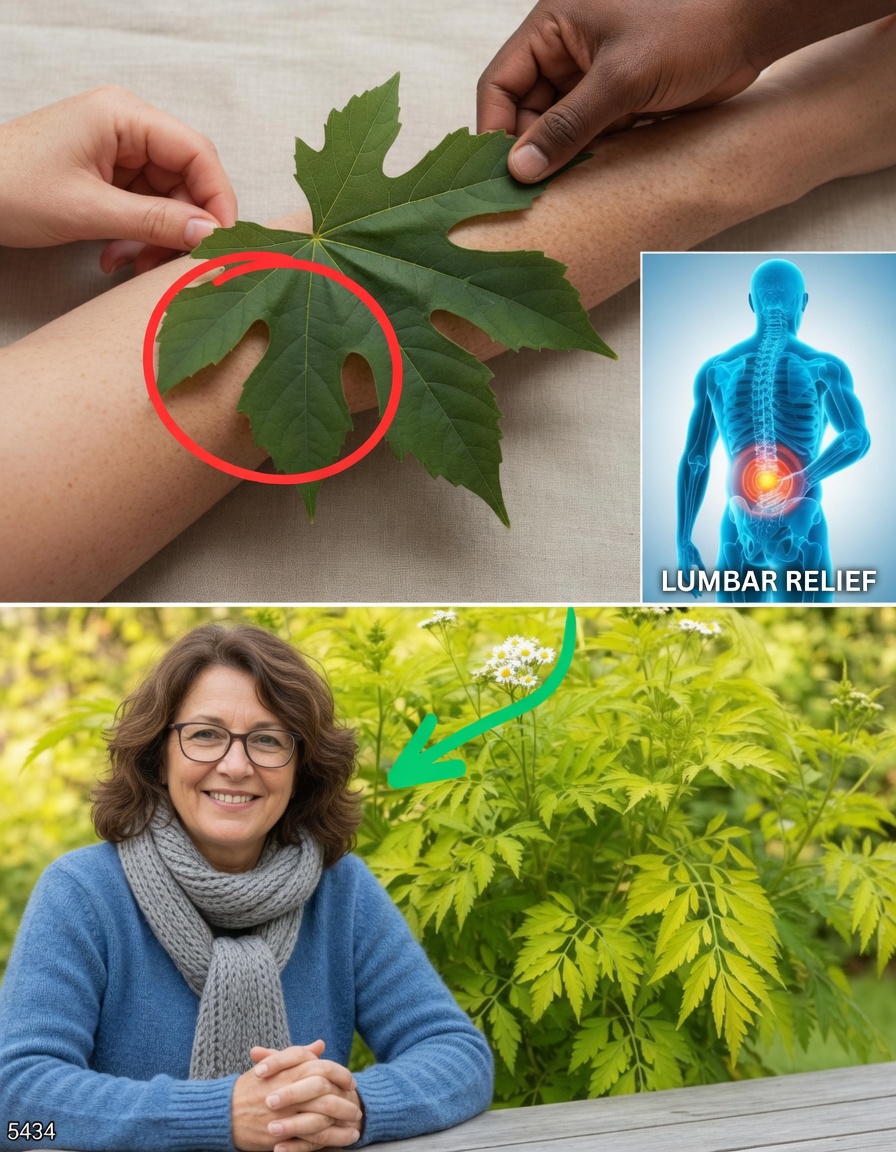
The Benefits of Castor Leaves: A Natural Anti-Inflammatory Remedy
1. Natural Relief for Pain and Inflammation
If you struggle with joint pain, arthritis, muscle soreness, or sprains, castor leaves can be a soothing, natural option. They contain anti-inflammatory compounds that help:
- Reduce swelling
- Ease pain and stiffness
- Support faster recovery from minor injuries
A traditional way to use castor leaves is as a warm compress or poultice:
- Boil fresh castor leaves in water until they soften.
- Allow them to cool until comfortably warm.
- Place the leaves directly on the painful area.
- Cover with a clean cloth or bandage and leave on for 30–60 minutes.
The warmth and active components in the leaves penetrate the tissues, helping calm inflammation and promote relief without medication.
2. Support Faster Wound Healing
Minor cuts, grazes, or insect bites can benefit from the antimicrobial and anti-inflammatory properties of castor leaves. They help:
- Protect the area from infection
- Reduce redness and irritation
- Encourage the skin’s natural healing process
To use for small wounds:
- Wash fresh castor leaves thoroughly.
- Crush them into a paste.
- Apply the paste directly to the clean wound.
- Cover with a sterile bandage and leave on for a few hours.
This simple remedy can be a helpful addition to your natural first-aid collection.
3. Ease Menstrual Cramps Naturally
Castor leaves are also used traditionally to help relieve menstrual cramps. Their gentle muscle-relaxing effects may:
- Reduce lower abdominal discomfort
- Help relax uterine muscles
- Provide a soothing, warming effect
How to use:
- Warm a few clean castor leaves (either lightly steamed or warmed in hot water, then dried).
- Place them over the lower abdomen.
- Cover with a soft cloth to keep the warmth in and rest for 20–30 minutes.
For added relief, you can combine this with a light massage using castor oil on the lower abdomen.
4. Support Immune Health with Castor Leaf Tea
Many traditional systems of medicine have used castor leaf tea to help support the immune system. The leaves contain bioactive compounds and nutrients that may:
- Help the body defend against infections
- Promote general wellness
- Support resilience during seasonal changes
To prepare castor leaf tea:
- Add fresh or dried, clean castor leaves to a pot of water.
- Boil for 10–15 minutes.
- Strain the liquid and let it cool to a drinkable temperature.
- Sip slowly.
This tea has an earthy flavor and can be enjoyed occasionally as part of a broader wellness routine. Always use in moderation and avoid long-term or excessive use without guidance.
5. Help Manage Skin Infections
Castor leaves are known for their antimicrobial and antifungal actions, making them useful for certain skin concerns, such as:
- Fungal infections like ringworm
- Mild bacterial infections
- Irritated, inflamed skin conditions
To use on the skin:
- Crush or lightly boil the leaves to soften them.
- Apply the leaf paste or softened leaves directly to the affected area.
- Leave on for up to an hour, then rinse gently with clean water.
- Repeat once daily as needed.
This natural approach can be an alternative to harsh chemical treatments, especially for those who prefer plant-based skincare.
The Power of Castor Seeds: Why Castor Oil Is So Effective
While raw castor seeds themselves are toxic and must never be eaten, the oil extracted from them—castor oil—is a well-known natural remedy. When properly processed, castor oil becomes a powerful tool for digestive health, hair care, skin nourishment, and more.
1. A Natural Laxative for Digestive Support
Castor oil is widely recognized as a strong, natural laxative for occasional constipation. Its key component, ricinoleic acid, stimulates the intestinal muscles and helps:
- Promote bowel movements
- Relieve temporary constipation
- Support short-term digestive comfort
Typical adult use:
- Take 1–2 teaspoons of castor oil on an empty stomach.
- Effects usually appear within a few hours.
Because it’s very potent, castor oil should not be used frequently or in high doses. Overuse may cause cramping, diarrhea, or dehydration. For chronic constipation or digestive problems, consult a healthcare professional.
2. Castor Oil for Hair Growth and Scalp Health
Many people use castor oil as a natural remedy for hair growth and scalp nourishment. It is rich in:
- Ricinoleic acid
- Vitamin E
- Omega-9 fatty acids
These nutrients can help:
- Moisturize the scalp
- Improve circulation to hair follicles
- Support stronger, thicker-looking hair
- Reduce dryness and breakage
How to use for hair:
- Warm a small amount of castor oil between your hands.
- Gently massage into the scalp for several minutes.
- You can also apply lightly along the hair length, especially to dry ends.
- Leave on for a few hours or overnight.
- Wash out thoroughly with shampoo.
Use 1–2 times per week for best results. You can also dilute castor oil with lighter oils (like coconut or jojoba) if it feels too thick.
3. Deep Hydration for Dry or Irritated Skin
Castor oil is a rich, emollient moisturizer that can help with:
- Dry, flaky skin
- Rough patches (elbows, knees, heels)
- Mild skin irritation
- Supporting the healing of minor wounds and scratches
Benefits include:
- Locking in moisture
- Creating a protective barrier on the skin
- Softening and smoothing dry areas
To use on skin:
- Apply a small amount of castor oil to clean, dry areas before bed.
- Massage gently until absorbed.
- For very dry skin, it can be layered over a lighter moisturizer.
Because it is thick, you only need a small amount. You can also mix it with other carrier oils for easier application.
4. Traditional Use for Inducing Labor (Only Under Medical Supervision)
In some traditional practices, castor oil has been used to stimulate labor near the end of pregnancy by triggering uterine contractions. However:
- This use carries risks and can cause strong contractions, diarrhea, and dehydration.
- It may lead to complications if used without proper supervision.
For this reason, pregnant women should never use castor oil to induce labor without explicit guidance and approval from a qualified healthcare provider. Always discuss any natural induction methods with your doctor or midwife first.
5. Natural Antimicrobial Support for Minor Infections
Thanks to its antimicrobial and antifungal properties, castor oil can help protect against mild infections and support healing in cases such as:
- Minor cuts and scrapes
- Fungal infections on the skin
- Mild bacterial growth on the skin surface
How to apply:
- Clean the area thoroughly with water and mild soap.
- Dry gently with a clean towel.
- Use a sterile cotton swab or clean fingers to apply a thin layer of castor oil.
- Repeat as needed, keeping the area clean.
This can be a gentler alternative to some over-the-counter ointments, especially for those who prefer plant-based options.
Safety Guidelines for Using Castor Leaves and Seeds
While castor leaves, seeds, and oil offer many benefits, safety is essential. Here are key precautions:
1. Never Eat Raw Castor Seeds
Raw castor seeds contain ricin, a highly toxic substance that can be fatal even in small amounts. For this reason:
- Never chew or swallow raw castor seeds.
- Keep them away from children and pets.
- Only use properly processed castor oil from reputable sources.
2. Respect Dosage Limits for Castor Oil
When using castor oil internally:
- Limit intake to 1–2 teaspoons for occasional constipation.
- Do not use daily or long-term without medical advice.
- Overconsumption may cause severe diarrhea, dehydration, and electrolyte imbalance.
If you have chronic digestive issues, always consult a healthcare provider before using castor oil.
3. Important Precautions During Pregnancy
Pregnant women should:
- Avoid internal use of castor oil unless specifically instructed by a healthcare professional.
- Never self-administer castor oil to induce labor.
Always discuss any herbal or natural remedies with a doctor or midwife during pregnancy and breastfeeding.
4. Patch Test for Skin Sensitivity
Castor leaves and oil can irritate sensitive skin in some people. Before using them more widely:
- Apply a small amount of castor oil or crushed leaf to a small area on the inner wrist or forearm.
- Wait 24 hours.
- If you notice redness, itching, or burning, rinse immediately and avoid use.
This simple test helps minimize the risk of allergic reactions or irritation.
Why Castor Leaves and Seeds Are Worth Including in Your Routine
The castor plant is far more than a source of oil—it is a versatile natural remedy with a long history of use in traditional medicine. Its leaves and seeds can:
- Soothe sore joints and muscles
- Support wound and skin healing
- Promote healthier hair and scalp
- Aid occasional digestive discomfort
- Provide natural antimicrobial support
Unlike many synthetic products, castor-based remedies are:
- Generally affordable
- Rooted in traditional knowledge
- Simple to incorporate into everyday life
Whether you’re drinking a cup of castor leaf tea, applying a warm leaf compress, or massaging castor oil into your scalp, you’re drawing on centuries of natural healing wisdom.
Practical Tips for Getting Started
1. Choose High-Quality Ingredients
For maximum benefits and safety:
- Use fresh, clean, preferably organic castor leaves when making teas, poultices, or topical pastes.
- Select cold-pressed, hexane-free castor oil from reputable brands for internal and external use.
- Avoid products with unnecessary additives, fragrances, or fillers.
2. Start Small and Observe Your Body
When trying castor remedies for the first time:
- Begin with small amounts or short application times.
- Monitor how your body responds.
- Increase use gradually if you tolerate it well.
This cautious approach reduces the risk of side effects and helps you find what works best for you.
3. Store Properly
To maintain potency and freshness:
- Keep castor oil in a cool, dark place with the lid tightly closed.
- Store dried leaves in an airtight container away from sunlight and moisture.
- Discard any leaves or oil that smell rancid or appear spoiled.
4. Work with a Healthcare Professional
If you have existing health conditions, are pregnant, breastfeeding, or taking medications:
- Discuss castor leaf or oil use with your doctor, herbalist, or other qualified professional.
- Use castor-based remedies as a complement to—not a replacement for—medical treatment when needed.
By using castor leaves and seeds thoughtfully and safely, you can tap into a powerful, time-tested natural resource that supports whole-body health, skin vitality, and hair strength—all from a single remarkable plant.