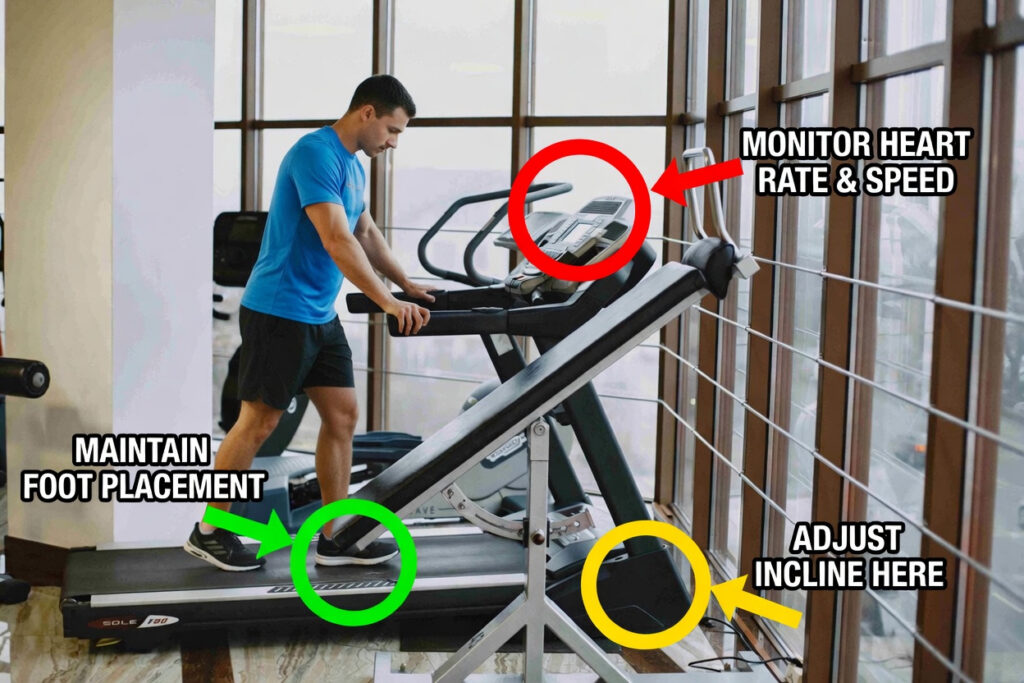
Visceral Fat vs. Subcutaneous Fat: Why Hidden Belly Fat Matters
Most people know about the fat they can see and touch, such as the layer around the thighs, hips, or stomach. This is subcutaneous fat, the soft fat stored just beneath the skin.
There is another kind of fat, however, that is far more concerning for your health: visceral fat.
Unlike subcutaneous fat, visceral fat is stored deep inside the abdomen. It surrounds internal organs and lines the abdominal cavity. A small amount is normal and even useful because it helps protect your organs. But when visceral fat builds up, it can raise your risk of serious health problems, including cardiovascular disease.
The encouraging part is that visceral fat often responds well to healthy lifestyle changes. With the right habits, you can lower it and improve how you feel overall.
What Is Visceral Fat?
Visceral fat is made up of fat cells that react strongly to hormones, especially those involved in stress and metabolism. One major example is cortisol, often called the stress hormone. When cortisol stays elevated for long periods, your body is more likely to store fat around the midsection.
Too much visceral fat is linked to a higher risk of:
- Heart disease
- Type 2 diabetes
- High cholesterol
- Metabolic issues
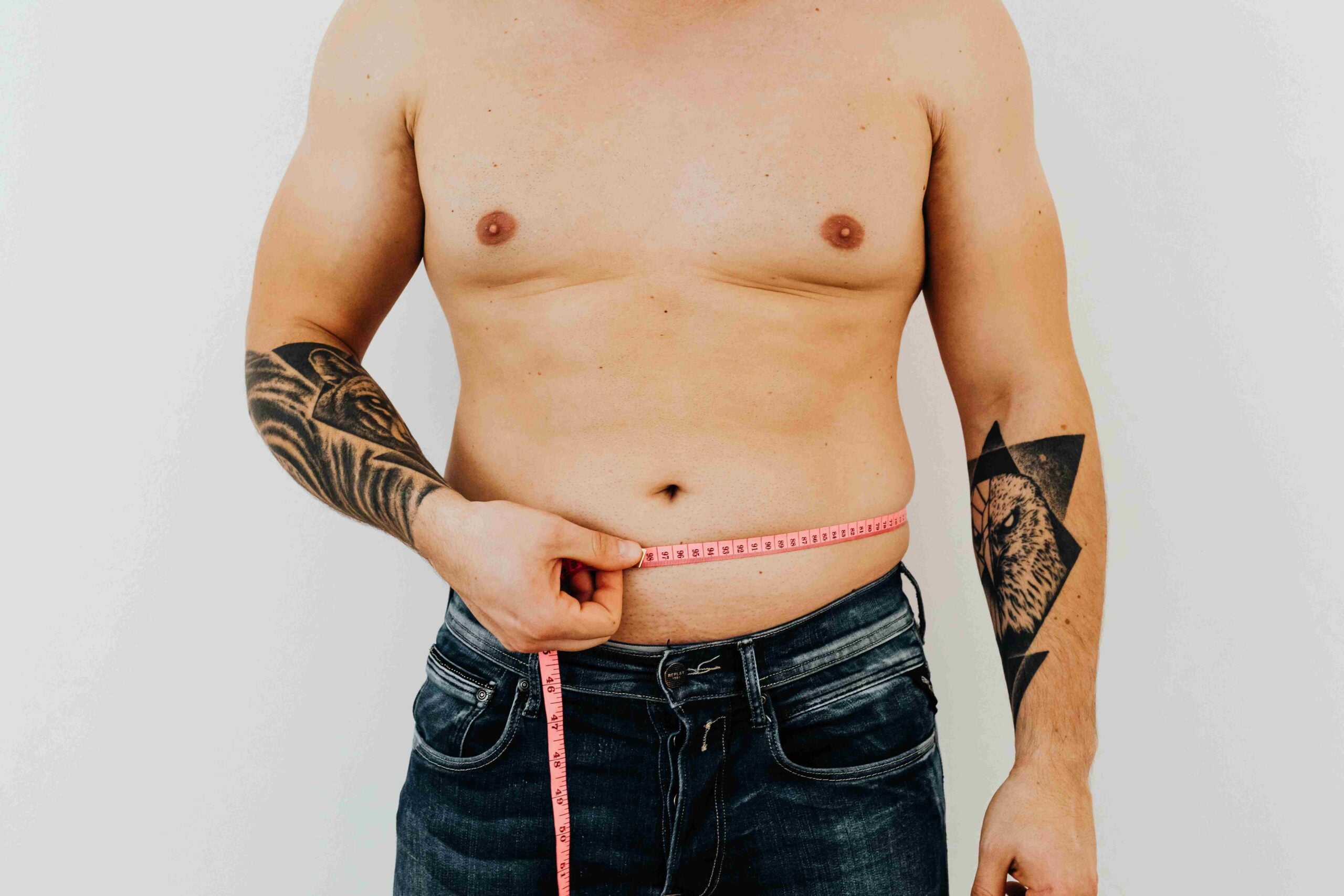
As a general guideline, a waist measurement above 35 inches for women or 40 inches for men may suggest excess visceral fat.
This type of fat tends to accumulate because of factors such as:
- Ongoing stress
- Lack of sleep
- Sitting for long periods
- Eating too many calories
The good news is that visceral fat usually breaks down faster than subcutaneous fat, which means it can be reduced more effectively through consistent lifestyle improvements.
Step 1: Move Every Day
You cannot target fat loss in one specific area. Doing endless crunches will not remove the visceral fat stored deep in your abdomen. Fat loss happens across the entire body.
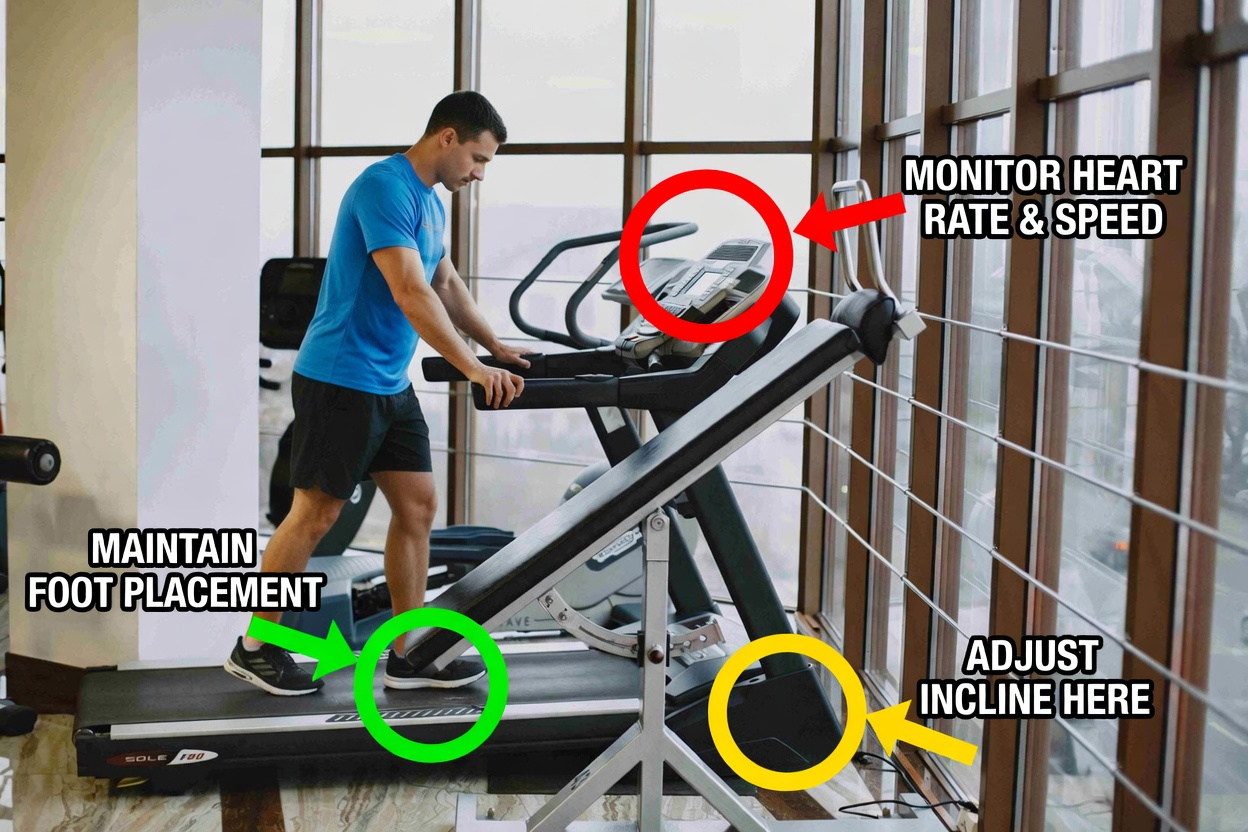
A better strategy is to combine cardio exercise with strength training and stay consistent over time. A strong starting point is 30 minutes of moderate activity, 3 to 5 times per week.
Good cardio options include:
- Brisk walking
- Cycling
- Swimming
- Dancing at home
Strength training does not require a gym membership or heavy weights. You can begin with simple bodyweight movements such as:
- Push-ups
- Squats
- Planks
You may also want to try high-intensity interval training (HIIT). These workouts alternate short bursts of effort with brief recovery periods. For example:
- Do jumping jacks for 30 seconds
- Rest for 30 seconds
- Repeat for 5 rounds
Even 15 to 20 minutes of HIIT can help reduce visceral fat.
The key is to make movement part of daily life. Small choices can have a big impact, including:
- Taking the stairs
- Parking farther away
- Walking during lunch breaks
- Standing up more often during the day
These simple habits add up quickly and support long-term fat loss.
Step 2: Eat in a Way That Reduces Visceral Fat
When it comes to lowering visceral fat, nutrition plays a major role. You do not need an extreme or overly complicated eating plan. What matters most is making smart, sustainable choices.
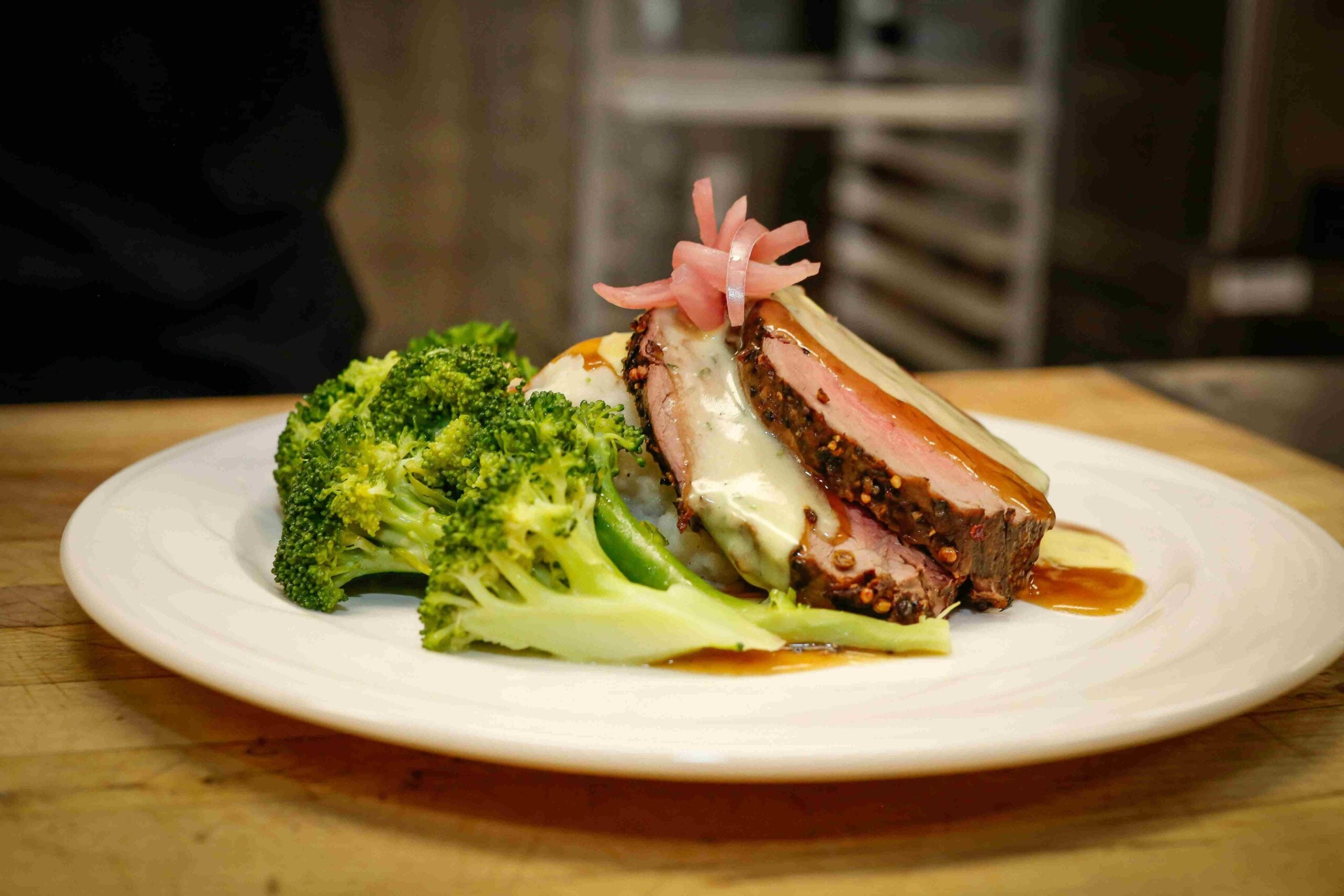
Focus on whole, nutrient-dense foods, such as:
- Lean proteins: chicken, fish, eggs, beans
- Vegetables: aim to fill half your plate when possible
- Whole grains: oats, quinoa, brown rice
- Healthy fats: avocado, nuts, olive oil
- Fruit: especially berries, which are rich in antioxidants
Some foods are more likely to contribute to visceral fat gain and should be limited when possible:
- Trans fats found in fried foods and many baked goods
- Refined sugar
- High-fructose corn syrup
- Alcohol
- Highly processed foods

Another approach that may help is intermittent fasting. Some studies suggest that eating within a set time window can support visceral fat reduction for certain people.
You may also benefit from getting enough calcium and vitamin D, which may help with fat regulation. Good sources include:
- Leafy green vegetables
- Dairy products
- Sardines
- Tofu
If portion control is challenging, try these practical strategies:
- Use smaller plates
- Eat more slowly
- Stop eating when you feel satisfied, not overly full
For lasting results, make changes gradually. Slow, intentional progress is more likely to stick.
Step 3: Improve Your Sleep
Sleep has a direct effect on the hormones that regulate hunger, metabolism, and fat storage. When sleep is poor, your efforts to lose visceral fat become much harder.
Aim for 7 to 9 hours of quality sleep each night. Keep in mind that regularly sleeping too much may also create health concerns.
To improve sleep quality, create an environment that supports rest:
- Keep your bedroom cool and dark
- Avoid screens for at least an hour before bed
- Follow a regular sleep schedule, even on weekends
- Skip large meals and alcohol close to bedtime
A calming bedtime routine can also help. Consider activities such as:
- Reading
- Gentle stretching
- Meditation
- Deep breathing
These habits signal to your body that it is time to wind down.
It is also important to address the root causes of sleep problems. Stress, anxiety, and too much caffeine later in the day can all disrupt rest and recovery.
Step 4: Manage Stress Before It Manages You
Chronic stress is one of the biggest drivers of visceral fat accumulation. When stress becomes constant, cortisol levels stay high, encouraging the body to store fat around the abdomen. Stress can also increase cravings for sugary and high-fat foods.
Start by identifying your main stress triggers. These may include:
- Work pressure
- Financial concerns
- Relationship problems
- Family responsibilities
Once you know what is causing stress, you can begin building tools to manage it more effectively.
Helpful daily stress-relief practices include:
- Five minutes of focused breathing
- Meditation or mindfulness apps
- Yoga
- Walking outdoors
- Spending time on hobbies you enjoy

It also helps to:
- Set healthy boundaries
- Protect your personal time
- Stay connected to supportive people
A strong social support system can ease anxiety and make stress feel more manageable.
If stress feels overwhelming, professional support may be valuable. A therapist can help you develop practical coping strategies tailored to your situation.
The goal is not to remove all stress from life. That is unrealistic. The goal is to respond to stress in a healthier way.
Step 5: Track Progress Beyond Body Weight
The number on the scale does not tell the full story. If you want to understand whether your visceral fat is going down, use several ways to monitor progress.
1. Measure Your Waist
Use a tape measure around your waist at belly-button level. Losing even 1 to 2 inches can lead to meaningful improvements in health risk.
2. Notice How You Feel
Pay attention to positive changes such as:
- Better sleep
- More energy
- Improved mood
- Clothes fitting differently
These are often strong signs that your body composition is improving.
3. Track Habits, Not Just Results
Instead of focusing only on outcomes, monitor behaviors like:
- How often you exercise
- How consistently you sleep well
- How regularly you eat balanced meals
Good habits lead to lasting change.
4. Use Lab Testing if Needed
Blood work can offer valuable medical insight into your progress. Look for improvements in:
- Cholesterol levels
- Blood sugar
- Inflammation markers
A healthcare professional can help interpret these results and guide your next steps.
5. Be Patient
Visible and measurable changes often take 2 to 3 months. Focus on consistency rather than perfection.
Final Thoughts
Losing visceral fat does not happen instantly, but it is absolutely possible. Daily movement, balanced nutrition, better sleep, and effective stress management can make a major difference over time.
Start small. Choose one or two new habits each week and build from there.
Stay patient, stay consistent, and celebrate every bit of progress. Those small wins can lead to a healthier body, more energy, and greater confidence.