Best Exercises for Seniors Over 60: Strength, Balance, and Healthy Aging
If you are over 60, the right senior fitness routine can support your health in countless ways. In fact, the anti-aging advantages of regular physical activity are hard to overstate.
This guide explores the key benefits of exercise for older adults and shares a practical workout plan featuring effective exercises for seniors. These movements can help improve strength, balance, mobility, and day-to-day function.
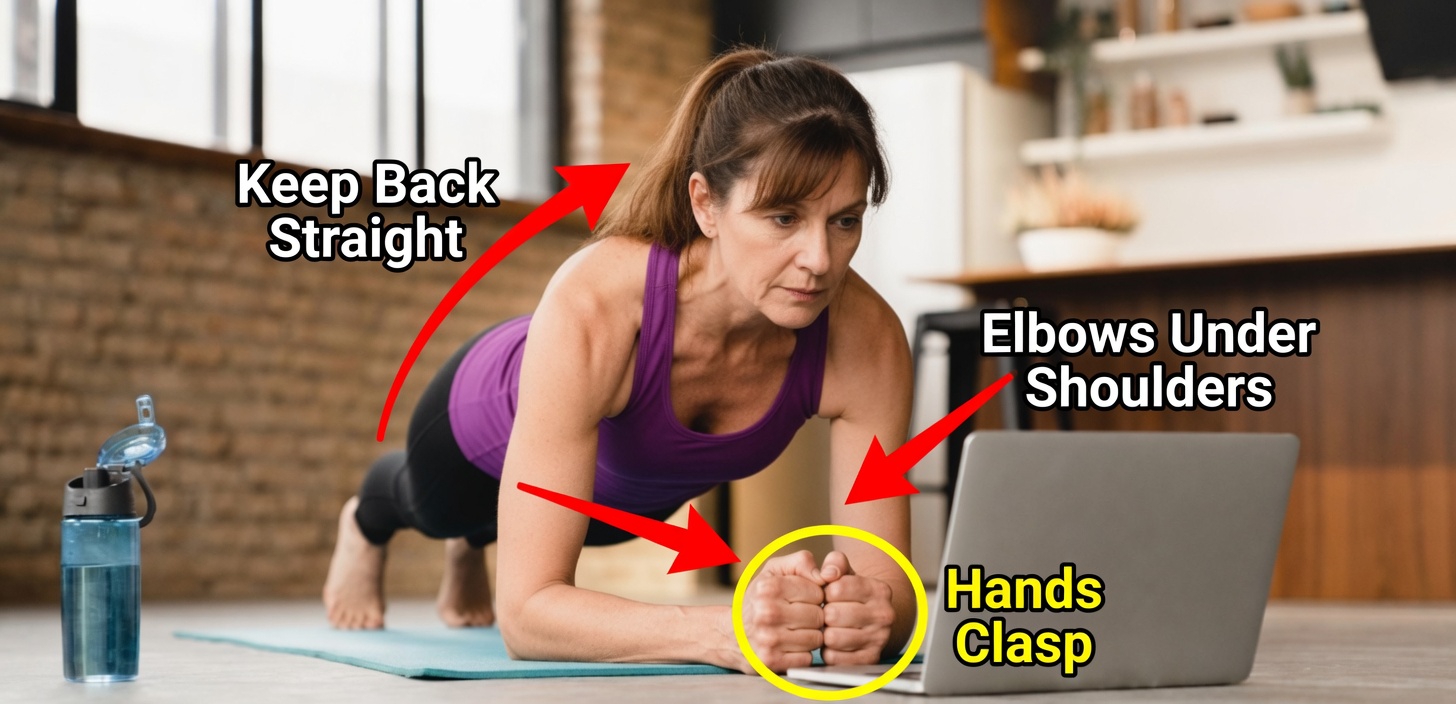
Why Exercise Matters for Older Adults
Listing every benefit of exercise for seniors would take far too long. Nearly every part of the body responds positively to movement, and even light to moderate exercise can make a meaningful difference.
Here are some of the most important reasons older adults should stay active.
1. Exercise Supports Independence
One of the hardest parts of aging can be losing the ability to manage daily tasks without help. Shopping, housework, and even personal care may become more difficult over time.
A consistent exercise routine can help seniors stay stronger, move better, and remain independent for longer. Improving physical function now can reduce the need for assistance later.
2. Exercise Improves Balance and Reduces Fall Risk
For many seniors, falls are a serious concern. A fall can lead to broken bones, long recovery periods, or even long-term disability.
Adding balance exercises for seniors into a weekly routine can lower the risk of falling. Better stability, coordination, and leg strength all play a role in safer movement.
3. Exercise Can Increase Energy Levels
Many older adults feel tired more often and may assume exercise will make that worse. Surprisingly, the opposite is often true.
Regular physical activity helps the heart work more efficiently and improves muscle function. As a result, everyday tasks may start to feel easier, and overall energy levels can rise.
4. Exercise Helps Prevent and Manage Disease
Physical activity benefits many systems of the body, including the heart, lungs, kidneys, and digestive system. Staying active can help protect these systems and lower the risk of chronic illness.
Exercise can also support the management of existing health conditions, making it one of the most powerful tools for long-term wellness.
5. Exercise Supports Brain Health
Memory loss is one of the most common fears associated with aging. Fortunately, research shows that regular exercise can improve brain function and may reduce the risk of cognitive decline, including dementia.
Moving your body regularly is not just good for muscles and joints. It is also a smart investment in mental sharpness.
The Best Exercises for Seniors
The following senior exercises are designed to build strength, improve flexibility, and enhance balance. Together, they can support better health and help older adults stay active and capable.
1. Seated Machine Row
The seated machine row is a strong choice for building upper-body pulling strength. It targets the back and biceps, both of which are important for posture, lifting, and daily movement.
Muscles worked:
- Biceps
- Rhomboids
- Lats
- Back muscles
- Shoulder muscles
How to do it:
- Sit tall on the rowing machine with your back straight.
- Choose a weight you can pull for about 10 repetitions.
- Hold the handles and pull them toward your ribcage.
- Squeeze your shoulder blades together as you pull.
- Slowly return to the starting position.
Recommended volume:
- 10 to 12 reps
- 2 to 3 sets
- 1 to 2 times per week
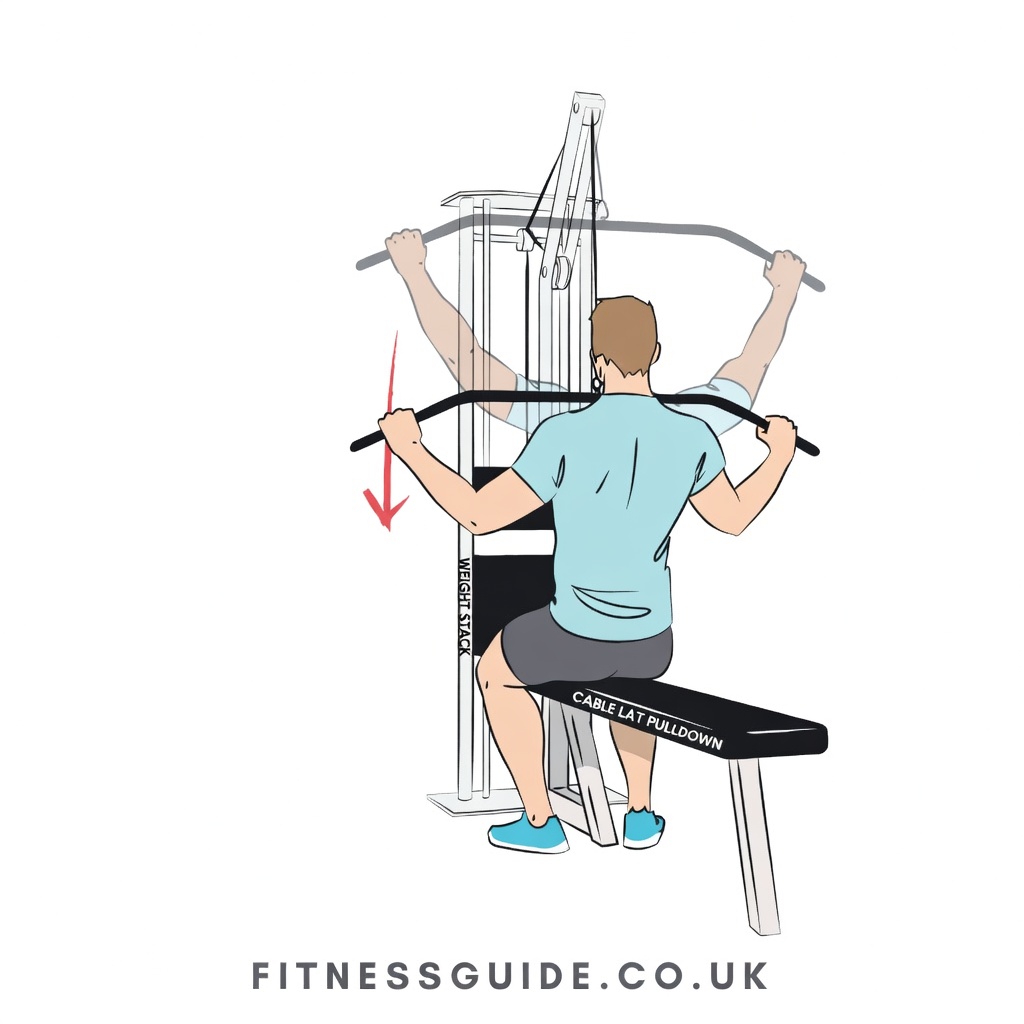
2. Lat Pulldown
The lat pulldown strengthens the upper back and biceps while also helping with overhead movement. This can make tasks like reaching or lifting easier.
Muscles worked:
- Lats
- Biceps
- Upper back
- Shoulder muscles
How to do it:
- Sit upright at the lat pulldown machine.
- Select a manageable weight for 10 repetitions.
- Grab the bar and pull it down toward your chest.
- Lean back only slightly.
- Control the bar as it returns upward.
Recommended volume:
- 10 to 12 reps
- 2 to 3 sets
- 1 to 2 times per week
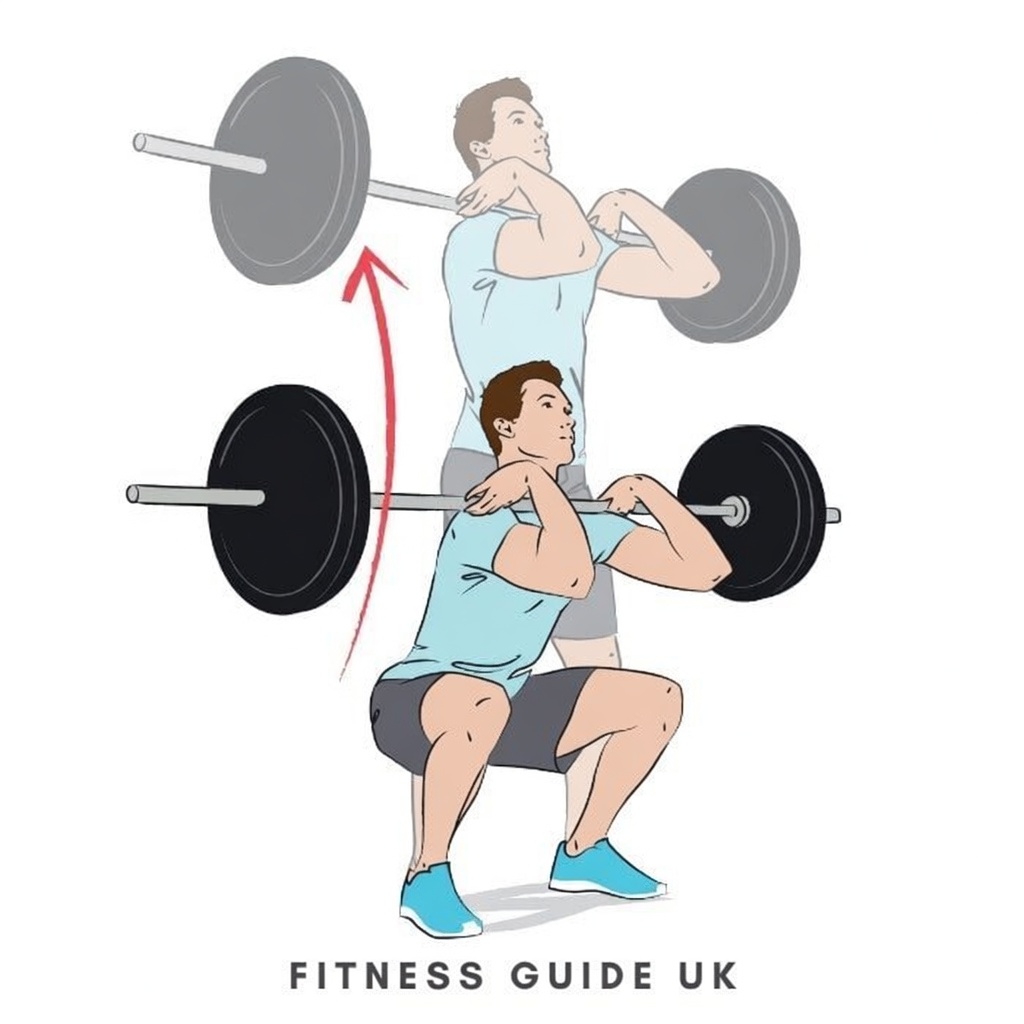
3. Front Squat
Few lower-body exercises are as effective as the squat. The front squat especially challenges the legs while also encouraging better balance and mobility.
Muscles worked:
- Quadriceps
- Glutes
- Calves
How to do it:
- Load a barbell with a weight you can handle safely for 10 reps.
- Hold the bar across the front of your shoulders with elbows lifted forward.
- Lower into a squat while keeping your back straight.
- Go as deep as you comfortably can.
- Stand back up to finish the repetition.
Recommended volume:
- 10 to 12 reps
- 2 to 3 sets
- 1 to 2 times per week
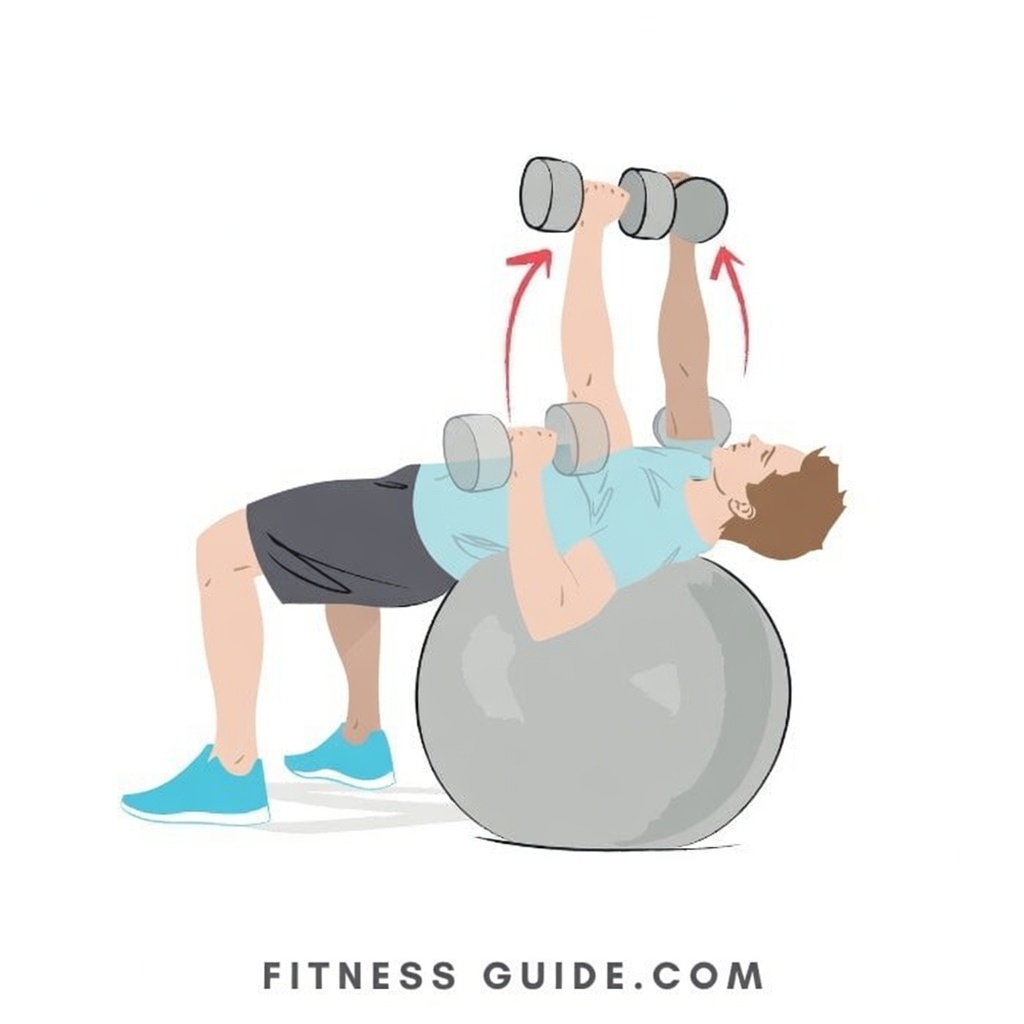
4. Swiss Ball Dumbbell Bench Press
This movement combines upper-body strength training with a balance challenge. Because you are pressing from a stability ball, your core has to work hard to keep you steady.
Muscles worked:
- Chest
- Triceps
- Shoulders
- Core
- Leg stabilizers
How to do it:
- Choose dumbbells you can press for about 10 reps.
- Carefully sit on the Swiss ball and get into position.
- Lower yourself into a stable bench press posture on the ball.
- Press the dumbbells upward toward the ceiling.
- Lower them back down with control.
Recommended volume:
- 10 to 12 reps
- 2 to 3 sets
- 1 to 2 times per week
Note: You may want assistance when getting into position.
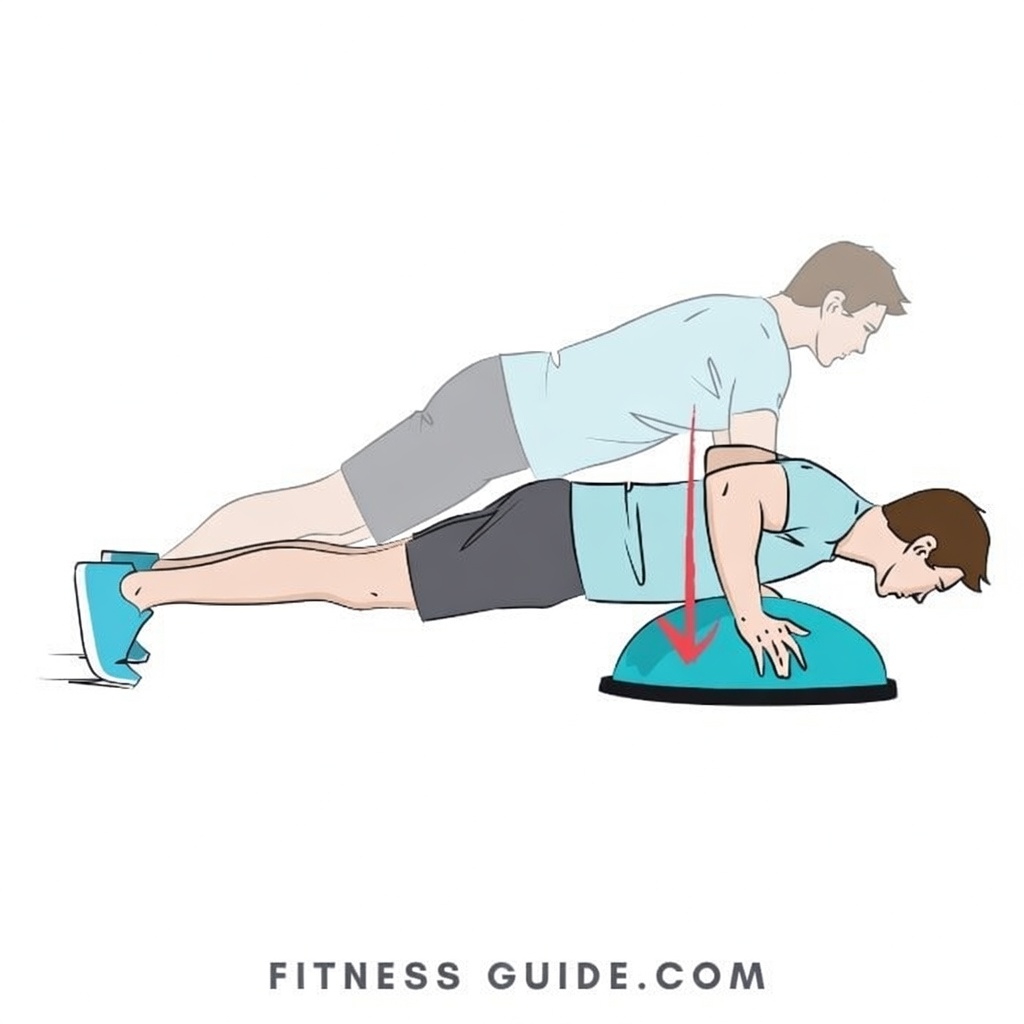
5. Bosu Ball Pushups
The Bosu ball adds an instability element that helps build both upper-body strength and balance. It is a useful option for improving coordination and core control.
Muscles worked:
- Chest
- Triceps
- Shoulders
- Core
How to do it:
- Place the Bosu ball on the floor with the flat side down.
- Put both hands evenly on the dome.
- Lower yourself slowly into a pushup.
- Press back up to the starting position.
Recommended volume:
- 10 to 12 reps
- 2 to 3 sets
- 1 to 2 times per week
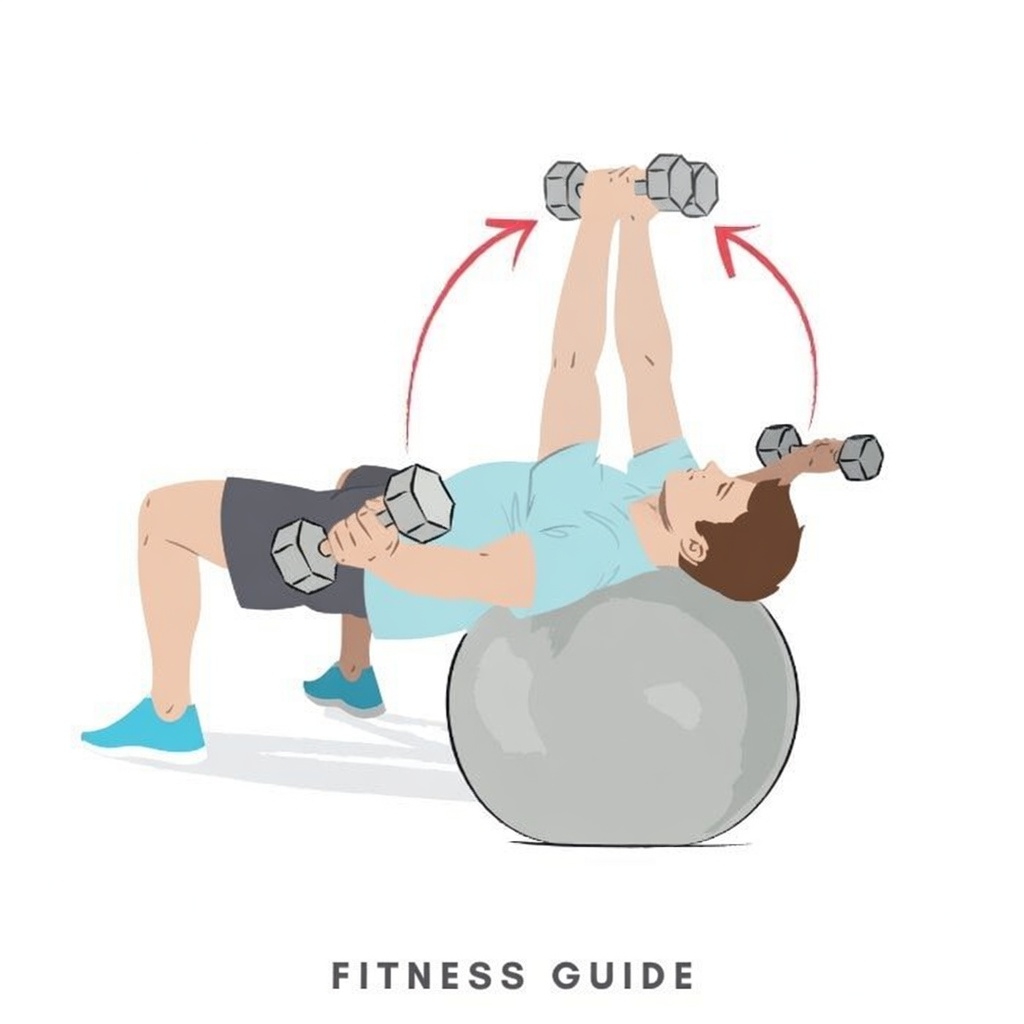
6. Swiss Ball Dumbbell Chest Fly
Like other Swiss ball exercises, this movement trains the chest while also improving stability and core strength.
Muscles worked:
- Chest
- Front deltoids
- Core
How to do it:
- Pick dumbbells you can control for 10 reps.
- Carefully lie back on the Swiss ball.
- With a slight bend in your arms, open them out to the sides.
- Bring the dumbbells together over the center of your chest.
- Lower them back to the starting position.
Recommended volume:
- 10 to 12 reps
- 2 to 3 sets
- 1 to 2 times per week
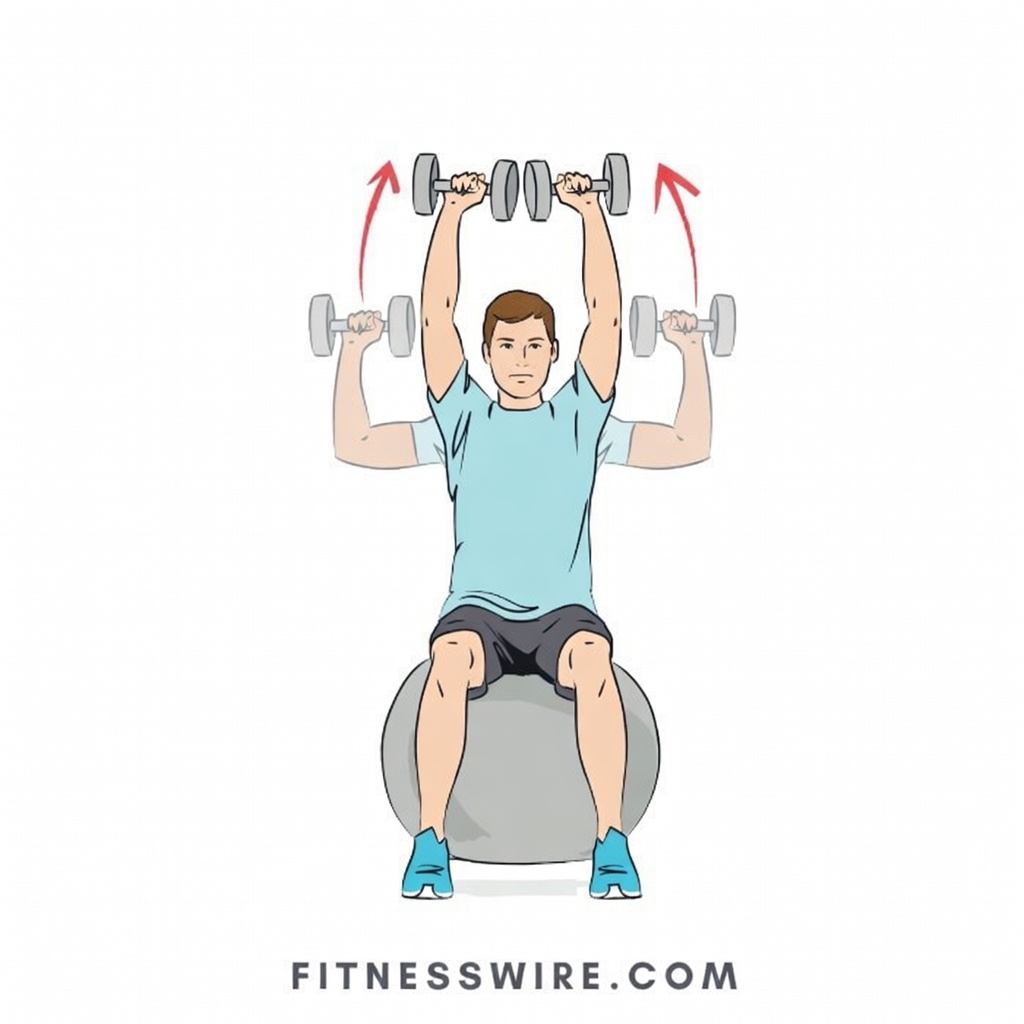
7. Seated Swiss Ball Dumbbell Shoulder Press
This exercise is excellent for shoulder strength and overhead mobility, which can help with reaching into cabinets or placing items on high shelves.
Muscles worked:
- Deltoids
- Triceps
- Chest
- Core
How to do it:
- Select a pair of dumbbells you can press for 10 repetitions.
- Sit carefully on the Swiss ball with good posture.
- Press the weights overhead toward the ceiling.
- Lower them slowly back to shoulder level.
Recommended volume:
- 10 to 12 reps
- 2 to 3 sets
- 1 to 2 times per week
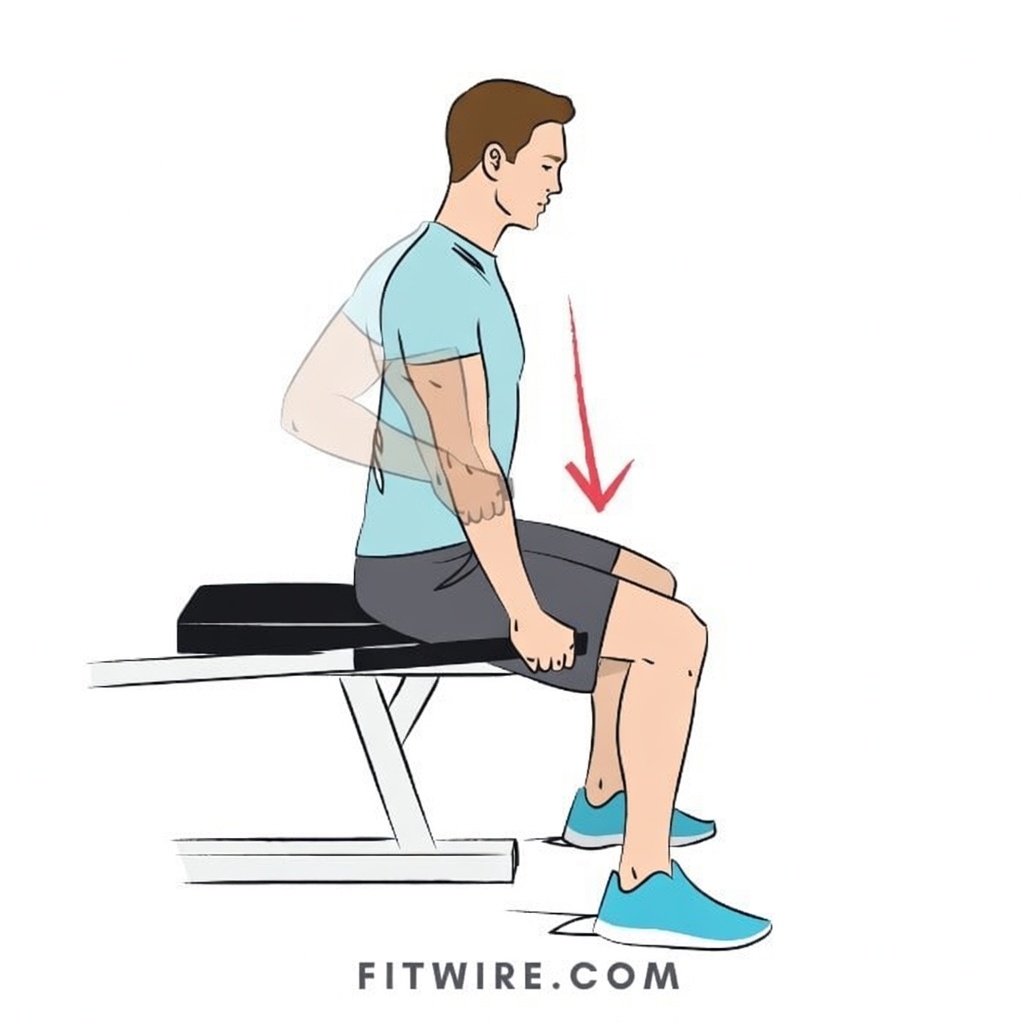
8. Seated Machine Triceps Dips
The triceps make up a large part of the upper arm and are important for pushing movements and general arm strength.
Muscles worked:
- Triceps
- Chest
- Shoulders
How to do it:
- Set yourself up on the machine according to its instructions.
- Choose a weight that feels appropriate for 10 reps.
- Grip the handles and press them downward.
- Let the handles return under control.
Recommended volume:
- 10 to 12 reps
- 2 to 3 sets
- 1 to 2 times per week
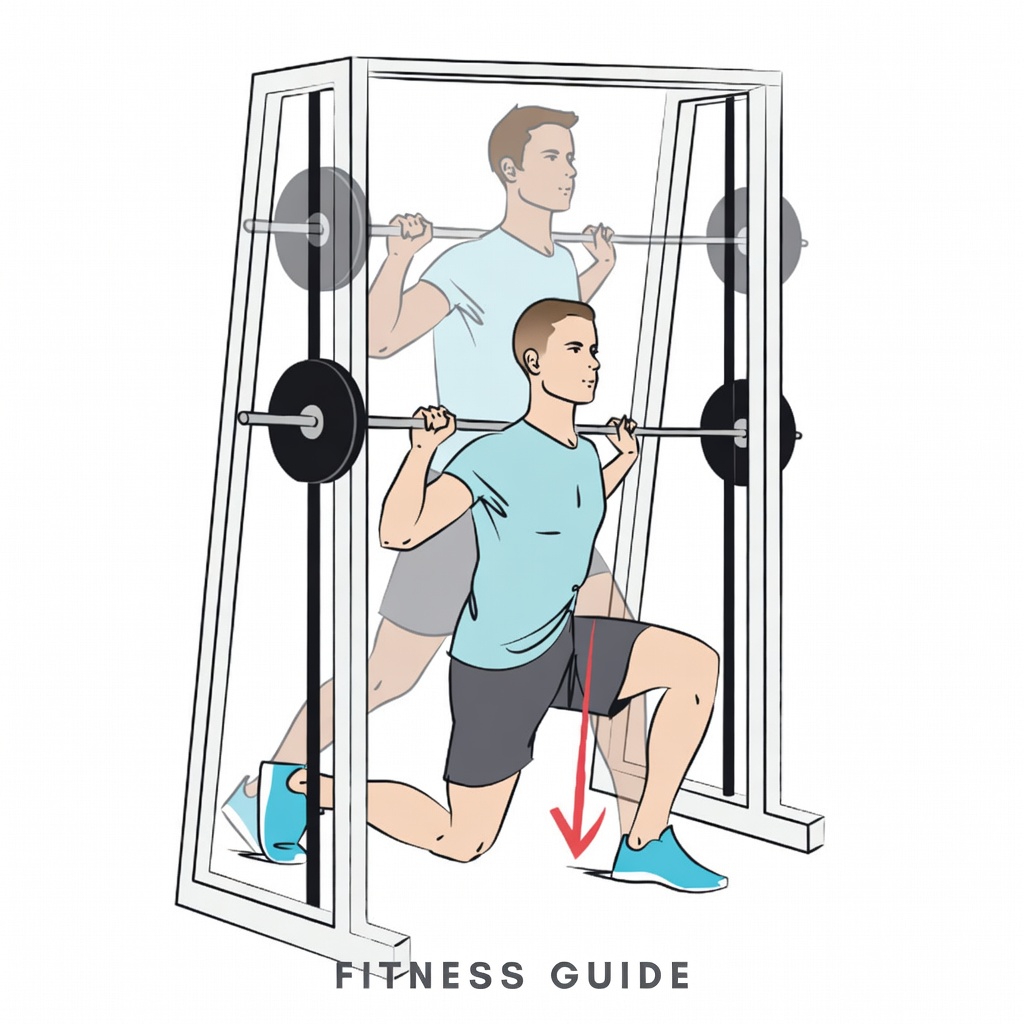
9. Barbell Lunges
Lunges offer many of the same lower-body strength benefits as squats, but with the added challenge of working one leg at a time. That makes them excellent for balance and stability.
Muscles worked:
- Glutes
- Quadriceps
- Calves
How to do it:
- Load the barbell with a comfortable weight.
- Place it across your upper back.
- Step one foot forward and lower yourself into a lunge.
- Drop until your back knee comes close to the floor.
- Push back up to standing.
- Repeat on both legs.
Recommended volume:
- 10 to 12 reps
- 2 to 3 sets
- 1 to 2 times per week
10. Swiss Ball Crunches
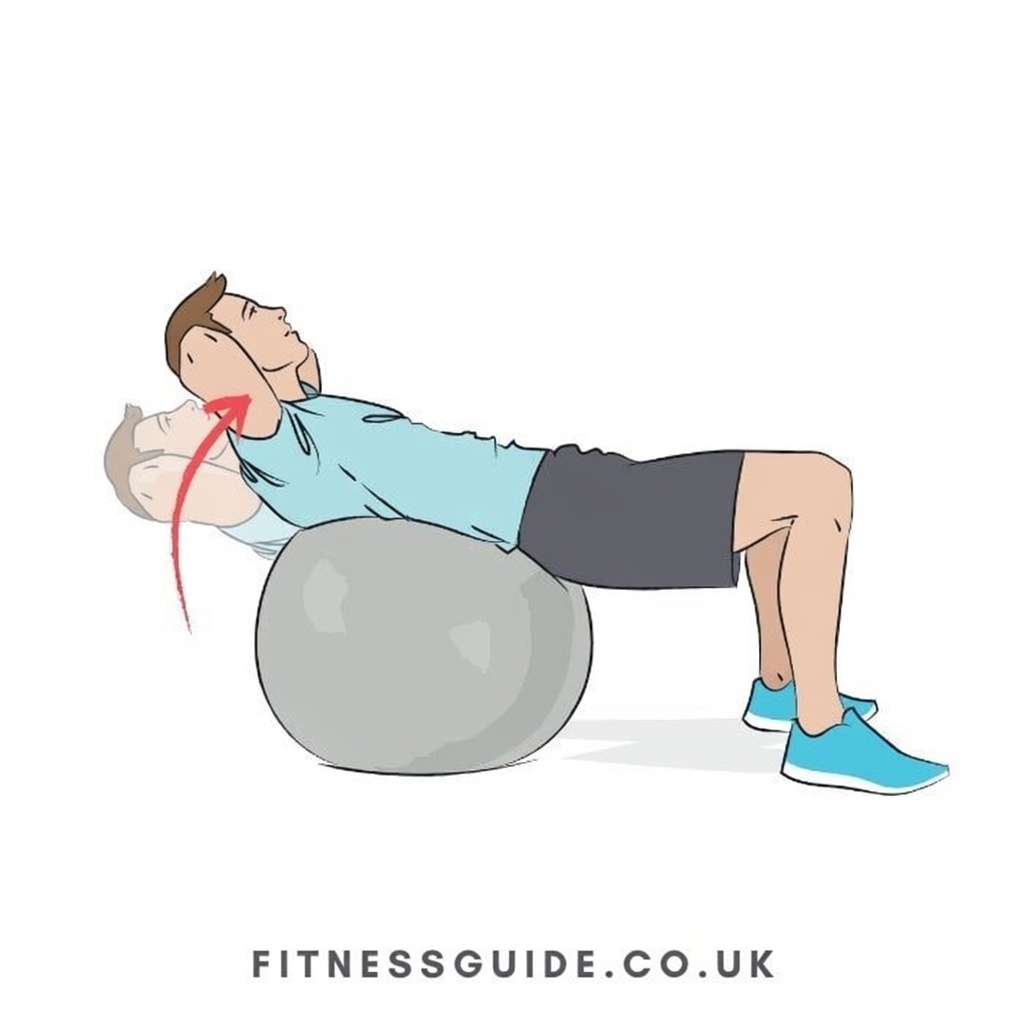
This is one of the most straightforward exercises in the routine, but simple does not mean ineffective. Swiss ball crunches are a great way to strengthen the core.
Muscles worked:
- Abdominals
- Core stabilizers
How to do it:
- Sit on the Swiss ball and slowly walk your feet forward until your lower back is supported.
- Cross your arms over your chest or place your hands lightly by your head.
- Lift your upper body by contracting your abdominal muscles.
- Lower yourself back down with control.
Recommended volume:
- 10 to 12 reps
- 2 to 3 sets
- 1 to 2 times per week
Tips for Seniors Starting an Exercise Program
Before beginning any new workout routine, it is important to train safely and progress gradually. These simple guidelines can help:
- Start with lighter resistance and focus on proper form
- Increase weight slowly over time
- Rest when needed
- Use support or supervision for balance-based exercises
- Stay consistent rather than trying to do too much at once
How Often Should Seniors Exercise?
For many older adults, completing these exercises 1 to 2 times per week is a practical starting point. With regular training, you can improve:
- Strength
- Balance
- Flexibility
- Mobility
- Energy
- Confidence in daily movement
Even small amounts of regular exercise can produce noticeable results over time.
Final Thoughts on Exercise for Seniors
The best exercises for seniors are the ones that help maintain independence, improve physical function, and support long-term health. Strength training, balance work, and mobility-focused movements can all make a real difference after age 60.
Whether your goal is to stay active, reduce fall risk, boost energy, or protect brain health, regular exercise is one of the most effective habits you can build.
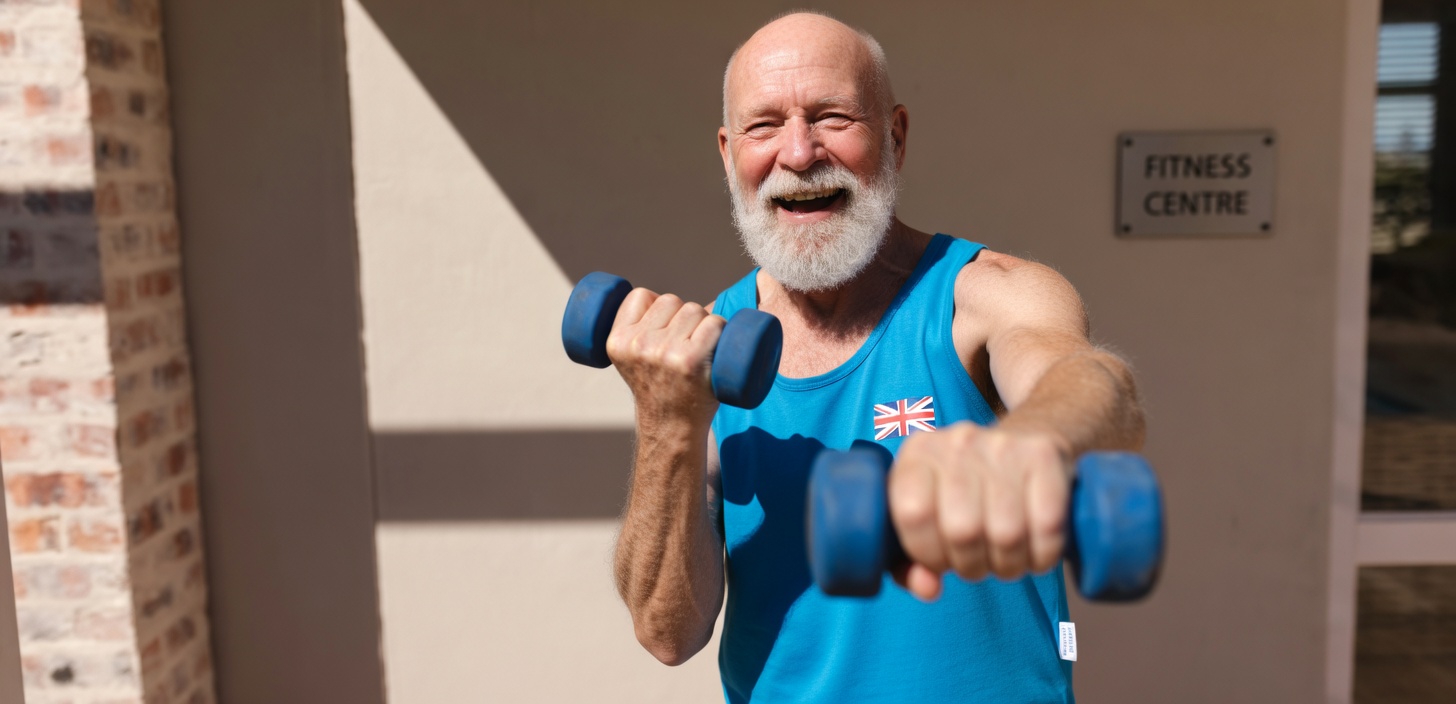
Summary
Exercise for older adults offers wide-ranging benefits, including:
- Better balance
- More strength
- Greater independence
- Higher energy levels
- Reduced disease risk
- Improved brain health
The workout above provides a solid foundation for seniors who want to age well and stay physically capable. With consistency and proper technique, these exercises can help support a healthier and more active life.