Cankles: What They Are, What Causes Them, and How to Reduce Them
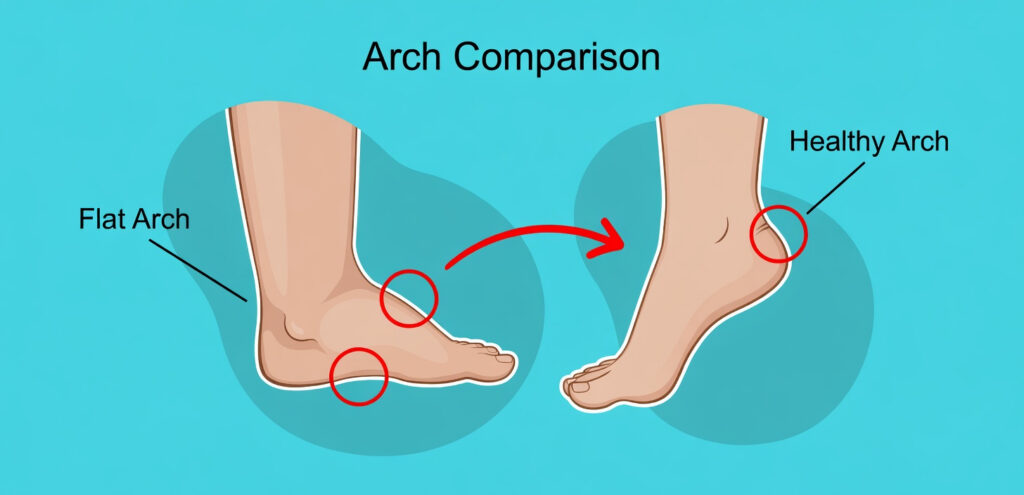
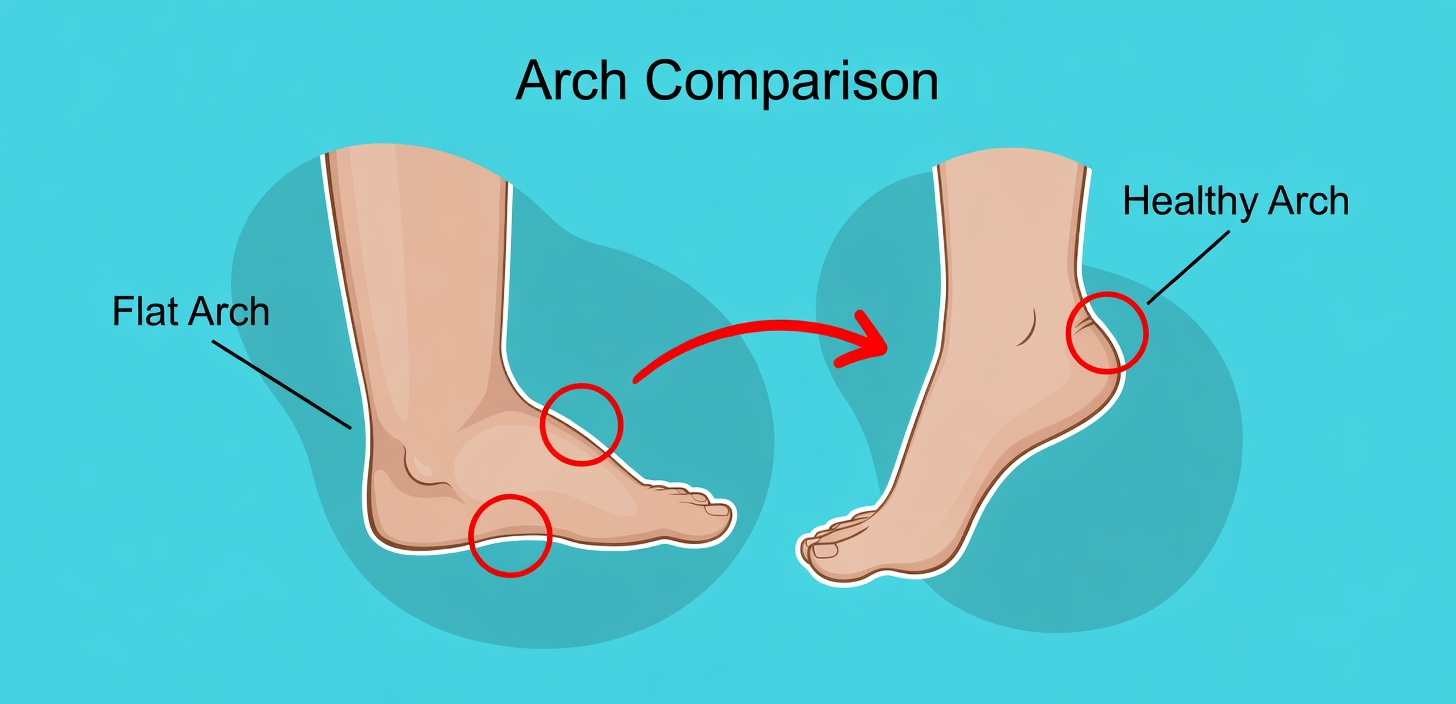
The word cankles is not a medical diagnosis. It is an informal term people use to describe a lower leg shape where the ankles appear almost the same width as the calves.
In simple terms, when someone says they have cankles, they usually mean there is little visible narrowing between the calf and the ankle. The leg and ankle seem to blend together, which is where the slang term comes from.
But what exactly are cankles, why do they happen, and is there an effective cankle treatment? Here is what you need to know.
What Are Cankles?
Cankles are also called:
- calf ankles
- kanckles
- thick ankles
- chubby ankles
- fat ankles
- big ankles
Basically, cankles are just another way of saying large or thick-looking ankles.
This appearance may be linked to:
- swelling
- fluid retention
- fat buildup in the lower legs
- natural body structure and genetics
For some people, it is simply the way their body is built. For others, it may be related to weight changes or an underlying health issue.
What Causes Cankles?
There is no single cause of cankles. In most cases, the appearance of thick ankles comes from one or more of the following factors.
Genetics
If your ankles have always looked this way, even when your weight changes, genetics may be the main reason. Some people are naturally born with broader ankles or larger ankle joints.
This is not necessarily a health problem. Many healthy people have thicker ankles because of their bone structure and natural body type.
Water Retention
One common reason for cankles is fluid buildup, which can make the ankles look swollen or puffy.
Water retention may be linked to:
- medical conditions such as congestive heart failure, high blood pressure, diabetes, autoimmune diseases, arthritis, lymphedema, kidney disease, PCOS, cirrhosis, and thyroid disorders
- too much salt in the diet
- poor circulation
- varicose veins
- sitting or standing for long periods
- certain medications
- hormonal changes
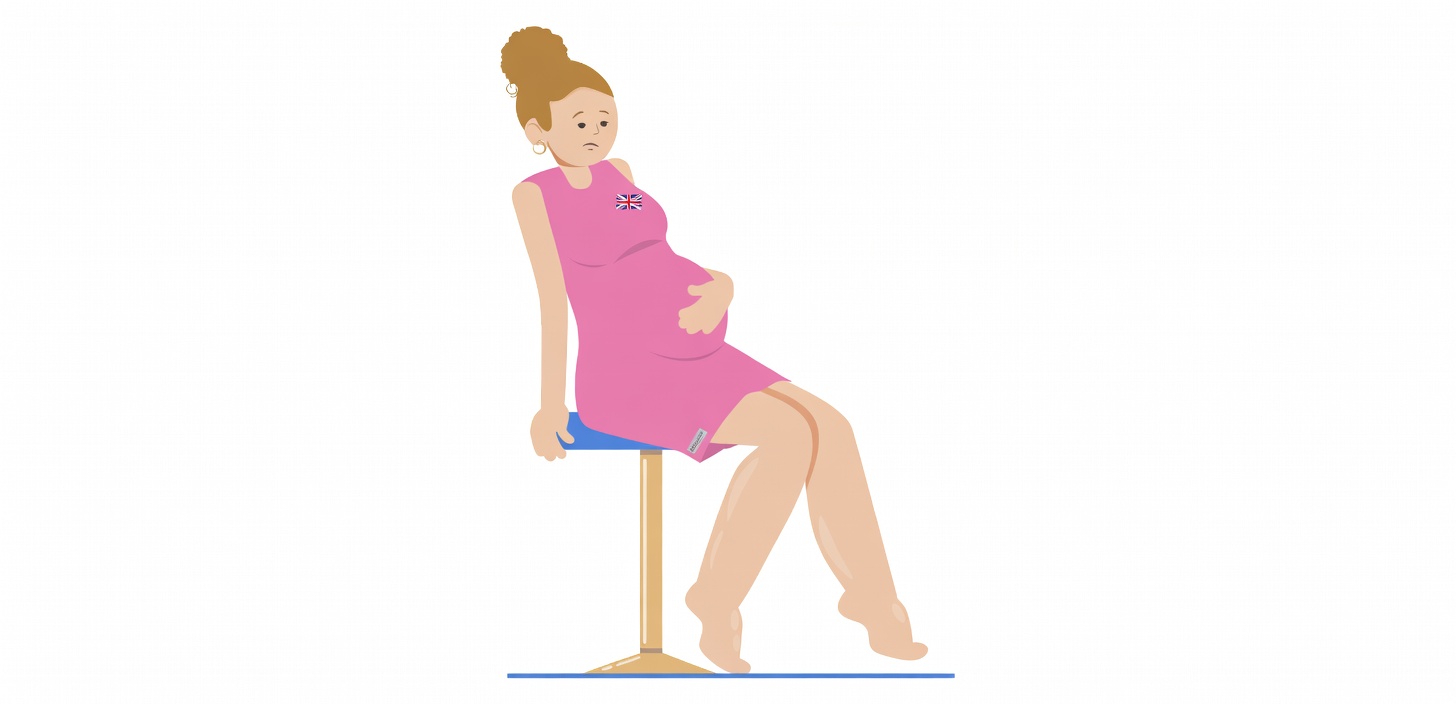
- pregnancy
- menstruation
When extra fluid collects in the lower legs, the ankle area can look fuller than usual.
Fat Accumulation Around the Ankles
Weight gain can also contribute to cankles. When the body stores excess fat, it does not always distribute it evenly. In some people, fat collects in the calves and ankle area, making the ankles look larger.
This can create a soft or puffy appearance around the lower legs.
Lipedema
Another possible cause is lipedema, a condition that leads to an abnormal buildup of fat cells, usually in the lower body.
Unlike ordinary weight gain, lipedema is not caused by obesity. People with lipedema may lose weight in the upper body but still struggle to reduce fat in the legs and ankles.
The exact cause of lipedema is still unclear, but it appears to be related to:
- genetics
- hormonal changes
It is more common in women and often begins or worsens during hormonal transitions such as:
- puberty
- pregnancy
- menopause
Lipedema may also lead to secondary lymphedema, which can make fluid retention worse.
What Can Cankles Be a Sign Of?
If your ankles suddenly become swollen or noticeably larger than usual, it is worth speaking with a doctor. In some cases, cankles may be a sign of an underlying medical issue rather than just body shape.
Lymphedema
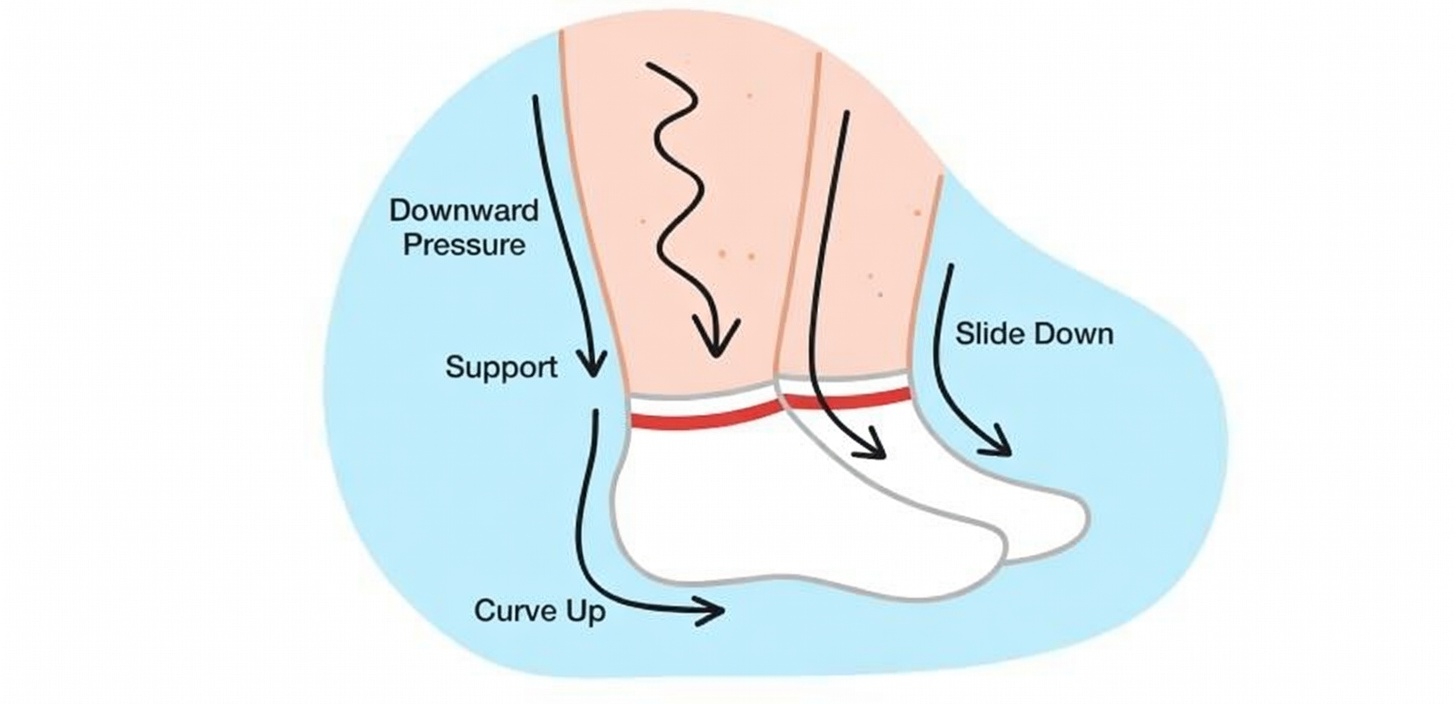
Lymphedema happens when there is a blockage in the lymphatic system, which is responsible for moving lymph fluid from tissues back into the bloodstream. When this drainage is impaired, fluid can build up and cause swelling in the legs and ankles.
Deep Vein Thrombosis
Deep vein thrombosis (DVT) is a serious condition where a blood clot forms in the deep veins, usually in the lower leg or thigh. Swelling in one leg or ankle should always be evaluated promptly.
Varicose Veins
Varicose veins are enlarged, twisted veins that often appear in the legs. They can affect circulation and contribute to swelling around the ankles.
Congestive Heart Failure
When the heart becomes weaker and does not pump efficiently, fluid can accumulate in body tissues, including the feet and ankles.
Other symptoms of heart failure can include:
- shortness of breath
- fatigue
- low energy
- rapid weight gain from fluid retention
- chest discomfort
Kidney Disease or Kidney Failure
The kidneys help remove excess fluid from the body through urine. If kidney function declines, the body may hold onto too much water, which can settle in areas like the ankles.
Lipedema
As mentioned above, lipedema causes excess fat deposits in the lower body and may make the ankles appear enlarged.
Liver Disease or Liver Failure
The liver plays a major role in metabolism, nutrient processing, and waste removal. When the liver is not functioning properly, fluid retention can occur, including in the calves and ankles.
Pregnancy
During pregnancy, hormonal changes commonly lead to swollen feet and ankles. However, sudden or severe swelling may also be a warning sign of preeclampsia, a condition involving high blood pressure during pregnancy.
Diabetes
Diabetes affects the body’s ability to produce or respond properly to insulin. It can also contribute to circulation issues and fluid retention, which may make ankle swelling more noticeable.
How to Get Rid of Cankles
The best approach depends on the cause. If genetics are responsible, there may be little you can do to change the natural shape of your ankles. However, if your cankles are related to weight gain, water retention, or excess fat, certain lifestyle changes may help.

Lose Weight if Excess Body Fat Is the Cause
If thick ankles are related to weight gain, reducing overall body fat may help slim the lower legs.
A practical strategy is to create habits that support steady fat loss, such as:
- eating fewer calories overall
- increasing fiber intake
- choosing more lean protein
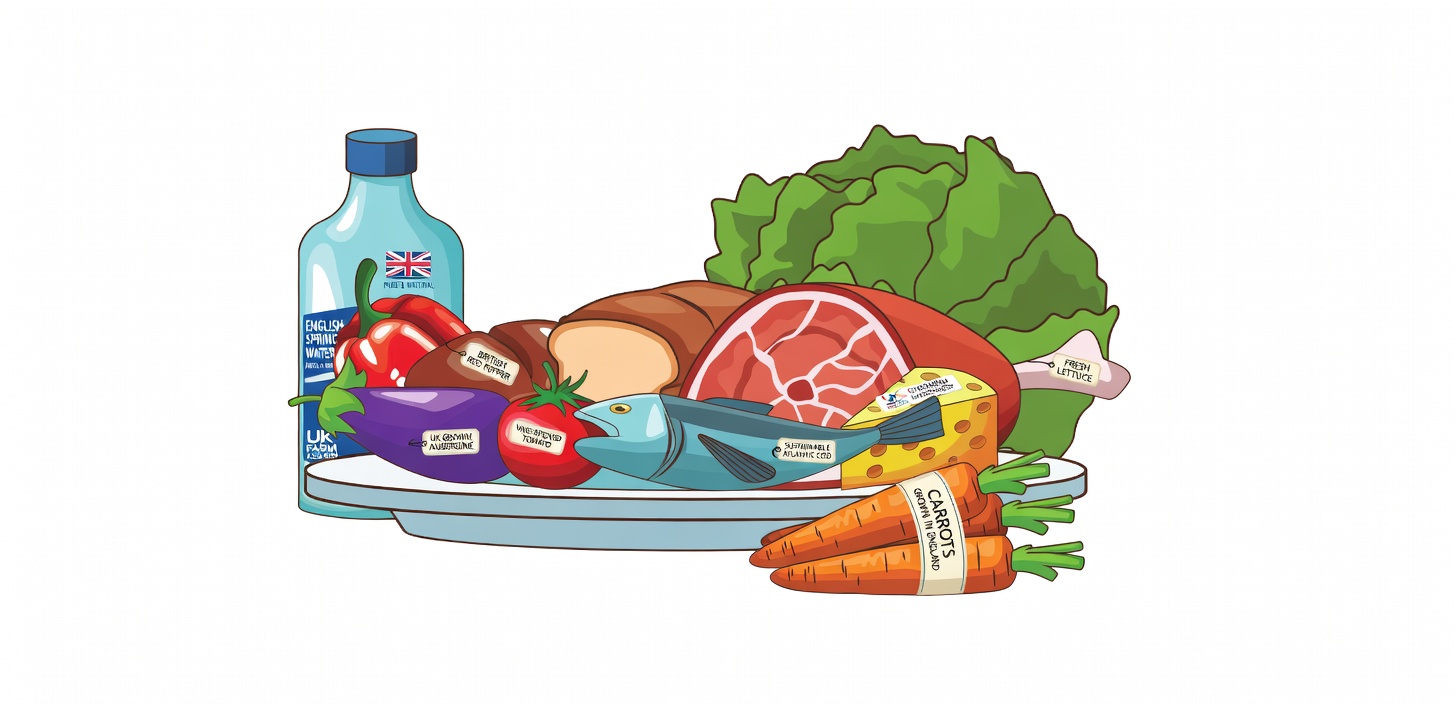
- building meals around nutrient-dense whole foods
Fiber and protein can help you stay full longer, making it easier to eat less without feeling overly hungry.
Good high-fiber foods include:
- vegetables
- fruits
- nuts
- seeds
A balanced eating plan should also include:
- lean meats
- plant-based proteins
- healthy fats
- non-starchy vegetables
Non-starchy vegetables are especially useful because they are low in calories and high in fiber, making them ideal for healthy weight management.
Eat More Mindfully
A simple habit that may help with weight loss is eating more slowly.
Slower eating can help you:
- notice when you are full
- feel satisfied with appropriate portions
- avoid overeating without strict calorie counting
For many people, this is easier and more sustainable than tracking every calorie, which can feel stressful, time-consuming, and inaccurate.
To support weight loss, try to limit foods that contribute to excess calorie intake, such as:
- fried foods
- ultra-processed foods
- sugary snacks
- refined carbohydrates
- high-fat empty-calorie foods
These foods can be enjoyed occasionally, but they should not make up the foundation of your diet.
Exercise to Improve Calf Shape and Lower-Leg Definition
Exercise is an important part of reducing body fat and improving the appearance of the lower legs. While you cannot spot-reduce fat from the ankles alone, regular movement can help reshape the legs overall.
Strengthening the calves may also create more visible lower-leg definition, which can make the ankles look slimmer by comparison.
Helpful exercises include:
- walking
- squats
- lunges
- stair climbing
- calf raises
- jump rope
- squat jumps
- low box jumps
Activities such as beginner ballet classes can also help improve calf muscle tone. Dancers often have strong, defined calves, which can enhance the shape of the lower leg.
Move More Throughout the Day
Daily movement matters just as much as formal workouts. Small changes can help improve circulation and support weight management.
Try habits like:
- taking the stairs instead of the elevator
- parking farther away
- walking during breaks
- stretching if you sit for long periods
- getting up regularly if your job keeps you at a desk
If you spend many hours seated or standing in one position, regular movement breaks can help reduce fluid buildup in the ankles.
Focus on Sustainable Progress
If you want to reduce cankles caused by excess fat or swelling, start with realistic goals. Extreme diets and quick-fix plans may lead to short-term changes, but the results often do not last.
A better long-term strategy is to:
- follow a balanced diet
- stay physically active
- build consistent daily habits
- address any possible medical cause with a doctor
Final Thoughts
Cankles are a common concern, but they are not always a health problem. For some people, thick ankles are simply part of their natural anatomy. For others, they may result from fluid retention, fat storage, lipedema, pregnancy, or an underlying medical condition.
If your ankles have always been thick, genetics may be the reason. But if swelling appears suddenly or becomes worse, it is important to get medical advice.
When cankles are linked to lifestyle factors, a combination of healthy eating, regular exercise, weight management, and better daily movement may help improve the appearance of the ankles over time.