Pumpkin Seeds (Pepitas): What Happens When You Eat Them Every Day
Pumpkin seeds—often called pepitas—are small, tasty, and surprisingly nutrient-dense. Adding them to your daily routine can support several areas of health, from heart function to sleep quality, thanks to their unique mix of minerals, healthy fats, and antioxidants.
Nutritional Profile: Why Pumpkin Seeds Are So Healthy
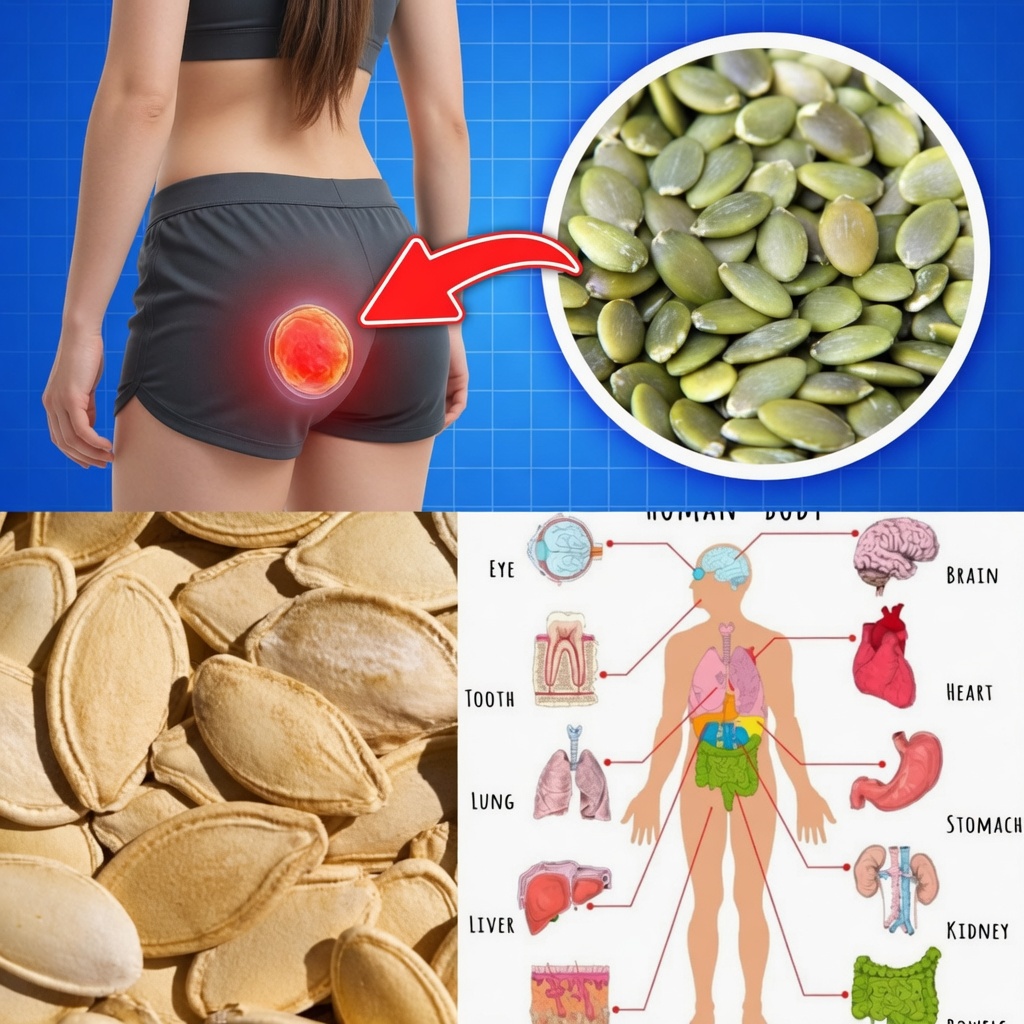
Pumpkin seeds are known for delivering a wide range of essential nutrients in a small serving. They provide:
- Magnesium, manganese, and copper
- Protein
- Zinc and iron
- Vitamin K and phosphorus
- Healthy fats, including beneficial fatty acids
- Antioxidants such as carotenoids and vitamin E
This combination makes pumpkin seeds an easy, natural way to increase everyday nutrient intake.
Key Benefits of Eating Pumpkin Seeds Daily
Improved Heart Health
Pumpkin seeds contain fiber, antioxidants, and omega-3 and omega-6 fatty acids, which may support cardiovascular wellness. Regular intake can help promote healthy blood pressure and may increase HDL (“good”) cholesterol.
Enhanced Bladder and Prostate Support
Research suggests pumpkin seeds may help reduce symptoms linked to benign prostatic hyperplasia (BPH)—an enlarged prostate that can affect urination. They may also contribute to improved bladder function, making them especially relevant for men’s health and urinary comfort.
Better Sleep Quality
Pepitas naturally contain tryptophan, an amino acid involved in sleep-related processes. They’re also rich in magnesium, a mineral commonly associated with relaxation and improved sleep. Eating pumpkin seeds a few hours before bedtime may help support more restful sleep.
Support for Healthy Blood Sugar Levels
Some studies indicate that minerals in pumpkin seeds—especially magnesium—may help with blood sugar regulation. This can be particularly helpful for people managing diabetes or aiming to maintain steady energy levels.
Weight Management Support
Because pumpkin seeds are high in protein and fiber, they can increase fullness and help reduce unnecessary snacking. This may lead to lower overall calorie intake and support healthy weight goals.
Anti-Inflammatory Effects
Pumpkin seeds are packed with antioxidants that help fight oxidative stress. By reducing inflammation and protecting cells from free radical damage, they may help lower the risk of long-term chronic health issues.
Stronger Bones
Magnesium plays a central role in bone formation and density, and pumpkin seeds are one of the best natural sources of this mineral. Regular consumption may help maintain stronger bones and reduce the risk of osteoporosis over time.
Easy Ways to Add Pumpkin Seeds to Your Diet
You can enjoy pumpkin seeds in many simple, everyday meals:
- As a snack: Eat them raw, or roast with a little olive oil and salt
- On salads: Sprinkle a handful for crunch and extra nutrients
- In smoothies: Add ground pumpkin seeds for a nutrient boost
- In baking: Mix into bread, cookies, granola, or energy bars for texture and added nourishment
Considerations and Serving Tips
Pumpkin seeds are generally safe for most people, but portion control matters since they are calorie-dense and contain a high amount of fat (even though much of it is healthy fat). Also, anyone with a seed allergy should avoid them.
Final Thoughts
Making pumpkin seeds a daily habit is a simple, natural way to support overall wellness. With their impressive nutrient profile and wide-ranging benefits, pepitas can be an easy upgrade to a healthier diet—whether you snack on them, sprinkle them over meals, or blend them into recipes.