
Why Poor Sleep Can Affect More Than Your Energy
A full night of sleep does far more than help you feel rested. Sleep gives your brain and body time to reset. During sleep, the brain clears out waste and repairs its cells. When you regularly miss out on sleep, that process can be thrown off.
The effects are not limited to feeling tired the next day. Good sleep supports overall health and may help protect against many diseases. When sleep quality drops, it can begin to affect your mood, eating habits, memory, and daily well-being faster than you might expect.

What Causes These Sleep-Related Health Problems
1. Faster Brain Aging and Cognitive Changes
Poor sleep may make the brain seem older than your actual age. Brain scans have shown that people with low sleep quality often have brains that look older. One reason is that inflammation rises in the brain when it does not get enough rest.
This early brain aging can show up as:
- slower thinking
- forgetfulness
- weaker problem-solving ability
These changes are all linked to cognitive decline tied to poor sleep.
2. Higher Risk Linked to Alzheimer’s Disease
Alzheimer’s disease appears to be more common every year. There is no single cause, since it usually develops from a mix of genetics, lifestyle, and environmental factors. Sleep habits are also part of the picture.
Not getting enough sleep affects a waste protein connected to Alzheimer’s disease. When sleep is cut short, levels of this protein rise, especially in brain areas tied to memory and thinking. Over time, that may interfere with everyday function and raise the risk of Alzheimer’s.

3. Mental Health Can Suffer
If stress or anxiety has ever made it harder for you to sleep, you have seen this connection firsthand. Sleep and mental health are closely linked. Poor sleep can affect mental health, and mental health struggles can also make sleep worse. This often happens when the body clock gets out of sync.
Your body clock helps control:
- sleep
- hormones
- body temperature
- brain signals
When that timing is disrupted, it can affect brain repair and mental well-being. This may increase long-term mental health risks. It is not only about how long you sleep, but also whether you sleep at regular times.
4. More Inflammation in the Body and Brain
Sleep loss raises inflammation throughout the body and the brain. On its own, inflammation may not sound alarming, but over time it can contribute to larger health issues. It may also help explain why poor sleep is linked to brain aging.
Inflammation has been linked to:
- heart disease
- diabetes
- cognitive decline
Blood vessels that carry nutrients to the brain can become inflamed as well, which raises the risk of neurological damage. Many of these problems may be caused or made worse by not getting enough sleep.
5. Greater Risk of Chronic Disease
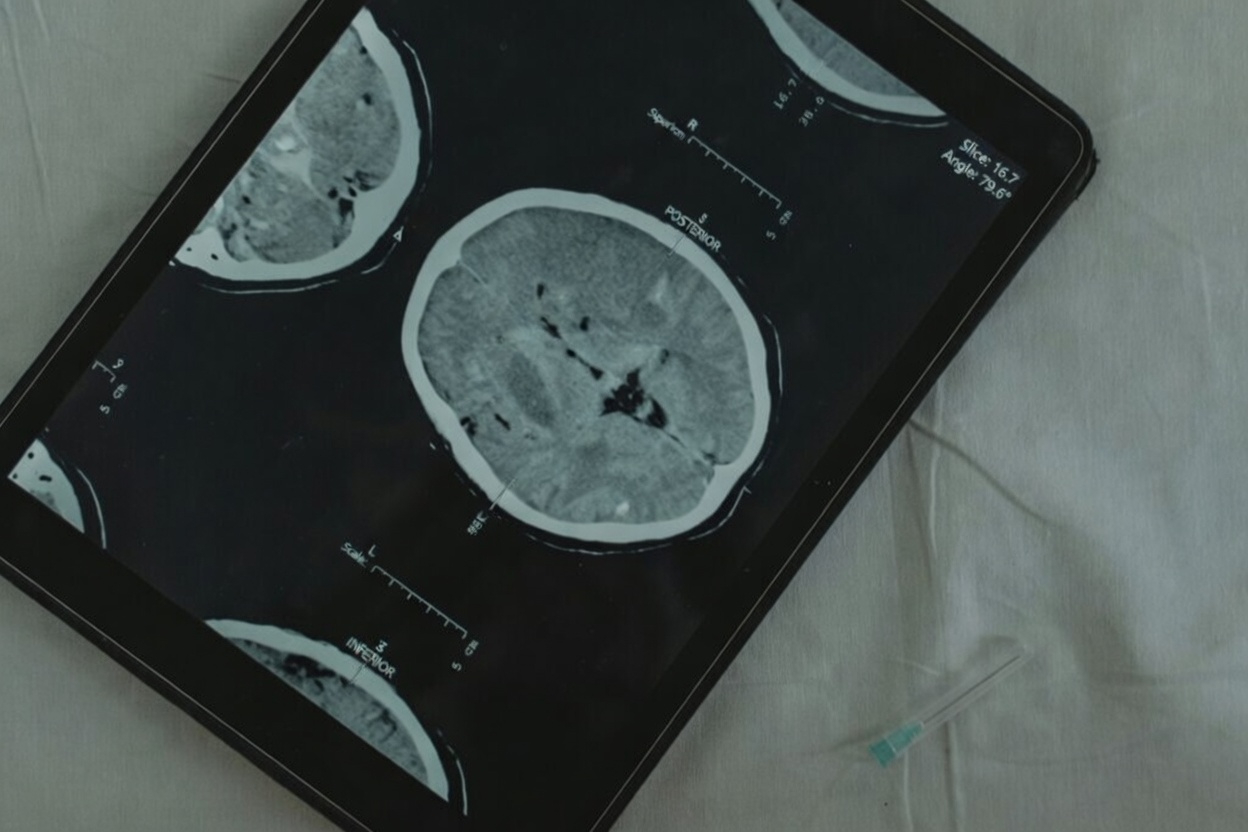
When inflammation increases and brain function is affected, the risk of chronic disease rises too. Frequently missing sleep can raise your chances of chronic disease. It can also increase the risk of heart disease and stroke. Poor sleep may also interfere with insulin sensitivity and blood sugar control.
Lack of sleep can also affect appetite. Many people feel hungrier when they are sleep-deprived. Sleep influences hunger hormones, which can lead to:
- increased appetite
- more fat storage
Over time, this can contribute to unhealthy habits that further increase the risk of chronic disease.
6. Higher Stress Hormones and Emotional Strain
There is a clear reason why you may feel more irritable after a bad night of sleep. Cortisol, the body’s main stress hormone, rises sharply when sleep is lacking. Ongoing sleep loss can keep cortisol levels elevated, which may increase the risk of anxiety and depression.
High stress levels can lead to:
- irritability
- mood swings
- emotional instability
These effects do not just make one day harder. Long-term sleep problems can change the way the brain handles emotions, making worry and sadness feel stronger and more difficult to control.
How Better Sleep Can Help
When poor sleep becomes a pattern, both mental and physical health can suffer. Repeated sleepless nights may have lasting effects. That is why healthy sleep is one of the most important parts of caring for your body and mind.
Good sleep depends on several things, including:
- getting enough hours of sleep
- having good sleep quality
- going to bed at a regular time
A simple place to start is by setting a fixed bedtime and removing distractions before sleep. Small changes in your routine can make a noticeable difference not only in how you feel during the day, but also in your overall well-being.

Final Thoughts
Before you stay up all night, remember that sleep loss can do more than leave you feeling tired. Over time, it may affect memory, mood, inflammation, stress hormones, and the risk of chronic health problems. Prioritizing good-quality sleep is one of the best investments you can make in your health.
Consult a healthcare professional before making changes.