Pumpkin Seeds (Pepitas): Benefits, Risks, and How to Eat Them Safely
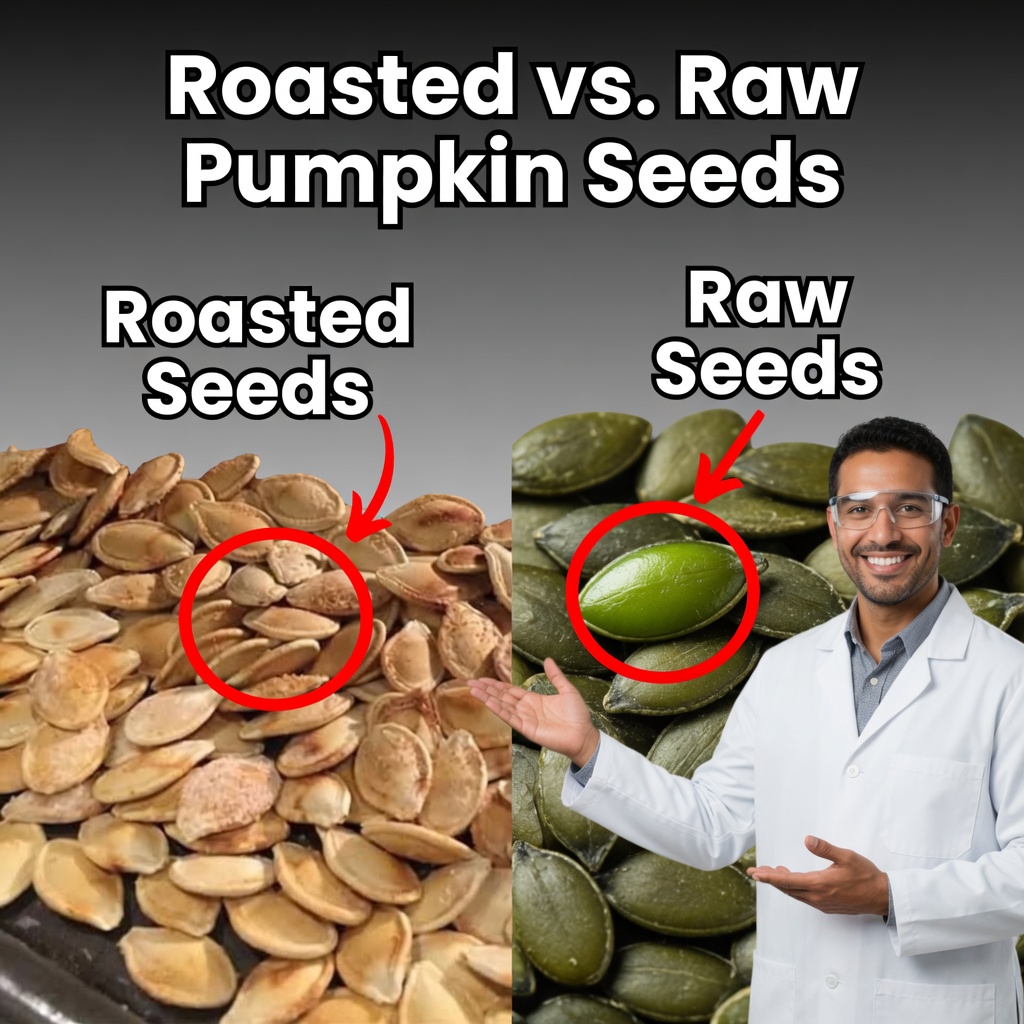
Pumpkin seeds—often called pepitas—are a nutrient-rich snack known for providing magnesium, zinc, fiber, and heart-healthy fats. For most people, they’re a safe and smart addition to a balanced diet. Still, like many “superfoods,” problems can arise when they’re eaten in excess, stored incorrectly, or consumed under certain health conditions.
1. Eating Too Many: The Most Common Risk
Pumpkin seeds contain a lot of dietary fiber, which can support digestion when eaten in reasonable portions. But overeating them—especially in one sitting—may cause:
- Digestive discomfort such as bloating, gas, or constipation
- Unwanted weight gain, since seeds are high in calories and easy to over-snack on
- Electrolyte imbalance, particularly if you frequently eat heavily salted pumpkin seeds, which can affect sodium and potassium balance
How to avoid it
- Aim for about 1–2 ounces per day (roughly a small handful)
2. Mold, Mycotoxins, and Foodborne Contamination
If pumpkin seeds are kept in warm or humid conditions, they can develop mold or become contaminated with bacteria such as Salmonella or E. coli. Certain molds may produce mycotoxins (including aflatoxins), which are harmful to humans.
How to avoid it
- Store seeds in an airtight container in a cool, dry place
- Don’t eat seeds that show discoloration, smell rancid or musty, or taste “off”
3. Choking Risk (Especially With Shell-On Seeds)
Whole pumpkin seeds—particularly those with shells—can be a choking hazard. This risk is higher for:
- Young children
- Older adults
- Anyone with swallowing difficulties
How to avoid it
- Choose shelled pepitas when possible
- Make sure children eat them only when they can chew thoroughly
4. Possible Allergic Reactions
Pumpkin seed allergy is uncommon, but it can happen. Signs may include:
- Itching, swelling, or hives
- Breathing difficulty
- Stomach upset, nausea, or vomiting
How to avoid it
- If you suspect an allergy, stop eating them and speak with a healthcare professional before trying again
5. Pesticide Residues in Non-Organic Pumpkin Seeds
Some non-organic pumpkin seeds may carry pesticide residues or be exposed to chemical processing. While occasional intake is unlikely to cause immediate harm, long-term exposure could increase your overall toxin burden.
How to reduce exposure
- Choose organic, non-GMO pumpkin seeds when available
Can Pumpkin Seeds Be Deadly?
In typical situations, pumpkin seeds are not dangerous and won’t “kill you.” The main serious concern would be rare, extreme contamination, such as high levels of aflatoxins from mold. Over time, repeated exposure to these toxins could negatively affect the liver or immune system.
Conclusion: Enjoy Pumpkin Seeds Without the Downsides
Pumpkin seeds are a nutritious, versatile snack when used the right way. To get the benefits while minimizing risk:
- Eat them in moderation
- Buy fresh, high-quality (ideally organic) seeds
- Store properly to prevent mold and spoilage
- Watch for choking hazards and allergy symptoms
With a little care, pepitas stay a powerful addition to your diet—not a problem.