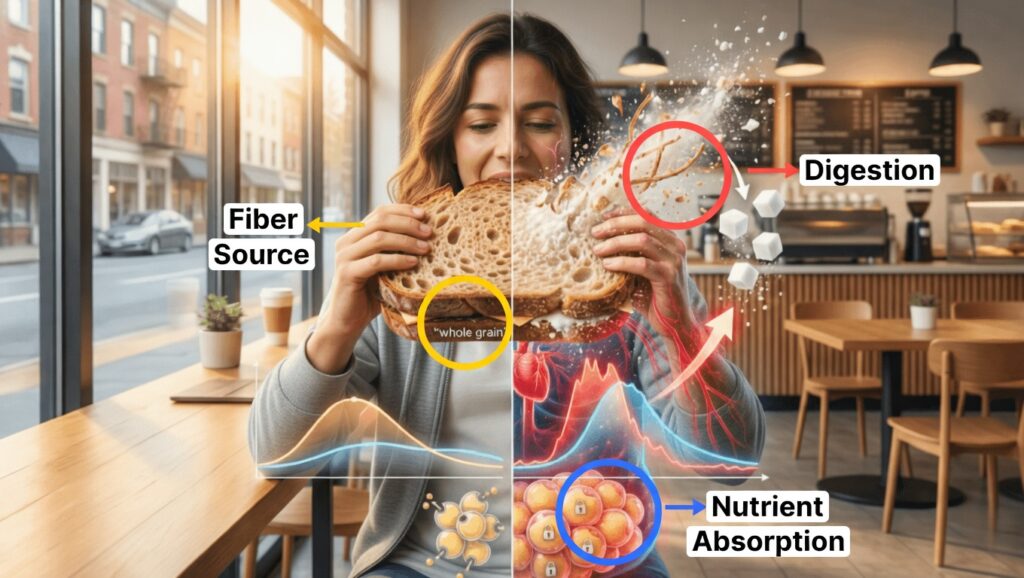
The Hidden Truth About Modern Bread and Your Health
You grab a “healthy” sandwich or a slice of toast and a few hours later you feel puffy, drained, unfocused, or craving more sugar. Your clothes fit tighter even though you’re trying to eat well. Your lab results come back “normal,” but you still feel off. You’re not imagining it—today’s bread often works against your metabolism and your gut.
This guide exposes what has changed in bread over time and how you can still enjoy it without sabotaging your health.
Key Takeaways
- Traditional bread nourished civilizations; modern bread is engineered for shelf life, not wellness.
- Industrial wheat breeding, aggressive processing, and minimal fermentation have made bread inflammatory for many people.
- Modern bread can spike blood sugar faster than table sugar and worsen metabolic health.
- You don’t have to give up bread completely—if you know which types to choose and which to avoid.
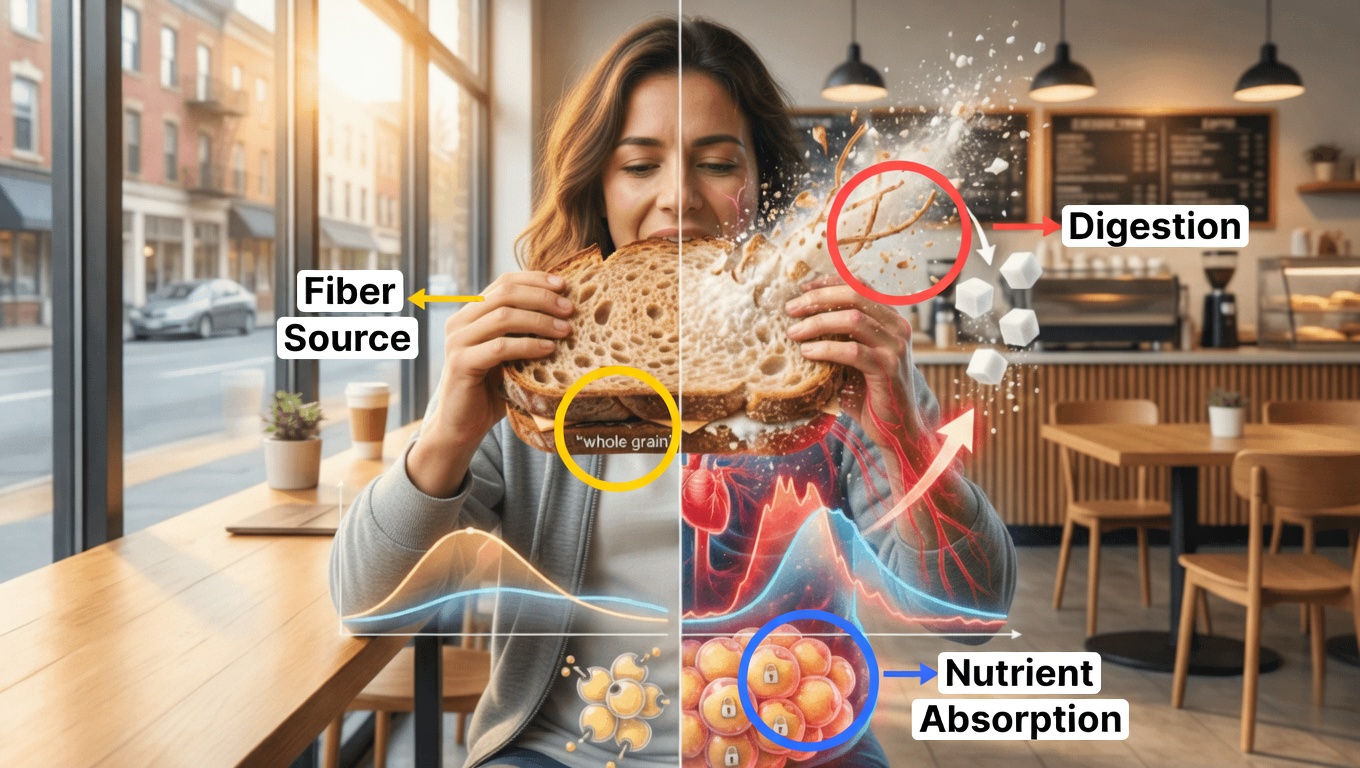
1. Bread Built Civilizations—But Today’s Bread Is Something Else
For more than 10,000 years, bread was a survival food. Ancient Egyptians received bread as wages, Roman soldiers traveled on it, and entire medieval households depended on it to get through harsh winters. In many cultures, bread once provided up to 70% of daily calories.
Yet conditions like obesity, type 2 diabetes, and widespread gluten sensitivity were rare. The bread that sustained our ancestors, however, is very different from the ultra-processed loaves lining supermarket shelves today.
2. The Main Villain Isn’t Just Gluten or Carbs—It’s Industrial Processing
The bread most people eat now bears little resemblance to traditional loaves. Modern bread is an industrial product designed primarily to be cheap, uniform, and long-lasting.
Read a typical ingredient list and you’ll see:
- Refined or “enriched” wheat flour
- Vegetable or seed oils
- Preservatives and stabilizers
- Dough conditioners and emulsifiers
- Enzymes and artificial additives
By contrast, authentic bread used to contain only four basics: flour, water, salt, and time. The issue isn’t merely carbohydrates or gluten—it’s the way the entire product has been altered and engineered.
3. Wheat Itself Has Been Transformed
The wheat in your bread is not the same as the ancient grains your ancestors consumed, such as einkorn, emmer, or spelt. Over the last century, wheat has been selectively bred to:
- Increase yield
- Boost starch content
- Intensify gluten strength
- Grow faster and resist pests
These changes may be great for industrial agriculture, but not for your digestive system. Your immune system may interpret modern wheat proteins as foreign threats, triggering:
- Gut irritation and bloating
- Brain fog or fatigue
- Joint pain and body aches
- Stubborn weight gain and fat storage
This isn’t about weak willpower. It’s about your biology reacting to a food that no longer resembles what it evolved to handle.
4. Modern Milling Strips Away Nutrition
In the past, grains were stone ground, which:
- Preserved the healthy oils, fiber, and B vitamins
- Kept the grain structure more intact
- Slowed digestion and stabilized blood sugar
Today, most wheat is processed with high-speed roller mills that:
- Remove the bran and germ (where most nutrients are)
- Leave behind mostly starch
- Create a flour that’s then bleached and “enriched” with synthetic vitamins
This refined flour is digested extremely quickly, causing sharp blood sugar spikes—white bread can raise blood glucose even faster than ordinary table sugar.
5. Missing Fermentation: The Forgotten Health Step
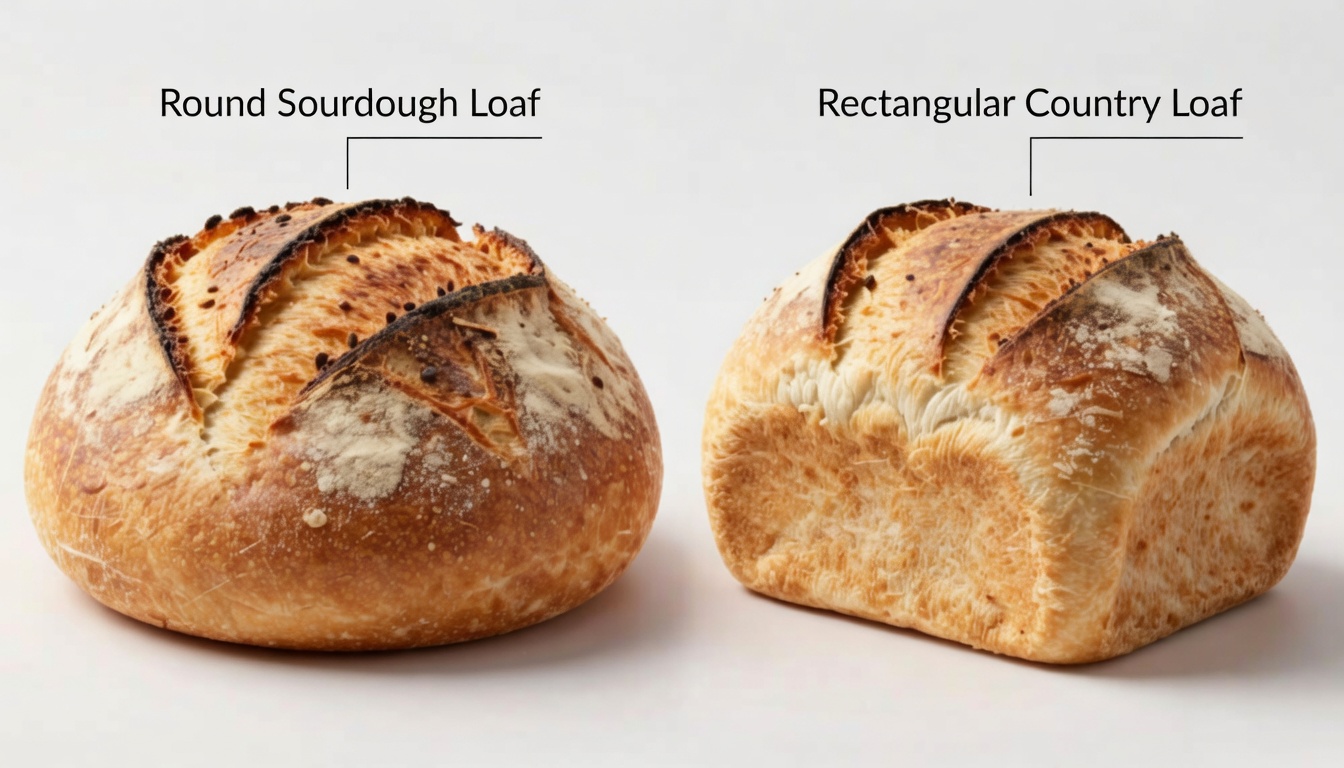
Traditional bread often involved long fermentation, sometimes 24–48 hours, especially with sourdough. This lengthy process allows natural bacteria and yeasts to:
- Break down part of the gluten
- Reduce anti-nutrients like phytic acid
- Improve mineral absorption
- Lower the bread’s impact on blood sugar
Industrial baking shortcuts this to a 2–3 hour process by using commercial yeast, chemical conditioners, and fast-rising techniques. The result: bread that looks fine, but hasn’t been properly pre-digested for your gut.
6. The Chemical Burden: Pesticides and Herbicides
In countries such as the United States, much conventional wheat is treated with glyphosate (the active ingredient in many weed killers) shortly before harvest to dry and ripen the crop uniformly.
Research suggests glyphosate may:
- Disrupt beneficial gut bacteria
- Interfere with mineral absorption
- Impair mitochondrial energy production
- Contribute to metabolic issues and immune dysfunction over time
So you’re not just eating flour—you may be ingesting chemical residues that further stress your body.
7. Three Smart Ways to Outsmart the Bread Trap
You don’t necessarily need to swear off bread forever. Instead, use these strategies:
Option 1: Upgrade the Bread You Buy
Look for:
- Genuine sourdough or long-fermented bread (fermented 12+ hours)
- Stone-ground flour or ancient grains like einkorn, emmer, or spelt
- A short ingredient list: ideally just flour, water, salt, and starter
Avoid:
- Seed oils (such as soybean, canola, or sunflower oil)
- Long lists of additives, conditioners, and preservatives
Option 2: Bake Your Own Real Bread
Homemade sourdough takes effort but gives you full control. A healthy sourdough starter:
- Pre-digests part of the gluten
- Reduces anti-nutrients
- Produces a loaf that’s often gentler on digestion and blood sugar
Option 3: Cut Back—and Replace Nutrients Wisely
Some people do best by avoiding bread entirely, especially when healing metabolic issues or gut dysfunction. If you choose this path:
- Prioritize nutrients from whole foods: vegetables, quality proteins, healthy fats, and root vegetables
- Treat bread as an occasional treat, and pick the highest-quality version you can find when you do indulge
8. Why Many Health Professionals Say “Skip the Bread”
When doctors and nutritionists advise giving up bread, they’re usually referring to modern industrial bread, not the traditional loaves of the past.
Today’s bread typically includes:
- Highly refined, hybridized wheat
- Inflammatory seed oils
- Chemical additives and dough conditioners
If you’re dealing with excess weight, insulin resistance, prediabetes, fatty liver, or digestive complaints, removing bread—at least temporarily—can be a powerful way to give your metabolism a chance to reset.
9. Is Grocery Store Sourdough Actually Healthy?
Not all “sourdough” is real sourdough. Many commercial brands:
- Use regular yeast instead of a true starter
- Add vinegar or acids to create a sour taste
- Skip the long fermentation that makes sourdough beneficial
Authentic sourdough should:
- Contain only a few ingredients
- Ideally be organic
- Be fermented for at least 12 hours
If you locate a trustworthy brand or a quality local bakery, real sourdough can be far better for your gut and blood sugar than typical sliced bread.
10. Gluten Sensitivity and Properly Fermented Bread
Gluten sensitivity is different from celiac disease, which requires strict lifelong avoidance of gluten. Some people with non-celiac gluten sensitivity discover they can tolerate:
- Long-fermented sourdough
- Bread made from ancient grains
- Traditional breads in places like Europe, where wheat varieties and processing differ
Others remain sensitive even to the best sourdough. This is highly individual. The only reliable approach is to pay attention to your own reactions and, if you experiment, do so slowly and cautiously with truly fermented bread.
11. Can Bread Be Worse Than Sugar?
Modern bread often combines:
- Refined starch (which spikes blood glucose)
- Inflammatory seed oils (which fuel chronic inflammation)
This combination can, in some cases, be more damaging than sugar alone. Sugar mainly disrupts blood sugar and insulin; seed oils can embed in your cells and promote inflammation for years, amplifying the metabolic harm.
12. Does Toasting Bread Make It Any Better?
Toasting bread converts a portion of its digestible starch into resistant starch, which is less readily absorbed and can very slightly reduce the glucose surge.
However:
- The benefit is modest compared to the impact of refined flour and harmful ingredients
- Over-toasting or charring creates advanced glycation end products (AGEs), compounds linked to inflammation and aging
Lightly toasting may be marginally better than eating soft white bread, but it doesn’t fix the core problems with poor-quality bread.
13. Why Didn’t Traditional Bread Make People Fat?
Historical bread did raise insulin, but it did not trigger the same level of chronic inflammation we see today. Inflammation is crucial because it:
- Damages insulin receptors on cells
- Makes cells “deaf” to insulin’s signal
- Causes blood sugar to remain elevated
- Encourages the body to store more fat
Ancient bread, made from less-altered grains, stone milled, and long fermented, was part of a balanced metabolic cycle. Modern bread, filled with refined flours, chemicals, and seed oils, disrupts that cycle and drives long-term metabolic dysfunction.
14. Better Bread Choices: Brands to Consider
If you’re going to buy bread, choose the best you can reasonably access. Look for:
- Organic ingredients
- Stone-ground or sprouted whole grains
- Long fermentation or genuine sourdough
- No seed oils, no preservatives, minimal ingredients
In the United States, examples often recommended by health-conscious consumers include:
- Berlin Natural Bakery
- Alvarado Street Bakery
- Food for Life (Ezekiel bread)
Always read the label—many breads marketed as “healthy” still contain seed oils, sugars, or unnecessary additives.
Conclusion: Take Your Power Back from the Bread Industry
Bread itself isn’t the enemy. The way it has been industrialized is the problem. Once you understand how modern bread differs from the real food that once nourished entire civilizations, you can make choices that protect your gut, your metabolism, and your brain.
Whether you:
- Eliminate bread for a while,
- Learn to bake your own traditional sourdough, or
- Seek out genuinely artisanal, minimally processed loaves,
you’re reclaiming control over what goes into your body. And that simple shift can have a profound impact on your long-term health.