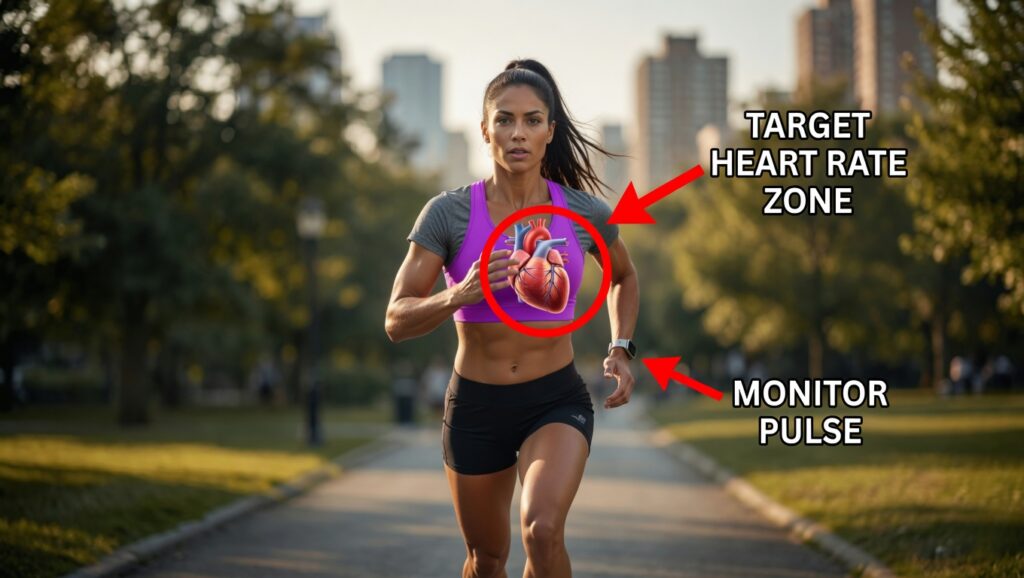
Can Being Young and Fit Really Protect You from a Heart Attack?
Many people assume that heart attacks only happen to older, out-of-shape, or visibly “unhealthy” people. But that’s not always true. Even disciplined, athletic individuals can experience sudden and serious heart problems.
I learned this in a deeply personal way when my brother—strong, fit, and training hard for endurance events—had a heart attack in the middle of a race. His story, combined with insights from Jeremy Jones of the Institute of Human Anatomy, is a powerful reminder that heart disease can hide in plain sight.
In this guide, we’ll break down what actually happens during a heart attack, the hidden risks, how to spot symptoms early, and the simple steps anyone can take to protect their heart, regardless of age or fitness level.
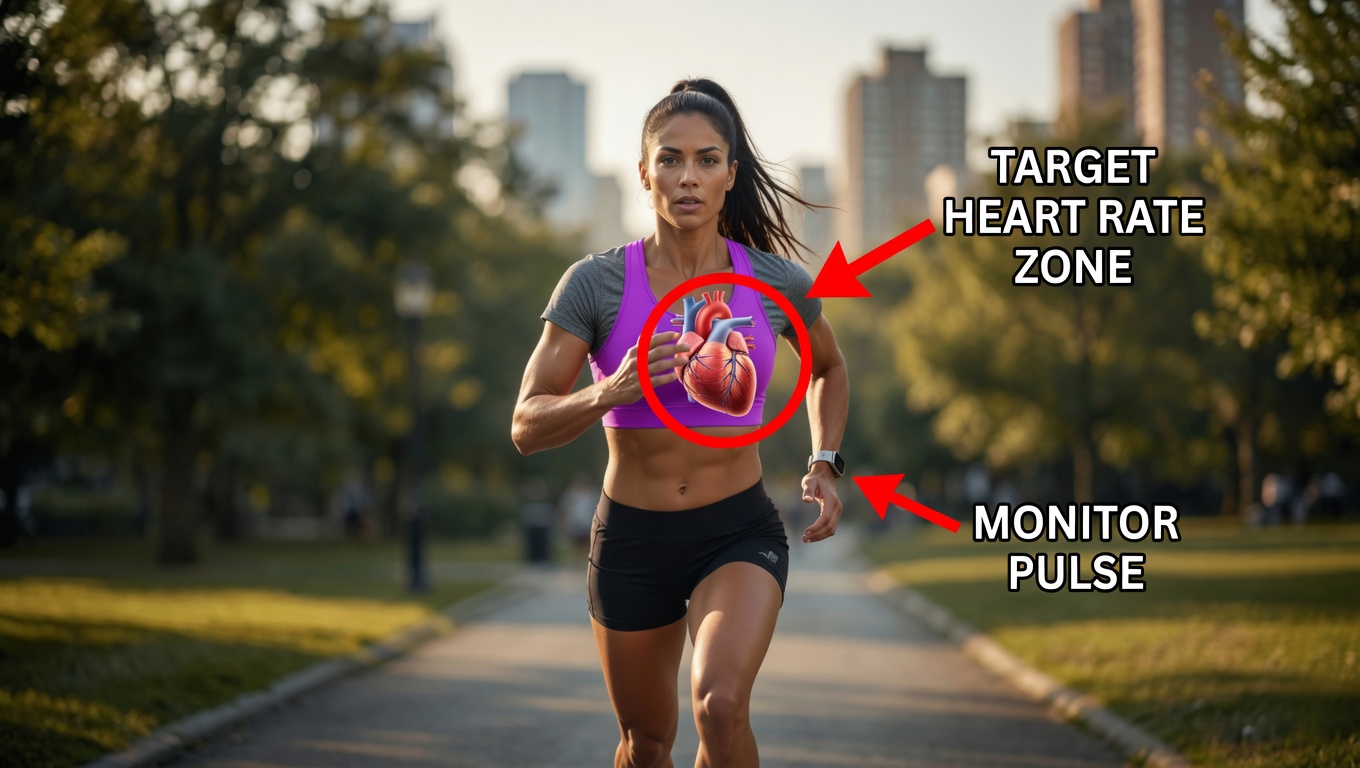
Key Takeaways
- Heart attacks can affect anyone, including athletes and people who appear very healthy.
- Most heart attacks are caused by blocked arteries, usually after years of silent plaque build-up.
- Symptoms are not always dramatic—subtle or unusual warning signs still matter.
- Regular check-ups and annual screenings can dramatically reduce your risk.
- Consistent exercise strengthens the heart and can create natural backup blood vessels that offer extra protection.
1. Heart Attacks Aren’t Only a “Lifestyle Disease”
Pop culture often shows heart attacks happening to people who are older, overweight, or inactive. That stereotype is misleading.
My own brother, a marathon and obstacle-course racer, had a heart attack during a competition. He trained hard, ate well, and looked like the picture of health. Yet, he still developed a serious heart problem.
While factors like poor diet, smoking, and inactivity certainly increase risk, they are not the whole story. Genetics, family history, and silent conditions—like undiagnosed high blood pressure or cholesterol—can quietly raise your risk, even if you seem fit on the outside.
2. What Actually Is a Heart Attack?
The medical term for a heart attack is myocardial infarction:
- “Myo” = muscle
- “Cardial” = heart
- “Infarction” = tissue death due to lack of blood flow
In plain language, a heart attack occurs when blood flow to part of the heart muscle is suddenly reduced or cut off, usually because a coronary artery is blocked. Without enough oxygen and nutrients, that area of heart muscle starts to die.
If blood flow isn’t restored quickly, the damage can be permanent and life-threatening.
3. Silent Plaque Build-Up: The Hidden Danger
Most heart attacks start in the coronary arteries, which supply blood directly to the heart muscle. Over time, fatty deposits known as plaques build up in these arteries. This process is called atherosclerosis.
These plaques are made of:
- Cholesterol
- Calcium
- Inflammatory cells
- Other blood components
What makes this so dangerous is how silent it can be. Many people feel perfectly fine while plaque builds slowly for years. You may not notice any symptoms until an artery is 70% or more blocked—by then, the risk of a heart attack is much higher.
4. Heart Attack Symptoms Aren’t Always “Classic”
We often picture heart attacks as someone clutching their chest in agony. While that does happen, the signs can be much more subtle and varied.
Common symptoms include:
- Pressure, tightness, or pain in the chest
- Pain spreading to the arm, shoulder, neck, jaw, or back
- Shortness of breath, especially with exertion
- Nausea, sweating, or feeling lightheaded
Women, in particular, may have atypical symptoms, such as:
- Unusual fatigue
- Indigestion or stomach discomfort
- Mild chest discomfort rather than severe pain
Some people have little or no chest pain at all. That’s why it’s so important to notice new or unusual symptoms—especially during exercise or stress—and not ignore them.
5. Why Do Plaques Suddenly Cause a Heart Attack?
You can have a narrowed artery for a long time without a full-blown heart attack. The crisis usually happens when:
- A plaque in a coronary artery ruptures or cracks.
- The body tries to “repair” the area by forming a blood clot.
- That clot can rapidly block the artery, cutting off blood flow to part of the heart.
This sudden blockage is what triggers a typical heart attack. In cardiology, there’s a saying: “Time is muscle.” The longer the artery stays blocked, the more heart muscle is damaged.
6. My Brother’s Story: A Different Kind of Heart Attack
During a high-intensity obstacle race, my brother started to feel off. His heart was racing, he was short of breath, and he felt dizzy—yet he didn’t have the dramatic crushing chest pain you might expect.
Doctors discovered he was in atrial fibrillation (AFib), an irregular heart rhythm where the upper chambers of the heart beat erratically. Blood tests showed elevated cardiac enzymes, indicating that his heart muscle had been injured.
Further testing revealed a 50–60% blockage in his left anterior descending (LAD) artery, often nicknamed “the widowmaker” because it supplies a large portion of the heart.
In his case, there wasn’t a total blockage from a ruptured plaque. Instead, the combination of an already narrowed artery and the extra demand from intense exercise led to what doctors call a Type 2 myocardial infarction—heart muscle damage caused by insufficient blood supply during stress, not a complete arterial shutdown.
It was still a heart attack, just a different mechanism than the classic “clot suddenly blocking an artery” scenario.
7. Why Can Athletes and Fit People Have Heart Attacks?
Being athletic does lower your overall risk of heart disease, but it doesn’t make you immune.
Reasons athletes can still have heart problems include:
- Genetics and family history of heart disease
- Long-standing high cholesterol or high blood pressure that went unnoticed
- Structural or electrical heart conditions that were never diagnosed
- Plaque build-up that developed despite a healthy lifestyle
However, years of training can offer a powerful advantage. Regular exercise encourages the heart to grow collateral blood vessels—small, natural bypass routes that can deliver blood to the heart muscle if a main artery becomes narrowed.
In my brother’s case, those collateral vessels very likely limited the damage. Without them, his event could have been far more catastrophic.
8. Why Regular Screenings Are So Important
Because heart disease can progress quietly, routine check-ups are a key part of prevention—even if you feel great and work out regularly.
Important steps include:
- Annual blood pressure check
- Blood tests to measure:
- Cholesterol (lipid panel)
- Blood sugar or HbA1c (for diabetes risk)
- If you have additional risk factors, ask your doctor about:
- Coronary artery calcium (CAC) scan to look for calcified plaque
- CT coronary angiogram to visualize blood flow and narrowing in the coronary arteries
These tests can reveal plaque and risk factors before you experience symptoms, giving you and your healthcare team time to intervene early.
9. Major Heart Attack Risk Factors You Can Influence
Plaque formation becomes more likely when the arteries are repeatedly stressed or damaged. Common modifiable risk factors include:
- High blood pressure
- High LDL (“bad”) cholesterol and low HDL (“good”) cholesterol
- Smoking or vaping
- Diabetes or chronically high blood sugar
- Obesity or excess visceral fat
- Chronic stress and poor-quality sleep
- Sedentary lifestyle
- Unhealthy diet high in processed foods, sugar, and trans fats
Family history and age are risk factors you can’t change—but by managing the ones you can, you significantly stack the odds in your favor.
10. Lifestyle: Your Most Powerful Heart Protection
While genetics and luck play a role, your daily habits are incredibly influential. Practical ways to protect your heart include:
-
Stay active:
Aim for regular aerobic exercise (like walking, running, cycling, or swimming) plus some strength training. Exercise:- Lowers blood pressure
- Improves cholesterol
- Helps control blood sugar
- Encourages collateral blood vessel growth in the heart
-
Eat for heart health:
Focus on:- Plenty of vegetables and fruit
- Whole grains
- Healthy fats (olive oil, nuts, seeds, fatty fish)
- Lean protein
Limit: - Sugary drinks and snacks
- Highly processed foods
- Trans fats and excess saturated fat
-
Avoid tobacco:
If you smoke, quitting is one of the most impactful steps you can take for your heart and overall health. -
Manage stress and prioritize sleep:
Ongoing stress and sleep deprivation increase blood pressure, inflammation, and hormone imbalances that harm the cardiovascular system. Aim for consistent, restorative sleep and find healthy ways to unwind. -
Track your numbers:
Know your:- Blood pressure
- Cholesterol levels
- Blood sugar
Keeping these in check can prevent serious problems later.
11. Should You Be Afraid to Exercise?
In almost all cases, no. For the vast majority of people, regular exercise is one of the safest and most effective ways to reduce the risk of heart disease and heart attack.
Unless your doctor has specifically restricted your activity, you should view movement as medicine. In fact:
- Exercise improves cardiovascular fitness
- Reduces many traditional risk factors
- Helps the heart build collateral circulation
My brother’s years of training likely gave his heart the resilience it needed when things went wrong.
If you’re starting a new, intense exercise program and have risk factors—like being over 40, having a strong family history, or known health issues—talk with your doctor first. But don’t let fear keep you on the couch.
12. Lessons from My Brother’s Experience
His story is a powerful reminder that:
- Heart problems don’t always follow the script you see on TV.
- You can be fit and still have underlying cardiovascular risks.
- Listening to your body—especially when something feels “off” during exercise—is crucial.
- Annual check-ups and simple tests can uncover hidden issues before they become emergencies.
Staying proactive about your cardiovascular health can truly be life-saving.
Final Thoughts: Your Heart Is Worth Protecting
Heart attacks do not discriminate. They can affect:
- Young or older adults
- Active or inactive people
- Those who appear healthy on the outside
The encouraging news is that you are far from powerless. By monitoring your health, having regular medical check-ups, knowing your risk factors, and making heart-smart lifestyle choices, you can dramatically lower your chances of serious heart trouble.
Keep moving, eat well, manage stress, sleep enough, and pay attention to what your body is telling you. Your heart works for you every second of every day—taking care of it is one of the best investments you can make.
Source: Institute of Human Anatomy