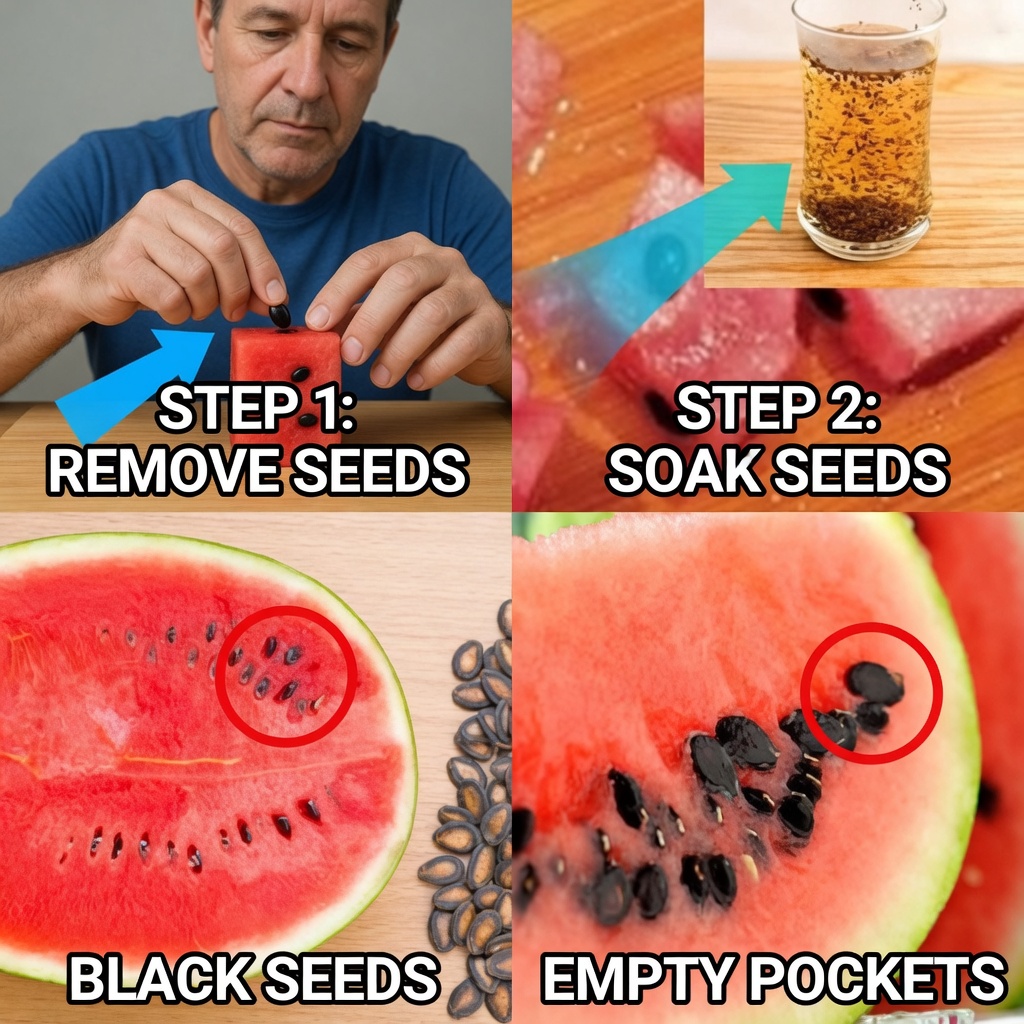
Watermelon seeds are often tossed aside while you enjoy the sweet, juicy fruit—but they’re surprisingly nutrient-dense. When eaten in the right way, these tiny seeds can add protein, minerals, and healthy fats to your daily diet, making them a smart option for snacks and simple recipes.
Nutritional Value of Watermelon Seeds
Watermelon seeds may be small, but they contain an impressive range of nutrients:
- High in protein: A small handful can provide around 8 grams of protein, supporting muscle repair and fullness.
- Loaded with essential minerals: They’re a natural source of magnesium, iron, zinc, and potassium, which help the body function properly.
- Healthy unsaturated fats: Watermelon seeds contain beneficial fats, including omega-3 and omega-6 fatty acids, which support the heart and brain.
- Nutrient-rich and snack-friendly: They offer a lot of nutrition for relatively few calories when eaten in sensible portions.
Health Benefits of Eating Watermelon Seeds
Adding watermelon seeds to your meals can support multiple areas of health.
1. Supports Heart Health
- Magnesium helps manage blood pressure and supports normal heart rhythm.
- Omega-3 and omega-6 fats may help improve circulation and support healthier cholesterol levels.
2. Helps Strengthen Immunity
- Zinc plays a key role in immune defense and can help your body respond better to everyday illnesses.
3. Promotes Healthier Skin
- Natural antioxidants and fatty acids help nourish skin and support hydration.
- Magnesium may help reduce breakouts by supporting hormone balance.
4. Encourages Hair Growth and Strength
- The combination of protein, iron, and copper supports stronger hair and may contribute to healthier growth over time.
5. Supports Bone Strength
- Minerals such as magnesium, phosphorus, and potassium help maintain bone density and may reduce osteoporosis risk as you age.
6. Aids Digestion
- Watermelon seeds provide dietary fiber, which supports regular bowel movements and helps prevent constipation.
7. Provides Steady Energy
- The mix of healthy fats and protein offers longer-lasting energy compared with sugary snacks.
8. Supports Metabolism
- B vitamins (including niacin, folate, and pantothenic acid) help the body convert food into usable energy more efficiently.
How to Eat Watermelon Seeds
There are several easy ways to include watermelon seeds in your diet—especially when they’re dried or roasted.
1. Roasted Watermelon Seeds (Simple Snack)
Ingredients
- Watermelon seeds
- Olive oil or butter (optional)
- Salt, pepper, or spices (optional)
Instructions
- Rinse the seeds and let them dry completely.
- Spread them on a baking tray, then lightly coat with olive oil and season as desired.
- Roast at 325°F (165°C) for 10–15 minutes, until crisp.
2. Watermelon Seed Butter
Blend roasted seeds until smooth to make a spread similar to peanut or almond butter. Add a pinch of salt or a little honey if you like.
3. Mix Into Smoothies or Salads
- Sprinkle roasted seeds over salads for crunch.
- Blend a spoonful into smoothies for an easy protein and mineral boost.
4. Watermelon Seed Tea
Simmer seeds in water for 10–15 minutes to make a light tea that many people drink for digestion support and gentle detox.
Precautions to Keep in Mind
- Eat in moderation: Seeds contain fats and calories, so portion control matters.
- Watch for allergies or sensitivities: If you’re unsure how your body reacts to seeds, start with a small amount.
Why You Should Stop Throwing Them Away
Watermelon seeds are affordable, widely available, and easy to use. They’re also versatile—whether you roast them, blend them, or add them to meals. Instead of discarding them, consider using watermelon seeds as a simple way to boost your nutrition and upgrade your everyday snacks.