Why More Time in the Gym Doesn’t Always Mean More Muscle
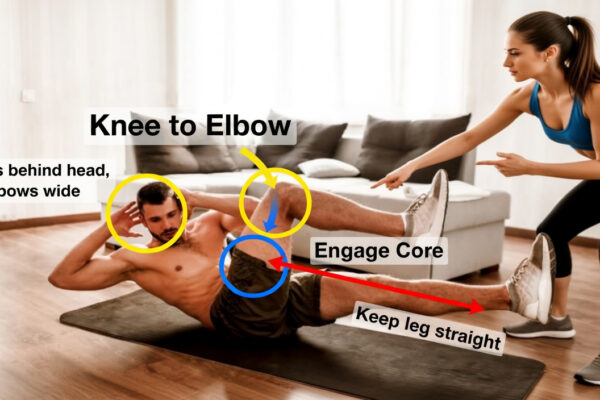
Spending endless hours training does not automatically lead to better muscle growth. Trying to push through one more rep every session can leave you drained, stuck at a plateau, or even dealing with injury instead of seeing results.
Many people assume that building muscle means going harder every time. In reality, better progress often comes from training with more intention. A smarter approach helps you get more out of your workouts without constantly overloading your body.

What Often Causes Slow Progress
When muscle gains stall, the problem is not always a lack of effort. In many cases, it comes down to missing the basics.
Common reasons progress slows include:
- Poor exercise form
- Not enough recovery
- Too little focus on sleep
- Inadequate nutrition and hydration
- Doing too much without a clear plan
- Failing to use progressive overload correctly
If these areas are overlooked, your body has a harder time recovering, performing well, and building muscle consistently.
The Smarter Way to Build Muscle
Instead of simply doing more, focus on doing the right things well. Prioritizing form, rest, nutrition, compound exercises, and gradual progression can help you build muscle more efficiently.
1. Start With Better Form
If there is one thing to get right in the gym, it is your form. Adding more load without proper technique can reduce your results and increase the risk of serious injury. When an exercise is done correctly, it challenges the body more effectively and targets the intended muscles better.
One simple way to improve form is to begin with lighter weights. With less strain, it becomes easier to pay attention to each movement. Light to moderate weights can also support better mobility, balance, and coordination, which is especially helpful during leg exercises.
Once your form is solid, increasing weight or reps becomes much more effective. This can help reduce plateaus and support better muscle growth. It is also important to warm up before training so your muscles are prepared.

2. Recovery Is Where Muscle Growth Happens
Many people struggle to make progress because they do not rest enough. Skipping rest days may feel productive, but it can work against long-term results.
Training creates microtears in the muscles. Growth happens when the body repairs those muscles during rest, not while you are lifting. Recovery also helps refill your energy so you can return stronger and handle more repetitions or heavier weights over time.
Sleep plays a major role here. For most people, eight hours of quality sleep is enough to restore mental, physical, and emotional capacity. Better sleep often means a cool room, very little noise, and dim or no light.
Recovery also matters during your workout. If you are not feeling your best, taking slightly longer breaks between sets can help reduce injury risk. A 60-90 second rest between sets is considered the optimal recovery time for muscle growth.
3. Use Compound Exercises to Save Time and Build More Muscle
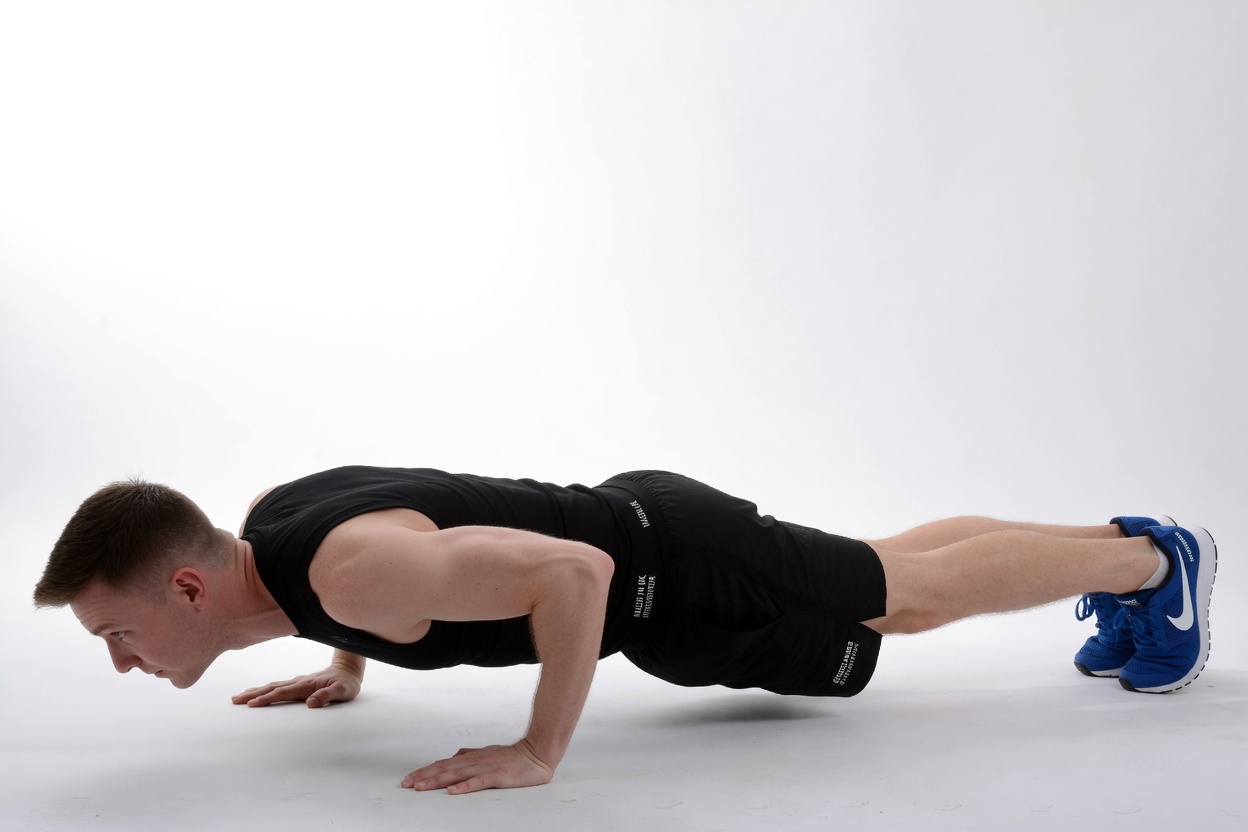
Compound exercises work multiple joints and muscle groups at the same time. While single-muscle movements like bicep curls have their place, compound lifts are especially useful when you want to train efficiently.
Examples include:
- Push-ups
- Pull-ups
- Squats
- Deadlifts
These exercises do more than build muscle. They also reflect real-life movement patterns, which can improve coordination in daily activities.
For beginners, routines built mostly around compound exercises can be especially effective. Those new to training often notice visible muscle growth early on, and working several muscle groups at once can lead to more full-body definition.
4. Support Your Training With Nutrition and Hydration
Training without proper nutrition and hydration can make progress much harder. Even a small drop in hydration can hurt performance, and missing key nutrients may leave you feeling tired, sore, and more vulnerable to injury. Poor eating habits and not hitting protein goals are common reasons people hit a plateau.
A simple strategy is to:
- Eat a protein-rich diet
- Hydrate every hour
- Time your meals around training
A good window for meals is 1-2 hours before exercise and 1-2 hours after. This helps the body get fuel when it needs it most and can support muscle growth.
Helpful food choices include lean protein sources such as:
- Chicken
- Fish
- Legumes
Anti-inflammatory foods may also help with gut health and recovery.
When it comes to hydration during training, some people debate the best approach. One view is that sipping water before and after a workout works better than drinking during it. During breaks, electrolyte drinks can be useful, especially when you sweat.

5. Keep Progress Going With Progressive Overload
Once the basics are in place, progressive overload helps keep muscle growth moving forward. This means gradually increasing the stress placed on your muscles so they adapt and grow stronger. Without that gradual increase, the body can adjust to the same routine and progress may stall.
Tracking your repetitions and sets in a log can help you spot strength improvements and avoid plateaus. Progressive overload should come into play when you can complete your sets with near-perfect form.
Ways to apply progressive overload include:
- Adding small amounts of weight
- Increasing repetitions
- Increasing sets
- Slowing the tempo of each movement
If heavier weights are not available, these other methods can still be effective.
Another option is reducing rest time between sets. This can also help burn more calories and support weight loss. Still, recovery should remain a priority, so do not shorten your breaks too much.

Final Thoughts
Building muscle is not about grinding through endless sessions. It is about using your time well and focusing on what truly matters. Good form, proper recovery, compound movements, smart nutrition, hydration, and progressive overload can help you get strong results without wasting time.
Beginners often try to move too quickly into advanced training, while experienced lifters can forget the basics. In either case, the goal should stay the same: sustainable muscle growth without injury. Slow and steady really does win here.
Consult a healthcare professional before making changes.