Chia Seeds and Your Gut: The Truth Behind the Myths
If you’ve ever felt gassy, bloated, or been told to avoid chia seeds because of digestive problems, it’s time to rethink that advice. Chia seeds have picked up an unfair reputation, mostly due to confusion about fiber, water intake, and how digestion actually works.
Before you give up on these tiny nutritional powerhouses, it’s worth understanding what really happens when you eat them. Here’s the spoiler: when prepared correctly, chia seeds can become one of your gut’s best allies.
Key Takeaways
- Chia seeds are primarily made of soluble fiber, which behaves very differently in the gut compared to insoluble “roughage.”
- Most discomfort comes from dry, unsoaked chia and poor hydration, not from the seeds themselves.
- When fully soaked, chia seeds can ease pressure in the gut, support regular bowel movements, help balance blood sugar, and promote heart health.
- Thinking of your gut as a “pressure system,” rather than a simple pipe, changes how you understand fiber and digestion.
- The golden rule: Soak chia seeds in plenty of liquid before eating and drink enough fluids throughout the day.
1. The Misunderstood Seed: How Chia Got a Bad Name
For a long time, anyone with a sensitive digestive system was often warned to avoid seeds—especially chia. Stories circulated about seeds “getting stuck” and causing pain or flare-ups in people with gut issues.
In reality, chia seeds themselves are not the problem. The discomfort many people report usually has more to do with how the seeds are eaten (dry vs. hydrated) and the person’s overall fluid intake, rather than the seeds being inherently harmful.
2. It’s About Pressure, Not Blockage
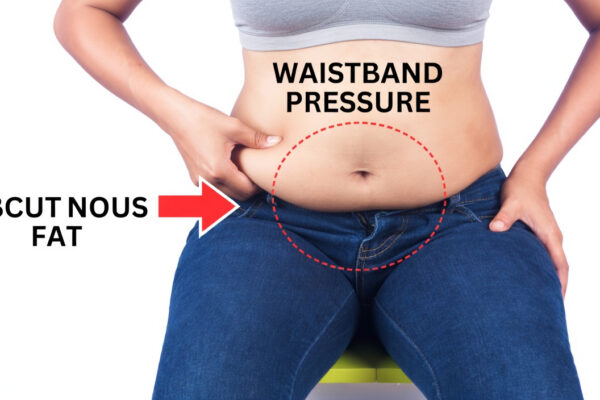
Many people imagine digestive issues as a “blockage” caused by something they just ate. But your digestive tract functions more like a pressure system.
When:
- your stool is too dry,
- your gut is under-hydrated, or
- you’re not moving your body enough,
pressure builds up inside the intestines. That pressure is what often causes discomfort, cramping, or a feeling of being “backed up.”
If chia seeds were the last thing you ate, they’re easy to blame—but in most cases, the real issue is the overall pressure and dryness in the system, not the seeds themselves.
3. Chia Seeds = Mostly Soluble Fiber (And That’s Great News)
Not all fiber behaves the same way.
- Insoluble fiber (like wheat bran) acts more like rough bulk.
- Soluble fiber, which is what chia seeds are mostly made of, forms a gel when mixed with water.
When chia seeds are soaked, they absorb a large amount of liquid and turn into a soft, jelly-like mass. This gentle gel helps:
- cushion and soften stools,
- make bowel movements easier,
- and reduce internal pressure in the gut.
For people with sensitive digestion, this softer, gelled fiber is usually much more comfortable than harsh, scratchy fibers.
4. Soaked Chia Seeds: Your Gut’s Best-Case Scenario
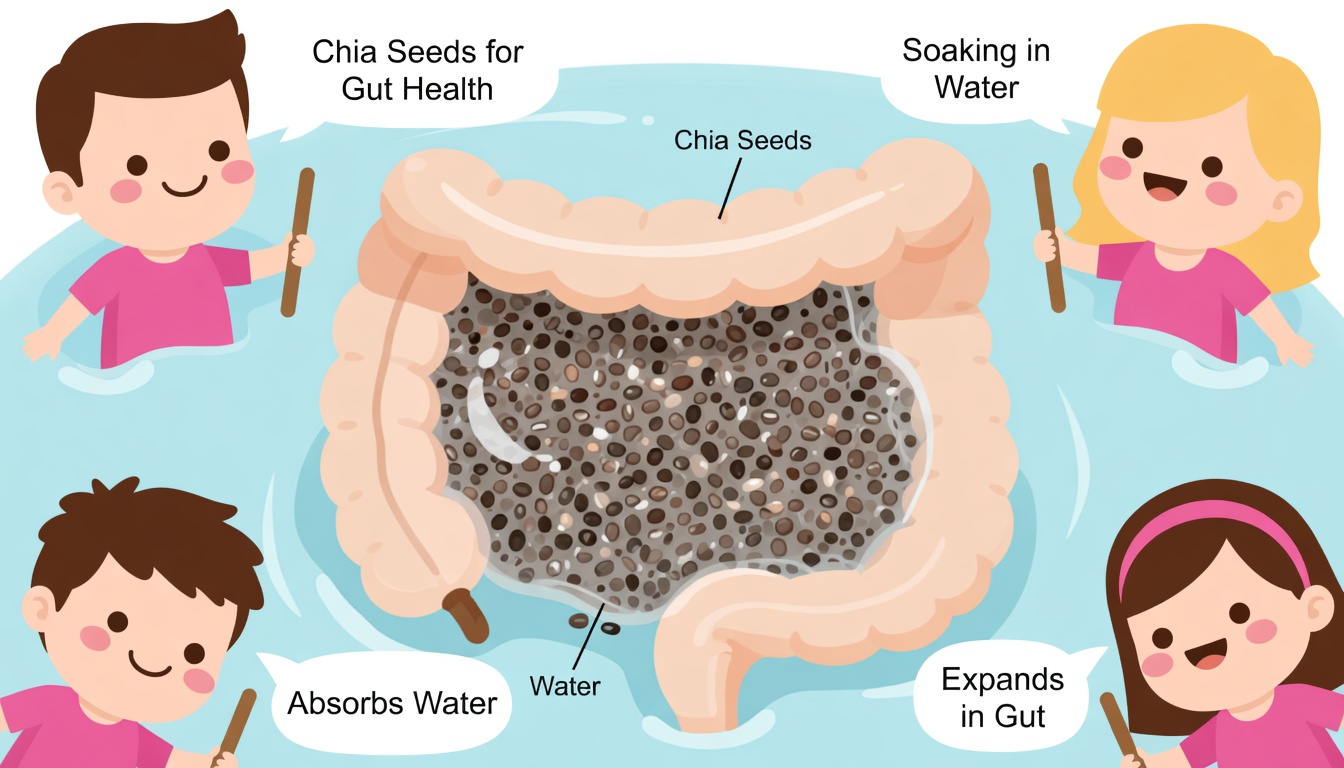
Here’s the single most important rule: Always soak chia seeds before eating them.
When you add liquid and let them sit (around 10 minutes is often enough), chia seeds can expand up to 12 times their dry size, forming a smooth gel. This hydrated fiber:
- supports healthy stool consistency,
- helps everything move along more easily,
- and provides food for beneficial gut bacteria.
Because the gel reduces friction and pressure, soaked chia is typically well tolerated, even by people with a history of conditions like diverticulosis or previous gut flare-ups.
5. Dry Chia Seeds: Why They Can Cause Discomfort
The story changes when chia seeds are eaten dry—sprinkled on yogurt, blended into foods without enough extra liquid, or consumed when you’re already under-hydrated.
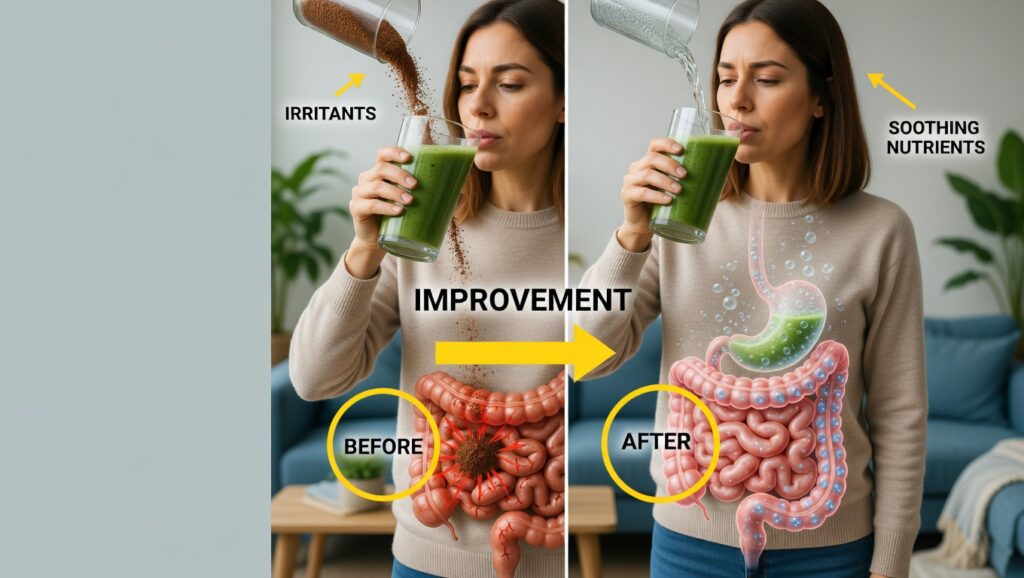
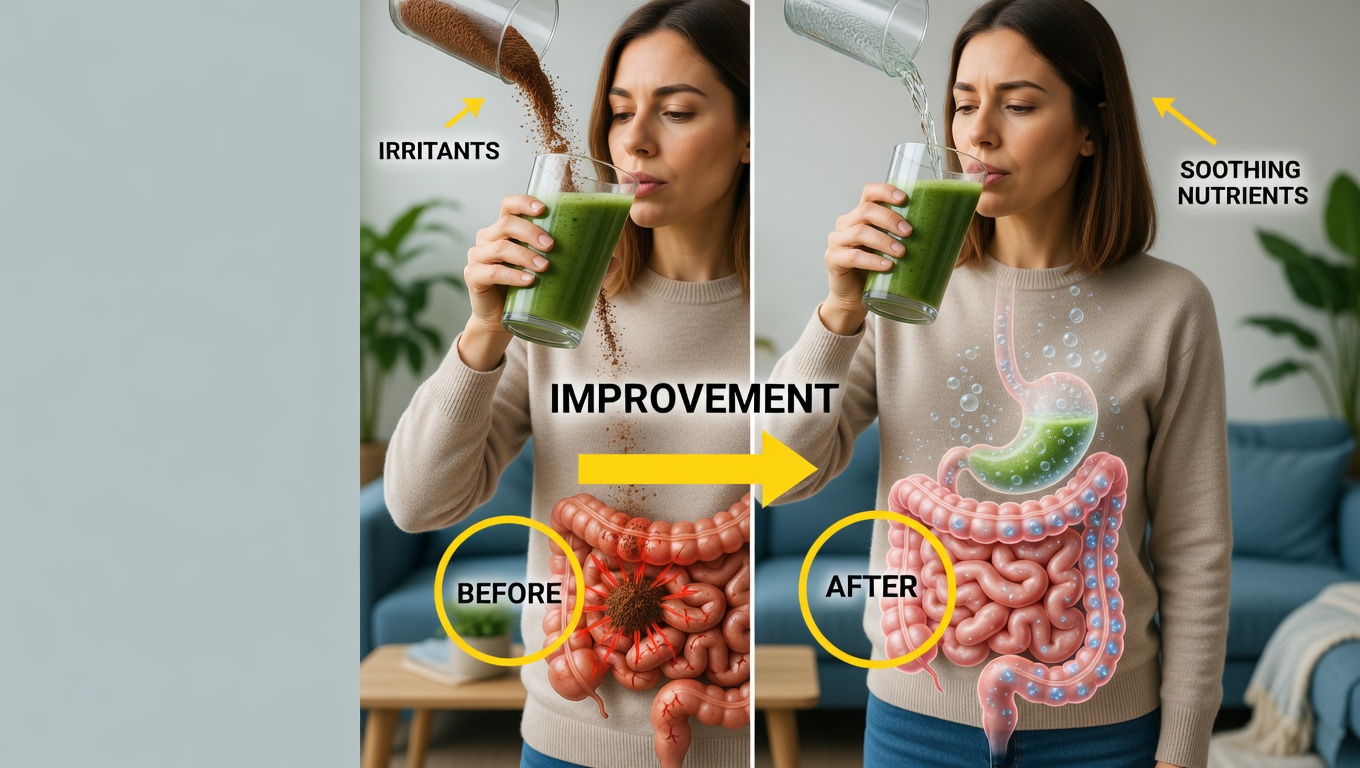
Dry fiber will still absorb water—but if it’s pulling that water from inside your gut without forming a soft gel, it can:
- increase internal pressure,
- contribute to a feeling of tightness or fullness,
- and make bloating or discomfort more likely.
If you’ve ever felt worse after eating chia seeds, chances are they weren’t fully hydrated, or your overall fluid intake was too low.
6. Hydration Is Everything: Water Makes the Magic Happen
Soluble fiber works like a sponge—it holds onto water. For chia seeds to turn into that gentle, gut-friendly gel, your body needs enough liquid to go around.
If you’re not drinking sufficient fluids:
- the gel may not form properly,
- the stool can become drier and harder,
- and pressure can build up instead of easing.
This explains why one person can feel amazing with chia while another feels uncomfortable: it’s often not about the seed itself, but about hydration status and preparation.
7. What Modern Research Really Says About Seeds and Gut Health
For many years, standard advice for people with digestive issues was to avoid nuts and seeds altogether. That old belief has been largely overturned.
Large, modern studies now show that:
- seeds and nuts are not associated with worse digestive outcomes, and
- they’re often linked to better overall gut health and function.
The confusion persists mainly because people rarely distinguish between hydrated vs. dry fiber and because we tend to think of the gut as a simple “pipe” instead of a complex pressure system.
8. Rethink Your Gut: A Pressure System, Not a Clogged Pipe
If you picture your intestines as plumbing, it’s easy to assume that more fiber equals more “clogging.” But a more accurate analogy is a pressure system:
- Dry, bulky fiber can increase pressure and strain.
- Well-hydrated, gel-like fiber (like soaked chia) helps soften and lubricate the stool, easing its passage.
This shift in perspective explains why soaked chia seeds can:
- reduce straining,
- support more comfortable bowel movements,
- and promote regularity,
whereas dry, unsoaked seeds or fiber can sometimes have the opposite effect.
9. Beyond Digestion: Blood Sugar, Fullness, and Heart Health
The benefits of chia seeds go well beyond gut comfort. That same gel that forms in your digestive tract also:
- Slows the absorption of sugars, helping to avoid sharp blood sugar spikes.
- Keeps you feeling fuller for longer, supporting appetite control and steady energy.
- Supports hormones like GLP-1, which play a role in appetite and glucose regulation.
- Binds to LDL (“bad”) cholesterol, helping carry it out of the body and supporting healthier cholesterol levels over time.
So, when prepared correctly, chia seeds become a powerful tool not only for digestion, but also for metabolic and cardiovascular health.
10. How to Use Chia Seeds the Right Way
To get all the benefits with minimal risk of discomfort, focus on preparation and hydration:
- Always soak chia seeds in plenty of liquid (water, milk, plant milk, juice, etc.) for at least 10 minutes, or until they’re fully swollen and gel-like.
- Start with small amounts if you have a sensitive gut, then gradually increase as tolerated.
- Drink water consistently throughout the day so the soluble fiber can form a soft, protective gel in your intestines.
- Mix soaked chia into smoothies, puddings, yogurt, oatmeal, or just drink them in a chia “gel” or chia drink.
The key message: It’s not the chia itself—it’s how you prepare it and how well you stay hydrated.
Conclusion: Time to Give Chia Seeds a Fair Chance
If you’ve been avoiding chia seeds because of old advice or a bad experience, it may be time to revisit them with a new approach. When properly soaked and paired with good hydration, chia seeds can:
- support smoother digestion,
- reduce gut pressure,
- help balance blood sugar,
- and benefit heart health.
Often, the difference between a comfortable gut and an uncomfortable one is as simple as soaking your seeds and sipping more water. Don’t let outdated myths or dry-chia mishaps keep you from their benefits—try them again, the right way, and share what you learn with others who might be hesitant, too.
Source: Dr. Mandell