Is Your Liver Asking for Help? 7 Early Warning Signs You Shouldn’t Ignore
Your liver might be sounding a silent alarm long before obvious disease shows up. Many people miss the early clues of a struggling liver until the damage is advanced. The upside: when you catch these warning signs early, you can often repair the damage, boost your energy, improve your metabolism, and even stabilize your mood.
This guide, inspired by the work of metabolic health expert Ben Azadi, explains how to recognize the red flags your liver is sending—and what you can do to restore liver health quickly and naturally.
Key Takeaways
- Your liver is a metabolic powerhouse: it detoxifies, burns fat, balances hormones, and supports overall energy.
- Subtle symptoms—fatigue, resistant belly fat, skin issues, brain fog, digestive problems, yellowish eyes/skin, and poor sleep—can all point to liver dysfunction.
- Smart changes in diet, lifestyle, and supplementation can help your liver repair itself—often in just a few weeks.
Below are seven early signs your liver may be in trouble and practical steps you can take.
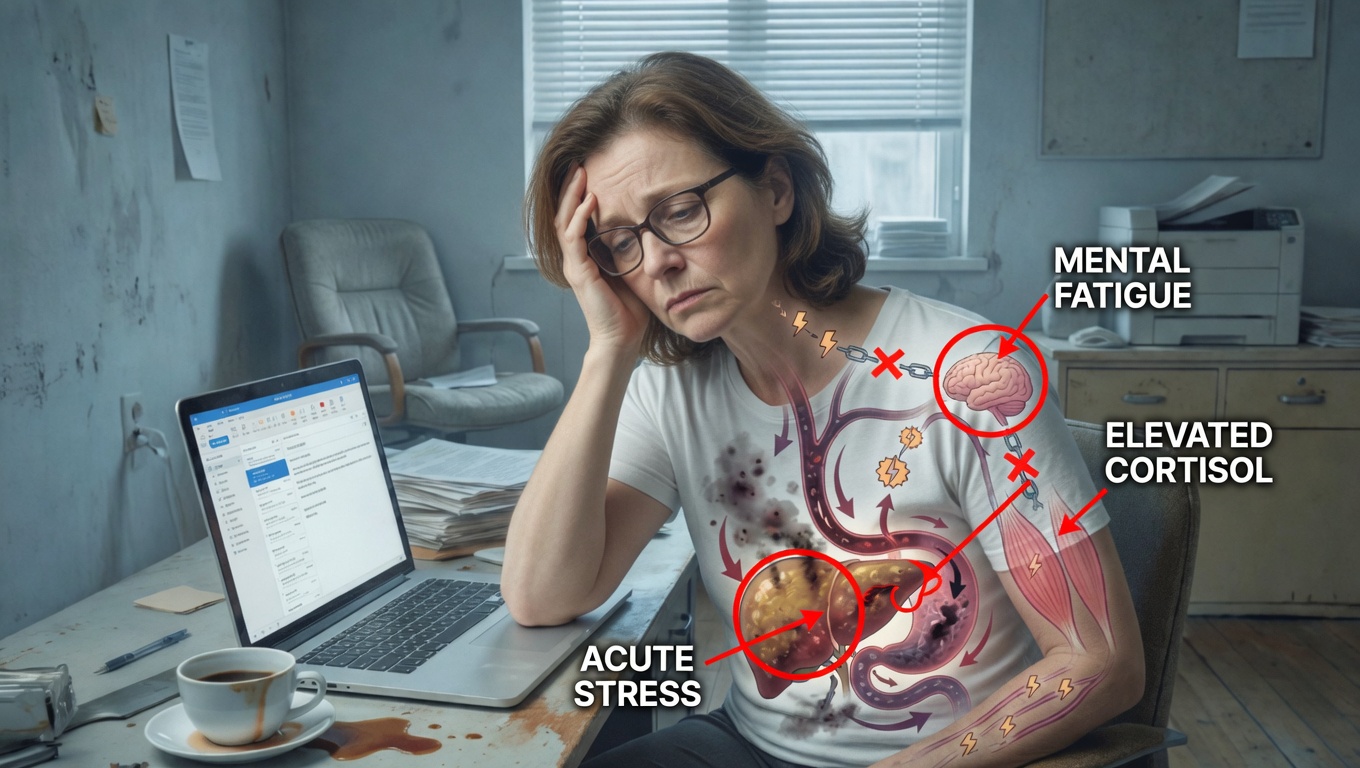
1. Constant Tiredness You Can’t Explain
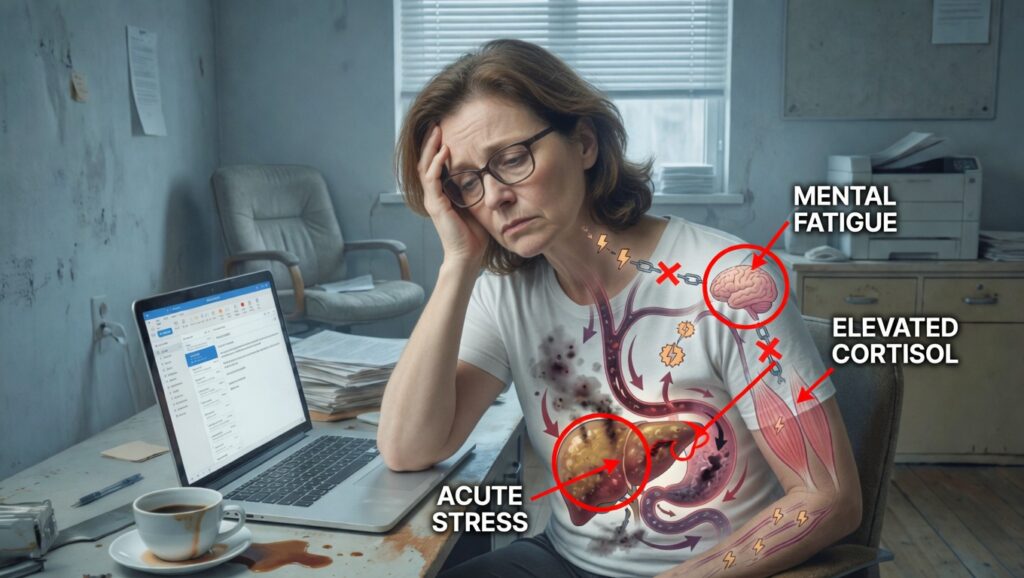
If you’re exhausted despite a full night’s sleep, or you routinely crash after meals with no clear reason, your liver may be struggling.
A healthy liver helps:
- Convert stored sugar into usable energy
- Filter toxins before they burden your body
When the liver is overloaded or sluggish:
- Energy production drops
- Toxins accumulate
- You feel drained, heavy, and “worn out” even when you’re not overexerting yourself
This is not just normal tiredness—it may be a sign your liver is having trouble keeping up with detox and energy demands.
2. Belly Fat That Refuses to Go Away
Are you eating better, moving more, and still watching your waistline expand—especially around the midsection?
Your liver plays a central role in:
- Fat burning
- Regulating insulin and blood sugar
When the liver is compromised, it can trigger insulin resistance, which causes your body to:
- Release more insulin
- Store more fat—particularly around your abdomen
If your belly fat is stubborn despite your efforts, your liver could be a major piece of the puzzle.
3. Ongoing Skin Problems and Itching
Persistent skin issues can be a window into your liver.
Watch for:
- Rashes
- Acne or frequent breakouts
- Generalized itching
- Visible spider veins
Your liver produces bile, a greenish fluid that:
- Helps digest and absorb fats
- Carries toxins and waste products out of the body
When bile becomes thick, sluggish, or backed up (sometimes called biliary sludge):
- Fat and fat-soluble nutrients aren’t properly absorbed
- Toxins can be redirected to the skin
Think of your skin as a backup detox organ. When your liver is overwhelmed, your skin may “take over,” leading to visible irritation, blemishes, and itching.
4. Brain Fog and Unstable Mood
Struggling to concentrate, feeling mentally “cloudy,” or noticing random mood swings and anxiety for no obvious reason?
The liver helps:
- Regulate and clear ammonia and other metabolic waste
- Maintain hormone balance
When liver function slows down:
- Toxins and metabolic byproducts can affect brain function
- Hormonal imbalances can contribute to mood changes
Common signs include:
- Poor focus and memory lapses
- Irritability or low mood
- Heightened anxiety or sudden mood swings
These neurological and emotional symptoms can be early indicators of liver stress.
5. Frequent Digestive Discomfort
Regular digestive complaints may signal inadequate bile production or liver strain.
Pay attention to:
- Bloating
- Nausea
- Constipation
- Discomfort or urgency after eating fatty foods
- Pale, greasy, or loose stools with oily streaks
When your liver isn’t producing enough high-quality bile:
- Fat digestion is impaired
- Toxins may linger in the gut
- Gas, bloating, and irregular bowel movements become more common
Digestive issues—especially around fat-heavy meals—are a key sign your liver and bile system may need support.
6. Yellowish Eyes or Skin (Jaundice)
A yellow tint to the whites of your eyes or your skin, even if slight, can be a serious warning.
This yellowing, known as jaundice, suggests a buildup of bilirubin, a waste product that your liver normally processes and removes.
When bilirubin accumulates, it can mean:
- Your liver is overwhelmed
- Bile flow is obstructed
- Liver cells are damaged
Jaundice is a major red flag and calls for prompt attention and evaluation.
7. Poor Sleep and Night Sweats
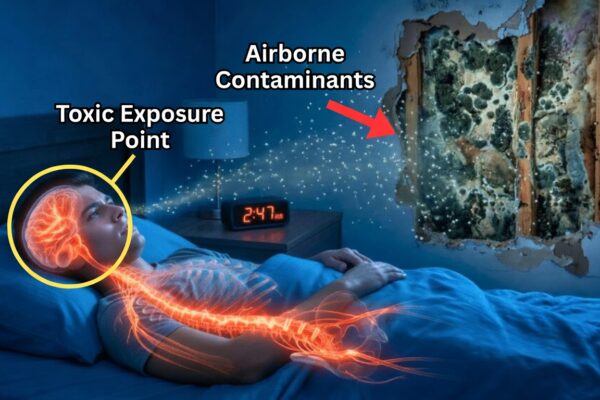
Do you frequently wake between 2:00 and 4:00 a.m., have trouble falling back asleep, or experience night sweats?
In traditional Chinese medicine, this window is considered “liver time”—when the liver is especially active in detoxification. Waking during this period or experiencing:
- Restlessness
- Night sweats
- Unexplained anxiety
may indicate the liver is working overtime or struggling to keep up with its detox responsibilities.
What’s Harming Your Liver? Top 5 Triggers to Avoid
Once you’ve recognized the signs, the next step is to understand what’s damaging your liver in the first place.
1. Inflammatory Fats (Seed and Vegetable Oils)
Common industrial seed oils include:
- Canola
- Corn
- Cottonseed
- Sunflower
- Soybean
- Safflower
- Rice bran
- Grapeseed
Even fish oil can be problematic when rancid.
These fragile fats can:
- Oxidize easily
- Lodget in liver cells for years
- Drive inflammation and liver damage
2. Excess Fructose
Unlike glucose, which many cells can use, fructose is primarily processed in the liver.
High intake of:
- Sodas and soft drinks
- Fruit juices and sugary smoothies
- Processed foods with high-fructose corn syrup
can lead directly to fatty liver disease, even in people who are not overweight.
3. Alcohol
Even moderate drinking can strain your liver.
Effects of regular alcohol use:
- Slows fat burning
- Increases fat storage in the liver
- Adds to the detox burden
A daily glass of wine or regular cocktails may seem harmless, but over time they can significantly impair liver function.
4. Over-the-Counter Painkillers
Common medications such as:
- Acetaminophen (Tylenol)
- NSAIDs like Aleve
are among the leading causes of acute liver failure in the United States.
Many people take these drugs casually for headaches or minor aches without realizing the cumulative stress they place on the liver.
5. Glyphosate and Other Pesticides
Chemicals used in conventional farming—especially on:
- Corn
- Soy
- Wheat
- Non-organic coffee
can damage the liver’s mitochondria (its energy factories) and contribute to fatty liver.
Choosing cleaner, organic options where possible reduces your exposure to these liver-harming toxins.
7 Powerful Ways to Support and Heal Your Liver
The liver has an extraordinary ability to regenerate when given the right conditions. Here are science-backed strategies to help it recover.
1. Swap to Liver-Friendly Fats
Replace inflammatory seed oils with stable, whole-food fats such as:
- Coconut oil
- Butter and ghee
- Beef tallow
- Duck fat
- Lard from healthy, pastured animals
- Extra-virgin olive oil
- Avocado oil
These fats:
- Support hormone and cell membrane health
- Reduce inflammation
- Help your body shift into a more efficient fat-burning mode
2. Prioritize High-Quality Protein
Proteins supply amino acids your liver needs to:
- Detoxify harmful substances
- Repair damaged tissue
- Build enzymes and transport molecules
Helpful sources include:
- Bone broth
- Collagen
- Eggs (with the yolk)
- Grass-fed or pasture-raised meats
Aim to include a solid source of quality protein at each meal.
3. Add Bitter and Sulfur-Rich Foods
Bitter foods stimulate bile production and flow, supporting digestion and detox.
Great options:
- Arugula and other bitter greens
- Milk thistle tea
- Ginger
- Lemon and lime
- Radishes and radicchio
- Organic coffee (in moderation)
Sulfur-rich foods help power your liver’s detox pathways:
- Onions
- Garlic
- Broccoli
- Brussels sprouts
- Cauliflower
Include these regularly to keep detox enzymes working efficiently.
4. Use Apple Cider Vinegar Strategically
Taking 1–2 tablespoons of apple cider vinegar (ACV) diluted in water about 30 minutes before your largest meal can:
- Stimulate healthy bile flow
- Improve fat digestion
- Support balanced blood sugar
Combine this with a gentle walk after eating to further enhance digestion and metabolic health.
5. Embrace Fasting and Ketosis
Structured periods without food give your liver a chance to rest and repair.
Helpful approaches:
- Daily intermittent fasting: 12–18 hours with no calories (for example, from dinner to a late breakfast or early lunch)
- Low-carb, high-fat eating (ketosis): reduces liver fat, calms inflammation, and encourages your body to use fat for fuel
Always adjust fasting and keto strategies to your personal health status and, if needed, consult a professional before making major changes.
6. Sweat to Lighten Your Liver’s Load
Sweating is another way your body eliminates toxins, reducing the burden on your liver.
Effective methods:
- Saunas (infrared, steam, or traditional dry sauna)
- Regular exercise that gets you sweating
- Outdoor activities like brisk walking, running, or cycling
Aim for:
- Around 150 minutes per week of sauna time if available, or
- Consistent physical activity that raises your heart rate and induces a light sweat
7. Consider Targeted Supplements
Two well-researched supplements for liver support include:
-
TUDCA (Tauroursodeoxycholic acid)
- Supports bile duct health
- Promotes proper bile flow
- Helps protect and repair liver cells
-
Phosphatidylcholine
- Essential component of cell membranes
- Supports fat metabolism and prevents fat from accumulating in the liver
Always consult a qualified healthcare practitioner before beginning any supplement protocol, especially if you are on medications or have an existing medical condition.
Frequently Asked Questions About Liver Health
How Fast Can the Liver Heal?
The liver is one of the most regenerative organs in the body. Much like a lizard regrowing its tail, it can rebuild itself even after significant damage.
Many people notice:
- Increased energy
- Better digestion
- Clearer skin
within a few weeks of consistent lifestyle changes, with continued improvement over several months.
Which Blood Tests Should I Request?
Important lab markers for liver health include:
- ALT (Alanine aminotransferase)
- AST (Aspartate aminotransferase)
- GGT (Gamma-glutamyl transferase)
In addition, an abdominal ultrasound can show:
- Signs of fatty liver
- Structural changes
- Bile duct issues
Discuss these tests with your healthcare provider if you suspect liver problems.
Can Fatty Liver Be Reversed?
Yes. In many cases, fatty liver disease is reversible, especially when addressed early.
With:
- Reduced sugar and alcohol intake
- Removal of inflammatory oils
- Increased whole foods, movement, and targeted support
liver fat can diminish and normal function can often be restored.
Will Better Liver Health Improve My Skin?
For many individuals, supporting liver function leads to noticeable improvements in:
- Acne
- Eczema
- General redness or irritation
Because the liver and skin share detox responsibilities, a cleaner, more efficient liver frequently results in clearer, healthier-looking skin.
Conclusion: Listen to Your Liver Before It Shouts
Your liver works around the clock—detoxifying chemicals, burning fat, balancing hormones, and keeping your energy stable. When it begins to struggle, your entire body feels the effects.
By:
- Recognizing early signs like fatigue, stubborn belly fat, skin issues, brain fog, digestive problems, yellowing eyes/skin, and poor sleep
- Removing common liver toxins
- Adding liver-supportive foods, habits, and supplements
you can help your liver regenerate and restore your vitality.
Every positive change counts. Your liver, like that lizard’s tail, is ready to regrow and renew. The best time to support it is now—start today.
Source: Ben Azadi