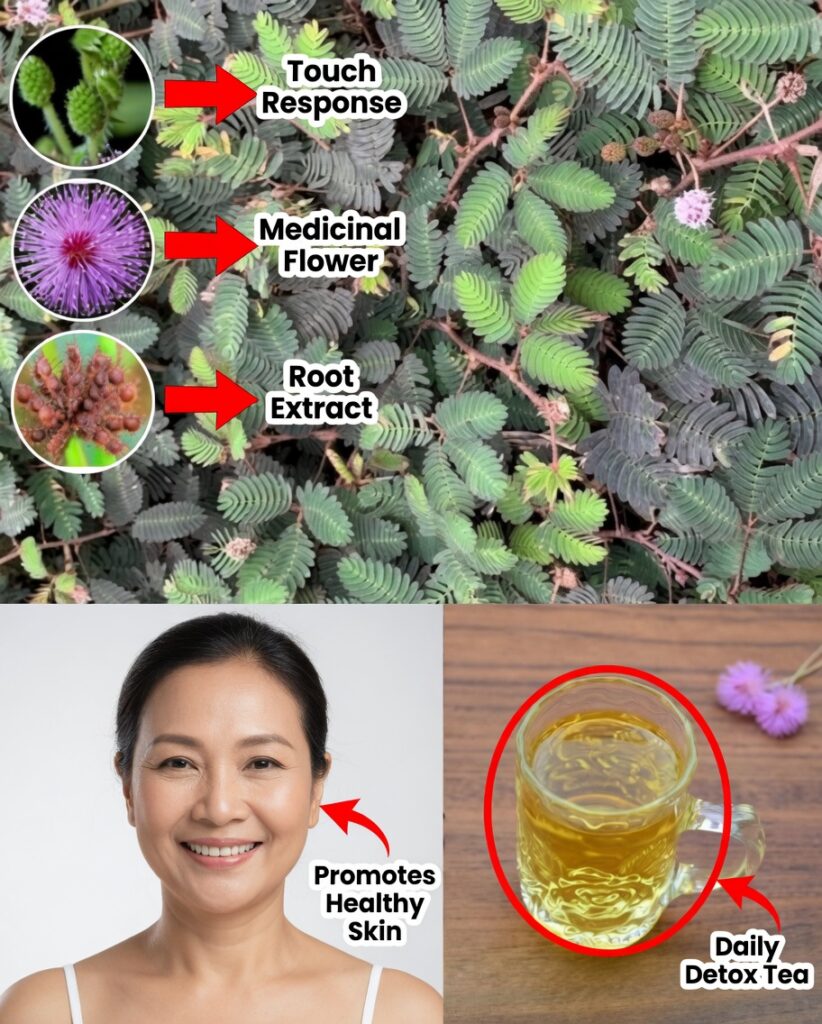
Mimosa Pudica (Sensitive Plant): Benefits, Uses, and Safety
Mimosa pudica—often called the sensitive plant, touch-me-not, or “dormideira” in Portuguese—is famous for folding its leaves when touched. Yet beyond this intriguing movement, it has a long history in traditional herbal medicine. Native to Central and South America, this modest plant has been valued for generations for its potential therapeutic effects.
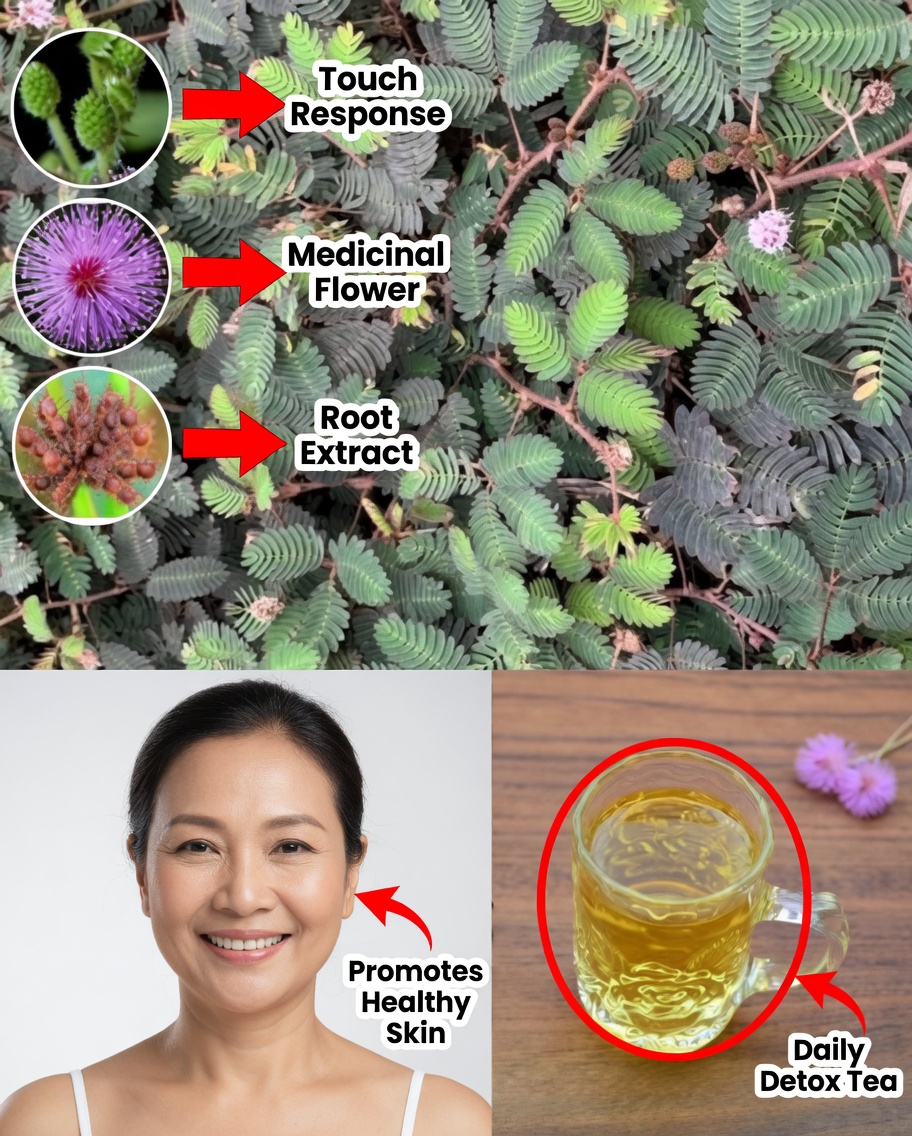
Its leaf-closing behavior may draw attention, but its real appeal is the broad range of wellness uses attributed to it. Below are 10 potential health benefits of Mimosa pudica, followed by practical ways to use it at home.
10 Health Benefits of Mimosa Pudica
1. Helps Reduce Inflammation
Mimosa pudica is widely described as having anti-inflammatory properties. Used externally or taken internally, it may help soothe swelling and discomfort linked to issues like joint stiffness, muscle aches, and inflammatory conditions.
2. Supports Liver Function
This plant is often noted for hepatoprotective (liver-protecting) potential. Traditional use suggests it may assist the body’s natural detox processes and help maintain overall liver health.
3. Promotes Digestive Comfort
Mimosa pudica is commonly used to support the digestive system. It may help with irregular bowel movements, including constipation and diarrhea, while also calming irritation in the digestive tract.
4. Antimicrobial and Antiviral Potential
Research and traditional use indicate Mimosa pudica may offer antimicrobial and antiviral effects. It is sometimes used to help protect minor wounds from infection and to support the body during certain infectious conditions.
5. Encourages Relaxation and Better Sleep
For people dealing with stress, nervous tension, anxiety, or insomnia, Mimosa pudica is traditionally considered a mild sedative and relaxant, potentially helping the nervous system settle and improving sleep quality.
6. Supports Oral and Gum Health
Thanks to its antibacterial activity, Mimosa pudica is also used in natural oral care. As a rinse or gargle, it may help ease gum irritation and support a healthier mouth and throat environment.
7. Aids Wound Healing
When used topically, Mimosa pudica is traditionally applied to assist with cuts, sores, and minor skin infections. Its combination of soothing and antimicrobial qualities may help the skin recover faster.
8. Menstrual and PMS Relief
Some women use Mimosa pudica to help manage menstrual cramps and PMS symptoms, such as discomfort and irritability. It is also traditionally associated with supporting a more regular cycle.
9. Comfort for Hemorrhoids
Mimosa pudica may help relieve hemorrhoid discomfort by calming irritation and reducing inflammation, whether applied externally or used internally under appropriate guidance.
10. Antioxidant Support
The plant contains antioxidants that help defend against oxidative stress, a factor connected to aging and many long-term health concerns. Antioxidant activity supports overall wellness and cellular protection.
How to Use Mimosa Pudica: 5 Practical Applications
1. Mimosa Pudica Herbal Tea
A straightforward option for daily wellness is Mimosa pudica tea.
- How to prepare: Simmer 1 teaspoon of dried leaves in 1 cup of water for about 10 minutes. Strain and let cool slightly before drinking.
- Common uses: Digestive support, relaxation, stress, and sleep concerns.
2. Topical Poultice for Skin
A poultice is a traditional method for addressing minor wounds, sores, or irritation.
- How to prepare: Crush fresh leaves and stems into a paste. Apply directly to the affected area and cover with a clean cloth. Leave on for a few hours, then rinse.
- How often: Repeat as needed.
3. Gargle or Mouth Rinse
Used as a rinse, Mimosa pudica may support mouth, gum, and throat comfort.
- How to prepare: Boil a handful of leaves in water, allow it to cool, then gargle or swish as a mouthwash.
- Common uses: Mouth inflammation, gum irritation, and throat discomfort.
4. Bath Soak for Relaxation
A bath soak is a gentle approach for skin support and overall calm.
- How to prepare: Add a handful of dried leaves (or a few drops of extract, if available) to warm bathwater. Soak for 20–30 minutes.
- Common uses: Relaxation, soothing tired muscles, and calming irritated skin.
5. Capsules or Powder
For convenience, Mimosa pudica is also sold as capsules or powdered supplements.
- How to use: Follow label directions carefully because potency varies by product.
- Common uses: Digestive support, liver wellness, and inflammation management.
Disclaimer and Safety Notes
Although Mimosa pudica is associated with many traditional benefits, it should be used responsibly. Pregnant or breastfeeding women should avoid it unless advised by a qualified professional. Anyone with medical conditions or those taking medications should consult a healthcare provider before use. Overuse may lead to unwanted effects, so stick to recommended amounts.
Conclusion
Mimosa pudica is far more than a plant that “reacts” when touched—it’s also a respected botanical in traditional wellness practices. From inflammation support and digestive comfort to oral care and skin applications, it offers a wide range of uses. Whether you choose tea, topical preparations, baths, or supplements, the key is to use Mimosa pudica thoughtfully and seek professional guidance when needed.