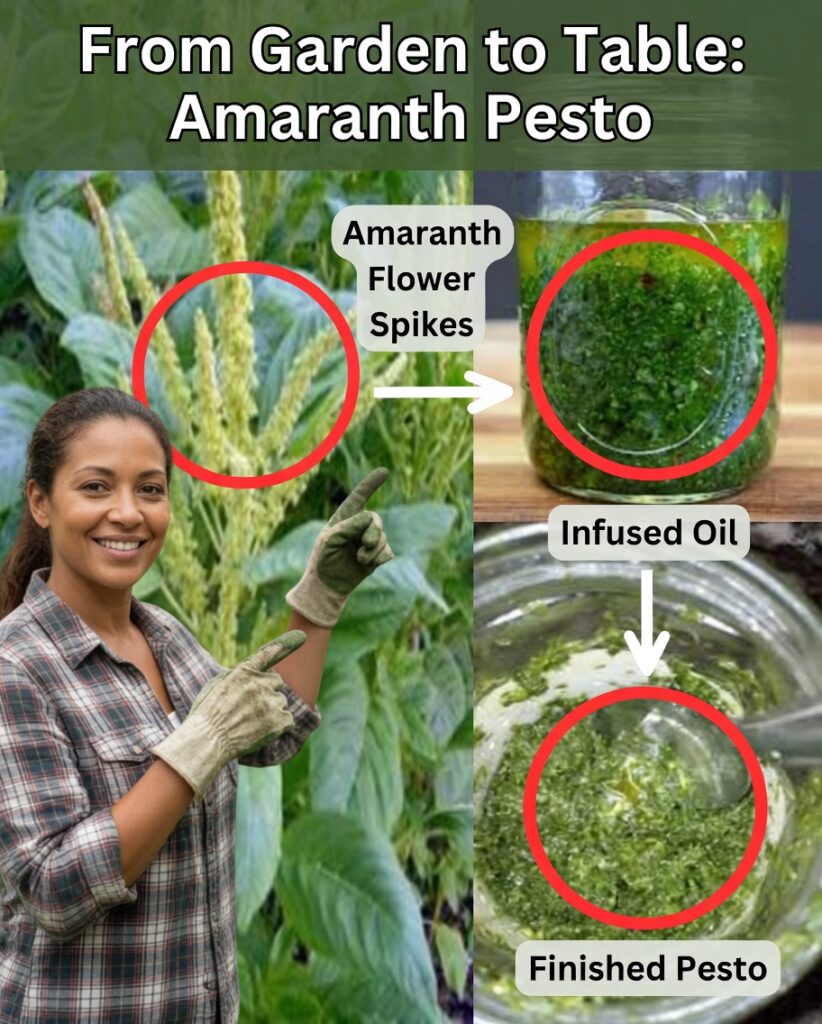
Pigweed Greens (Amaranthus spp.): A Nutrient-Dense Leafy Green Worth Eating
Pigweed greens, also called amaranth greens (Amaranthus spp.), have been eaten for generations across many cuisines. Although pigweed is often labeled a “weed” in some areas, the leaves are highly nutritious—offering a strong mix of vitamins, minerals, antioxidants, and plant compounds that support whole-body health. When prepared properly, pigweed greens can be a practical, affordable way to add more micronutrients to everyday meals.
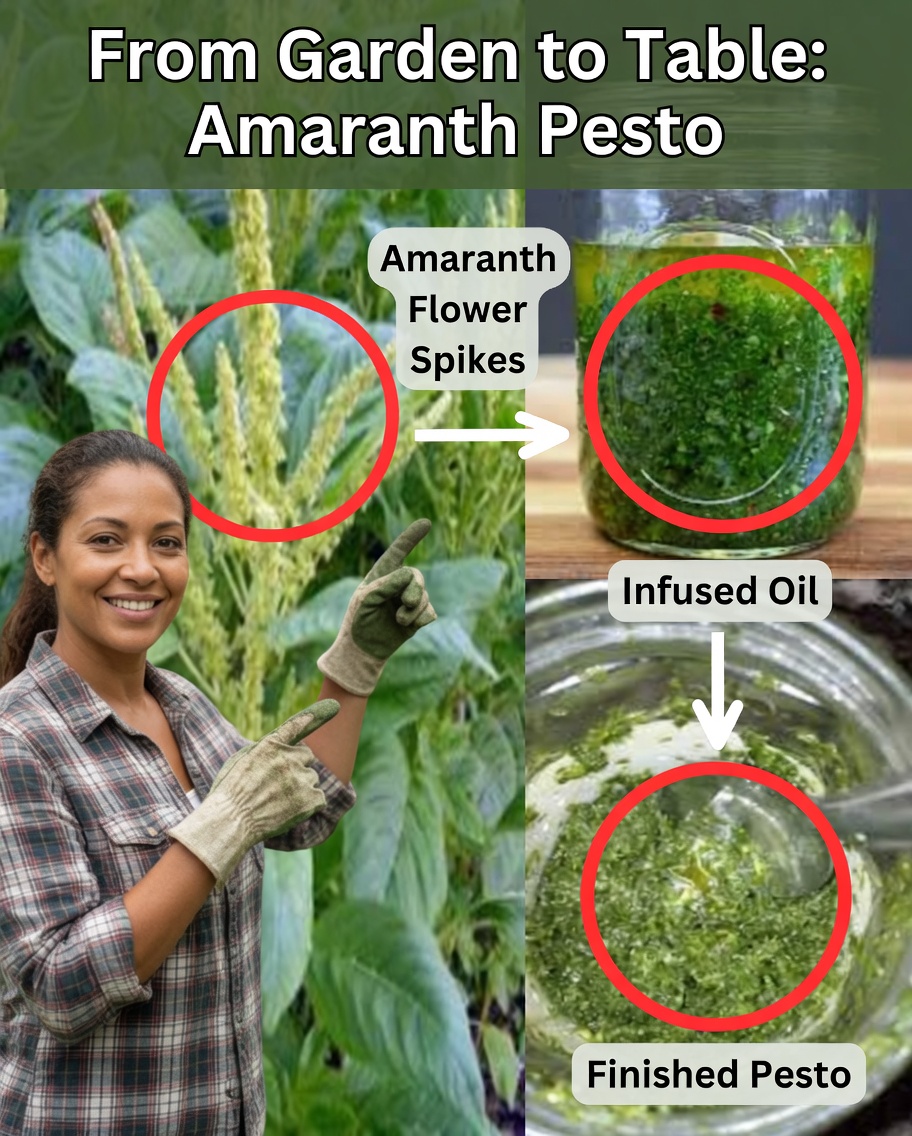
Top 10 Health Benefits of Pigweed Greens
1) Supports cardiovascular health
Pigweed greens provide potassium, magnesium, and fiber, nutrients known to support healthy blood pressure and cholesterol balance. Their antioxidant content may also help lower oxidative stress, a key factor linked to heart disease risk.
- Easy idea: Steam or sauté the leaves and serve as a side dish with meals.
2) Strengthens bones and helps protect against osteoporosis
These leafy greens contain calcium, phosphorus, and vitamin K, which work together to support bone strength and bone mineral density—important for long-term skeletal health.
- Easy idea: Stir fresh or cooked pigweed into soups, stews, or blended green drinks.
3) Boosts immune defenses
With nutrients such as vitamin C and zinc, plus protective antioxidants, pigweed greens can help support the immune system’s ability to respond to common infections.
- Easy idea: Add tender leaves to salads or prepare a simple herbal infusion using the leaves.
4) Promotes digestion and gut health
Pigweed greens are a good source of dietary fiber, which helps maintain regular bowel movements and supports a healthier gut microbiome. Fiber can also contribute to smoother digestion and improved nutrient absorption.
- Easy idea: Sauté pigweed with garlic and a small amount of olive oil for a gut-friendly vegetable dish.
5) Helps manage blood sugar levels
Pigweed contains plant compounds that may support healthier glucose control by helping reduce rapid spikes after meals. This can be useful for people managing blood sugar or aiming to lower their risk of type 2 diabetes.
- Easy idea: Mix cooked pigweed into soups, stir-fries, or vegetable blends.
6) Supports eye health and vision
Pigweed greens supply vitamin A and carotenoids like lutein and zeaxanthin, which are associated with eye protection and may help lower the risk of age-related vision issues.
- Easy idea: Add a handful to smoothies or include the leaves in daily salads.
7) Assists natural detox processes (liver and kidneys)
Pigweed greens contain chlorophyll and other phytonutrients that support the body’s natural detox pathways, including normal liver and kidney function.
- Easy idea: Simmer the leaves in water to make a warm, mild “greens tea.”
8) Helps reduce inflammation and joint discomfort
Certain compounds in pigweed greens—such as flavonoids and beneficial fats—may support the body’s inflammatory balance, which can be helpful for people dealing with joint stiffness or general soreness.
- Easy idea: Eat pigweed regularly in broths, soups, or light herbal infusions.
9) Supports weight management and metabolism
Because pigweed greens are low in calories and high in fiber, they can help you feel full and satisfied while still delivering valuable nutrients—useful for weight-control meal plans.
- Easy idea: Blend into detox-style smoothies or use raw young leaves in salads.
10) Promotes healthier skin and hair
Pigweed greens offer vitamins C and E along with antioxidants that support collagen protection, skin resilience, and overall hair and scalp nourishment.
- Easy idea: Drink a mild pigweed infusion or include the greens frequently in meals to support skin and hair from within.
How to Eat Pigweed Greens: Simple Ways to Add Them to Meals
- Sautéed pigweed greens: Cook with garlic, onions, and olive oil for a quick side.
- Pigweed leaf tea/infusion: Boil or steep clean leaves in water and drink warm.
- Green smoothies: Blend with fruits (banana, mango) and other vegetables.
- Soups and stews: Stir into lentil soup, vegetable stews, and curries near the end of cooking.
- Fresh salads: Use young, tender leaves with cucumber, tomato, and lemon juice.
Precautions and Possible Side Effects
- Oxalates: Pigweed greens can contain oxalates, so people prone to kidney stones should avoid large amounts and ask a healthcare professional for guidance.
- Blood thinners: Because pigweed contains vitamin K, anyone using blood-thinning medication should consult a clinician before making it a daily staple.
- Food safety: Wash leaves carefully to remove dirt and potential pesticide residue, and source from clean areas.
Conclusion
Pigweed greens (amaranth greens) are a nutrient-rich leafy vegetable with broad wellness benefits—from heart and bone support to digestive health, immune function, and skin and hair nourishment. With a few simple cooking methods, this often-overlooked plant can become a valuable part of a balanced, nutrient-focused diet.