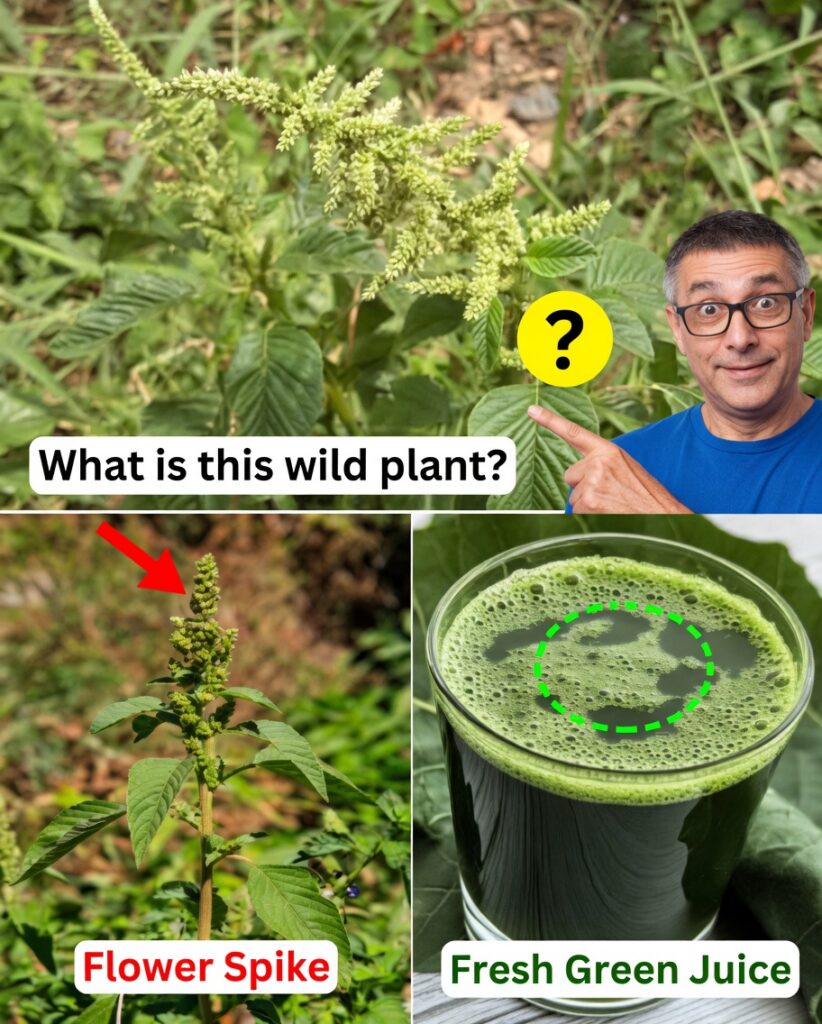
Purslane: The “Weed” That’s Actually a Superfood
Purslane is often pulled from gardens and tossed aside as a nuisance. In reality, this humble plant is a nutrient-dense edible green that has been used for centuries in traditional remedies and everyday cooking. Known scientifically as Portulaca oleracea, purslane is a succulent leaf packed with vitamins, minerals, antioxidants, and plant-based omega‑3 fatty acids—a powerful combination that makes it worthy of a regular spot on your plate.
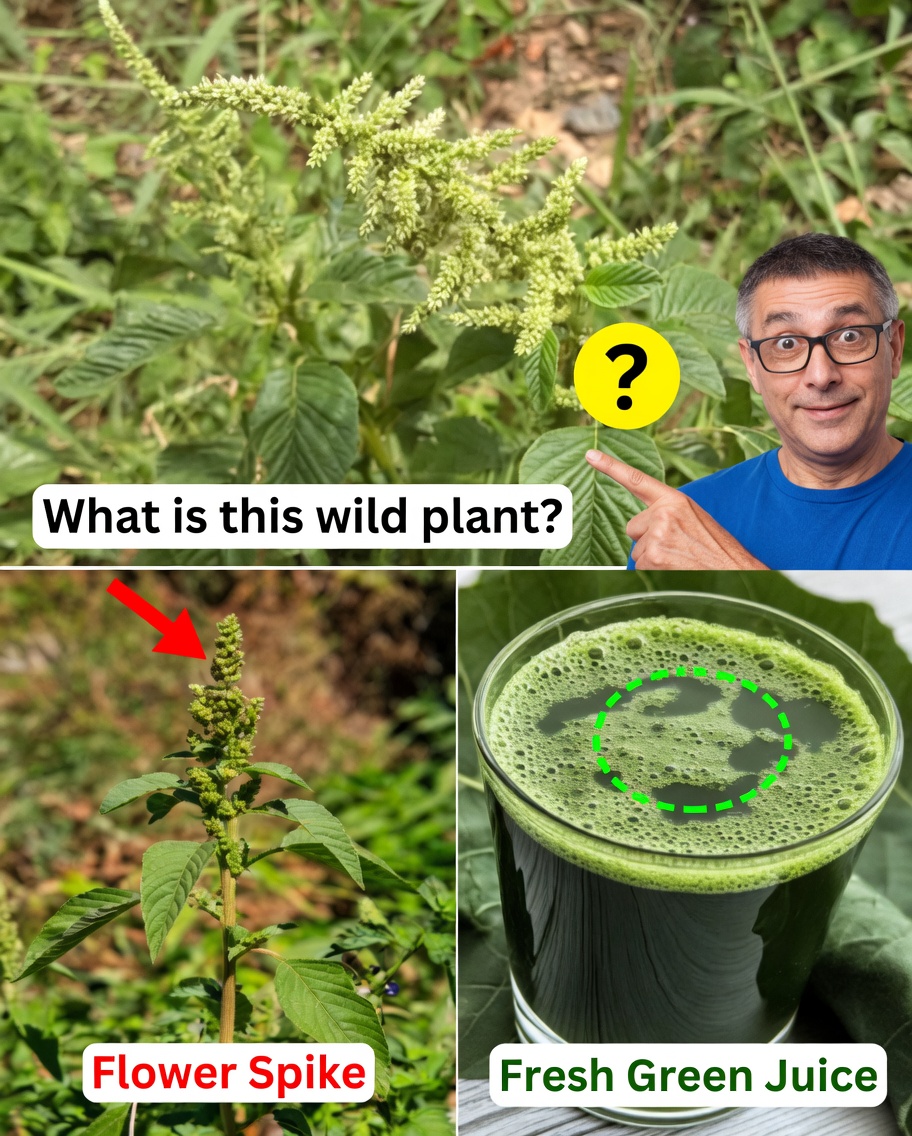
Below are the top 10 health benefits of purslane, plus easy, practical ways to add it to meals.
Top 10 Health Benefits of Purslane
1. High in Plant-Based Omega‑3s
Purslane is considered one of the best plant sources of omega‑3 fatty acids, especially alpha-linolenic acid (ALA). Omega‑3s support heart health, brain function, and inflammation control, making purslane especially useful for vegetarians and vegans looking to increase omega‑3 intake from food.
2. Supports Cardiovascular Health
Thanks to its mix of omega‑3s, potassium, and antioxidants, purslane may help support healthy cholesterol levels, assist with blood pressure balance, and promote better circulation—all important factors for long-term heart health.
3. Helps Reduce Inflammation
Purslane contains naturally occurring compounds with anti-inflammatory properties. Adding it to an anti-inflammatory eating pattern may help ease discomfort linked with arthritis, chronic aches, and inflammatory conditions, while supporting overall joint comfort and mobility.
4. Useful for Weight Management
This green is low in calories yet provides fiber, which can help you feel satisfied longer. Fiber also supports digestion and may help maintain steadier blood sugar levels, making purslane a smart choice for people focused on healthy weight goals or diabetes-friendly meals.
5. Loaded With Antioxidants
Purslane delivers a strong antioxidant lineup, including vitamins A, C, and E, plus beta-carotene and glutathione. These nutrients help fight oxidative stress, protect cells, and support overall wellness—often associated with healthy aging and reduced risk of long-term health issues.
6. Promotes Eye Health
With its high amounts of vitamin A and beta-carotene, purslane supports vision health and may help lower the risk of age-related eye problems such as macular degeneration. Eating vitamin A-rich greens regularly can contribute to stronger, more resilient eyesight.
7. Strengthens Bones
Purslane contains key bone-supporting nutrients such as calcium, magnesium, and vitamin K. Together, these help maintain bone density and may support prevention strategies against osteoporosis over time.
8. Boosts Immune Function
The vitamin C in purslane supports immune defenses by helping the body respond to everyday threats like colds and seasonal viruses. Purslane also contains natural compounds with antibacterial activity, contributing to overall immune resilience.
9. Supports Digestion and Gut Health
Purslane has a naturally gel-like (mucilaginous) texture that may help soothe the digestive tract. Combined with its fiber content, it can support regularity, ease occasional constipation, and encourage a healthier gut microbiome.
10. Nourishes Skin and Supports Healing
Purslane offers hydrating plant compounds, essential nutrients, and antioxidants that may contribute to healthier-looking skin. Traditionally, it has also been used for its skin-soothing and wound-supporting properties, helpful for minor irritations, small cuts, and superficial burns.
How to Eat Purslane: Simple Ways to Add It to Meals
Purslane has a mild, slightly tangy flavor and a crisp, juicy bite, making it easy to use in both raw and cooked dishes.
- Salads: Toss fresh leaves into salads for a refreshing crunch
- Smoothies: Blend a handful into green smoothies for extra nutrients
- Stir-fries: Add near the end for texture and a bright, fresh taste
- Soups and stews: Stir in right before serving to preserve nutrients
- Wraps: Use larger leaves as a fresh alternative to tortillas or bread
Purslane Green Smoothie Recipe
Ingredients
- 1 handful fresh purslane, washed well
- 1 banana (for natural sweetness)
- 1/2 cup spinach or kale
- 1/2 apple or pear
- 1/2 cucumber (for hydration)
- 1 tablespoon chia seeds or flaxseeds (optional)
- 1 cup coconut water or almond milk
- 1 teaspoon honey or maple syrup (optional)
- Ice cubes (optional)
Instructions
- Rinse purslane thoroughly to remove grit.
- Add all ingredients to a blender.
- Blend until smooth and creamy.
- Pour into a glass and enjoy your nutrient-rich green smoothie.
Harvesting and Foraging Tips for Purslane
- Choose young, tender leaves for the best taste and texture
- Avoid gathering purslane from roadsides or polluted areas, as plants can absorb contaminants
- Wash well before eating to remove dirt and residue
Final Thoughts: Why Purslane Deserves a Place on Your Plate
Purslane is one of nutrition’s most overlooked treasures—easy to find, simple to cook, and loaded with health-supporting nutrients. Whether you eat it raw in salads, blended into smoothies, or added to warm dishes, this underrated edible plant can be a delicious way to upgrade everyday meals.
Add purslane to your routine and explore its benefits—then share the discovery so others can enjoy this remarkable green too.