Diabetes affects more than blood sugar levels—it can also show up through early warning signs in your feet. Paying attention to small changes can help you spot diabetes-related complications sooner and take action before problems become severe.
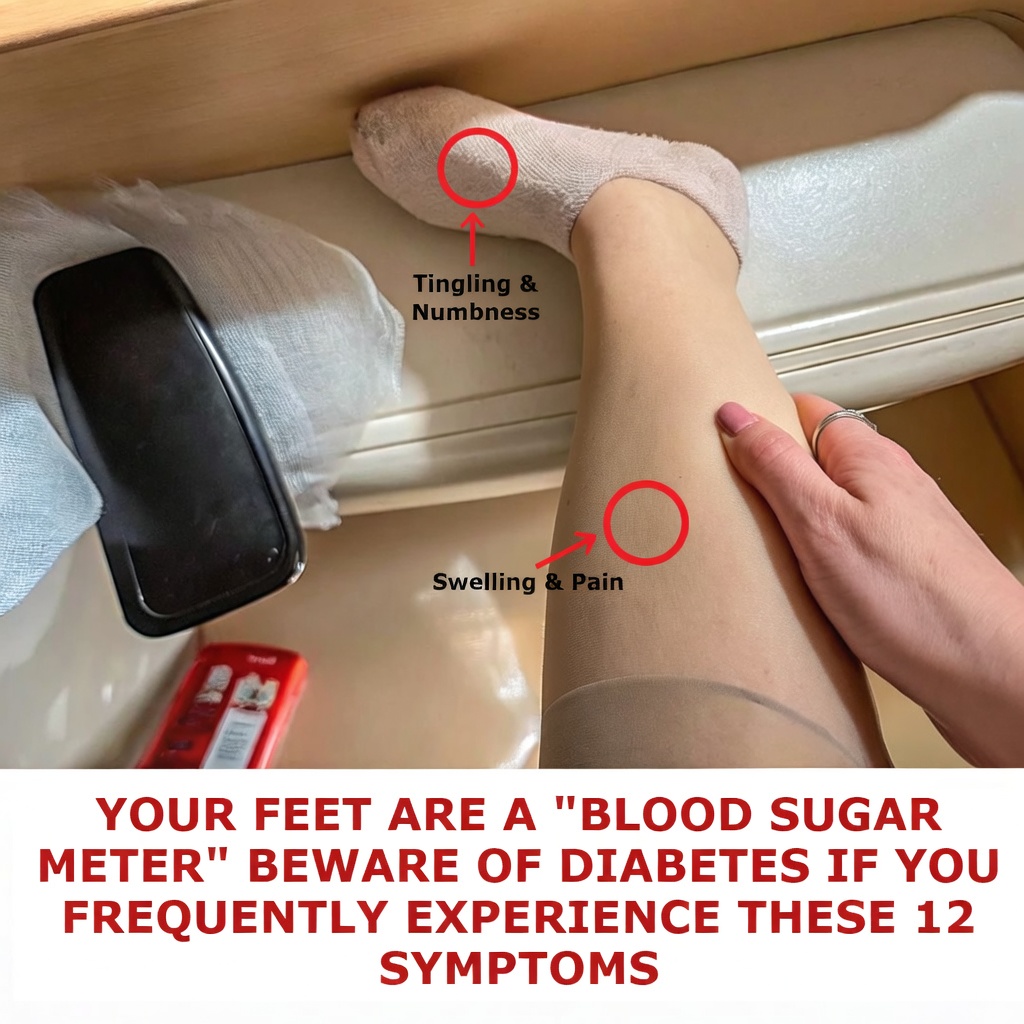
10 Foot Symptoms That May Signal Diabetes or Diabetic Complications
1. Numbness or Tingling (Peripheral Neuropathy)
A burning sensation, tingling, or “pins and needles” in the feet may point to peripheral neuropathy, a common diabetes complication caused by nerve damage.
2. Cold Feet (Poor Circulation)
Feet that frequently feel cold can be a sign of reduced blood flow, which may be linked to diabetes-related circulation and vascular problems.
3. Cuts or Blisters That Heal Slowly
When minor wounds take an unusually long time to heal, it may indicate high blood sugar and poor circulation, both of which can slow the body’s natural repair process.
4. Dry Skin and Cracked Heels
Diabetes can contribute to dehydration and make it harder for skin to hold moisture. The heels are especially prone to becoming dry, rough, or cracked.
5. Foot Pain or Muscle Cramps
Nerve damage from diabetes may trigger sharp pain, shooting discomfort, or cramps in the feet, even while resting.
6. Ongoing Foot Swelling
Persistent swelling in the feet or ankles can be related to circulation issues, nerve problems, or complications such as kidney disease, which can occur alongside diabetes.
7. Changes in Foot Skin Color
Redness, darkened areas, or a bluish tint may suggest poor oxygen delivery, circulation issues, or possible early infection.
8. Hair Loss on Toes or Feet
Less hair growth on the toes or feet can be a sign of reduced blood supply, often associated with diabetes and peripheral artery disease (PAD).
9. Frequent Fungal Infections
People with diabetes may be more likely to develop fungal problems like athlete’s foot or toenail fungus, especially when the immune system is under strain and the environment is warm and moist.
10. Foot Ulcers or Open Sores
When wounds are left untreated, they can develop into diabetic foot ulcers, a serious complication that needs prompt medical care to prevent infection and, in severe cases, amputation.
Foot Care Advice for People With Diabetes (or at Risk)
- Check your feet daily for cuts, redness, swelling, blisters, or color changes.
- Prioritize blood sugar control, since it supports healing and helps protect nerves and blood vessels.
- Keep up with regular checkups, including foot exams, to catch problems early.
Early attention is one of the best ways to prevent serious diabetic foot complications.