Tiredness, swelling, skin changes? Your body may be asking for help — discover simple natural steps you can start today
Many women notice small day-to-day changes in their bodies and brush them off as stress, a busy routine, or getting older. But what if some of these “minor” signs are actually your body’s way of warning you that something needs attention? Read to the end — you may be surprised by what these symptoms can signal and how simple habits can support your health.
Why visible body changes matter
Your body communicates all the time. Most signals are harmless and temporary, but persistent or unexplained changes deserve a closer look. Recognizing symptoms early can make it easier to seek medical guidance and understand what’s really happening.
14 signs you shouldn’t ignore
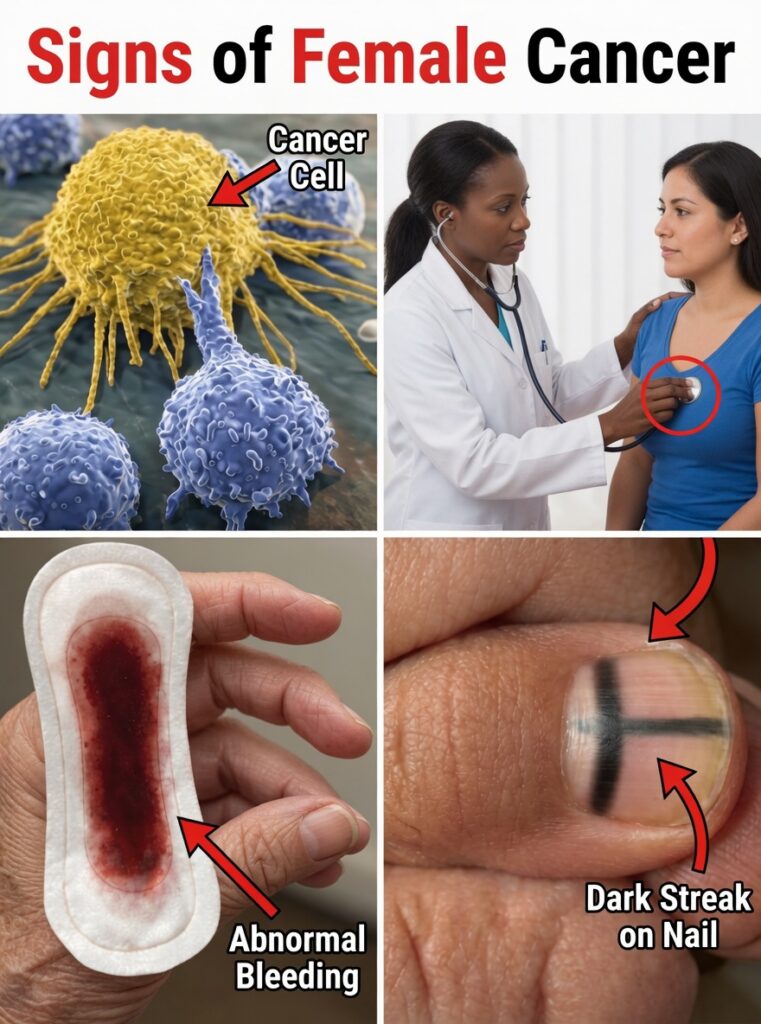
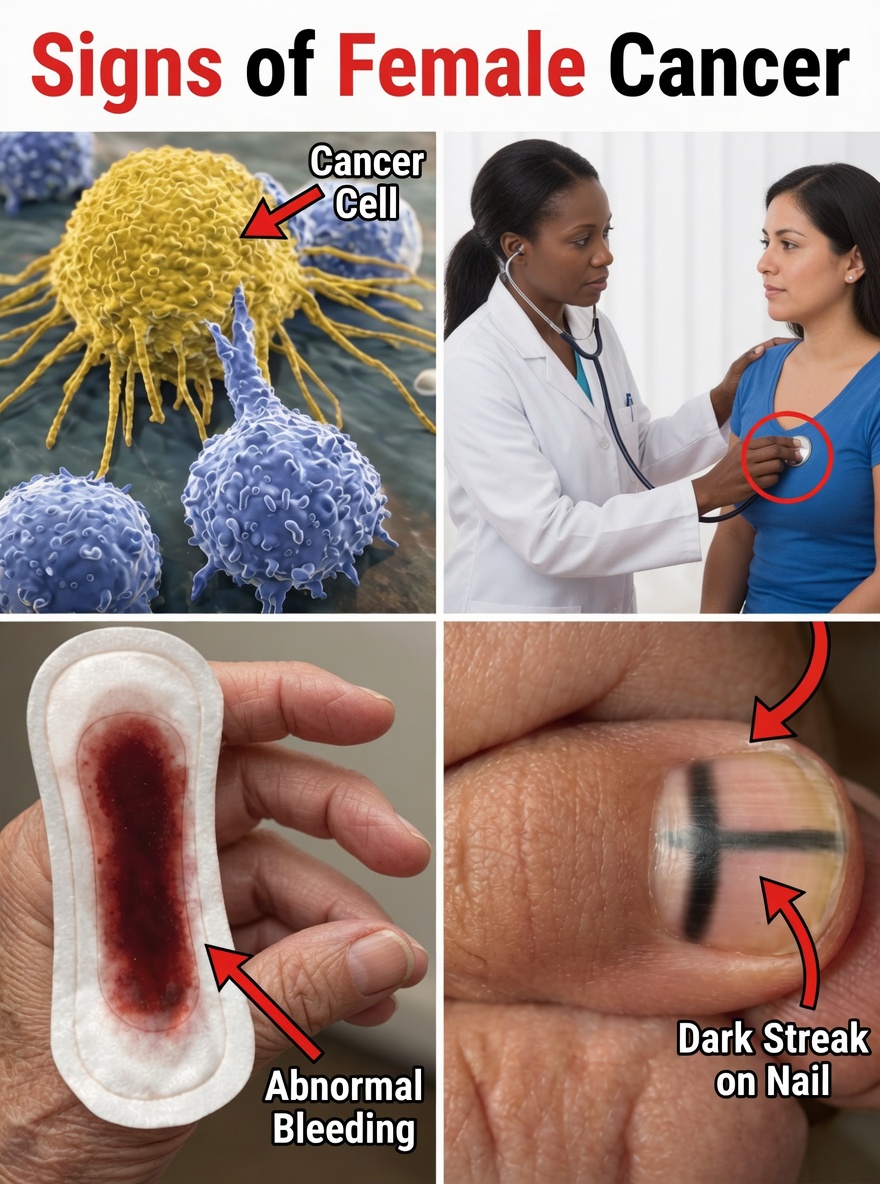
1. Breast changes
Pay attention to:
- Skin dimpling or a “peau d’orange” (orange peel) texture
- Redness, swelling, or warmth
- A nipple turning inward (inversion)
- Unusual discharge
2. Unusual bleeding
Do not dismiss:
- Bleeding between periods
- Bleeding after menopause
- Very heavy menstrual flow
3. Ongoing abdominal bloating
A constant bloated belly — even when you haven’t eaten much — can be important, especially if it lasts for weeks.
4. Unexplained weight loss
Losing weight without changes in diet, activity, or lifestyle should be checked.
5. Extreme fatigue
Tiredness that doesn’t improve with rest may mean your body is struggling with an underlying issue.
6. Skin changes
Watch for:
- New moles
- Moles that change in size, color, shape, or border
7. Nail changes
Seemingly simple nail issues may need evaluation, such as:
- Dark streaks
- Increased brittleness
- Nail lifting or separating
8. Bowel or urinary changes
Take note of:
- Blood in stool
- Persistent constipation
- Frequent or unusual urinary changes
9. Ongoing pelvic pain or pressure
Continuous pelvic discomfort not linked to your menstrual cycle should be investigated.
10. Frequent bruising
Bruises appearing without clear reason, or bleeding more easily than usual, should not be overlooked.
11. A cough that won’t go away
A cough or hoarseness lasting for weeks can be a sign worth discussing with a professional.
12. Trouble swallowing
Feeling like food gets stuck, or ongoing heartburn, deserves attention.
13. Frequent infections
Recurring fevers or night sweats can be signals that your body is under stress.
14. Mouth sores that don’t heal
Any mouth lesion lasting longer than two weeks should be assessed.
What you can do starting today (simple, natural habits)
You don’t need perfection — you need consistency and awareness. Start with:
- Check in with your body regularly
- Write down unusual symptoms (when they started, how often they happen, what makes them better or worse)
- Schedule annual health checkups
- Use sunscreen daily
- Choose a balanced, nutrient-rich diet
The most powerful part is how simple routines — better sleep, lower stress, and regular self-observation — make it easier to notice changes early.
Frequently asked questions
Do these signs always mean cancer?
No. Many of these symptoms are linked to common, treatable conditions. Still, persistent or unexplained changes should be evaluated.
What should I do if I notice one of these signs?
Contact a healthcare professional and clearly describe what you’ve noticed, including timing, intensity, and any related symptoms.
How often should I check myself?
A good guideline is:
- Monthly self-checks for breasts and skin
- Yearly preventive exams and checkups (or as recommended for your age and risk factors)
Final note
Taking care of your health doesn’t require being perfect — it requires daily awareness and timely action.
Disclaimer: This content is for informational purposes only and does not replace medical advice. Always consult a qualified healthcare professional for proper evaluation and guidance.