Prickly lettuce (Lactuca serriola) is frequently labeled as a roadside weed, yet it’s a wild edible green with a long tradition in herbal medicine and natural wellness. Used for generations for both nutrition and gentle calming effects, this hardy plant is now gaining renewed attention. Below, you’ll learn how to identify prickly lettuce, what it contains, its potential benefits (including relaxation support), and practical ways to harvest and use it safely.
What Is Prickly Lettuce?
Origins and How to Identify It
Prickly lettuce is native to Europe and parts of Asia, but it now grows in many regions around the world. You’ll often see it in disturbed habitats such as:
- Road edges
- Empty lots
- Fields and construction areas
Common identification features include:
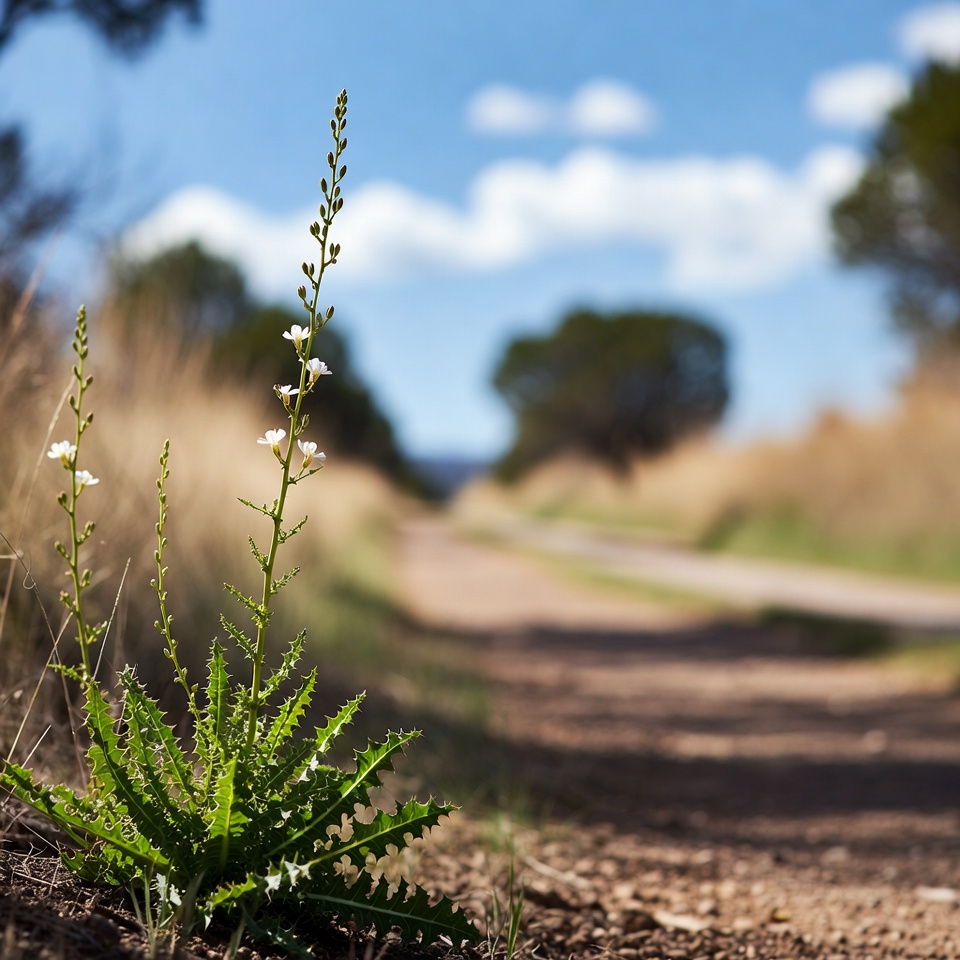
- A tall, upright growth habit
- Bluish-green leaves with toothed or jagged edges
- A spiny/prickly midrib, especially on the underside of leaves
- Small yellow flowers that appear in clusters
Traditional Uses Through History
Prickly lettuce has been used for centuries as a plant with soothing properties. Records from ancient Egypt and Greece describe its calming reputation. Historically, herbalists valued the plant’s milky latex, known as lactucarium, for promoting relaxation and easing discomfort.
Because of its mild sedating effect, lactucarium earned the well-known nickname “lettuce opium.” This term refers to its traditional role in supporting rest and calm—not to an opioid-level effect.
Lactucarium: The Plant’s Natural Calming Latex
A key reason prickly lettuce stands out in herbal traditions is lactucarium, the milky sap released when the plant is cut. This latex contains notable plant compounds, including:
- Lactucin
- Lactucopicrin
These constituents are associated with relaxation support and are commonly mentioned in traditional herbal approaches for:
- Occasional stress
- Mild anxiety
- Difficulty winding down at night
Many people consider lactucarium a gentler, plant-based alternative compared to stronger sedative options, especially when used carefully and conservatively.
Nutritional Value of Prickly Lettuce
Although it’s not as common on the dinner table as cultivated lettuce, prickly lettuce—particularly the young leaves—can contribute helpful nutrients. It contains:
- Vitamin A (supports vision and immune function)
- Vitamin K (important for bone health and normal blood clotting)
- Iron (supports oxygen transport and energy metabolism)
For foragers and wild-food enthusiasts, it can be a useful seasonal green when harvested at the right stage.
Antioxidants and Overall Wellness Support
Prickly lettuce also provides antioxidant compounds, which help the body manage free radicals linked to aging and long-term cellular stress. Diets that include antioxidant-rich plants are often associated with broader wellness support and may contribute to lowering risk factors tied to chronic conditions.
How to Harvest Prickly Lettuce Safely
Best Time to Harvest
For eating, the ideal time to harvest is early in the plant’s growth, when the leaves are:
- More tender
- Usually less bitter
As the plant matures, leaves often become noticeably more bitter, though they may still be used for traditional preparations.
Collecting the Sap (Lactucarium)
If your goal is the milky latex, it’s traditionally gathered by making small cuts in the stem and collecting the sap that appears. This process requires patience and careful handling.
Identification Matters
Correct identification is essential, since some similar-looking wild plants can be unsafe. If you are not experienced with wild edible plants, consult a reliable local field guide or an expert forager before harvesting.
How to Use Prickly Lettuce
Traditional Medicinal Preparations
Prickly lettuce is most often used in wellness routines for its mild sedative and calming reputation, especially for:
- Occasional insomnia
- Restlessness
- Stress support
Common preparation methods include:
- Tea: steep leaves in hot water for a relaxing evening drink
- Tincture: an alcohol-based extract for concentrated use
- Poultice: a topical preparation made from plant material (traditional use)
Culinary Ideas
Prickly lettuce can also be used as a food plant, particularly when young:
- Add young leaves to salads for a mildly bitter bite
- Cook the stems and leaves similar to other greens
- Mix into soups and stews for added plant nutrients
- Try stir-frying or boiling to soften bitterness and texture
Precautions and Safety Notes
Prickly lettuce is commonly considered safe when properly identified and used responsibly, but keep these precautions in mind:
- Avoid harvesting unless you are 100% certain of identification
- If using medicinally, speak with a healthcare professional if you are:
- Pregnant or nursing
- Taking prescription medications
- Managing ongoing health conditions
Start conservatively—especially with concentrated preparations.
How to Prepare Prickly Lettuce for Storage and Extracts
Making a Tincture From Fresh Plant Material
Fresh leaves can be turned into a tincture by infusing them in high-proof alcohol, which helps draw out key bitter compounds such as lactucin and lactucopicrin.
A common approach is:
- Chop or blend fresh leaves
- Combine with high-proof alcohol in a clean jar
- Let the mixture steep for several days
- Strain and store the liquid extract
Why Alcohol Is Used in Herbal Extracts
Alcohol is widely used in herbalism because it dissolves and preserves many plant constituents efficiently. A distinctly bitter flavor often indicates a strong extraction of active compounds.
Drying for Long-Term Use
Drying is a practical way to preserve prickly lettuce for later use. A dehydrator is often preferred because it can help retain:
- Color
- Potency
- Storage life
Once dried, the leaves can be stored and later used for teas, tinctures, or traditional poultices.
Extracting Active Compounds: Common Methods
Alcohol Extraction (Traditional Approach)
A typical method for a stronger extract includes:
- Crushing dried leaves
- Soaking them in alcohol
- Applying gentle warmth to support extraction (carefully and safely)
This process is often used to pull out more of the plant’s lactucarium-related constituents.
Water Extraction (Secondary Step)
After alcohol extraction, some preparations add water and heat gently at low temperatures to release additional water-soluble compounds, creating a more complete blend of plant constituents.
Concentrating the Extract
Because extracts can be too weak if overly diluted, they are sometimes slowly evaporated to concentrate the final product. This should be done carefully to avoid overheating and to maintain safety.
Storage and Dosage Guidelines
How to Store Extracts
To maintain potency, concentrated extracts are typically kept in:
- Airtight containers
- The refrigerator or freezer for longer-term storage
Common Dosage Range
For relaxation support, a frequently cited traditional amount is 2–3 dropperfuls mixed into water in the evening. However:
- Begin with a small dose
- Increase only if needed
- Seek professional guidance for personalized dosing and safety
Conclusion
Prickly lettuce (Lactuca serriola) is far more than a common weed. With a history rooted in traditional herbal practice, it offers a mix of calming potential, useful nutrients, and antioxidant support. Whether you’re exploring wild foods or looking into gentle plant-based relaxation aids, prickly lettuce may be worth considering—provided you identify it correctly and use it responsibly.