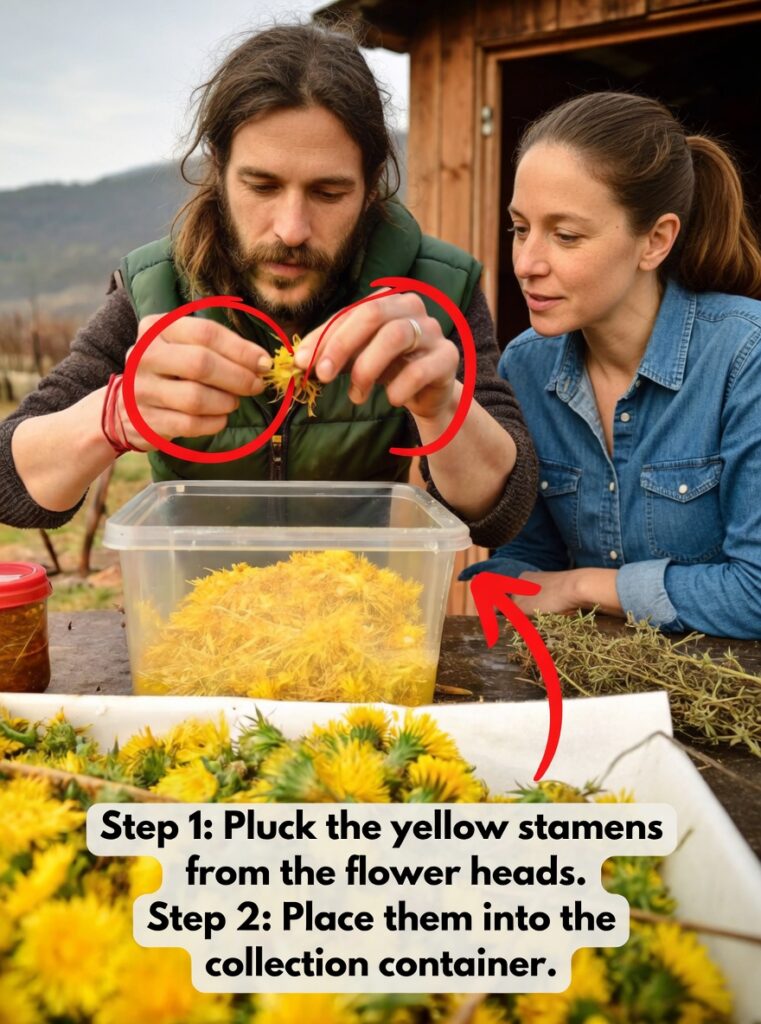
Dandelions: From Lawn “Weed” to Useful Wild Plant
Dandelions tend to spark strong opinions. Some people admire their bright yellow blooms, while others see them as an uninvited guest in the garden. Either way, one thing is undeniable: dandelions are tough. Pull a few, and more seem to appear overnight.
Recently, the conversation has started to shift. Instead of asking, “How do I get rid of dandelions?” many people are now wondering, “How can I use all these dandelions?”
The answer is simple: in more ways than you might expect.
Foraging is growing in popularity, and dandelions are one of the easiest places to begin. They’re common, highly visible, and simple to recognize—even for beginners. Because they grow so abundantly, it’s also difficult to over-harvest them. In fact, anyone who has tried to remove them knows how quickly they return.
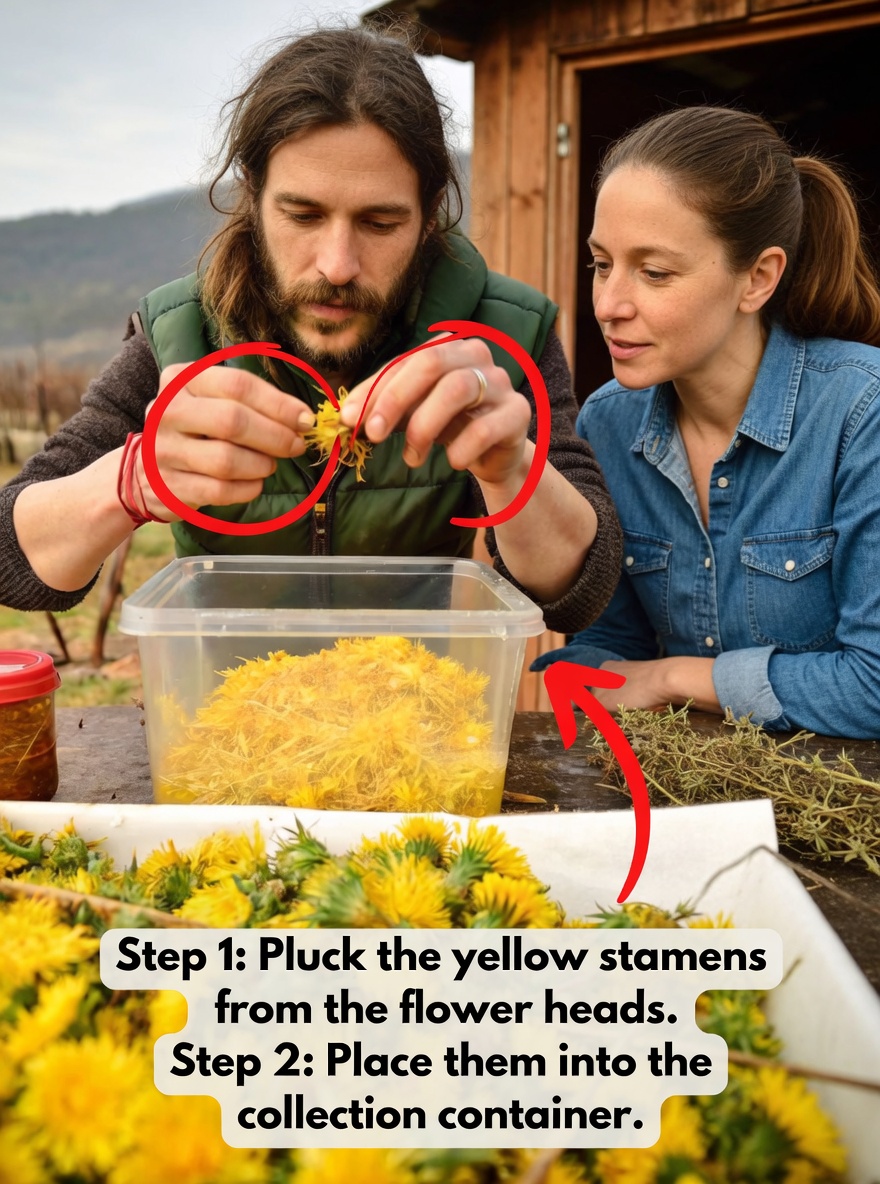
Why Dandelions Are Worth a Second Look
Traditional use and folk remedies
Dandelions have a long history in traditional wellness practices. The leaves and roots are known for their bitter flavor, which has often been associated with stimulating appetite and supporting liver function. While modern research is still limited, dandelion remains a familiar ingredient in many herbal traditions.
A surprisingly nutrient-dense food
From a nutrition standpoint, dandelions are impressive. They contain vitamins A, B, C, and K, plus key minerals such as potassium, calcium, iron, and magnesium, along with fiber. And unlike many “superfoods,” they can be harvested at no cost if you have access to a clean growing area.
Fully edible and highly versatile
The best part is how many ways you can use them. Every part of the dandelion is edible—flowers, leaves, buds, and roots—making it one of the most versatile wild plants you can collect.
Know Your Dandelions Before You Harvest
Before you start picking, keep a few safety guidelines in mind:
- Avoid roadsides and high-traffic areas, where plants may collect dust, exhaust residue, and other pollutants.
- Only harvest from locations that are free of pesticides and herbicides.
- If you plan to use dandelions for medicinal purposes, it’s wise to check with a healthcare professional, especially if you are pregnant, nursing, or managing a medical condition.
What About Bees and Dandelions?
A common belief is that dandelions are the main spring food source for bees. In reality, dandelions can contribute nectar and pollen, but they are not the only early-season option, nor necessarily the best one. Bees forage from many spring blooms when available.
Which Parts of a Dandelion Can You Eat?
In short: all of them.
- Leaves (greens): best in early spring before flowering, when they’re milder.
- Buds: ideal for pickling (capers-style) when still tight and unopened.
- Roots: often harvested in fall for the highest nutrient concentration.
- Flowers: pick while fresh—blooms don’t last long, so timing matters.
How to Reduce the Bitterness of Dandelion Greens
Dandelion greens can be bitter, especially later in the season. To mellow the flavor, try one of these methods:
- Cold soak: soak the leaves overnight in cold water with 1 teaspoon of salt, then rinse well.
- Quick blanch: boil in salted water for about 2 minutes, then immediately move the greens to an ice-water bath.
Both techniques help soften bitterness while keeping the greens usable in everyday cooking.
25 Things You Can Make With Dandelions
1) Do nothing at all
Sometimes the simplest option is to let them grow. Allowing dandelions to remain in your yard can save time, effort, and money—especially if you’re tired of fighting a plant that refuses to quit.
Eat Them
2) Toss the flowers into a salad
Fresh blossoms add bright color and a lightly sweet crunch to salads.
3) Dandelion vinegar
Infuse vinegar with petals for a lively, tangy dressing base.
4) Dandelion bud “capers”
Pickled dandelion buds create a briny, crunchy topping for salads, pasta, and savory dishes.
5) Dandelion jelly
A delicate, floral jelly with a honey-like sweetness—great on toast, biscuits, or scones.
6) Dandelion syrup
Often compared to maple syrup, this golden syrup is delicious on pancakes, waffles, or drizzled over desserts.
7) Dandelion ice cream
Turn spring petals into a creamy homemade treat with a subtle floral note.
8) Sautéed dandelion greens with garlic
Cook the greens in olive oil with garlic and red pepper flakes for a nutritious side dish.
9) Dandelion bruschetta
Use fresh leaves as a flavorful base—especially good paired with soft cheese like mozzarella.
10) Dandelion shortbread
Mix petals into buttery shortbread for a gentle floral finish.
11) Dandelion bread
Bake petals into a loaf for a seasonal twist and a hint of spring flavor.
12) Dandelion flower fritters
Battered and fried blooms make a crisp snack with a mild sweetness.
Drink Them
13) Dandelion mead
Brew a fragrant, floral mead using dandelion petals.
14) Dandelion wine
A light, spring-inspired wine that helps preserve the season in a bottle.
15) Dandelion root “coffee”
Roasted root makes a rich, earthy coffee alternative with its own distinctive taste.
16) Dandelion leaf tea
A pleasantly bitter herbal tea often used to support digestion.
17) Dandelion soda
Use a ginger bug and fresh petals to create a naturally bubbly, homemade spring soda.
18) Dandelion kombucha
Add dandelion (often alongside fennel) for a fresh, herbal kombucha variation.
19) Dandelion bitters
Use dandelion-based bitters in cocktails like an Old Fashioned or as a traditional digestive bitter.
Wear Them (Skincare and Body Products)
20) Dandelion-infused oil
Infuse flowers into oil to help soothe dry skin or as a base for homemade balms and salves.
21) Melt-and-pour dandelion soap
Add petals to melt-and-pour soap for a simple DIY bar with a spring feel.
22) Dandelion lotion
A moisturizing lotion made with infused oil can leave skin soft and lightly scented.
23) Dandelion perfume
Create a floral-inspired fragrance using dandelion petals for a unique seasonal scent.
24) Dandelion bath soak
A dandelion-infused soak can be a relaxing way to unwind and ease sore muscles.
25) Dandelion face mask
Dandelions are often described as soothing for skin. A simple mask can be made using dandelion petals, honey, and yogurt.
A Sunny Plant With Endless Uses
Dandelions may be humble, but they’re remarkably generous. Whether you decide to eat them, drink them, or use them in skincare, there’s no shortage of practical ways to enjoy this bright, resilient plant. This spring, consider welcoming the dandelions in your yard—and putting them to good use.