Li Ching-Yuen: The Legendary Herbalist Said to Have Lived 256 Years
Li Ching-Yuen remains one of history’s most intriguing figures, often linked to the extraordinary claim that he lived for 256 years. Remembered as a Chinese herbalist, martial artist, and healer, he reportedly credited his long life to a calm routine: simple living, consistent meditation, and daily use of traditional herbs—especially goji berries.
Who Was Li Ching-Yuen?
According to various accounts, Li Ching-Yuen was born in 1677 and died in 1933, which—if true—would make him the longest-lived person ever recorded. He devoted his life to collecting medicinal plants, studying traditional Chinese medicine (TCM), and practicing longevity-focused techniques. Some stories claim that government records and local villagers’ testimonies supported the idea that he lived far beyond a normal lifespan.
The Herbs and Practices Behind His Longevity
Many narratives about Li Ching-Yuen highlight a core set of herbs commonly used in TCM for healthy aging, stamina, and vitality. Below are the plants most often associated with his daily routine.
1. Goji Berries (Wolfberries)
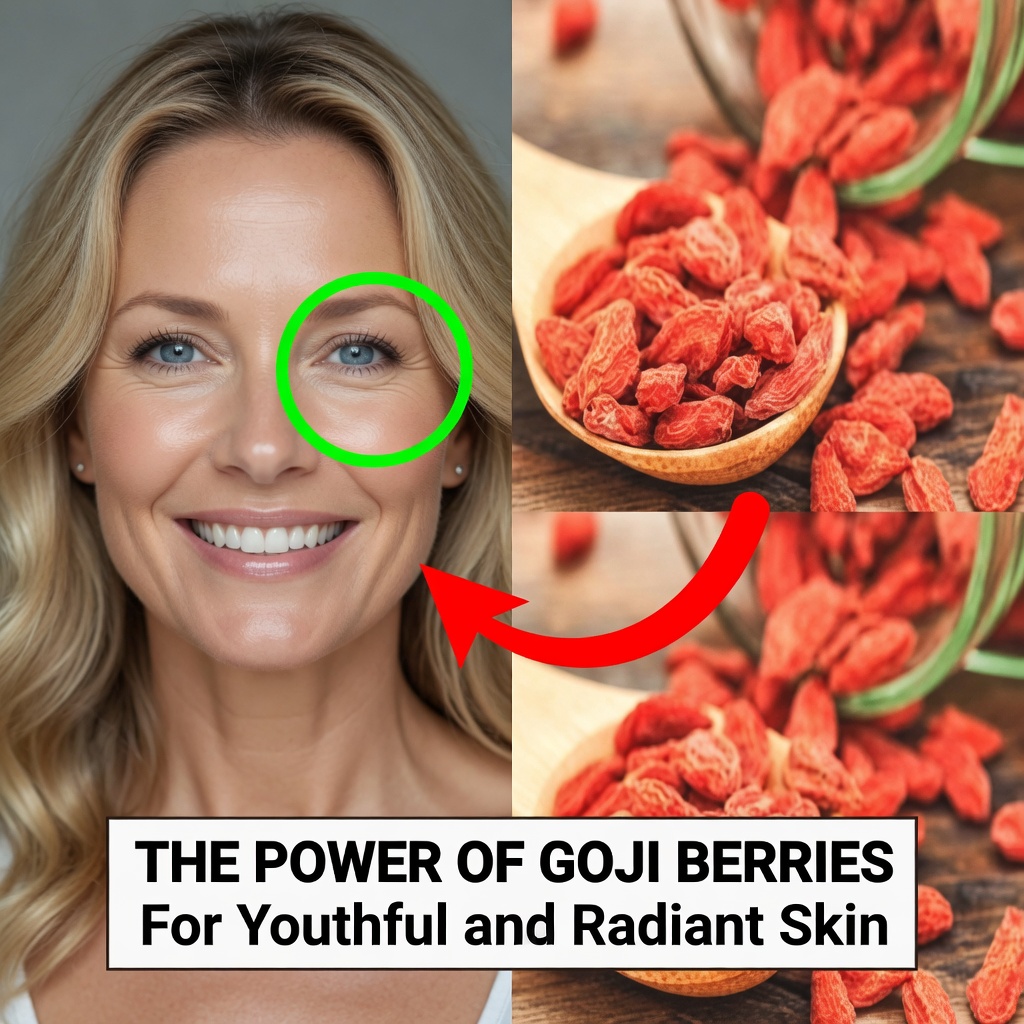
Goji berries, also called wolfberries, are a well-known TCM food used to support long-term wellness. They’re valued for their antioxidant content and reputation as a “longevity fruit.”
Commonly cited benefits of goji berries include:
- Antioxidant support: Helps protect the body from oxidative stress
- Energy and vitality: Often used to support stamina and daily endurance
- Eye health: Contains zeaxanthin, associated with vision support
- Healthy aging: Traditionally used to promote longevity and resilience
Easy ways to add goji berries to your diet:
- Snack on dried goji berries
- Make goji berry tea by soaking them in hot water
- Mix them into soups, smoothies, oatmeal, or salads
2. He Shou Wu (Fo-Ti)
He Shou Wu, also known as Fo-Ti, is a famous herb in Chinese herbalism and is traditionally linked with longevity. It’s often described as supporting the liver and kidneys and helping the body maintain strength over time.
Traditionally associated uses include:
- Supporting hair health and delaying premature greying
- Promoting energy and vitality
- Helping reinforce immune resilience
3. Ginseng
Ginseng is widely known as an adaptogen, meaning it’s used to help the body cope with stress and maintain balance. In longevity traditions, it’s commonly associated with sustainable energy and overall performance.
Potential benefits often linked to ginseng:
- Reduced fatigue and improved endurance
- Support for focus and cognitive function
- Contribution to immune system support
4. Reishi Mushrooms
Called the “mushroom of immortality” in traditional Chinese medicine, reishi is often used in wellness routines for stress support and long-term health.
Commonly mentioned reishi benefits include:
- Encouraging better sleep and calmer mood
- Supporting the immune system
- Promoting liver health and natural detox pathways
5. Wild Ginseng and Gotu Kola
Some accounts also include wild ginseng and gotu kola as part of Li Ching-Yuen’s herbal approach. These are often associated with maintaining vitality, supporting circulation, and improving mental clarity—key themes in many longevity traditions.
Li Ching-Yuen’s Lifestyle Practices
Herbs weren’t the only element of his reported routine. Li Ching-Yuen is also said to have followed daily habits that supported low stress, steady movement, and mental balance.
Lifestyle practices commonly attributed to him include:
- Meditation: Practiced regularly for calmness, emotional balance, and inner harmony
- Simple, moderate diet: Often described as plant-forward and based on whole foods
- Slow breathing exercises: Used to reduce stress and support steady oxygen flow
- Consistent movement: Martial arts practices such as Tai Chi for flexibility, balance, and control
Takeaway
Whether or not the claim of 256 years is literally true, the story of Li Ching-Yuen continues to resonate because it emphasizes timeless principles: stress management, daily movement, a simple diet, and traditional herbs—especially goji berries. Together, these habits reflect a holistic approach to supporting longevity, vitality, and healthy aging.