Your Feet Can Signal Hidden Health Issues
Your feet can do more than carry you through the day—they may also point to health problems developing inside your body. In Oriental medicine, feet are sometimes described as the body’s “second brain” because they contain many acupuncture points believed to connect with major organs. While these signals are easy to overlook, persistent changes in your feet can be meaningful warnings.
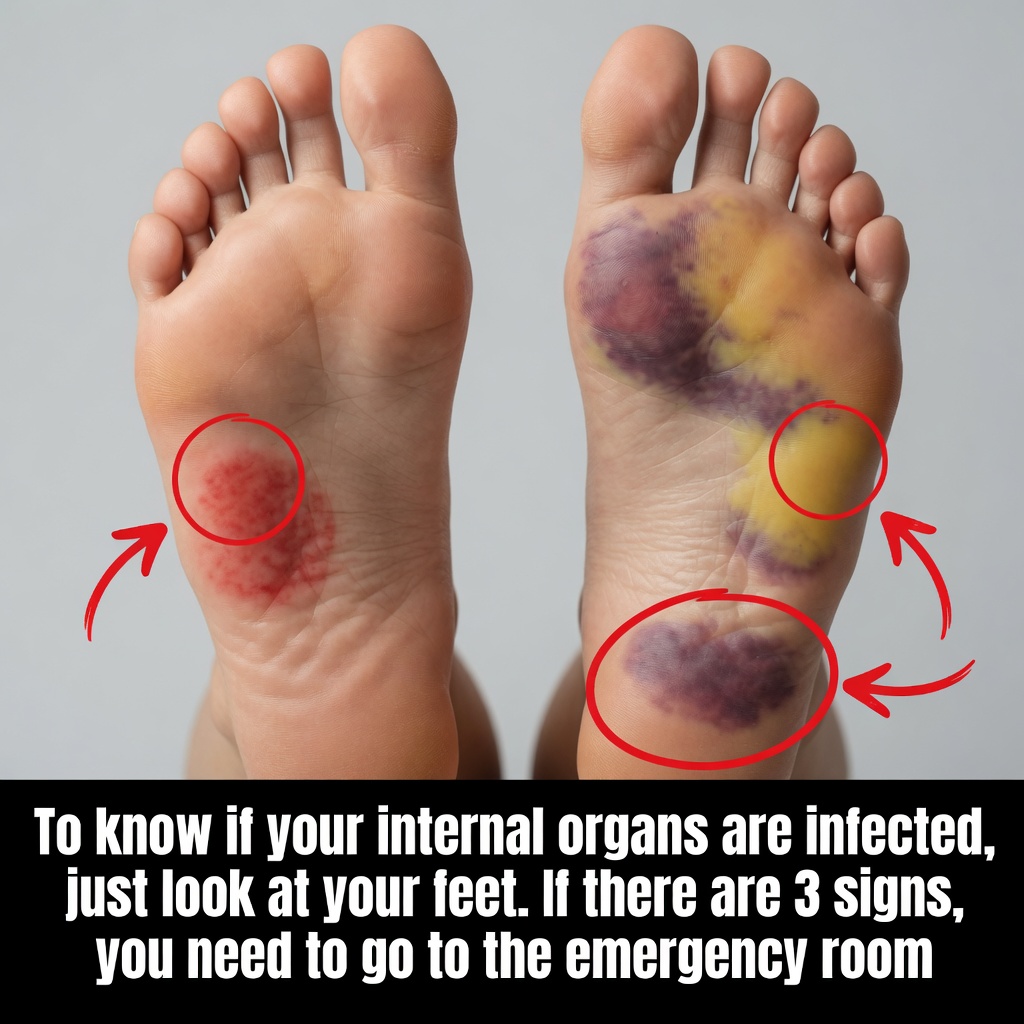
Three Foot Warning Signs You Shouldn’t Ignore
If you notice any of the signs below, it may suggest potential strain or damage involving essential organs such as the heart, kidneys, or liver. These symptoms don’t confirm a diagnosis on their own, but they are strong reasons to seek medical guidance.
1. Swollen Feet (Edema): Possible Heart, Kidney, or Liver Problems
Ongoing swelling in the feet or ankles—often called edema—is not always caused by standing too long. In some cases, it may be linked to serious conditions, including:
- Heart failure: When the heart can’t pump blood efficiently, fluid may collect in the legs and feet. If swelling comes with shortness of breath, unusual fatigue, or chest discomfort, get medical attention promptly.
- Kidney disease or kidney failure: Reduced kidney function can cause the body to hold onto fluid, leading to noticeable swelling in the lower limbs.
- Liver cirrhosis: In advanced stages (often described as F3–F4), the liver may lose its ability to manage fluid balance, which can contribute to swelling in the feet and sometimes the abdomen.
2. Constantly Cold Feet: Circulation Issues or Nerve Damage
Feet that stay cold—even when the room is warm—can be a clue that circulation or nerve function is not optimal. Possible causes include:
- Poor blood circulation: This may be associated with heart disease, diabetes, or narrowed/blocked arteries, all of which can reduce blood flow to the extremities.
- Peripheral neuropathy: Nerve damage (commonly linked to diabetes) can interfere with normal sensation and temperature regulation, making feet feel unusually cold.
3. Numbness or Tingling: Diabetes, Neuropathy, or Spine-Related Issues
Frequent pins-and-needles, tingling, or numbness in the feet can be an early sign of nerve involvement, such as:
- Diabetes: Over time, high blood sugar can harm nerves, leading to diabetic neuropathy, which often begins in the feet.
- Spinal conditions: Problems like herniated discs or nerve compression in the lower back can also trigger numbness or tingling that travels into the feet.
Take These Foot Symptoms Seriously
Your feet aren’t just a support system—they can reflect your overall health. If swelling, coldness, numbness, or tingling persists or worsens, don’t wait. A medical evaluation can help identify the underlying cause early and protect your long-term well-being.