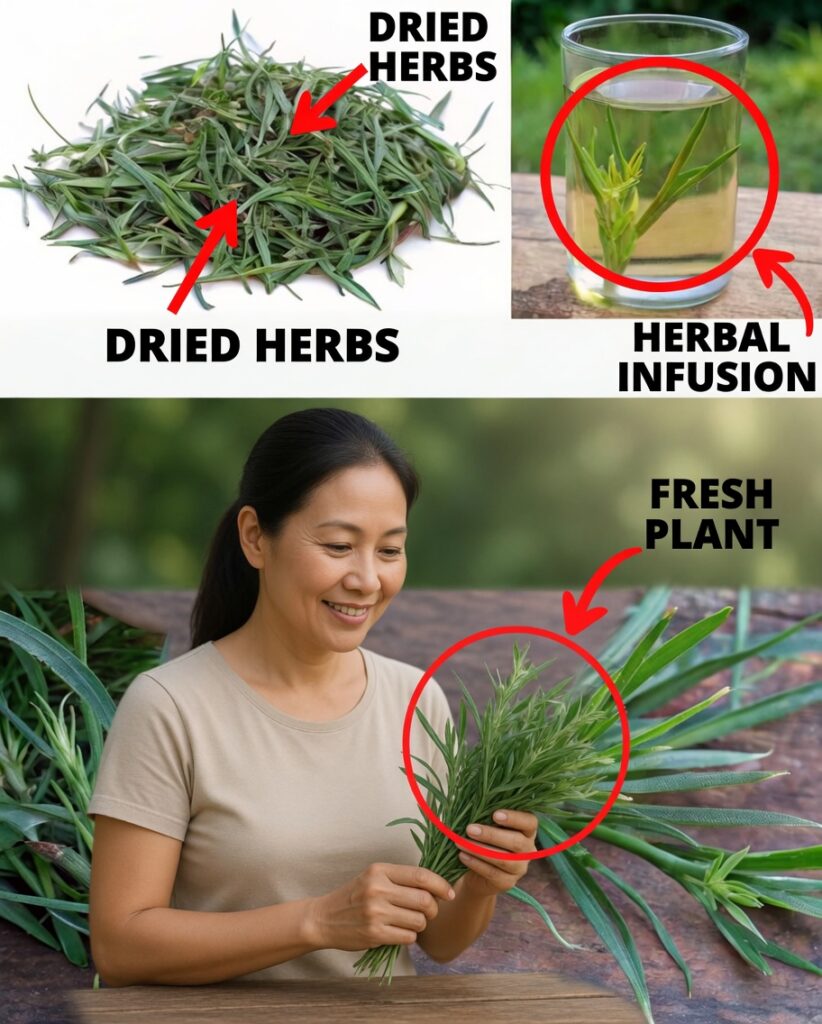
Goosegrass (Eleusine indica): A “Weed” with Powerful Traditional Uses
Goosegrass (Eleusine indica) is often pulled out and thrown away as an irritating weed—but in many cultures, it has a long history as a medicinal herb. This hardy plant is valued in traditional remedies for its nutrient content and its anti-inflammatory, antioxidant, and antimicrobial qualities.
Whether you drink it as an herbal tea, use it on the skin, or add it to a simple hair routine, goosegrass can be a practical option for people interested in natural wellness.
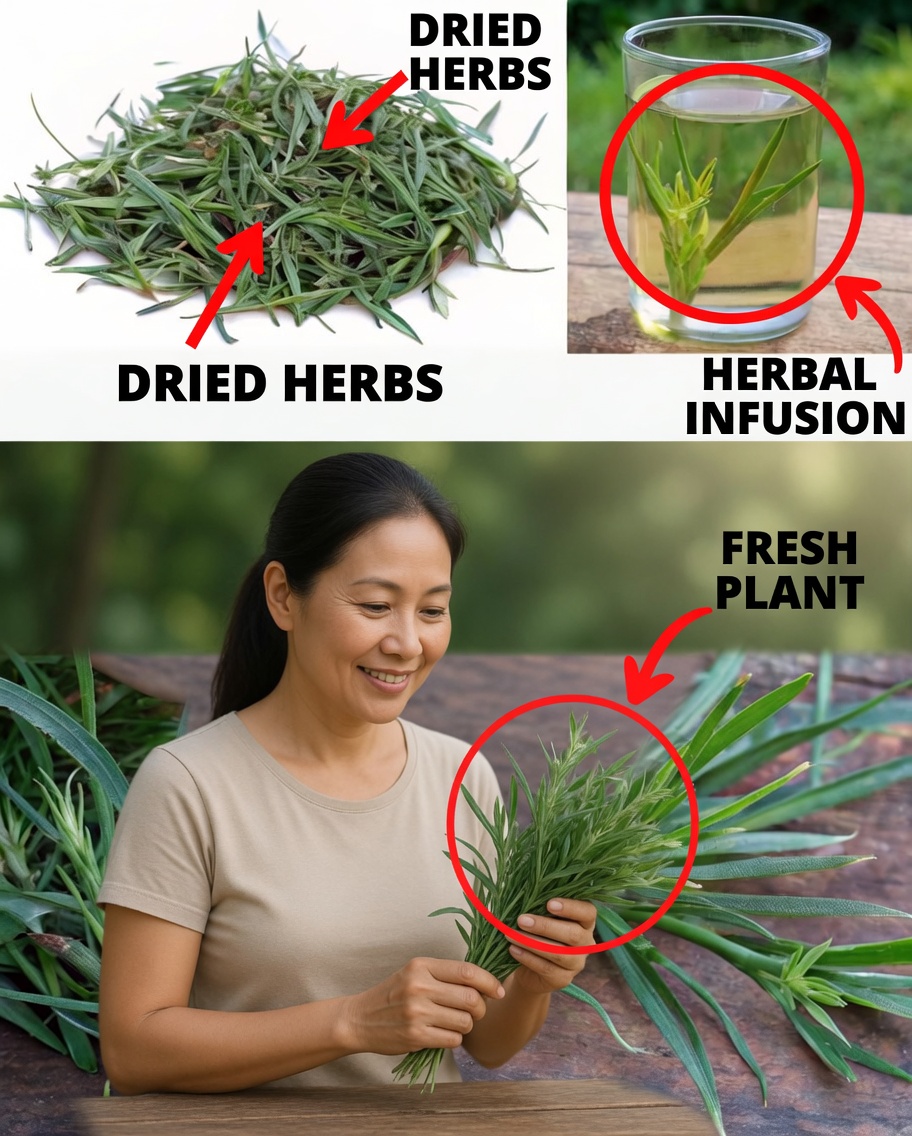
What Is Goosegrass?
Goosegrass is a fast-spreading plant found widely across tropical and subtropical regions. Although it’s commonly labeled an invasive species, herbal traditions have used its leaves, stems, and seeds for generations to support the body in many ways—especially for cleansing, soothing inflammation, and helping the body fight microbes.
30 Health Benefits of Goosegrass
-
Supports natural detox
- Known for diuretic activity that may help the body eliminate waste and support kidney function.
-
Helps reduce inflammation
- Traditionally used for inflammatory discomfort, including joint-related issues.
-
High in antioxidants
- Antioxidants help defend cells against oxidative stress linked to premature aging.
-
Eases digestive discomfort
- Commonly consumed as tea to calm bloating, indigestion, and stomach upset.
-
Helps fight microbes
- Its antimicrobial properties are traditionally used to support immune defense against bacteria and fungi.
-
Traditionally used to reduce fever
- Used in folk practices to cool the body during feverish conditions.
-
May support healthy blood pressure
- Often mentioned in herbal use for maintaining balanced blood pressure.
-
Supports respiratory comfort
- Used to help relieve congestion and symptoms associated with bronchitis or asthma.
-
Promotes wound recovery
- Applied topically for minor cuts and scrapes due to cleansing and soothing effects.
-
Supports urinary tract health
- Diuretic action may help with urinary flushing and traditional support for UTIs and kidney stones.
- May help with blood sugar balance
- Some traditional use and early research suggest potential support for glucose management.
- Assists weight management
- By reducing water retention and supporting metabolism, it’s sometimes used in weight-focused routines.
- Traditional deworming herb
- Historically used to help expel intestinal parasites.
- Improves skin clarity
- Antioxidant and anti-inflammatory actions may help calm irritation and support clearer skin.
- Natural pain relief support
- Used traditionally for headaches, mild body aches, and everyday discomfort.
- Encourages hair growth
- Goosegrass-infused rinses are used to help strengthen hair and reduce shedding.
- Supports liver function
- Used in detox-focused traditions to support bile flow and liver cleansing processes.
- Strengthens immune resilience
- Regular use in herbal routines is associated with improved immune support.
- Helps maintain strong bones
- Contains minerals that may contribute to bone health and long-term strength.
- Relieves constipation
- Mild laxative effects can help promote regularity.
- Supports circulation
- Traditionally used to encourage healthy blood flow and cardiovascular wellness.
- May help lower LDL cholesterol
- Some studies suggest potential benefits for “bad” cholesterol management.
- Potential anticancer interest
- Antioxidants in goosegrass are being explored for protective, cancer-related mechanisms.
- May reduce stress and nervous tension
- Warm goosegrass tea is used in calming routines.
- May improve sleep quality
- Traditionally described as gently relaxing, which can support better rest.
- Used in traditional snake-bite care
- Certain folk systems include goosegrass in protocols aimed at slowing venom effects (not a substitute for emergency care).
- Helps reduce swelling
- Leaf paste is used externally to calm swelling after minor injuries.
- Supports joint mobility
- Anti-inflammatory properties may help ease stiffness and improve comfort.
- Helps protect eye health
- Antioxidants may support vision and help protect against age-related changes.
- Promotes overall wellness
- Commonly used as a multi-purpose herb supporting digestion, cleansing, and daily vitality.
How to Use Goosegrass at Home (Simple Remedies)
1) Goosegrass Tea for Cleansing Support
Ingredients
- 1 handful of fresh goosegrass leaves
- 2 cups of water
Instructions
- Bring the water to a boil and add the leaves.
- Simmer for about 10 minutes.
- Strain and drink warm.
- Common traditional use is up to 2 cups per day.
2) Goosegrass Paste for Minor Wounds and Irritated Skin
Instructions
- Crush fresh leaves into a smooth paste.
- Apply to small cuts, scrapes, or irritated patches.
- Leave for about 20 minutes, then rinse with clean water.
3) Goosegrass Hair Rinse for Stronger Hair
Instructions
- Place goosegrass leaves in water and let them soak overnight.
- After shampooing, pour the infused water over your hair as a final rinse.
- Repeat 2–3 times per week.
4) Cooling Compress for Sensitive Skin
Instructions
- Boil the leaves, then allow the liquid to cool.
- Soak a clean cloth in the infusion.
- Apply to the affected area for 15–20 minutes.
Precautions and Disclaimer
Goosegrass is widely used in traditional medicine, but it should still be approached thoughtfully:
- Pregnancy and breastfeeding: Consult a healthcare professional before use.
- Kidney conditions: Avoid excessive intake due to possible diuretic effects.
- Correct identification matters: Only harvest if you’re sure the plant is truly goosegrass and collected from a clean, chemical-free area.
Final Thoughts
Goosegrass (Eleusine indica) is far more than an unwanted garden invader. With a long-standing place in herbal traditions, it’s used for everything from digestive comfort and detox support to skin care and hair routines. When used responsibly and safely, it can be a useful addition to natural home remedies.