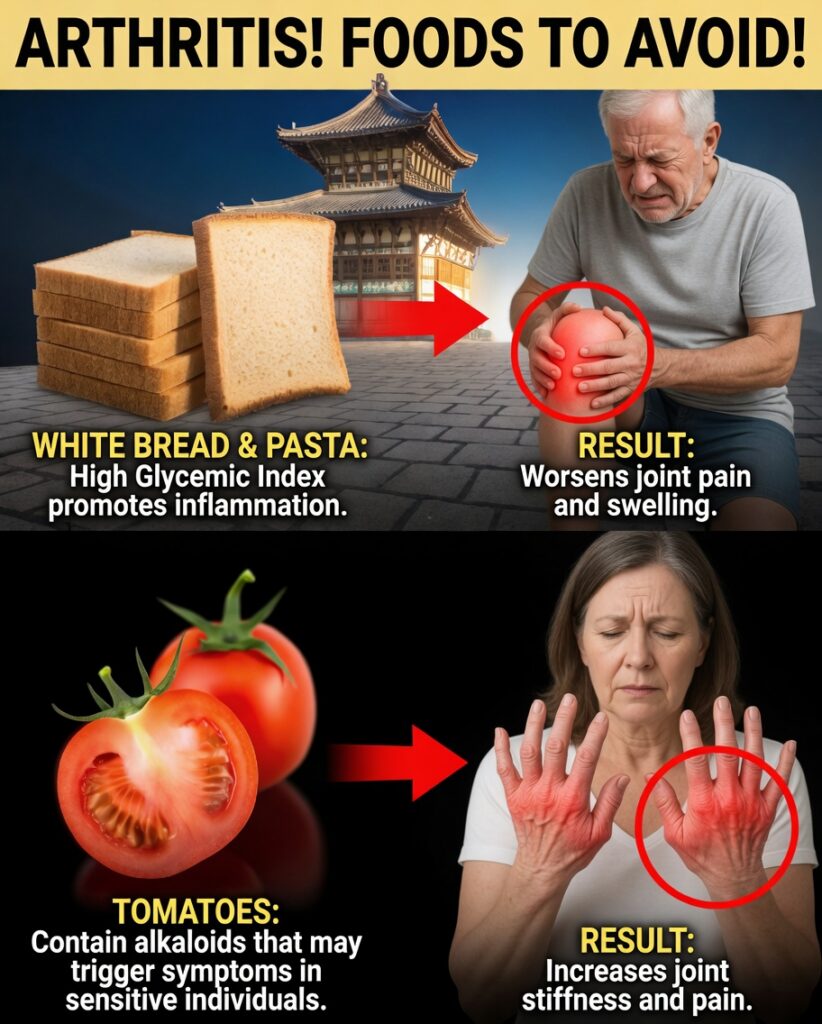
Arthritis and Diet: Foods That Can Worsen Joint Pain and Inflammation
Arthritis often leads to joint pain, stiffness, and swelling, which can make everyday tasks harder. Medication, movement, and healthy habits can help control symptoms—but what you eat also has a major impact on inflammation. Certain foods may intensify inflammation in the body and potentially make arthritis flare-ups more frequent or uncomfortable.
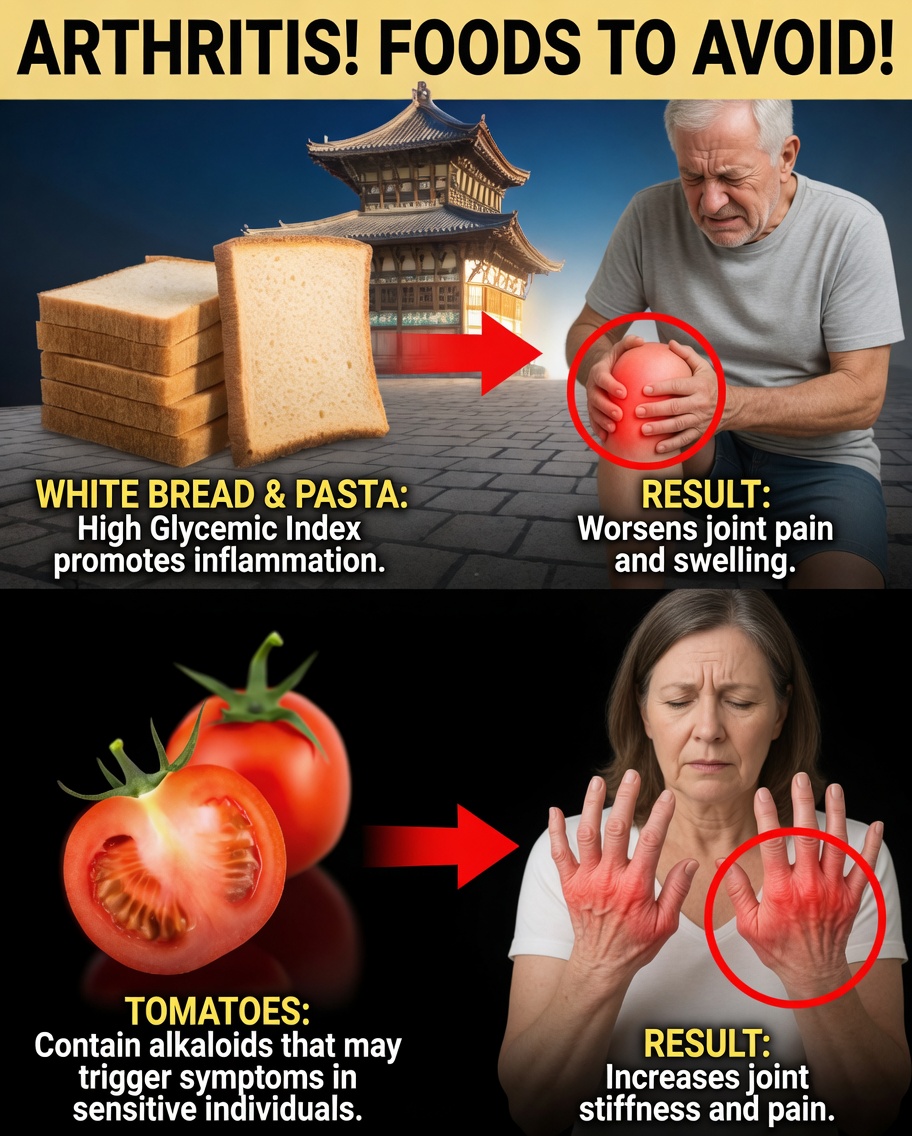
9 Foods to Avoid (or Limit) If You Have Arthritis
1) Processed and Fried Foods
Why to limit them: Many fried and heavily processed foods contain trans fats and pro-inflammatory compounds that may aggravate joint discomfort.
Better choice: Pick baked, grilled, or steamed meals instead of deep-fried options.
2) Sugar and Sugary Drinks
Why to limit them: High sugar intake can raise pro-inflammatory cytokines, which may worsen arthritis symptoms and contribute to more inflammation overall.
Better choice: Choose whole fruit for sweetness, and consider natural alternatives like a small amount of honey or stevia instead of sugary sodas and desserts.
3) Red Meat and Processed Meats
Why to limit them: These meats are often high in saturated fat and advanced glycation end products (AGEs), which are linked to increased inflammation.
Better choice: Go for lean, anti-inflammatory protein sources such as fish, chicken, beans, lentils, or tofu.
4) Refined Carbohydrates (White Bread, Pasta, White Rice)
Why to limit them: Refined grains can cause blood sugar spikes, which may promote inflammatory processes in the body.
Better choice: Swap in whole grains like brown rice, quinoa, oats, or whole wheat bread.
5) Dairy Products
Why to limit them: Some people find that casein (a protein in certain dairy products) may contribute to joint inflammation or discomfort.
Better choice: Try plant-based milks (almond, oat, coconut) or choose fermented dairy like yogurt if it suits you.
6) Alcohol (Including Beer)
Why to limit it: Alcohol can increase uric acid levels, which may worsen arthritis symptoms—especially for people with gout.
Better choice: Focus on water, herbal teas, or fresh juices in moderation.
7) Salt and High-Sodium Foods
Why to limit them: Too much sodium can lead to fluid retention, which may contribute to joint swelling and discomfort.
Better choice: Flavor foods with herbs, garlic, lemon, pepper, and spices instead of relying on salt.
8) Certain Vegetable Oils and Margarine
Why to limit them: Oils high in omega-6 fatty acids (such as corn, soybean, and sunflower oil) may encourage inflammation when consumed in excess.
Better choice: Use healthier fats like olive oil, avocado oil, or coconut oil.
9) Artificial Additives and Preservatives
Why to limit them: Packaged foods may contain MSG, aspartame, artificial colors, and preservatives, which some people report as triggers for inflammation or flare-ups.
Better choice: Prioritize fresh, home-cooked meals using simple, natural ingredients.
Conclusion: Build an Anti-Inflammatory Eating Pattern
Reducing these potentially inflammatory foods may help ease joint pain, lower inflammation, and support better mobility. For many people with arthritis, the best approach is an anti-inflammatory diet built around fruits, vegetables, whole grains, and healthy fats.
Question for You
Have you noticed any changes in your joint pain or stiffness after adjusting your diet? Share your experience below.