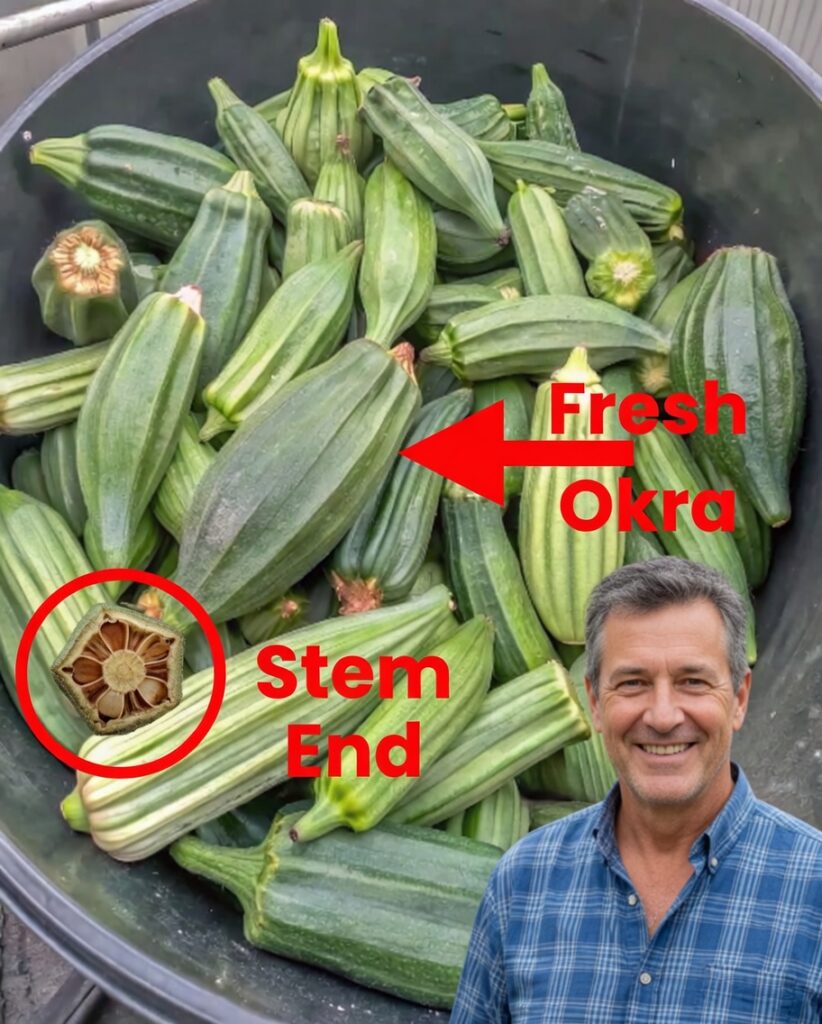
Okra (Lady’s Finger): A Nutrient-Dense Vegetable With Big Health Benefits
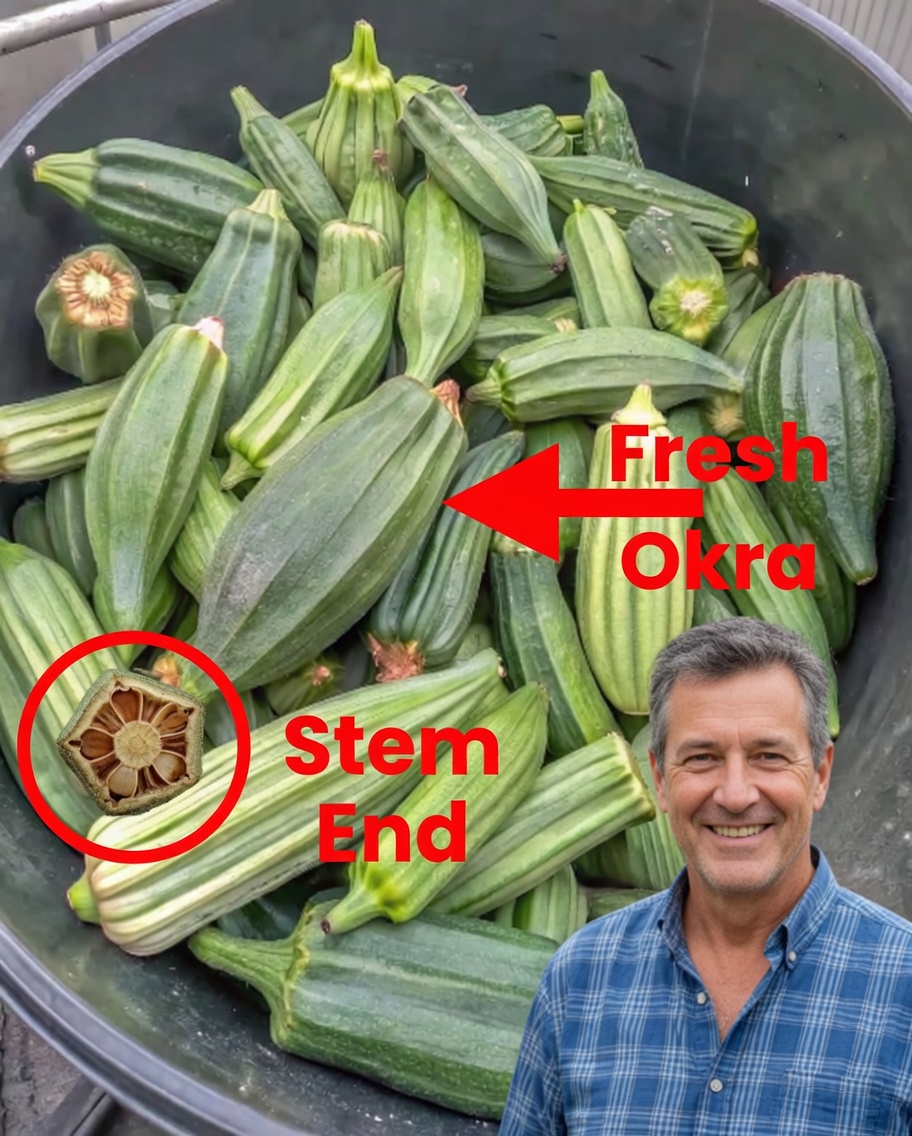
Okra—often called lady’s finger—is a nutrient-rich vegetable loaded with fiber, vitamins, minerals, and protective plant compounds. Whether you eat it stir-fried, added to soups and stews, or lightly raw, including okra several times a week can support whole-body wellness.
1) Supports Heart Health
Okra contains soluble fiber, antioxidants, and magnesium, nutrients linked to healthier cholesterol levels, better circulation, and more balanced blood pressure.
- Helps lower LDL (“bad”) cholesterol
- Supports healthier arteries and blood flow
- Assists with blood pressure regulation
2) Helps Balance Blood Sugar and Reduce Diabetes Risk
The soluble fiber in okra slows how quickly sugar enters the bloodstream, which may help prevent sharp spikes after meals. Okra also contains natural compounds associated with improved insulin sensitivity.
- Promotes steadier blood sugar levels
- May help reduce insulin resistance
- Can support people managing type 2 diabetes (as part of an overall plan)
3) Supports Digestion and Eases Constipation
Okra is known for its natural “gel-like” texture (mucilage), which—together with its fiber—can help food move smoothly through the digestive tract.
- Helps soften stool and relieve constipation
- Supports a healthier gut environment
- May reduce bloating and occasional reflux discomfort
4) Boosts Immunity and Helps Fight Infections
With vitamin C and a range of antioxidants, okra supports immune defenses and helps the body respond to everyday germs and inflammation.
- Strengthens immune function
- Helps calm inflammation
- Supports tissue repair and wound healing
5) A Weight-Friendly Food That Supports Satiety
Okra is low in calories and naturally high in fiber, making it a smart choice for people aiming to manage appetite and reduce unnecessary snacking.
- Helps you feel full longer
- Supports healthy digestion and metabolism
- Fits well into lower-calorie, balanced meals
6) Strengthens Bones and Supports Healthy Aging
Okra provides nutrients important for bone structure and maintenance, including vitamin K, calcium, and magnesium.
- Supports bone density
- May help lower the risk of age-related bone loss (osteoporosis)
- Can assist with joint comfort by supporting healthy inflammation balance
7) Promotes Eye Health
Okra contains vitamin A and beta-carotene, both important for protecting vision and supporting the health of the eyes over time.
- Supports night vision and overall eye function
- Helps protect against age-related vision changes
- Supports healthy eye moisture and tissue integrity
8) Supports Liver Function and Natural Detox Processes
Your liver is a key organ for filtering and processing compounds in the body. Okra’s antioxidants and fiber may support normal liver function and healthy waste elimination.
- Supports liver health and function
- Helps the body remove waste efficiently
- May support healthy fat metabolism in the liver
9) Nourishes Skin and Hair
Okra’s mix of antioxidants, vitamin C, and other nutrients can support collagen health, skin clarity, and stronger hair.
- Helps promote a brighter, more even skin tone
- Supports smoother-looking skin by fighting oxidative stress
- Contributes to stronger hair and a healthier scalp
How to Eat Okra for the Most Benefits
Try adding okra to your meals in easy, delicious ways:
- Raw or in salads: slice thinly and toss with lemon juice
- Soups and stews: adds flavor and naturally thickens the dish
- Stir-fried: sauté briefly with garlic and olive oil for a simple side
- Okra water: soak sliced okra in water overnight and drink in the morning (often used for digestion and blood sugar support)
Precautions to Keep in Mind
Okra is healthy for most people, but a few points are worth noting:
- If you’re prone to kidney stones, you may need to limit okra because it contains oxalates
- Eating a large amount at once may cause gas or bloating—start with smaller portions and increase gradually
Final Thoughts
Okra is a true everyday superfood—high in fiber and packed with key nutrients that may support heart health, blood sugar balance, digestion, immunity, bones, vision, and skin. Adding it to your weekly routine is a simple way to upgrade your diet with real, whole-food nutrition.