Lower Your Cholesterol with the Portfolio Diet
If you want to bring down your cholesterol but feel unsure about statins—or you simply want to protect your heart through food—the Portfolio Diet is a powerful, research-backed option. This eating pattern focuses on specific foods that have been proven to lower cholesterol, while still allowing you to enjoy a flexible, satisfying diet. Based on the work and insights of Dr. Paul Zalzal and Dr. Brad Weening, here’s how it works and why it matters for your heart health.
Key Takeaways
- The Portfolio Diet centers on four key cholesterol-lowering foods.
- Instead of restricting everything, it encourages you to add targeted foods to your daily meals.
- Clinical studies show its cholesterol-lowering effect can be comparable to medication for some people.
- This approach gives you more control over your cholesterol and overall health through everyday food choices.
1. Plant Sterols: Blocking Cholesterol Absorption
Plant sterols are natural compounds found in plant-based foods. They closely resemble the cholesterol in your body, and that’s what makes them so helpful. When you eat plant sterols, they compete with cholesterol for absorption in the small intestine and attach to the same receptors. As a result, less dietary and bile cholesterol is absorbed, and more is excreted instead of entering your bloodstream.
Where to get plant sterols:
- Naturally present in small amounts in:
- Nuts
- Seeds
- Whole grains
- Added (fortified) in:
- Certain margarine spreads
- Some orange juices
- Yogurt drinks
For cholesterol management, aim for around 1–2 grams of plant sterols per day. This usually requires a mix of regular plant foods and fortified products to hit the target.
2. Fiber: Helping Your Body Clear Cholesterol
Soluble fiber is one of the most powerful nutrients for heart and gut health. In your digestive tract, soluble fiber forms a thick, gel-like substance that traps cholesterol and bile acids. This process helps carry cholesterol out of your body through your stool rather than letting it pass into your blood.
Excellent sources of fiber include:
- Fruits and vegetables
- Beans and lentils
- Oats and barley
- Whole grains like brown rice, quinoa, and whole wheat
Within the Portfolio Diet, a minimum of 10–20 grams of fiber per day is suggested, though 30–40 grams daily is even more beneficial. Building your meals around plant foods is the simplest way to increase fiber intake and help your body naturally remove more cholesterol.
3. Soy Protein: Plant Protein that Targets LDL
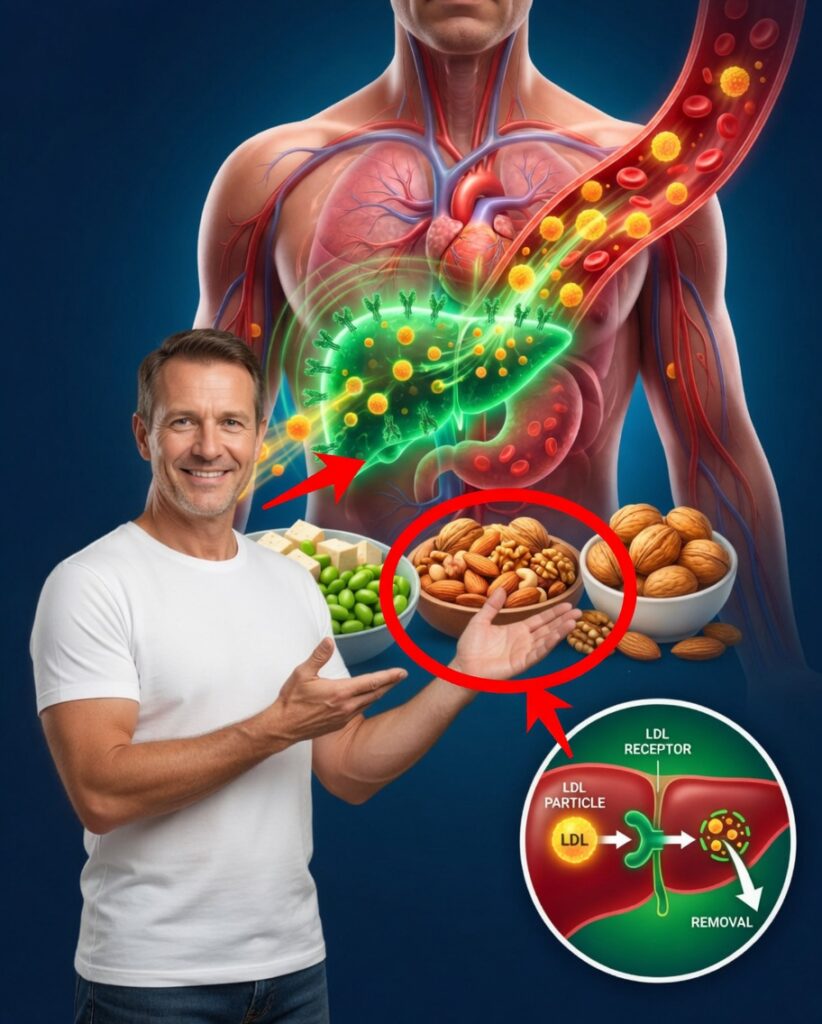
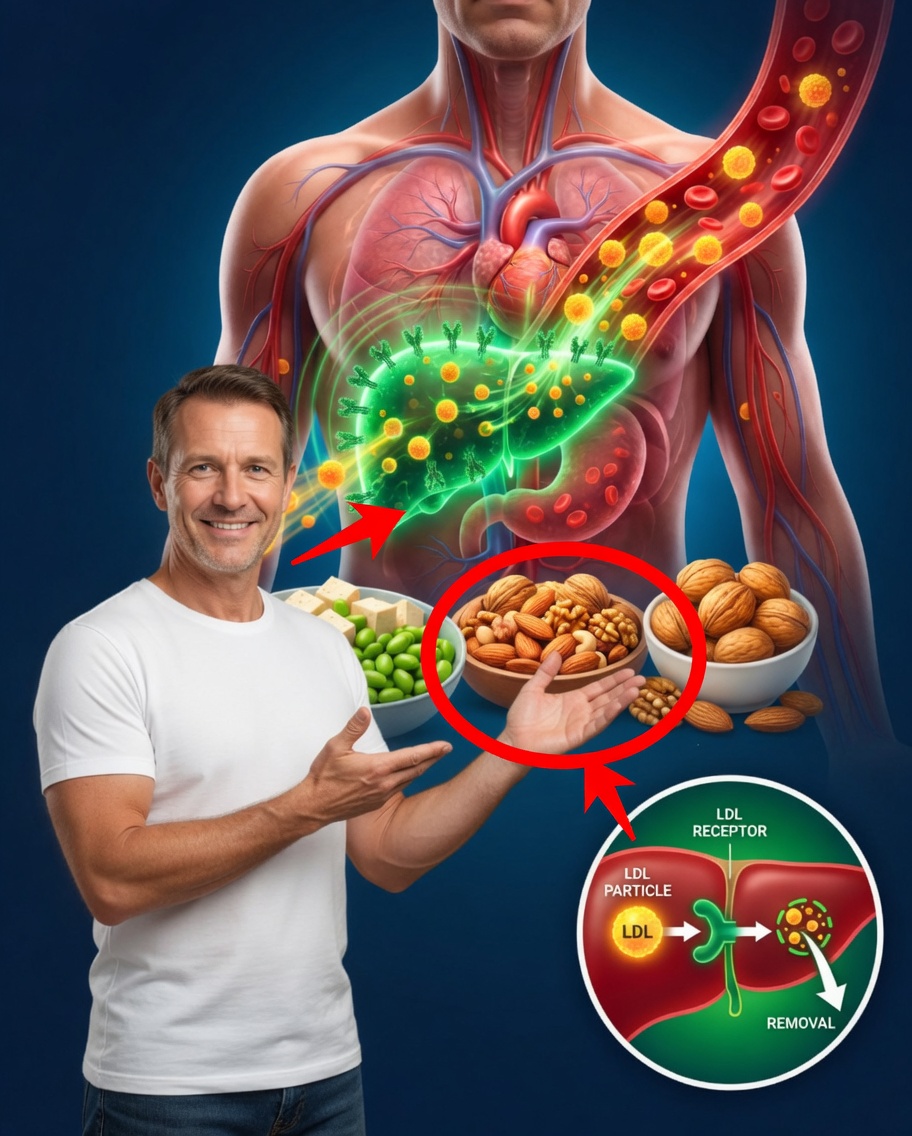
Soy protein has a specific effect on cholesterol metabolism. It stimulates your liver to create more LDL receptors—tiny “catchers” that pull LDL (“bad”) cholesterol out of your bloodstream so the liver can break it down and reuse it. By increasing the number of these receptors, soy protein helps reduce LDL cholesterol levels.
Aim for about 25 grams of soy protein each day from foods such as:
- Edamame (green soybeans)
- Tofu (firm or extra-firm works well in many dishes)
- Soy milk
- Tempeh or soy-based meat alternatives
Soy products can easily be added to stir-fries, smoothies, salads, and grain bowls, making them a versatile and accessible part of a cholesterol-lowering diet.
4. Nuts: Healthy Fats for a Healthier Heart
Nuts are rich in heart-friendly fats, especially monounsaturated and polyunsaturated fats. These fats help lower LDL cholesterol and can support higher levels of HDL (“good”) cholesterol. Eating nuts regularly also helps with satiety, so you’re less likely to overeat less healthy, processed foods.
Great nut choices include:
- Walnuts
- Almonds
- Pistachios
- Other unsalted, minimally processed nuts
Try to include about 30 grams (roughly ¼ cup or a small handful) of nuts daily. Avoid heavily salted, candied, or chocolate-covered nuts, which can undermine their heart-healthy benefits.
Why Hasn’t the Portfolio Diet Been Widely Known?
The Portfolio Diet was developed and studied more than 25 years ago at the University of Toronto by Dr. David Jenkins, who also introduced the glycemic index. At that time, plant-based nutrition was not as popular or widely accepted as it is now. In addition, research funding tended to favor more conventional foods and pharmaceuticals rather than plant-based dietary patterns.
Because of this, the Portfolio Diet did not initially receive the attention and promotion that its scientific support deserved. As interest in plant-based eating and lifestyle medicine has grown, the Portfolio Diet has finally begun to get the recognition it merits.
How Effective Is the Portfolio Diet?
Clinical research has shown that following the Portfolio Diet can reduce LDL cholesterol by more than 20%. When you compare this to the typical 30% reduction seen with statin medications, the impact is impressive—especially for a food-based strategy.
This doesn’t mean medication is unnecessary for everyone, but it highlights that dietary changes can make a real difference. Many people find the Portfolio Diet both effective and sustainable because it’s built around tasty, accessible foods rather than strict rules or deprivation.
Always discuss any changes to your treatment plan with your doctor. For some individuals, the Portfolio Diet may:
- Reduce the need for cholesterol-lowering drugs
- Allow for lower doses of medication
- Work alongside statins to further improve cholesterol levels
The Power of Addition: Focus on What You Eat More Of
One of the major strengths of the Portfolio Diet is that it doesn’t revolve around restriction. Instead of telling you what you can’t eat, it emphasizes adding:
- Plant sterols
- High-fiber foods
- Soy protein
- Nuts
As you fill your meals with these nutrient-dense foods, they naturally start to displace less healthy options—like ultra-processed snacks, refined carbohydrates, and high-saturated-fat items. This “crowding out” effect improves your cholesterol profile and overall nutrition without making you feel deprived.
Beyond Cholesterol: Wider Health Benefits
High LDL cholesterol is only one piece of the heart disease puzzle. Other important risk factors include:
- High blood sugar
- Elevated triglycerides
- Chronic inflammation
- Lack of physical activity
By adopting the Portfolio Diet, you’re not just lowering cholesterol—you’re also supporting better blood sugar control, gut health, and weight management. When you combine these dietary changes with regular exercise, you create a comprehensive strategy to protect your heart and improve long-term health.
Conclusion: Taking Charge of Your Heart Health
You have more influence over your heart health than you might realize. The Portfolio Diet puts practical tools in your hands, helping you lower cholesterol and support overall wellness simply by choosing specific, proven foods.
Before making major diet changes or adjusting any cholesterol-lowering medication, consult your healthcare provider. But remember: every serving of fiber-rich plants, soy protein, plant sterols, and nuts is a step toward better cardiovascular health.
Source: Insights adapted from Dr. Paul Zalzal and Dr. Brad Weening.