When Monthly Pain Is More Than “Just Cramps”
Millions of women worldwide experience intense pelvic pain every month—far beyond typical period cramps. This pain can last longer than just a few days and may disrupt work, relationships, sleep, and even simple daily tasks. Many women are left feeling alone, dismissed, or misunderstood.
The frustration grows when these symptoms are brushed off as “just part of being a woman.” Thankfully, awareness of endometriosis is increasing, and more women are being encouraged to pay attention to what their bodies are telling them. Keep reading to discover what endometriosis is—and a simple daily habit that many women find helpful for regaining some control.
What Is Endometriosis?
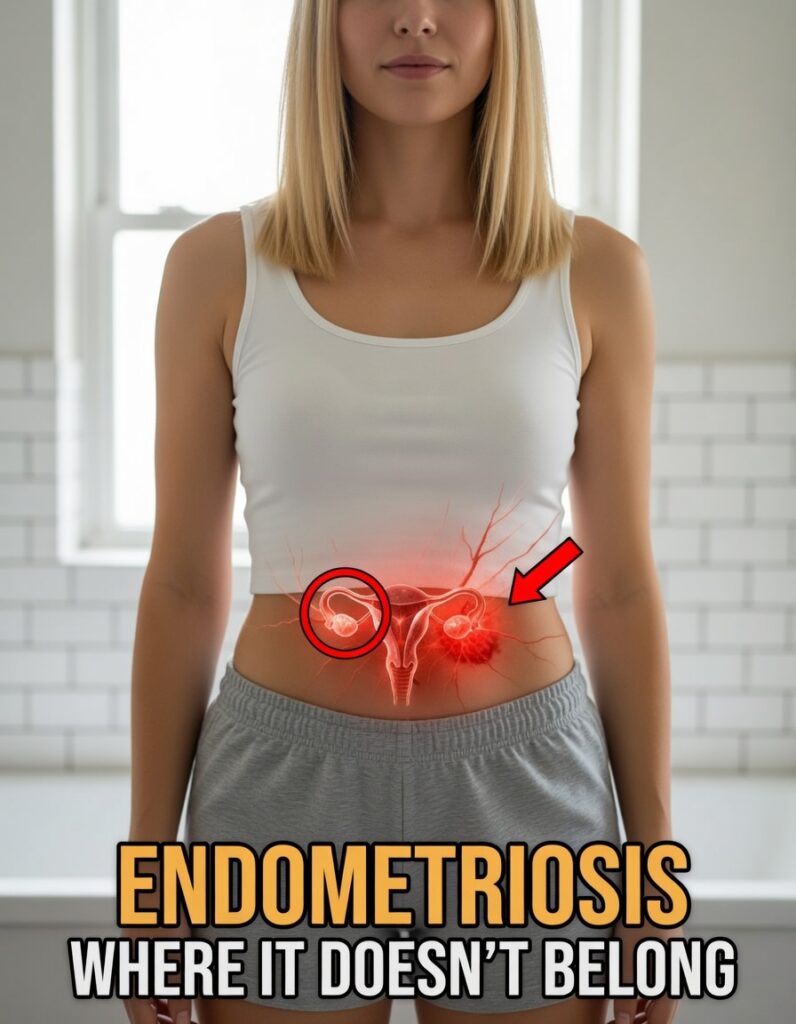
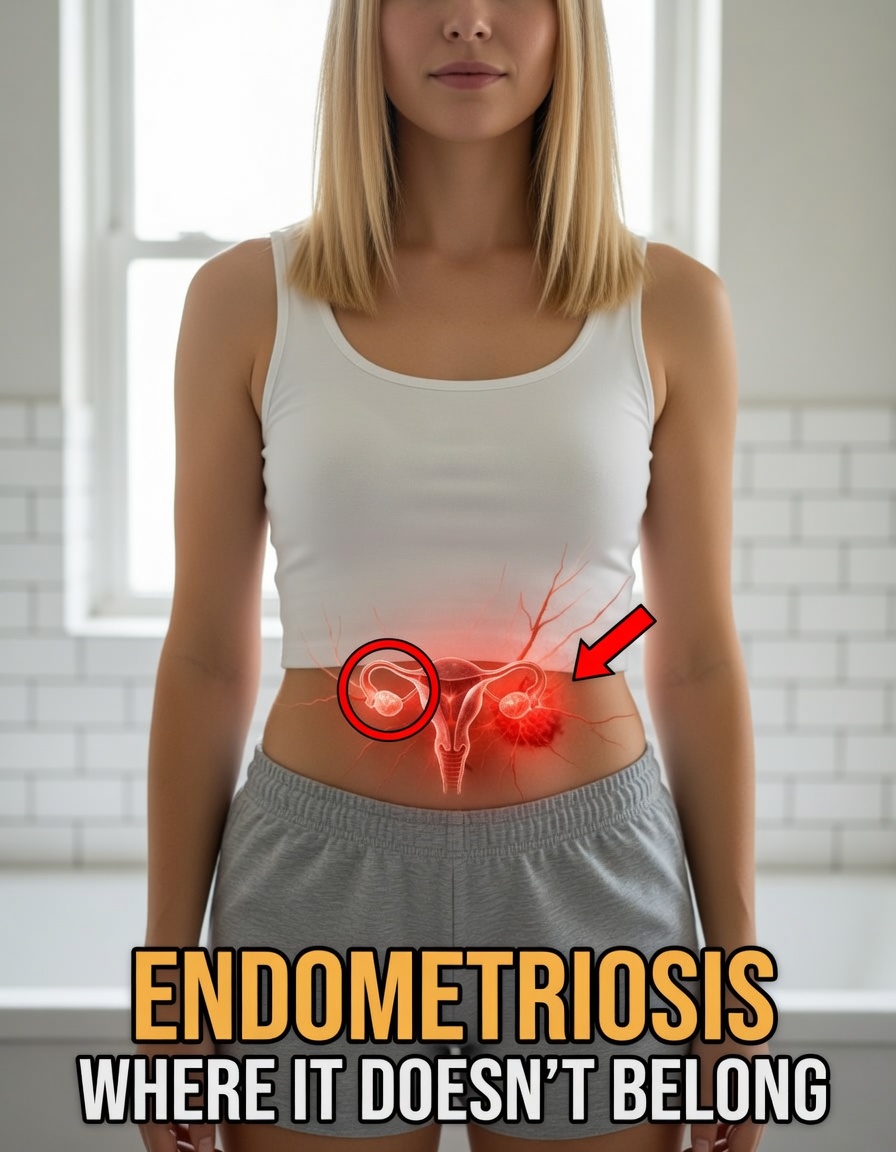
Endometriosis is a chronic condition that occurs when tissue similar to the lining of the uterus (endometrium) grows outside the uterus. These tissue “implants” can be found on:
- The ovaries
- The fallopian tubes
- The outer surface of the uterus
- Other organs in the pelvic area
This misplaced tissue can trigger inflammation, scarring, and adhesions (bands of scar tissue that cause organs to stick together), leading to recurring pain.
A striking fact: this tissue behaves much like the normal uterine lining. During each menstrual cycle it thickens, breaks down, and bleeds. But because it is located outside the uterus, the blood has nowhere to go. It can become trapped, causing swelling, pain, and sometimes further complications.
Global estimates suggest that about 10% of women of reproductive age—around 190 million people—are affected by endometriosis. Despite this, it often takes years to receive a proper diagnosis.
Common Symptoms of Endometriosis
Endometriosis symptoms can range from mild to severe and vary greatly from one woman to another. The most frequent signs include:
- Severe menstrual cramps
- Chronic pelvic pain (not only during periods)
- Pain during or after sex
- Pain when urinating or having a bowel movement
- Heavy or irregular menstrual bleeding
- Fatigue and bloating
- Difficulty getting pregnant
Some women also report:
- Lower back pain
- Nausea
- Digestive issues (such as diarrhea, constipation, or stomach discomfort)
The average delay before diagnosis can be as long as 7 to 10 years, often due to symptoms being normalized or misinterpreted.
Why Does Endometriosis Happen?
The exact cause of endometriosis is still not fully understood, but several theories exist:
- Retrograde menstruation: Menstrual blood flows backward through the fallopian tubes into the pelvic cavity instead of leaving the body.
- Genetic factors: A family history of endometriosis may increase the risk.
- Immune system dysfunction: The body may not recognize and destroy endometrial-like tissue outside the uterus.
- Hormonal influences: Estrogen and other hormones may stimulate the growth of these tissues.
- Environmental factors: Certain external influences may play a role, though research is ongoing.
It is crucial to understand: you are not to blame. Endometriosis is not caused by lifestyle choices, personality, or anything you did or did not do.
How Endometriosis Affects Daily Life
Endometriosis is not just about physical pain; it can influence almost every area of life:
- Reduced productivity: Pain and fatigue can make work or study difficult.
- Strain on relationships: Intimacy issues, mood changes, and lack of understanding from others can create tension.
- Emotional impact: Feeling exhausted, dismissed, or misunderstood may lead to stress, anxiety, or low mood.
In some cases, endometriosis can also affect fertility and make it harder to conceive.
Despite these challenges, many women learn to manage their symptoms and lead fulfilling lives with appropriate care, information, and support.
How to Talk to Your Doctor About Endometriosis
Preparing before your appointment can make it easier to be heard and taken seriously:
- Track your symptoms for at least 2 cycles.
- Write down the type, intensity, and duration of pain.
- Note other symptoms such as bleeding changes, digestive issues, or pain during sex.
For example, you might say:
“My pain lasts about 8 days and I would rate it 8 out of 10.”
Bring these notes to your consultation. Ask direct questions and do not hesitate to seek a second opinion if you feel your concerns are being dismissed.
Daily Habits That May Help With Endometriosis Symptoms
Lifestyle habits cannot cure endometriosis, but many women find they can ease some discomfort and improve overall well-being. Helpful practices may include:
- Heat therapy: Using a hot water bottle, heating pad, or taking a warm bath to relax pelvic muscles and reduce pain.
- Gentle movement: Low-impact activities like walking, yoga, or swimming to improve circulation and support mood.
- Anti-inflammatory nutrition: Focusing on whole foods, fruits, vegetables, healthy fats (such as omega-3s), and reducing highly processed foods may help lower inflammation.
- Stress management: Deep breathing, meditation, mindfulness, or relaxation techniques to calm the nervous system.
- Sleep and hydration: Prioritizing quality sleep and drinking enough water to support overall health and energy levels.
While simple, these daily habits can make a noticeable difference for many women living with endometriosis, especially alongside medical treatment.
The Essential Point
Endometriosis is common—but it does not define who you are.
Understanding what is happening in your body is a powerful first step. It can help you recognize symptoms sooner, communicate more clearly with healthcare professionals, and advocate for the care you deserve.
Small, consistent steps—both medical and lifestyle—can add up to meaningful change.
FAQ
Is endometriosis the same as painful periods?
No. While painful periods are a symptom, endometriosis involves tissue similar to the uterine lining growing outside the uterus. The pain is often more intense, more widespread, and may occur at other times in the cycle, not just during menstruation.
Can endometriosis go away on its own?
Generally, endometriosis does not disappear by itself. However, symptoms may lessen with hormonal changes, such as those that occur during menopause.
Are lifestyle changes enough to treat endometriosis?
Lifestyle habits can support your well-being and may ease symptoms, but they usually work best when combined with proper medical evaluation and treatment.
Disclaimer
This article is for informational purposes only and is not a substitute for professional medical advice, diagnosis, or treatment. Always consult a qualified healthcare provider with any questions you may have about a medical condition.