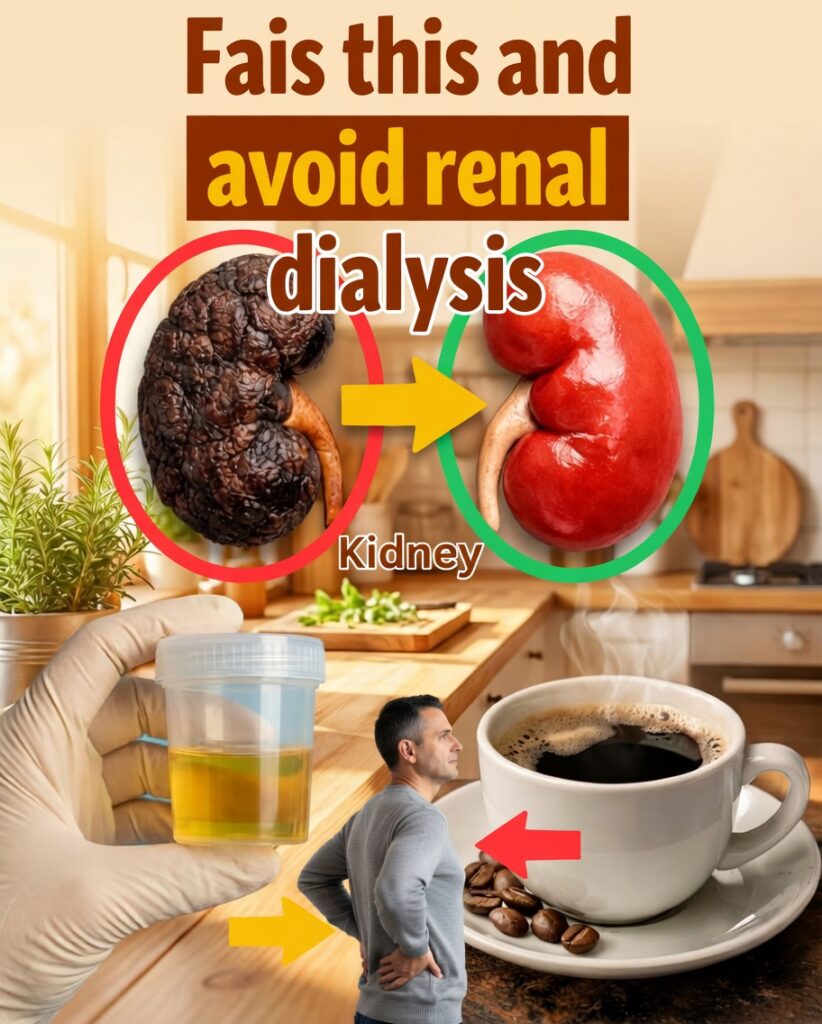
10 Natural Secrets to Lower Creatinine and Protect Your Kidneys
Do you sometimes wake up feeling unusually heavy or sluggish, as if something inside your body isn’t working quite right? Have you noticed swollen legs or ankles, or a lingering fatigue that doesn’t go away even after a full night’s sleep?
For many people over the age of 45, these warning signs are not random. They can be linked to creatinine, a natural waste product that your kidneys are supposed to filter out. If you’re looking for simple, natural ways to support your kidneys and improve your overall health, this guide is for you.
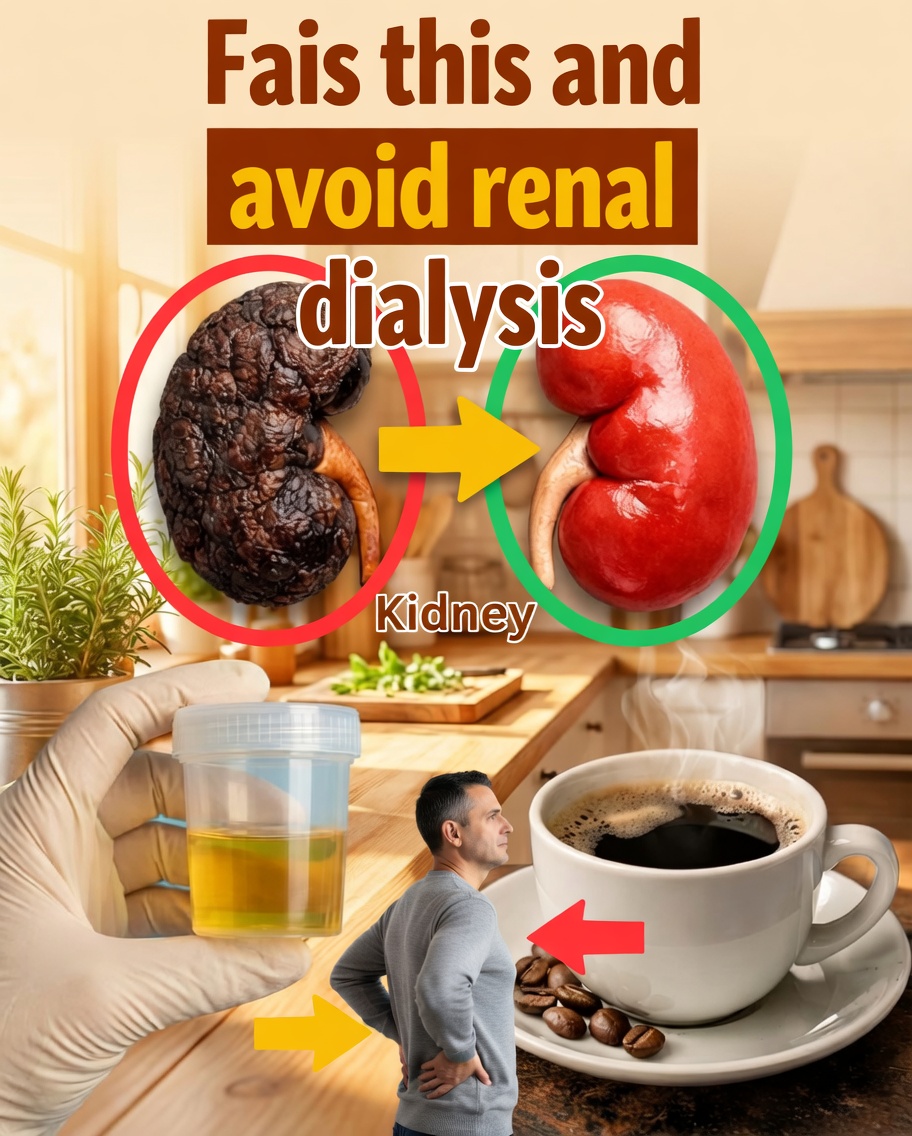
What Is Creatinine and Why Does It Matter?
Creatinine is a waste product created by normal muscle activity. In a healthy body, the kidneys filter it from the blood and eliminate it through urine.
When creatinine builds up in the bloodstream, it can signal that your kidneys are struggling to do their job effectively.
Common factors that can contribute to elevated creatinine include:
- Chronic stress
- Not drinking enough water
- A diet high in animal protein, especially red meat
The good news: with targeted lifestyle changes and natural strategies, you can ease the pressure on your kidneys and help your body restore balance.
9 Essential Habits to Support Kidney Health
1. Hydration: Your Natural Cleansing Engine
Water is the simplest and most powerful tool for helping your kidneys flush out waste.
Instead of drinking large amounts all at once, sip water regularly throughout the day. This steady hydration helps your kidneys “rinse” creatinine and other toxins more efficiently.
2. Load Up on Fiber
Fiber isn’t only good for digestion; it also supports detoxification.
Foods rich in fiber—such as fruits, vegetables, legumes, and whole grains—help your body eliminate waste through the digestive tract. This can reduce the burden on your kidneys and support healthier creatinine levels.
3. Go Easy on Animal Protein
Eating too much red meat increases the production of creatinine because it comes from muscle metabolism.
You don’t need to cut meat out entirely, but try to:
- Limit portions of red meat
- Replace some meat-based meals with plant proteins such as lentils, chickpeas, beans, and tofu
This “kidney break” can significantly reduce the workload on your filtration system.
4. Cut Back on Salt (Sodium)
Too much salt can:
- Promote water retention
- Raise blood pressure
- Make your kidneys work harder
In the kitchen, try flavoring your meals with:
- Fresh or dried herbs (parsley, basil, rosemary)
- Spices (turmeric, cumin, paprika)
- Lemon or lime juice
This keeps your food tasty while protecting your kidneys and cardiovascular system.
5. Choose “Detox-Friendly” Fruits
Some fruits are particularly helpful for hydration and gentle detox:
- Pineapple – contains bromelain and plenty of water
- Apple – rich in fiber and antioxidants
- Pear – hydrating and supportive for digestion
These fruits promote natural fluid elimination and help your body manage waste products more effectively.
6. Maintain a Healthy Body Weight
Excess body weight can increase the risk of high blood pressure, diabetes, and kidney strain.
Gentle, consistent lifestyle measures can help:
- Balanced meals with controlled portions
- Regular light to moderate activity (walking, cycling, swimming)
- Limiting sugary drinks and ultra-processed foods
Even small, sustained changes can make a big difference to kidney health over time.
7. Move Your Body Every Day
Regular physical activity supports:
- Better blood circulation
- Healthy blood pressure
- Improved muscle metabolism
All of these factors are connected to how your body produces and clears creatinine. Aim for at least 20–30 minutes of movement most days of the week, adapted to your fitness level and medical condition.
8. Be Cautious with Medications and Supplements
Some medications, painkillers, and even certain supplements can affect kidney function if used too frequently or without medical supervision.
- Avoid self-medicating with painkillers or anti-inflammatory drugs
- Always inform your doctor about any herbal supplements or vitamins you take
- Ask your healthcare provider to check whether your medications are safe for your kidneys
9. Manage Stress and Sleep
Chronic stress and poor-quality sleep can indirectly harm your kidneys by affecting blood pressure, hormones, and inflammation.
Helpful habits include:
- Relaxation practices (deep breathing, meditation, gentle yoga)
- A regular sleep schedule
- A calming routine before bed (no screens, dim lights, reading)
Rested body, calmer mind—better support for your kidneys.
Practical Overview: Kidney-Friendly Habits Compared
| Habit | Benefit for Kidneys | Effectiveness Level |
|---|---|---|
| Steady hydration | Makes filtration easier | High |
| High-fiber diet | Enhances waste elimination | Moderate |
| Reducing salt intake | Protects blood pressure | High |
| Moderating protein | Lowers kidney workload | High |
The Recipe: Pineapple and Lemon Detox Water
This refreshing drink is a simple way to support hydration and kidney health throughout the day.
Ingredients
- 2 slices of fresh pineapple (rich in bromelain)
- Juice of half a lime or lemon
- 1 liter of clean, fresh water
- Optional: a small slice of fresh ginger
Preparation
- Place the pineapple slices, lemon or lime juice, and ginger (if using) in a pitcher.
- Add the liter of water.
- Refrigerate and let infuse for at least 2 hours.
- Sip the detox water during the day, ideally between meals, for a light and refreshing boost.
This drink doesn’t replace water entirely but can make it easier and more enjoyable to stay hydrated.
Real-Life Experience: José’s Story (58 Years Old)
“I felt constantly exhausted and noticed my ankles swelling in the evening. After I started drinking more water throughout the day and cut down on red meat, my energy returned in a way I hadn’t felt for years. My latest lab tests showed a clear improvement in my creatinine levels.”
While each person is different, José’s experience illustrates the powerful impact of simple daily changes.
Conclusion: Better Kidney Health Starts with Small Steps
There is no magic pill for kidney health. Protecting your kidneys and lowering creatinine levels naturally comes from a combination of daily habits:
- Drink enough water
- Eat more fiber-rich, plant-based foods
- Limit salt and excess animal protein
- Stay active and manage stress
These “10 natural secrets” are not complicated, but they are powerful when practiced consistently.
A Simple Extra Tip
Adding just one slice of lemon to your water supplies your body with antioxidants that help protect your cells. It’s a tiny habit with a surprisingly big impact over time.
Important Note
This article is for informational purposes only and does not replace professional medical advice. Always consult a doctor or healthcare specialist before changing your diet, medication, or treatment plan, especially if you already have kidney disease or other chronic conditions.