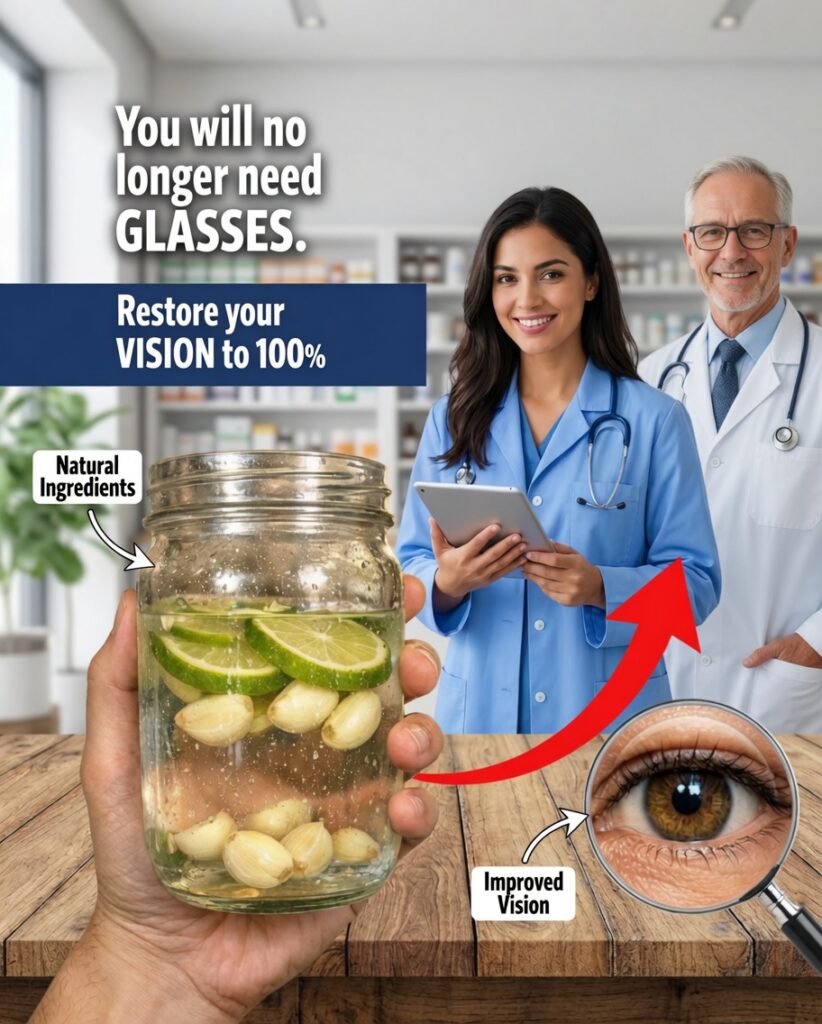
Blurry Vision, Tired Eyes, Trouble Seeing at Night?
If your eyesight feels less sharp than it used to—especially in the evening or after hours in front of a screen—you’re not alone. Many people notice that:
- Small text is harder to read
- Night driving demands more effort
- Eyes feel strained more quickly
What if a few simple ingredients from your kitchen could help support your eye health naturally?
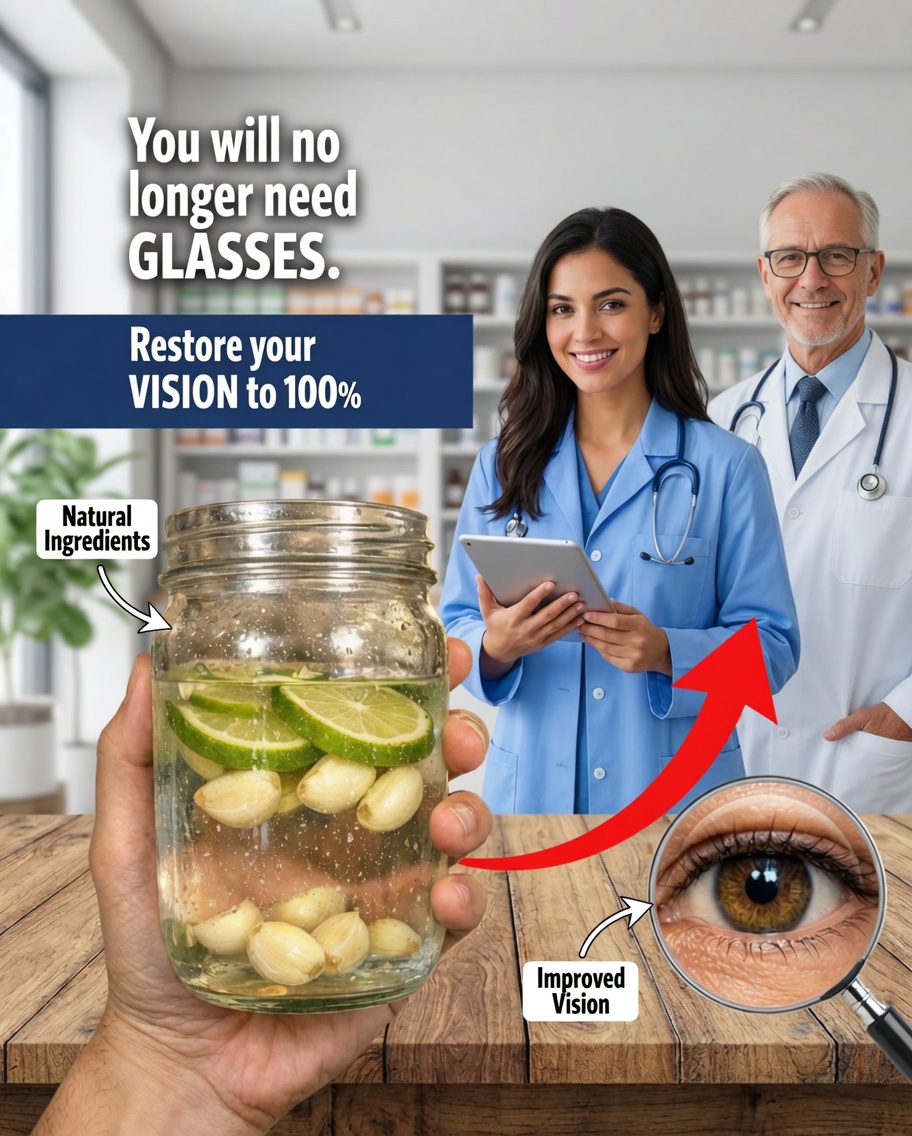
Garlic and lemon, two everyday foods, are rich in powerful nutrients and antioxidants that may help protect your eyes from oxidative stress and age-related damage. Even better, when used together, their benefits may complement each other and strengthen your body’s natural defenses.
Why Your Eyes Need Nutritional Support
Your eyes are constantly at work. Prolonged exposure to screens, blue light, pollution, and other environmental factors can increase oxidative stress—a process that damages cells, including those of the retina and the lens.
As we age, this oxidative stress tends to accumulate. Researchers highlight that dietary antioxidants can play a key role in helping protect eye tissues and supporting long-term vision health.
This is where garlic and lemon come in.
Garlic: A Powerful Ally for Eye Health
Garlic has been valued for centuries in traditional medicine. Its main active compound, allicine, is produced when garlic is crushed or chopped.
Allicin has strong antioxidant properties and helps neutralize free radicals—unstable molecules that contribute to cellular stress and may affect the eyes.
Garlic may also help:
- Promote better blood circulation, allowing oxygen and nutrients to reach delicate eye tissues more efficiently
- Reduce certain inflammatory processes in the body
- Support the health of blood vessels, including the tiny capillaries that supply the eyes
These effects can indirectly support more comfortable, sustained vision over time.
Lemon: An Excellent Source of Vitamin C
Lemon is especially rich in vitamin C, a key antioxidant that is naturally concentrated in eye tissues.
Vitamin C can help:
- Protect cells from oxidative damage
- Support the health of blood vessels in the eyes
- Contribute to the protection of the lens
Some studies suggest that a regular intake of vitamin C may be linked to a lower risk of cataracts.
Lemon also provides flavonoids and citric acid, which have anti-inflammatory properties and can enhance the protective action of other antioxidants.
Important: Never apply lemon juice directly into your eyes. Its acidity can cause irritation and damage.
Why Combine Garlic and Lemon?
When garlic and lemon are consumed together, their active compounds may work in a complementary way:
- The sulfur compounds in garlic help neutralize free radicals
- The vitamin C in lemon supports the body’s overall antioxidant defenses
This combination can help support the body’s natural mechanisms that protect eye cells and also contributes to general health and well-being.
Simple Recipe: Garlic and Lemon Quinoa Bowl
Here’s a nourishing meal idea that brings these two ingredients together in a tasty, everyday dish.
Ingredients (2 servings)
- 1 cup cooked quinoa
- 2–3 cloves garlic, crushed
- Juice and zest of 1 fresh lemon
- 2 cups leafy greens (spinach or kale)
- A handful of cherry tomatoes
- 1 bell pepper, chopped
- A drizzle of olive oil
- A pinch of black pepper
Instructions
- Cook the quinoa according to package directions.
- Crush the garlic and let it rest for 5–10 minutes to allow allicin to fully develop.
- Lightly sauté the garlic in a bit of olive oil.
- Add the vegetables, then stir in the quinoa, lemon zest, and lemon juice.
- Season with black pepper, mix well, and serve warm or cold.
Leafy greens like spinach or kale also provide lutein and zeaxanthin, carotenoids known to help protect the retina.
More Ways to Add Garlic and Lemon to Your Diet
You don’t have to rely on a single recipe. Try incorporating garlic and lemon regularly in different forms:
- Squeeze lemon over roasted vegetables seasoned with chopped garlic
- Prepare a warm garlic–lemon infusion (drinkable, not for the eyes)
- Add both ingredients to salad dressings and marinades
Consistency matters: small amounts consumed regularly are generally more beneficial than a large dose once in a while.
Other Eye-Friendly Foods to Include
For a broader approach to eye nutrition, consider adding:
- Spinach and kale: rich in lutein and zeaxanthin, protective for the retina
- Citrus fruits: excellent natural sources of vitamin C
- Nuts and seeds: provide vitamin E, another key antioxidant
- Fatty fish (such as salmon and sardines): rich in omega‑3 fatty acids that support eye comfort and tear film health
A varied, balanced diet is still the most effective strategy for supporting your vision.
Simple Daily Habits to Protect Your Eyes
Alongside good nutrition, certain habits can help maintain eye comfort and function:
- Eat antioxidant-rich foods on a regular basis
- Use the 20-20-20 rule for screens: every 20 minutes, look at something 20 feet away for at least 20 seconds
- Drink enough water to stay well hydrated
- Get sufficient sleep so your eyes have time to rest and recover
Conclusion
Garlic and lemon are not miracle cures, but they form an interesting natural combination that can support eye health thanks to their strong antioxidant content.
When combined with a balanced diet and healthy daily habits, these simple kitchen staples may help you maintain visual comfort and support your overall well-being.
Your eyes work tirelessly for you every day—providing them with the right nutrition is one of the simplest, most natural ways to care for them over the long term.