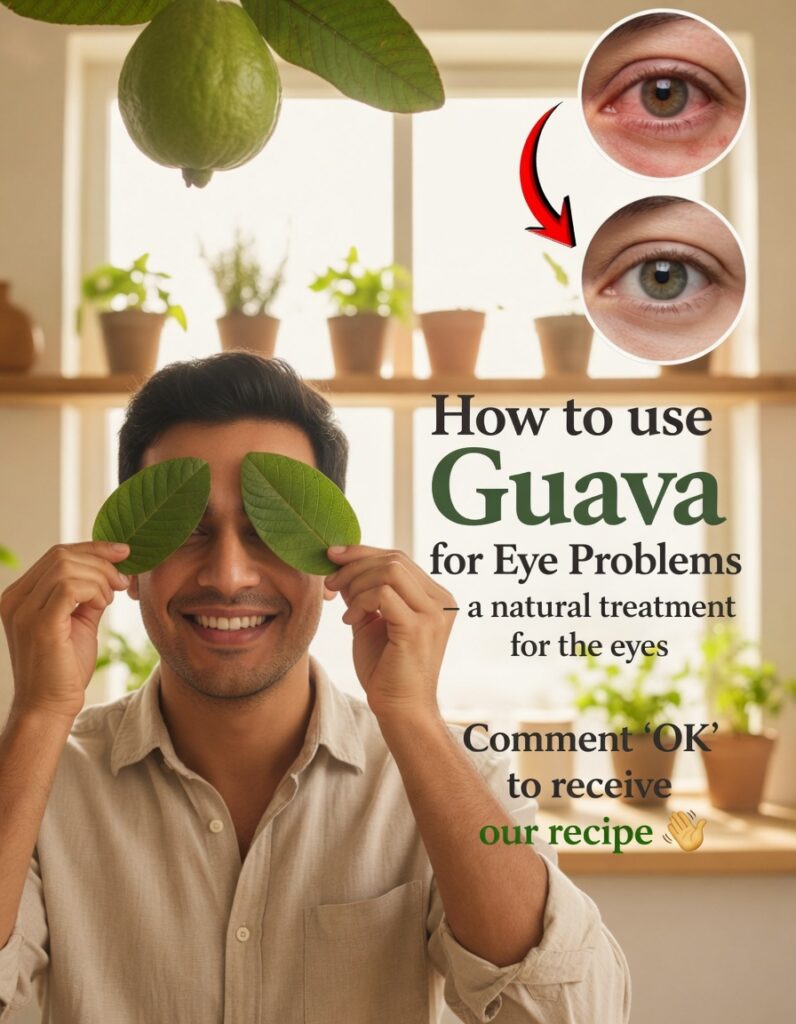
How to Use Guava for Eye Health: A Natural and Safe Approach
Guava is one of the most nutrient-dense tropical fruits. Packed with vitamin C, vitamin A, antioxidants, and anti-inflammatory compounds, it has long been used in many traditional cultures to support overall wellness, including eye health.
However, it is essential to understand how to use guava safely so you truly benefit your eyes without putting them at risk.
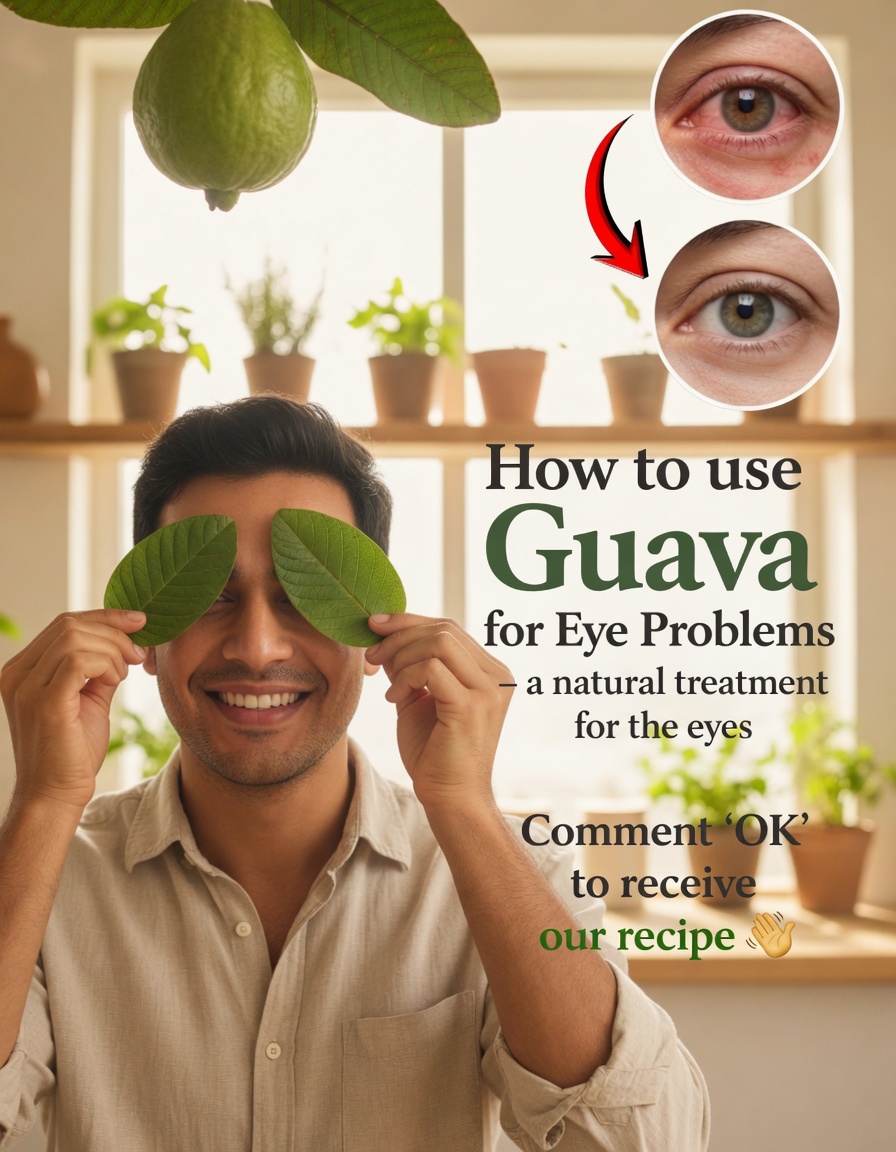
A Critical Warning: Never Apply Guava Directly to Your Eyes
You may come across online tips suggesting that guava leaves, homemade extracts, or guava juice should be applied directly to the eyes. This is dangerous and should never be done.
- The eyes are extremely delicate.
- Non-sterile preparations (leaves, juice, homemade extracts) can carry bacteria, fungi, or irritants.
- Misuse can lead to serious infections, corneal damage, or lasting vision problems.
Always keep guava, its leaves, and any homemade preparations out of your eyes. Guava is beneficial when used nutritionally, not as an eye drop or topical eye treatment.
Why Guava Is Beneficial for Vision
The guava fruit (Psidium guajava) stands out for its exceptional nutritional profile that supports eye health from the inside out.
-
High Vitamin C Content
Guava contains significantly more vitamin C than oranges. This vitamin is crucial for combating oxidative stress, which contributes to age-related eye issues such as cataracts and macular degeneration. -
Vitamin A and Beta-Carotene
Vitamin A and its precursors, including beta-carotene, are vital for the retina and help maintain good night vision and overall visual clarity. -
Rich in Antioxidants
Guava provides flavonoids and polyphenols, powerful antioxidants that help protect delicate eye tissues from damage caused by free radicals. -
Anti-Inflammatory Properties
Compounds in guava support the body’s natural anti-inflammatory processes, which is beneficial for overall eye comfort and long-term ocular health.
How Guava May Help with Common Eye Concerns
Guava is not a drug and cannot replace medical treatment, but regular consumption can contribute to the prevention of several common eye-related issues:
- Digital eye strain caused by prolonged screen time.
- Mild irritation related to dry environments or pollution.
- Higher susceptibility to infections, by helping strengthen the immune system through its vitamin C and antioxidant content.
By improving general health and providing key nutrients, guava can support your eyes over the long term.
The Safe Way to Use Guava for Eye Health
1. Eat Fresh Guava Regularly
This is the most effective and safest way to harness guava’s benefits for your eyes.
-
Fresh and whole
Eat the fruit raw (after washing it thoroughly) to benefit from its vitamins, minerals, and fiber. -
Juice or smoothies
You can drink guava juice or blend it into smoothies. Combining guava with other fruits increases your intake of antioxidants and eye-friendly nutrients.
2. Include Guava in an “Eye-Friendly” Diet
For best results, guava should be part of a broader diet designed to support vision. Combine it with other foods known to protect the eyes:
- Carrots – rich in beta-carotene, which the body converts into vitamin A.
- Leafy greens (e.g., spinach) – provide lutein and zeaxanthin, key nutrients for the macula and protection against harmful light.
- Fatty fish (such as salmon, mackerel, or sardines) – supply omega-3 fatty acids that support the tear film, retina, and overall eye function.
3. What You Should Never Do
-
Never put guava or its leaves in your eyes
Do not use decoctions, juices, pulp, or leaf extracts as eye drops or compresses on the eyes. These preparations are not sterile and may cause infection, irritation, or injury. -
Seek professional advice for eye problems
If you experience persistent redness, pain, blurred vision, light sensitivity, or any sudden change in sight, consult an ophthalmologist or eye specialist immediately.
What About Guava Leaves?
Guava leaves are known for their antibacterial and antioxidant properties, but they must be used correctly:
- They can be used in infusions or teas for oral consumption, which may support overall health and immunity.
- They can be applied externally for certain skin concerns, but not around or on the eyes.
By helping the body stay healthy and reducing systemic inflammation, guava leaf infusions may indirectly benefit your eye health—but they are not a direct treatment for eye conditions.
Natural Habits to Protect Your Eyes
Guava is just one piece of the puzzle. To maintain healthy vision, combine good nutrition with everyday protective habits:
-
Follow the 20-20-20 rule
Every 20 minutes, look at something about 20 feet (6 meters) away for at least 20 seconds. This helps reduce eye strain from screens. -
Use proper UV protection
Wear good-quality sunglasses that block UVA and UVB rays to protect your eyes from sun damage. -
Prioritize sleep
Adequate rest allows your body to repair and regenerate tissues, including those of the eyes.
Conclusion: Nutrition First for Lasting Eye Health
Guava is a powerful ally for your eyes, but its role is nutritional, not a direct medical treatment. Think of guava as an internal shield: by supplying vitamins, antioxidants, and anti-inflammatory compounds, it helps keep your vision healthy over time.
Enjoy guava regularly as part of a balanced, eye-friendly diet, respect basic eye safety rules, and consult professionals when needed. This combination offers a safe, natural way to support your eye health for the long term.